

Eps 576: Revisiting how to be a more mindful communicator with Oren Jay Sofer
I want to take a moment to share some personal updates with you. As my husband undergoes cancer treatment, I’ve made the decision to replay some powerful past episodes of the podcast that I believe are just as relevant and impactful today. One of those episodes is a conversation I had with Oren Jay Sofer, the author of Say What You Mean: A Mindful Approach to Nonviolent Communication.
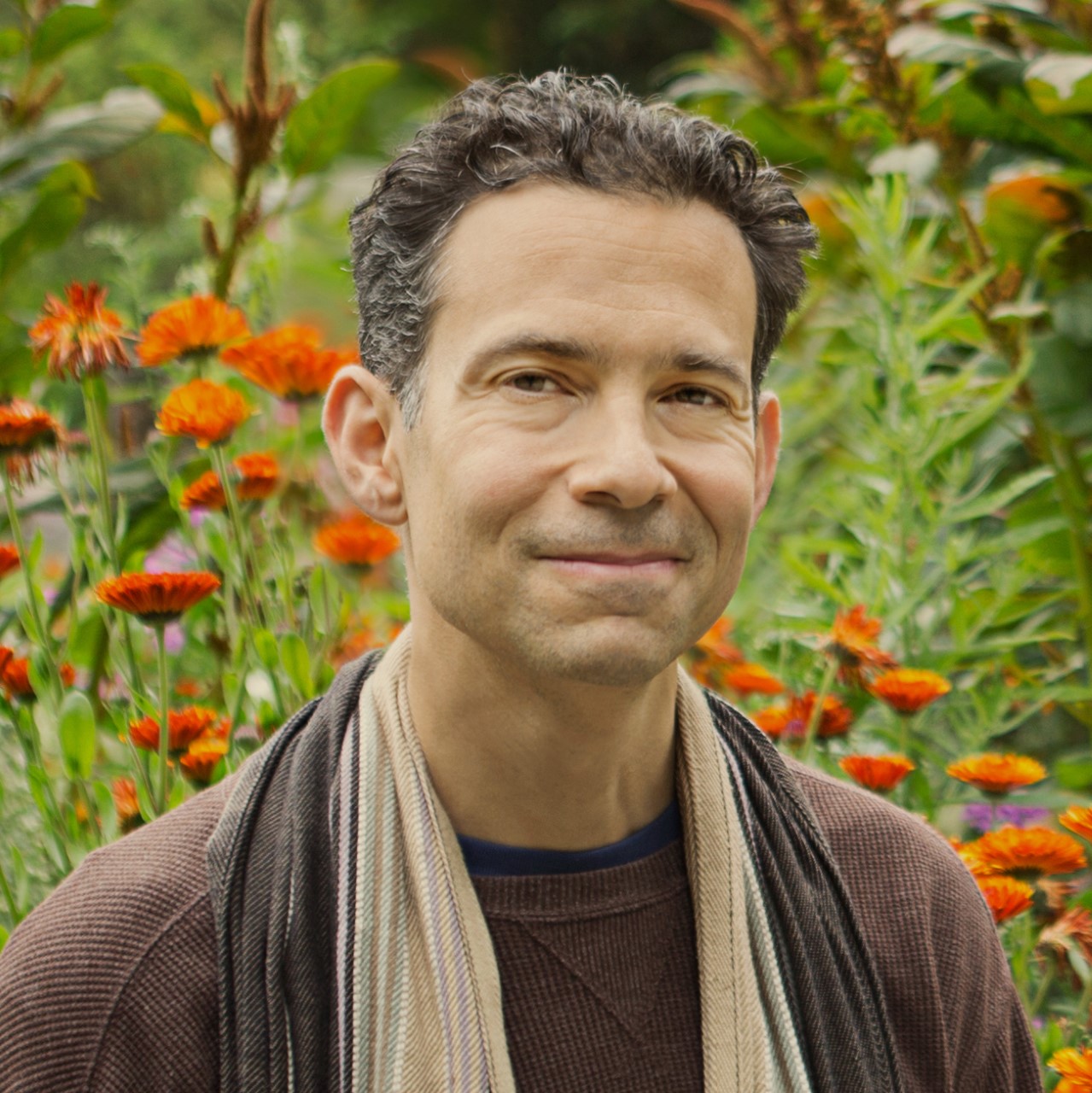
In our talk, Oren beautifully weaves together his experiences with meditation and communication to show how we can bridge the gap between inner mindfulness and how we connect with others. We dive into the heart of mindful parenting—focusing on presence, curiosity, and intention—and discuss simple, practical ways to bring these qualities into our everyday lives.
I encourage you to really listen in. You’ll hear strategies for embracing those all-important mindful pauses, nurturing a genuine sense of curiosity, and shifting from blame to identifying needs in your relationships. These tools aren’t just theory—they can truly transform the way we show up for our kids, our partners, and ourselves. Let’s lean into these conversations together, with compassion and care.
Community is everything!
Join our community Facebook groups:
Takeaways from the show
00:00 Introduction and Personal Update
01:03 Welcome to the Joyful Courage Podcast
02:21 Guest Introduction: Orin Jay Sofer
03:22 Orin’s Journey into Mindfulness and Communication
05:29 The Intersection of Inner and Outer Work
08:09 Mindfulness in Parenting
19:31 Nonviolent Communication and Parenting
28:56 Understanding Nonverbal Communication
30:13 The Power of Intention in Conversations
31:06 Curiosity and Care in Parenting
34:10 Emotional Literacy and Needs
38:01 Teaching Emotional Awareness to Children
44:58 Conflict as a Learning Opportunity
46:58 Practical Steps for Compassionate Communication
50:00 Conclusion and Resources
Where to find Oren:
Resources:
Text “guided” 44222 to sign up for a short ebook and free guided meditation series
We are here for you
Join the email list
Join our email list! Joyful Courage is so much more than a podcast! Joyful Courage is the adolescent brand here at Sproutable. We bring support and community to parents of tweens and teens. Not a parent of a teen or tween? No worries, click on the button to sign up to the email list specifically cultivated for you: Preschool, school-aged, nannies, and teachers. We are here for everyone who loves and cares for children.
I'm in!Classes & coaching
I know that you love listening every week AND I want to encourage you to dig deeper into the learning with me, INVEST in your parenting journey. Casey O'Roarty, the Joyful Courage podcast host, offers classes and private coaching. See our current offerings.
Transcription
JC Ep 576 (5.26.25) - Final
[00:00:00] Casey O'Roarty: Hey everybody. I shared a little bit last week about what's currently alive in my family and with my husband's health, and that I am going to be leaning on some replays over the next couple of months as I find my flow and rhythm. In conjunction with being there for my husband and his cancer treatment.
[00:00:20] So today I am offering up another powerful replay from the Vault. I didn't realize how powerful this conversation was going to be before I recorded it. It's one that listeners have brought up time and time again sharing what an impact it had on them. This is an interview about communication, but really it's about how we see each other and ourselves.
[00:00:42] It's about mindfulness. In what we're creating in our relationships, it's about being impeccable and responsible with our words. I know that you are going to love this interview. I'm really excited to be bringing it back.
[00:01:03] Welcome, welcome, welcome to the Joyful Courage Podcast. This is a place where parents of tweens and teens come to find inspiration, information, and encouragement in the messy terrain of adolescents this season of parenting. Is no joke. And while the details of what we're all moving through might be slightly different, we are indeed having a very collective experience.
[00:01:28] This is a space where we center building, relationship, nurturing life skills, and leaning into our own personal growth. And man, the opportunities abound. Right. My name is Casey O'Roarty. I am a parent coach, positive discipline, lead trainer, and captain of the. Adolescent ship over at Sproutable. I'm also a speaker and a published author.
[00:01:51] I've been working with parents and families for over 20 years and continue to navigate my own experience of being a mom with my two young adult kids. I'm so honored that you're here and listening. Please give back to the podcast by sharing it with friends or on social media. Rate and review us on Apple or Spotify.
[00:02:11] Word of mouth is how we grow. Thank you so, so much. Enjoy the show.
[00:02:21] Hi listeners. My guest today is Orin Jay Ser Orin is the author of Say What You Mean, A Mindful Approach to Nonviolent Communication. He leads retreats and workshops on mindful communication at meditation centers and educational settings around the United States. Orin is a graduate of the IMS Spirit Rock.
[00:02:42] Teacher training program. He holds a degree in comparative religion from Columbia University. Teaches in the Insight meditation community and is a somatic experiencing practitioner and a certified trainer of nonviolent communication. Orin creates mindfulness training programs for a number of organizations, including Mindful Schools, Kaiser Permanente, and 10% Happier.
[00:03:06] He lives in Richmond, California. I'm thrilled to welcome him to my show. Hi Oren, welcome to the podcast.
[00:03:12] Oren Jay Sofer: Hey Casey, thanks so much for having me.
[00:03:15] Casey O'Roarty: You are welcome. Please share a little bit with the listeners about how you found yourself doing what you do.
[00:03:22] Oren Jay Sofer: Sure. So, um, I actually got my start with meditation practice.
[00:03:27] I was in college, 19 years old, uh, feeling lost and overwhelmed and struggling as many of us do at that particular age. My parents were getting divorced. Uh, you know, kind of standard stuff for a, for a 19-year-old. And so I turned to meditation to try to get some direction and understanding in my life.
[00:03:49] Mm-hmm. And, uh, found a lot of benefit in contemplative practice and it really helped me to start to mature. As an individual and, and get a handle on some of my emotions and, uh, thoughts and, you know, some of the personality patterns that accrue over time as we grow up. Uh, but what I found after a few years was that the stuff that I was practicing in silence, you know, while meditating.
[00:04:16] Would magically vanish and evaporate as soon as I had. Oh, that happens
[00:04:20] Casey O'Roarty: to you too.
[00:04:21] Oren Jay Sofer: Yeah. As soon as I had a, you know, a disagreement or a conflict with somebody, a coworker or a friend, it was very difficult to actually stay mindful and present or, you know, let alone connected to kindness and patience and compassion, all these beautiful things.
[00:04:36] Uh, and then, you know, with family it was like, forget about it. Mm-hmm. It was, it was. Seemed impossible. So you know, I realized I need something to help. Bridge this gap between what I'm learning and really feeling so passionate about in my contemplative practice into the rest of my life and, and into my relationships.
[00:04:57] Because if it's not showing up there, then what's the point?
[00:05:00] Mm-hmm.
[00:05:01] Oren Jay Sofer: So that's when I came across just the whole field of communication training and I was, I was like, uh, you know, a sponge to water. I was so hungry and thirsty for these tools. And what I found was that it was like a perfect marriage, that it gave me the skills to translate into action, into my relationships, all of these beautiful values of my contemplative practice.
[00:05:27] And so that was in my mid twenties. Uh, and then for the last. Couple of decades I've been exploring this intersection between the inner work of meditation, mindfulness, and contemplative practice, and what we could call the outer work or the relational work of being with other human beings and speaking, uh, in skillful ways and having more meaningful conversations.
[00:05:51] Casey O'Roarty: I love that and I think that it aligns so well with the work that I do out in the world with parents too, because I'm a positive discipline trainer. And the concepts and the theories and the strategies make so much sense. And I watch parents so excited to go home and. And try them on with their kids, and then oftentimes get the return response of, oh, but I was just so mad that I didn't remember, or I was so overwhelmed that I just couldn't access that tool.
[00:06:25] And so what I'm hearing you say is you found a way to marriage those inner world and outer world practices, and you wrote a book. Yes, absolutely. Yes. Yes. So, so your book Say what you mean, will you talk a little bit about what inspired you to write that?
[00:06:38] Oren Jay Sofer: Sure. You know, I think, I think two main things, Casey, the first was wanting to share what's been so meaningful and useful for me in my own life.
[00:06:50] Mm-hmm.
[00:06:51] Oren Jay Sofer: Um, you know, I, I just found that my relationships, my friendships, my work, uh, everything became so much, not only easier, but. More enjoyable, more enriching, more rewarding when I was able to navigate differences of opinion and views and mistakes or misunderstandings with more confidence and ease.
[00:07:15] Uh, so really wanting to share those, those tools with others so that they can benefit from them. And then also looking around. Just looking around at our world today, you know, when I started writing this book, um, was, uh, about three years ago, so before some of the most intense polarization that we're seeing today, uh, in our country and, and even around the world that's, that's happening.
[00:07:39] Um, but really recognizing the need. For these tools, obviously there's, there's a lot of different, uh, capacities that we as a species need to draw on and develop to meet the challenges that we're facing. But communication is one of the most central and and core ones. If we can't actually listen to each other and have a meaningful conversation when we disagree
[00:08:03] Casey O'Roarty: mm-hmm.
[00:08:03] Oren Jay Sofer: You know, it's, it's impossible to work together to address the challenges that we're facing.
[00:08:09] Casey O'Roarty: Yeah, I talk a lot about being in response versus reaction.
[00:08:16] Mm-hmm.
[00:08:16] Casey O'Roarty: Whether it's with our kids or our partners or other drivers. And as I've kind of dove into that work and, you know, noticing even in my, my, especially in my own practice, how much of the time I spend.
[00:08:32] In automatic pilot, and I think for new listeners, I've, I've talked about this a lot on the podcast, but when we're talking about mindfulness and being conscious about what it is that we're doing, it's different than that surface level automatic pilot kind of reaction to life. And I think that there's a lot.
[00:08:54] Of humans that don't even realize that that is their operating system.
[00:09:01] Oren Jay Sofer: Mm-hmm. Yeah. Yeah. I mean, if you go out on the street and, you know, you, you ask people, are you aware? Mm-hmm. Yeah. Most people would say, yeah, well, yeah, I'm aware right now. I'm awake. I'm like walking around you standing up, doing right.
[00:09:14] Doing things. Uh, but if you asked somebody, uh, you know, um. Do you have choice about how you respond when someone does something that triggers you or upsets you? Or if you ask someone, are you aware of why you're doing what you're doing from moment to moment? Or are you aware of the thoughts, moods, and emotions that are coloring?
[00:09:42] Your experience during the flow of your day. You know, those are looking a little bit more deeply. And those are the kinds of questions, those, that's the level we're starting to move into, the level of awareness that we're talking about. And in my book, I talk about three foundations for successful conversations and effective communication.
[00:10:02] In the first. And most essential prerequisite for any of this is mindfulness. And the word that I use in the book, uh, is presence.
[00:10:12] Mm-hmm.
[00:10:13] Oren Jay Sofer: And that's because mindfulness can come across as being really heady. Right. It's a sense of it has the word mind in it. And are you being mindful? I'm, I'm. I get the sense I'm somewhere kind of floating up above things, looking down at them, whereas presence to me, really communicates that sense of living in my own skin.
[00:10:32] Mm-hmm. You know, I'm, I'm here in a very real, uh, and grounded way, and that's really what we're talking about is having. Having full awareness of what's happening and having access to our wisdom and our resources internally so that we can navigate a conversation or, uh, circumstances that are challenging, uh, without feeling yanked around by our habits and our reactions.
[00:11:00] Casey O'Roarty: Yeah, and I love what that work has the potential to bring to the parent child relationship, because so often I think we are talking at our children or reacting from conditioning or fear of the future without realizing that, and then also on top of it. Putting a lot of blame on the child for how we are reacting or how we are feeling, such as, you know, well, if you just wouldn't do that, or if you just listen, or if you just would have done it this way, then you know, I wouldn't be acting like this.
[00:11:41] But what I'm hearing you speak into is really owning our own. A response and owning her. Yeah. And, and really getting, being curious.
[00:11:49] Oren Jay Sofer: Yeah. I mean, there, there are two things in what you're saying, Casey, that are really meaningful for me and, and one is, is the reality that living in 2019, most parents are facing enormous pressure and demands on their time and energy.
[00:12:07] And so the level of kind of just ambient stress of raising a child today. Where the, the support network and the sense of community around raising children has become so absent, really just eroded over the, you know, the last century, uh, that, that there's really unrealistic demands. Placed on parents. So, um, my, my sense and my experience is that most parents are operating just with a baseline level of, of stress that's not only not conducive to their own wellbeing, but adds an extra layer of difficulty into the relationship and the communication with children.
[00:12:51] Because when we are stressed, you know, we're understanding more and more about the limits. That place is on our. Our cognitive and emotional capacities to actually engage in ways that are in line with our values and that have more, more choice in them. So that, that's kind of just the first thing. And, and that's structural.
[00:13:13] And, and I think that that's one of the most important things for parents to, to step back and recognize and, and have compassion for themselves, which is that, you know, what's being asked of them by modern society is unrealistic. Mm-hmm. You know, it's, mm-hmm. It's just. It's just a setup to say like, yeah, have a job and earn a living and you know, balance your bank account and run a household and raise children and do it all on your own and yeah,
[00:13:38] Casey O'Roarty: do it home.
[00:13:39] Cook all your meals. Make sure they're all made from scratch. Grind your own
[00:13:42] Oren Jay Sofer: flour. Exactly. You know, and be cheerful and happy and relax all at the same time. You know, and it's like, so then you get people like me saying, Hey, maybe you should meditate every day. And it's like, yeah, right, right. You know, like, when am I gonna do that?
[00:13:54] So. So I, I'm really, I, I try to be really practical and say like, you know, you don't need to be meditating for half an hour every day to use these tools. You know, we can integrate short moments of awareness into the flow of our day and Yeah. You know, if you can, if you can find five or 10 minutes of quiet to sit and close your eyes and, and just breathe and de-stress, that's great, you know, but we can all find.
[00:14:21] Five seconds.
[00:14:22] Mm-hmm.
[00:14:23] Oren Jay Sofer: Right. We can all find 10 seconds in the day between things. How much of our day is spent waiting, waiting in traffic, waiting in line, waiting on hold. You know, those are moments where instead of running down the to-do list planning, what's gonna happen later, nursing old, you know, wounds or grudges.
[00:14:43] We can actually use that time to nourish ourselves and to come back to a baseline of wellbeing by just pausing. By feeling. The sensations of your body. If you're in the car, feel your sensations of your body sitting as you sit at a traffic light. If you're standing in line, you know, feel your feet on the ground.
[00:15:01] Mm-hmm. Feel the, the support of the earth and take a few breaths to just arrive and slow down in the moment. So I. Having, creating daily rituals like that where at certain moments in the day during certain activities, it becomes a new habit to use that to strengthen awareness and balance and presence.
[00:15:27] Um, that can, that, that does a few things. Number one, it starts to. Help us to metabolize the stress that we're experiencing so that it doesn't accumulate as much over the course of the day. And then we are more resilient and more present and available for our children. The other thing it does is it helps us to.
[00:15:52] Increase the baseline level of awareness, uh, and kindness and patience with which we're living. And this is one of the things that a lot of the research is pointing to these days, is that the benefits of the real benefits of mindfulness practice and loving kindness practice and all of these different contemplative techniques is not the momentary boost that you get.
[00:16:18] Mm-hmm. For. Five or 10 minutes or longer after doing a session of practice, the real value is shows up over time in what's called a, a trait effect, that our baseline level, uh, of awareness or of kindness or whatever it is, we're practicing increases so that our default, the whole kind of like the water table raises up.
[00:16:43] So, um, so that's one of the things I'm hearing and what you're saying that, uh, I wanted, I really just wanted to emphasize and, uh, acknowledge for, for everyone listening.
[00:17:03] Casey O'Roarty: Now I'm gonna circle back and say, I love this. Everything that you're saying, um, really validates something that I do with clients and, and I've talked about here on the podcast, is we can't wait for the opportunities where presence is needed. To practice presence, but really it's an ongoing experience, just like any high level athlete or sports team.
[00:17:30] Doesn't wait for the big race or the big game.
[00:17:33] Yeah.
[00:17:33] Casey O'Roarty: To be in their practice. They're practicing every day. They're preparing themselves for that moment and, and mm-hmm. Especially in the parenting journey. I mean, my kids are teenagers, so I get lots of opportunity to be in, in my, in my muck. And then because I engage in a practice most of the time, um, most of the time I'm making time for soul care and I'm making time for stillness because I do that.
[00:18:02] I have. A higher likelihood that I can recognize, oh, here, all my fear buttons are being pushed right now. Right? And that is why I wanna come unglued. And so, whew, I'm gonna come back into my body and feel my feet on the floor and right, and just decide. What is the best course of action in this moment?
[00:18:22] Lots of times the best course of action is to not say anything at all.
[00:18:26] Right? Yeah. Um,
[00:18:27] Casey O'Roarty: one of the analogies that I like to use too is you, I live up in the Pacific Northwest, so there's lots of established hiking trails and if, and the forest is lush and, and so when you walk on those trails, you don't really need to think much about it because so many people have walked on it.
[00:18:43] Before and it's, it's just well established and, but if you look around, you can see the game trails. If you're looking, you can see mm-hmm. Where there's an indent in the forest. And you know, what I tell parents is if you, if we all chose, if the game trail, even as it's messy and we might need a machete and we trip and fall and it's, and it's, and it feels uncomfortable mm-hmm.
[00:19:10] Over time choosing that different path. We'll wear it down while the old path will get grown over. So that's a metaphor that I like to use to kind of highlight exactly what you're saying, that when we're in the practice, we actually get to create a new way of being.
[00:19:28] Oren Jay Sofer: Yeah. Yeah. That's beautiful. Thank you.
[00:19:30] Thank you. Yeah. Yes. The other thing that you were saying, Casey, that I, I wanted to comment on, and this starts to get into some of the mechanics of, uh, what's called nonviolent communication. Mm-hmm. Which forms a core part of the training I have and, and, and what I teach, um, which is you were talking about, you know, so when we're having.
[00:19:50] Some kind of a stressful moment with one of our kids, or even, you know, with an adult and, um, the way that we perceive things through a lens of blame, you know? Mm-hmm. Like, if only you weren't doing this, or, or, you know, you shouldn't do this, or you are wrong for doing that, or it, it should be this way.
[00:20:06] What's happening there? It's, it's really fascinating. Part of what's happening in the parent child relationship is some of the socialization process in that very moment that. We are viewing things from a certain perspective that says that when my needs aren't met, if something isn't working for me, it's your fault.
[00:20:26] Mm-hmm. Right? There's something wrong with you. And we we're not fully conscious of that because it's how we've been trained, it's how we've been conditioned, and then we're passing that on to our children and then they internalize. That, that, oh, there's something wrong with me. I need to be different. For people to like me, I need to be different in order to fit in that my natural impulses, you know, what I want for myself, for my own happiness and fulfillment is somehow not acceptable or needs to be continually gauged and measured, you know, against whether or not it's gonna be acceptable around the, with the people around me.
[00:21:04] And that's very different than. Um, being aware, learning to be aware and to consider the impact of her actions on others and, and others' needs. Mm-hmm. So one of the, the core premises, um, of nonviolent communication, and I. Humanistic psychology in general, which is what nonviolent communication comes out of, is this idea that all human beings share the same needs and that our actions, our behavior, uh, our speech, the things that we, even, the things that we think to a certain degree are attempts to meet some underlying more basic universal need.
[00:21:45] So this sounds very, you know, kind of simple and. You know, so what on the surface, but when we actually start applying it to our life and our relationships, it's really powerful because what it does is it allows us to start to understand what's happening in a relationship without needing to resort to a language of blame.
[00:22:10] Right or wrong, should or shouldn't, but actually to talk about things in terms of our needs, you know? Um, mommy really needs to get to work right now because I. She wants to have a, you know, she needs a job so that she can support our family and have, uh, you know, have money to buy food and everything.
[00:22:27] Mm-hmm. And if my son or daughter really wants to play right now. I can connect with that desire, I can, I can understand and relate to, you know, sounds like you're having, it looks like you're having a lot of fun and you really, really wanna keep playing.
[00:22:40] Mm-hmm.
[00:22:41] Oren Jay Sofer: Instead of, instead of, hurry up, we don't have time to play right now.
[00:22:45] Right. And then to be able to, to acknowledge and to, and support and encourage the child's need, the child's desire, um, while also helping to make the child aware. They're not the only one who have needs Yes, but they can begin to consider the needs of others. And even very small children can, can understand this concept, uh, and begin to, uh, begin to make choices based on this.
[00:23:14] Casey O'Roarty: Well, and I think we call that connecting before. Correcting or connecting before redirecting. Mm-hmm. In the positive discipline world. And I think what happens there is the difference in the two examples you gave is we have an opportunity to nurture the soil in our communication with others. So that it feels like a safe place where people feel seen and heard.
[00:23:39] And then going back, what you said about humans sharing the same basic, fundamental needs. I'm curious because, um, with positive discipline, it's based in Alerian theory. Are you familiar with Alerian theory? No, I'm not. So it's Alfred Adler was around the same time as Freud, and he had very different findings in his work.
[00:24:01] But what Adler found was that human behavior is movement in the direction of belonging and significance. Mm-hmm. Or looking, you know, or movement towards a perception or a sense of belonging and significance. And the way that I talk about it is connection and, and knowing that we matter. So those are the, that's the language that we use in positive discipline.
[00:24:25] What is the language around those fundamental needs that you talk about in nonviolent communication?
[00:24:31] Oren Jay Sofer: Yeah. It's, it's very similar. Mm-hmm. And the, you know, the language is, it's a broader set of needs, but I think there's, there's agreement there that one of our most fundamental needs as human beings is the need to know that we matter.
[00:24:46] Yeah. And, and this is, this is actually a really liberating insight, particularly for parents because, you know, we can't meet all of our children's needs. Uh, that's, that's the reality. And that, that's the painful reality to, that we need to accept is that as much as we would like to, as much as we strive to, it's just not possible.
[00:25:04] Right, right, right. But what we can do, everybody
[00:25:07] Casey O'Roarty: hear that? Please, all you listeners out there hear what Orrin is saying right now. Okay? We're striving. It's process, not perfection. Okay. Go on. Sorry. Yeah,
[00:25:16] Oren Jay Sofer: no, I, I'm glad I'm, I'm glad you stopped me because it is, it's, it's a reality check and it's, it's, I think that there's a, it's heartbreaking.
[00:25:26] Mm-hmm.
[00:25:26] Oren Jay Sofer: You know, it's heartbreaking to recognize I can't meet all of my child's needs and, and. And, and that's the reality. Yeah. You know, as, as much as I love them, as much as I want to, you know, as much as, as much as I'm trying, it's just not possible. But what is possible, and this is what's liberating, what is possible, is that even when we can't meet our child's needs, we can help them to know and recognize that their needs matter to us.
[00:25:57] Mm-hmm. So there's a difference between agreeing to someone's request, giving them what they want, meeting their need, and knowing that our needs matter. And, you know, if we just step back and consider it for ourselves as adults for, for a moment, you know, when we're having some kind of an argument with someone or when we're in some kind of a situation where there's multiple, uh, multiple needs being considered.
[00:26:28] If we know and really trust that our perspective and what we're valuing matters to the others that are present, if we really feel understood and seen for that, doesn't that take the edge off of needing to have our way? Yes. Right, because, because as you're saying, as, as you know, as, um, as Adler was pointing out, because this need for significance and connection or this need for mattering is so core and fundamental to us as human beings.
[00:27:02] Casey O'Roarty: Yeah. I recently was coaching a client who, and this comes up a lot in two parent households, where there's a difference in parenting styles. And typically I'm working with one parent who's finding success, right? And then there's the other parent who, for whatever reason, parenting isn't the central focus of.
[00:27:23] Growth and development. And so they're more in the reactive state. Mm-hmm. And so this client was asking, you know, how can I approach him? How can I support my husband in his relationship with my child? Because I can see from the outside looking in to tweaks and, and things that he could do differently that would be so helpful and right.
[00:27:45] You know, when we come into those conversations, it can feel, especially if we haven't asked permission, you know, I talked to her about, yeah, asking for permission, right? And. Celebrating strengths and great, you know? Yep. Because it's easy to have easy conversations, right? It's the hard conversations. It's the when you know when we have to deliver the bad news or offer feedback that might be.
[00:28:11] Hard for the other person to hear. You also write about intention in communication. Mm-hmm. Can you talk a little bit about that in this context?
[00:28:22] Oren Jay Sofer: Yeah, absolutely. Um, so, you know, I said that, uh, presence or mindfulness is the first foundation for having more meaningful conversations. And the second is our intention.
[00:28:34] And, and one of the things that mindfulness does is it helps us to start to be aware of. Where am I coming from in this conversation? Am I, you know, subtly or not So subtly blaming the other person, you know, you're not doing it right. It should be this way. Uh, am I wanting to win? Am I wanting to look good?
[00:28:56] I. Am I, uh, wanting to control the situation? Am I wanting to control my beha, my child's behavior rather than to connect and create and, and create a context where we're understanding one another's needs and learning to work together? So the intention is, is really, is really key. And, and one of the reasons, one of the main reasons is because so much of our communication.
[00:29:26] Is nonverbal.
[00:29:27] Mm-hmm.
[00:29:28] Oren Jay Sofer: It's not in the words that we say. And, you know, um, children are incredibly perceptive, you know? Oh yeah. In ways that, that we as adults often are still picking up on, but we're not listening to the signals as clearly. Um, for a variety of reasons. We start to ignore, uh, our intuition and the nonverbal signals that we pick up on, but.
[00:29:53] You know, even just considering if you have a conversation with someone and they're saying one thing. With their words, but their body, their tone of voice, their maybe their facial expressions is saying something else, right? Mm-hmm. Which do we believe? Which do we listen to? We listen to that nonverbal communication and that nonverbal communication.
[00:30:13] All of that is shaped by our intention. So our intention communicates a lot in a conversation. It also directs the course or the trajectory of the conversation because where we're coming from inside, our motivation, the quality of our heart and how we're relating, that's going to determine. Everything about how we engage and what we say next, and whether we listen or speak.
[00:30:42] So it's, uh, it's this incredible force in shaping conversations and relationships. And so the, there are many, many helpful intentions we can have in a conversation. The two that I recommend people train in and cultivate as a default are the intention to understand.
[00:31:03] Mm-hmm.
[00:31:04] Oren Jay Sofer: And the intention to care.
[00:31:06] Mm-hmm.
[00:31:06] Oren Jay Sofer: So the, the shorthand that I say for this is to come from curiosity and care. Love it. Can we just get interested in what's happening here? What's going on for this person right now? You know? And if it's a child, what, what's, what's my child need right now? What's happening for them? And even if we don't say anything, just regarding a child from that perspective can be transformative.
[00:31:31] For the child, for us, and for the relationship.
[00:31:35] Casey O'Roarty: Yeah. I really wanna drill down a little bit on this 'cause I think it's so important. I talk a lot about curiosity. Curiosity is a big tool in positive discipline and curiosity as a, and this is what I'm hearing, you talk about curiosity as a way of being.
[00:31:53] Yeah. Versus. Asking questions. Exactly. Yeah. I, I love the way you, right. 'cause we can fall very flat if it's simply like, well, I used my what and how questions. Right.
[00:32:04] Right. And
[00:32:04] Casey O'Roarty: it didn't get me where I wanted to go, or it didn't get me what I wanted. And, and it's a different ask or it's in a different invitation to say, you know, what does it feel like to be.
[00:32:14] Curious. Mm-hmm. And I think most of us as humans, and, and what I find in my classes is we spend a lot of our time from the neck up. And so the first time I ask a question like, what are you feeling?
[00:32:29] Mm-hmm. What are you feeling
[00:32:30] Casey O'Roarty: in, in your body?
[00:32:31] Mm-hmm.
[00:32:32] Casey O'Roarty: Parents tend to wanna tell a story. That's right.
[00:32:35] Instead of name an emotion or name a sensation. So I'm really appreciating. Yeah, that, because I think of intention too, as, as you're saying, what you bring to the, to the conversation. Like to me, it just comes back to way of being. And I remember having to let a mentor, two mentors of mine, know that I was going to move on from some work that we had been doing together, and I was really nervous to have the conversation.
[00:33:02] Mm-hmm. Mm-hmm.
[00:33:02] Casey O'Roarty: I wanted, you know, they, I look up to them and you know, I'm kind of like a puppy, you know, like. Pet me, tell me how great I am. You know, like, you're amazing. And, and so I really tried to ground myself in gratitude going into the conversation because, beautiful. Yeah, because that was what was, I mean, I was just so grateful to have been able to do the work with them, and it was time for me to move on and do something different.
[00:33:32] Yeah. And, and that was really helpful. Yeah. And it, and it changed the vibe of the conversation. Right, exactly. Yeah, exactly.
[00:33:40] Oren Jay Sofer: It's, it sets the whole tone right for, for the space of, of conversation. Uh, the, the way that I talk about it is, is I say, you know, it has to be genuine. Yeah. It's just the genuine intention to understand.
[00:33:52] And that comes before any of the words, because as you're saying, we can use all the fanciest words and the right. You know, way of saying things and active listen, and I statements all you want. Mm-hmm. And if we're trying to manipulate someone, it's not gonna, you know, it's gonna, yeah. It's gonna show.
[00:34:09] Right. I think one of the other fundamental understandings that I'm curious if is shared with the, uh, the positive discipline, uh, work that you do in nonviolent communication is the understanding about our emotions and the relationship between our emotions and our needs. And the perspective, the understanding and nonviolent communication that's so transformative and empowering is that our feelings are not primarily due to other people's actions.
[00:34:42] Mm-hmm.
[00:34:43] Oren Jay Sofer: Other people's actions or behaviors or circumstances are the stimulus for our feelings, but our feelings are a reflection of our needs. Of this, this deeper layer of what matters to us. And, and what that does is if, if I'm feeling upset or stressed out or frustrated or disappointed or anything because of something that you did, I.
[00:35:12] The only way to resolve my emotion is for you to stop doing what you're doing or change your behavior, which is kind of where we started from earlier. And that's a very tenuous position to be in because as we all know, it's very difficult to control other people, even your own children. Yes. So if my feelings are about my own needs, if I'm feeling frustrated because I need some more support.
[00:35:39] Or if I am feeling disappointed because I wanted some more follow through on our agreements. Mm-hmm. Now I have many more options for how to address that feeling, because I'm aware of where it's coming from and what's actually important to me.
[00:36:04] Casey O'Roarty: Yeah, positive discipline. This is what I love about this work is it's not a script, it's, it's deep and. And it's personal growth and development. It's, and the, one of the things that we do with emotions, I teach a seven week course, and by about week three or four we're inviting parents to recognize that the way that they are feeling, the emotion that's coming up for them
[00:36:31] mm-hmm.
[00:36:32] Casey O'Roarty: Based on the child's behavior, is actually a clue as to. What is happening under the surface for the child. Right,
[00:36:42] right. Exactly. Which then
[00:36:43] Casey O'Roarty: gives us, like you're talking about different openings for finding solutions or getting curious. Mm-hmm. Because we all, with this belonging and significance piece, these needs, we're always responding from our perception of belonging insignificance.
[00:36:59] So if my perception as a child is I belong. When I keep everybody busy with me, that's our mistaken idea about belonging and so that's how I show up. And a parent just, you know, typically what'll happen is a parent, well, they just want attention. They just want attention. And actually that child wants deep connection.
[00:37:20] And you know, life has trained them that it looks like everybody's busy with me. Mm-hmm. And so how about we offer some different opportunities for that child to feel belonging. So that's not where they go to get it, and there's. Actually it's Rudolph Ryker's work. Mm-hmm. Called the belief behind the behavior that we teach to parents too.
[00:37:39] But it's, but it requires, it requires the adult to be literate mm-hmm. In their own, to have that emotional literacy. Right. Which is, you know, it turns out a pretty big ask.
[00:37:52] Oren Jay Sofer: Yeah. Well, what's fascinating also, Casey, is that actually, you know, and I'm curious to hear how this is for you in your work. Uh. Even young children can begin to develop this literacy of feelings and needs.
[00:38:08] Oh yeah. And one, one school that, um, one of my colleagues was working in, teaching some of these nonviolent communication tools and, um, you know, helping the children to understand that when they're feeling something, when they're feeling an emotion, they're feeling angry, they're feeling sad, they're feeling.
[00:38:26] You know, upset. It's because there's something that matters to them. They have some need. And to start to learn, okay, what do I need in this situation? And there was one story of a, um, an autistic girl who anytime her classmates would, would get close to her when she felt threatened, you know, she would, uh, scream and, and often kick or bite.
[00:38:46] Them.
[00:38:47] Mm-hmm.
[00:38:47] Oren Jay Sofer: And she learned by learning to be aware of her emotions and to actually connect them to what she needed. She learned to be able to, to say to her classmates, you know, please move away. I need more space.
[00:39:01] Mm-hmm.
[00:39:02] Oren Jay Sofer: You know, huge, being able to be aware of what she needed and to ask for it rather than to act out through, through a behavior.
[00:39:10] Casey O'Roarty: Right. And, and how often, you know, the old paradigm is, well, what consequence can we give her every time she bites to teach her that biting isn't okay. Exactly. Right. So not useful, right? Yeah.
[00:39:23] Oren Jay Sofer: You know, another, another story that, uh, I love to share when, when talking about how these tools apply with, with parenting and, and children comes from, um, a late colleague and friend of mine, uh, in Bal Kan who, um, wrote a book called, uh, A Small Book, parenting From Your Heart.
[00:39:41] That's quite good. Mm-hmm. And, uh, she tells a story about her son at, I think age three. Maybe, maybe he was four years old. So, um, their grandparents are visiting, her parents are visiting and they're downstairs in the room beneath them, five or 6:00 AM and her son is banging on the floor with, uh, you know, with some toy.
[00:40:05] Mm-hmm.
[00:40:05] Oren Jay Sofer: Grand grandparents are sleeping, so, you know, she wants her. Parents to continue to be able to sleep. So what's, what's her job as a parent? Right.
[00:40:14] Casey O'Roarty: Right.
[00:40:14] Oren Jay Sofer: You know, so
[00:40:15] Casey O'Roarty: the
[00:40:15] Oren Jay Sofer: default get him to stop. Exactly, exactly. The default response is get the kid to stop banging. But fortunately she's, you know, trained in nonviolent communication and so she recognizes that impulse and checks it and, and, you know, connecting before correcting, as you said earlier, this sense of education first and, and connecting.
[00:40:34] And so, so she says, she says to her son. You know, sweetheart, I'm concerned Grandma and grandpa are sleeping underneath us, and I want them to be able to sleep as long as they want. Mm-hmm. Would you be willing to bang on the couch instead? So she gives him, you know, an alternative solution. Yep. To, you know, do what you're doing somewhere else.
[00:40:54] So he pauses for a moment, three or four years old and says, I don't want to.
[00:40:59] Mm-hmm.
[00:41:01] Oren Jay Sofer: But I'm willing Oh. Right. So then, so she, you know, very, very interested by this. She says, why don't you want to, he says, well, if I bang on the couch, it's not gonna wake me up. Right. So all of a sudden she becomes aware of what he's actually wanting.
[00:41:21] Mm-hmm. He's trying to meet his need for alert. He's trying to wake up in the morning. Yeah. Right. So then she asks, well sweetie, why are you willing? And he looks at her and says, because I wanna consider you. Aww. Three or four years old. So human beings have the capacity when we are taught this perspective that we all have needs and we're all doing our best to meet them.
[00:41:47] And when we can acknowledge that and talk about them together, we can be in that space of interdependence. We can work together. To meet the needs that are present. They can grasp that concept and start to become aware of, of the others around us versus when we make demands on our children. When, when we place demands on our children, we don't give them the space to consider others.
[00:42:15] Yeah, because what's a healthy human response to demand? Uh, pushback. Right, exactly. Right. Yeah. You know, like, because, because we value autonomy. So as soon as I'm placing demands on a child or any other human being, the healthy response is to resist, right? Because I value my autonomy, and in that dynamic, I have shut down the possibility of them actually being able to consider me or other people.
[00:42:42] Casey O'Roarty: Yeah. Well, and I appreciate the both and there because. I think we put kids into a double bind when we're demanding it's either hold onto your autonomy and, and it's a power struggle or. You know, really disrespect yourself. Let go of your autonomy because exactly, you know, somebody of authority is telling you to, and that person of authority gradually changes into a peer or somebody, you know, in the teen years that we definitely want them to be thoughtful as they navigate those rough waters too.
[00:43:14] And I, I love that. And, and I think some people, I've heard feedback before where it's like, oh, it's just so much talking. Like,
[00:43:24] mm-hmm. Mm-hmm. You know? Mm-hmm.
[00:43:25] Casey O'Roarty: As if, you know, somehow that is a negative thing. And granted, right. There's the, there's the extreme. Negotiation that can show up, especially in the parent-child relationship.
[00:43:37] I think we get in our heads that, and you mentioned this earlier, we cannot meet all of our kids' needs. Mm-hmm. And sometimes the answer is no. Mm-hmm. And or sometimes the answer is, actually right now we are transitioning into this new thing and we can, and, and in positive discipline, it's, it's the practice of being both kind and firm, right?
[00:43:57] Mm-hmm. Connected while holding structure. And what I'm hearing you talk about is, again, just coming back to those two things can exist at the same time.
[00:44:07] Oren Jay Sofer: Yeah, absolutely. And when we need to set limits, when we need to have that structure right. Always being able to, um, to connect it to a reason, to a need so that we are not reinforcing, as you were saying before, this idea of obedience to authority for its own sake, right.
[00:44:25] That we're saying, you know. You know, sweetheart, we're transitioning now because we made an agreement to meet our friends at three o'clock and I wanna respect their time. Yep. Right. It's not just because I'm the parent and I'm in charge, but it's because of this other reason or this other need that I'm u I'm choosing to use my power in our relationship.
[00:44:45] Yeah. To bring, to bring you along, you know, on, on that point of, of how. Of of the resistance to talking a lot and how many words and time, how much time it can take, right. To work through these things. One of the core principles that I wanna share with your listeners out there in using this whole range of tools that we're discussing today, mm-hmm.
[00:45:10] Is that it's a very rare thing to use difference and conflict. As an opportunity for learning and connection, but it's one of the most valuable skills we can give our children.
[00:45:26] Mm-hmm.
[00:45:27] Oren Jay Sofer: Right. Every time we, we are willing to slow down and create the space and take the time to work through a conflict or a difference, even if it's not in the moment, you know, after the fact.
[00:45:41] When we do have the time, we're giving our kids some of the most essential life skills and learning how to make peace.
[00:45:49] Casey O'Roarty: Yeah.
[00:45:50] Oren Jay Sofer: And that's, that's the real opportunity here is is that, is that conflict and difference. It's an opportunity to learn how to be human together, which is so much of what we need today on the planet.
[00:46:02] Yeah. Clearly is people, people know how to navigate those difficult waters with others. Yeah. And we have, we have that. Opportunity as, as, as parents, as teachers, as those working with children to instill those lessons and those valuable experiences in life of recognizing that we both matter and we can work together when we're, when we're interested, when we're genuine in our curiosity, when we take the time.
[00:46:30] Casey O'Roarty: Yeah. So Orrin, if listeners are recognizing, are listening to us. Yes. Yes. Yes. And acknowledging, wow, I am far from this right now. And realizing that maybe they have some big moves to make towards being more effective compassionate communicators, especially during times of conflict. Mm-hmm. What are, what is a stepping stone or a starting place that you would suggest for them to step into this work?
[00:46:58] Oren Jay Sofer: So, you know, I, I think that, um, two or three very, uh, simple accessible things that you can start to do in your life right now today. So one is to pause. Hmm. And so this is about mindfulness, and as I, as we were saying earlier, it doesn't need to be long, but try to just insert little pauses in your day.
[00:47:17] That's number one. Number two, try to get curious. Yes, genuinely be, can, can I have a genuine intention to understand not just my children, but everyone, other people around me, as you said so beautifully, Casey, making it a way of life, a way of being.
[00:47:33] Mm-hmm.
[00:47:34] Oren Jay Sofer: And number three, and this is connected to number two, it's a way of doing number two is ask yourself, what matters to this person?
[00:47:44] What do they need right now? That's a way of getting curious. Mm-hmm. That, and it shifts our perspective. It helps us to connect with the shared humanity in others, regardless of how old they are, regardless of how big they are. What matters to this person, and it can be helpful to start to develop a vocabulary of these deeper needs or values or longings.
[00:48:07] And so, uh, you know, if you just, you can look online for list of universal human needs. You can go to my website and look at the resources page for my book. Say what you mean. Um, there are many, uh, lists, but actually starting to have a vocabulary and, and, and a list of words to describe. This range of needs that we have for things like consideration and belonging and meaning, and contribution and play and creativity and fun and rest is helpful in, in using that tool.
[00:48:38] Casey O'Roarty: Love it. In the context of conscious, authentic, nonviolent communication, what does joyful courage mean to you? Orrin?
[00:48:46] Oren Jay Sofer: Hmm. Thank you. That's a, that's a beautiful question, Casey. I'm just gonna take a moment to, to let it in.
[00:48:57] Casey O'Roarty: Okay.
[00:49:03] Oren Jay Sofer: So I think what joyful courage means to me is it's rooted in the recognition that the places that we struggle. The places that we're scared of the places that we feel pain actually hold a precious gift of our own freedom. And when we recognize that having the courage to turn towards those places and to actually include them in our life and learn from them becomes a process that's joyful.
[00:49:43] Because, because we know why we're doing it. It's not just about, I've gotta trudge through this, but we've experienced to some degree and have a deep faith that there's, there's actually a gift waiting for me on the other side.
[00:49:56] Casey O'Roarty: Mm. I love that. Thank you. Yeah, thank you for that. How can listeners find you and follow your work?
[00:50:04] Oren Jay Sofer: Oh, thanks. Yeah. Mm-hmm. So, um, so my book, say What you mean is available everywhere in bookstores and online. Um, the best place to, uh, find out more about my work is my website, which is oren j ser.com. That's spelled OREN. J-A-Y-S-O-F-E r.com. And the best way to stay in touch is through my email list. I send out a couple emails a month with some resources and tips and, uh, listeners can sign up for that really easily, um, right through their cell phone by, uh, sending a text message to the number 4 4 2 2 2, with one word in it.
[00:50:44] And that word is guided, G-U-I-D-E-D. So text the word guided to 4, 4 2, 2 2. And uh, it comes with this, uh, free guided meditation series and a short ebook that I wrote on contemplative practice.
[00:50:58] Casey O'Roarty: Oh, I'm so excited to do that. Thank you so much. I could probably talk to you for. A few more hours. Oren, I'm just gonna be transparent here.
[00:51:07] This was really great. Thank you so much for coming on. Hang on.
[00:51:10] Oren Jay Sofer: You're so welcome, Casey. Yeah, thanks so much for having me.
[00:51:18] Casey O'Roarty: Thank you so much for listening. Thank you to my Sproutable partners, Julietta and Alanna . Thank you, Danielle, for supporting with the show notes as well as Chris Mann and the team at PodShaper for all the support with getting the show out there and making it sound good. As I mentioned, sharing is caring. If you're willing to pass on this episode to others or take a few minutes to rate and review the show on Apple Podcasts or Spotify, it helps other parents find this useful content.
[00:51:46] Be sure to check out what we have going on for parents. Of kids of all ages and sign up for our newsletter to stay connected at be sproutable.com. I see you doing all the things. I believe in you. See you next time.