

Eps 608: Calming teenage anxiety with Sophia Vale Galano
Episode 608
In this week’s Joyful Courage Podcast, I sit down with therapist and author Sophia Vale Galano to talk about helping teens manage anxiety while staying grounded as parents. We explore how to meet our kids with empathy, guide them toward support without fixing, and keep conversations about mental health open and natural. Sophia offers practical tools from her book Calming Teenage Anxiety plus fresh insight on resilience, therapy, and when to seek extra help. If you’re ready to feel steadier and more connected as you support your teen, tune in and get inspired by this compassionate, hopeful conversation.
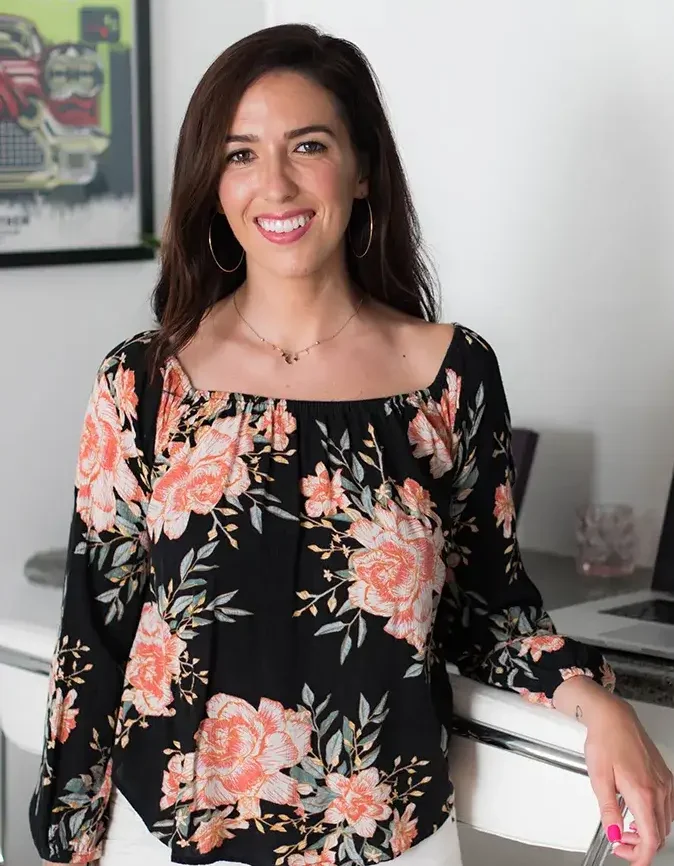
Sophia Vale Galano is a licensed marriage and family therapist, author, and advocate for teen mental health. She specializes in helping adolescents and their families navigate anxiety, depression, self-harm, and other challenges with compassion, practical strategies, and evidence-based approaches. Sophia is the author of Calming Teenage Anxiety, a guide for parents to foster communication, resilience, and emotional safety in their teens. She also incorporates holistic tools like coaching, mentorship, and energy work to support teens who might resist traditional therapy. Sophia empowers parents to create meaningful connections while maintaining healthy boundaries and hope.
Community is everything!
Join our community Facebook groups:
Takeaways from the show
- Support teens anxiety with steady loving presence
- Encourage openness without rushing to solutions
- Keep mental health talks short and frequent
- Recognize resilience beneath discouragement and fear
- Guide reluctant teens toward therapy or help
- Balance empathy firm limits and clear expectations
- Consider alternative supports alongside professional therapy
- Prioritize prevention connection and early conversations
Joyful Courage means showing up and being brave while maintaining hope and optimism, all while staying completely real. Having a teen with anxiety is hard and painful, and there’s no sugar-coating it. Joyful courage is about embracing resilience and bravery in the midst of difficult parenting challenges, navigating those tough waters with honesty, empathy, and steadfast optimism. It’s about facing the reality of the situation with courage, but also finding hope and maintaining connection with your teen.
Resources:
Sophia’s website: https://sophiagalano.com/
Instagram: @sofiavale_galano
Get Sophia’s book: https://sophiagalano.com/book/
We are here for you
Join the email list
Join our email list! Joyful Courage is so much more than a podcast! Joyful Courage is the adolescent brand here at Sproutable. We bring support and community to parents of tweens and teens. Not a parent of a teen or tween? No worries, click on the button to sign up to the email list specifically cultivated for you: Preschool, school-aged, nannies, and teachers. We are here for everyone who loves and cares for children.
I'm in!Classes & coaching
I know that you love listening every week AND I want to encourage you to dig deeper into the learning with me, INVEST in your parenting journey. Casey O'Roarty, the Joyful Courage podcast host, offers classes and private coaching. See our current offerings.
Transcription
[00:00:00] Casey O'Roarty: Welcome, welcome, welcome to the Joyful Courage Podcast. This is a place where parents of tweens and teens come to find inspiration, information, and encouragement. In the messy terrain of adolescents, this season of parenting is no joke. And while the details of what we're all moving through might be slightly different, we are indeed having a very collective experience.
[00:00:30] This is a space where we center building, relationship, nurturing life skills, and leaning into our own personal growth and man. The opportunities abound, right. My name is Casey Ody. I am a parent coach, positive discipline lead trainer, and captain of the adolescent ship over at Sprout Bowl. I'm also a speaker and a published author.
[00:00:53] I've been working with parents and families for over 20 years and continue to navigate my own experience of being a mom with my two young adult kids. So honored that you're here and listening, please give back to the podcast by sharing it with friends or on social media rate. And review us on Apple or Spotify.
[00:01:13] Word of mouth is how we grow. Thank you so, so much. Enjoy the show.
[00:01:23] Hey everybody. Welcome back to the podcast. My guest today is Sophia Vail Guano. Sophia was born in Los Angeles, raised in London, and holds a master's degree in social work from New York University. Sophia earned her LCSW in 2018 and has a thriving therapy practice catering to adults and teenagers throughout California.
[00:01:48] Additionally, Sophia has extensive experience working as a therapist in residential, inpatient, outpatient, medical and educational settings for both adolescents and adults. In conjunction with running a private practice, Sophia supervises associate therapists. And she has a new book coming out, calming Teenage Anxiety.
[00:02:09] In addition to her work as a therapist, Sophia is a certified yoga instructor, mastery Reiki practitioner, and volunteers for several nonprofit organizations. After achieving her license in clinical social work, she completed a sex therapy certification from California Institute of Integral Studies, an animal assisted therapy certification from Animal Behavior Institute, and a forensic social work certification from the National Organization of Forensic.
[00:02:38] Social work. Sophia, you have been busy girl. Oh my gosh. It's a mouthful, right? To read all of that. Yes. Yes. I'm so glad that you're here. Welcome to the podcast.
[00:02:49] Sophia Vale Galano: Thank you so much, Casey. I'm very excited to be here and I'm super grateful to chat.
[00:02:54] Casey O'Roarty: Yes. Well, I wanna start by just saying thank you for your service.
[00:02:58] I work with so many parents, you know, parents of teenagers are my people, and the conversation around finding good support for their kiddos is real. So what drew you to working with teens? What made it you willing?
[00:03:15] Sophia Vale Galano: Well, first of all, I started working with teens from the beginning of graduate school, so I always loved that population.
[00:03:22] I found it, first of all, really exciting and fun population to work with. Mm-hmm. Every day was different. There was never a dull moment to say the least. Um, but moreover, I felt that teens were at a really pivotal point in their life where they could really go many different directions, different paths to, to walk down, and I felt.
[00:03:42] That support is really needed for that group. And oftentimes we're lacking support for teenagers and a lot of times certain, certain issues, uh, are commonly disregarded. Uh, for teenagers, it's often kind of brushed aside parents thinking that it's like teen ANGs having moody teenager, when in reality there are bigger issues at.
[00:04:02] Play. Um, so I felt that there was more underneath the surface with working with teens. So I really loved working with teenagers right from the get go. My, my area in terms of working with teenagers, um, with anxiety really began when I, I graduated. I moved back to Los Angeles. I started my private practice and I started giving talks, lectures, workshops for parents of teenagers.
[00:04:30] And I would pick different topics. So I'd go to different schools and you know, I would do topics such as like substance use, depression, technology. And I remember I did a talk specifically on anxiety, and I remember that that talk was. Filled with parents. Mm-hmm. And parents specifically wanted to know how to help teens with anxiety.
[00:04:52] Like what do they say? What do they do? What's contributing to the anxiety? There was just so much unknown around anxiety in particular, and that really. Started this, this whole new venture for me where I really wanted to focus on, on treating teenagers with anxiety and helping, helping the parents.
[00:05:12] Casey O'Roarty: Yeah.
[00:05:13] Well, thank you because I am a parent who had a teen daughter that was caged really by anxiety and I've so tough. Never been anxious. I've never been anxious. I've never. Experienced depression. I'm super extroverted, and here I had this beautiful daughter who leaned towards introversion and which I thought like.
[00:05:36] Oh, great. You're, you're a watcher. I'm like, I, let's, okay, I'll try that. And she was really cautious and a watcher. Mm-hmm. But what I didn't, I didn't realize what I was looking at, that it wasn't caution as much as it was fear and anxiety and it, right. I did not know. I, I had no idea Right. What to do or how to even begin.
[00:06:00] To understand mm-hmm. What she was going through, and I think that's true for a lot of parents. Yeah. And you know, I'm so interested in, so we, in our experience, and I've talked about it on the podcast, she's actually been a guest. She's come on a few different times. My daughter, um, and has been so generous about sharing her story.
[00:06:22] Sophia Vale Galano: Wonderful.
[00:06:22] Casey O'Roarty: We did an adolescent DBT program together, and it was like by the book, right where there was the skills workshop of the caregiver and the teen, and then her personal therapist. And that was what began to turn the ship for her. Fantastic. And I'm so grateful that we had that resource, but we were on a wait list for six months.
[00:06:45] Sophia Vale Galano: Hard. Yeah. You know,
[00:06:46] Casey O'Roarty: there's
[00:06:47] Sophia Vale Galano: a need for it. Yeah. There's a need and, and not that many people are working
[00:06:52] Casey O'Roarty: Yeah. In the
[00:06:52] Sophia Vale Galano: field. Right. We need more, we need more clinicians. And we Do you feel,
[00:06:55] Casey O'Roarty: do you feel like it's a little scary to work with teenagers? Because I notice parent coaches. When I first got into niching into adolescence, I noticed that there weren't a lot at the time.
[00:07:06] There weren't a lot of people because it is so precarious and like you said, there's like on one hand. Team brain development. Mm-hmm. It's happening. Mm-hmm. Like the messiness is a part of the terrain. Mm-hmm. Maturation hap, I had Tina Payne, Bryson on a couple years ago and I, or last year, and she said, listen, Casey, no matter what you do, your children will continue to mature.
[00:07:31] Like that's just happening no matter what. So that's like uplifting, but at the same time, there's so much to miss.
[00:07:41] Sophia Vale Galano: 100, right? 100%. Yeah. It is so easy to miss things. Yeah. And it's so common. And you know, I, I write about this a lot in my book, which is, you know, really for parents, a, to practice compassion and non-judgment because it is so easy to miss the signs.
[00:07:59] Yeah. Like, it's so common for teens to slip through the cracks. Yeah. And oftentimes it's the most well-meaning parents that actually miss the cues. Yeah, it's, it's me. I just thought she was pissed
[00:08:11] Casey O'Roarty: all of a sudden. And I was like, why are you so angry all the time? And I started to recognize, oh, when she's really horrible to me it's typically because she's really worked up and worried and and anxious about something.
[00:08:23] Yeah, there's something, we were at a restaurant. Yeah. We were at a restaurant for her 16th birthday. I remember she was being awful to me. I planned the whole thing. I got everything dialed in. And I was ready to lean in and just be like, how dare you? Yeah. And then all of a sudden it feel that way. Yeah.
[00:08:36] Yeah. And then all of a sudden it occurred to me, I leaned in and I said, are you worried that the whole staff is gonna come out here and sing Happy Birthday to you? And she looked at me with huge eyes and she said. Yes, please. Can you make sure that they don't do that? And I said, you bet. I went to the hostess, I made it clear, and then she was fine.
[00:08:54] How fascinating. Right? But I could have very easily just leaned in on like, what are you being such a little bitch for? This is your birthday. How dare you? You know?
[00:09:02] Sophia Vale Galano: Totally. Which is a valid feeling to have, you know, important to normalize that, you know, for parents to be frustrated and kind of at a loss, you know?
[00:09:10] And it's wonderful that you were able to take a step back and, and look beneath the surface here. 'cause oftentimes, you know, and, and this, you know, I will repeat over and over again to parents and, and people who want to help teenagers in their life that teens are not the expert communicators like they right.
[00:09:27] Surprise. Yeah, I know. It's, and and it's often easy for us to forget that. Right. You know, it's like when we take a step back, when we'd be like, oh yeah, of course a 14-year-old, 15-year-old isn't gonna communicate the same way as a 50-year-old and a 55-year-old. But in the moment, yeah, it's really difficult.
[00:09:42] You know, it's hard to take a step back. So a, a lot of that is, you know, for parents to really, again, have that self-compassion that mm-hmm. You know, if someone has missed the signs and the signals, it's easy to overlook it. And, and I think, you know, to, to go back to your question of, you know, if people are, are kind of put off of working with teens are kind of turned off I think, I think teens are tricky population.
[00:10:06] Again, to go back to that of like. Not expert communicators. Um, as a therapist, sometimes it can be tricky because teens are like in this sort of in-between area where they're not children. So it's not like you're doing play therapy with them. Right. And not adults where, you know, they're, they sometimes don't like, feel the same way about therapy as let's say a 30 year old's coming to therapy.
[00:10:26] You know, or it's like, oh my
[00:10:28] Casey O'Roarty: life I see keep falling into the same pattern. I clearly need help. Yeah, I had, I had, when we were in the dark with my girl, I remember she was seeing this gal and Rowan came home and said, so she said, I can start coming every other week. I was like, uh, you just dropped out of high school.
[00:10:46] You're self-medicating with marijuana. Like, how does that work? And so I went in and I was like, Hey, curious. And she's like, oh, well, blah, blah, blah. I was like, of course she presents well, right? She's not gonna be like, oh yeah, let's go, let's get into what's really hard and scary for me to think and talk about.
[00:11:02] Like, Rowan's not gonna lead the therapist there anyway. Course, yeah, of course. It's so I'll to say thank you, thank you, thank you, thank you. And to everybody who's listening who works with teenagers. We appreciate you.
[00:11:14] Sophia Vale Galano: Yeah. It's a tough population, but incredibly rewarding, let me put it that way. Okay. It's incredibly rewarding.
[00:11:19] So I love, love that this popul.
[00:11:21] Casey O'Roarty: So as you work with the teens and, and work with the parents and in this context of anxiety, what are some of the biggest challenges? That parents are facing when it comes to teen anxiety today. Mm-hmm.
[00:11:32] Sophia Vale Galano: Great question. So to go back to, you know, what you were mentioning a, a few moments ago, Casey is first of all, is the not knowing what's normal, right?
[00:11:41] Versus what's concerning. So oftentimes that's where parents will begin, you know, of, Hey, you know, my teens kind of withdrawing, maybe a little moodier. Is this something that I need to take a closer look at? Is this mm-hmm. Standard for this age? Is this something that's more concerning? So, so to begin, I think there's just often confusion around that.
[00:12:02] Um, and then, you know, the next step to that is not knowing how to communicate with the teen. You know, so oftentimes parents don't know what to say, what not to say, what to do and what not to. Um, there's a lot of conversations going on around, um, in our world about, okay, anxiety is really bad. Mental mental health and mental illnesses at a high with teens, but well, what do we do with that, right?
[00:12:24] How do we actually help? How do we support? If we look, you know, take a closer look. A lot oftentimes parents don't know how to talk to their teen without driving them away. So they want to help, they want to support and oftentimes they don't have the right tools and they wind up kind of pushing the teen farther away, which is just frustrating for both the teen and for the parent.
[00:12:46] You know, it can be very discouraging and, and I often work with parents that are at this point where like they really are coming from a good place, but they just. And they don't know what to do and they feel that their teenagers are living in a very different world today than when they were a teenager, which truthfully, they, they are, you know, there's technology, there's social media, it's a whole different game.
[00:13:07] You know, there's the
[00:13:07] Casey O'Roarty: whole overarching vibe Yes. Of in the adult world. Yes. That is on the main stage and a complete shit show. Yes. Like the adults do not have it. Yeah. Yeah. You know,
[00:13:20] Sophia Vale Galano: and they're living in a different Yeah. World, you know? Yeah. And, and you know, and I, I talked about this at the beginning of my book.
[00:13:26] It's just having, having parents even kind of reflect on what their adolescence might have been like if they were navigating their changes with technology and with social media. Like imagining everything was gonna broadcast for the internet. Oh my God. To see, you know, and, and sometimes that can be actually like a really good place to kind of even start in terms of having compassion, empathy for.
[00:13:44] For a teen. Um, but, but really this is, I would say the biggest challenge. It's just like not knowing where
[00:13:51] Casey O'Roarty: Yeah.
[00:13:52] Sophia Vale Galano: To begin and feeling like they have to learn a new language.
[00:13:54] Casey O'Roarty: Yeah. I remember learning through the db, I mean, I learned so much when we did DBT. I love it. And plus, I love a good workshop. And it was interesting hearing from other people like.
[00:14:05] Well, you just gotta let her know that everybody feels like this. Are you just, and realizing after the fact how dismissive.
[00:14:13] Sophia Vale Galano: Right. Very invalidated Some of the
[00:14:15] Casey O'Roarty: things that I was saying, like get outside, just go do some yoga. Take a walk as if you know.
[00:14:23] Sophia Vale Galano: Yeah.
[00:14:24] Casey O'Roarty: Yeah, I've since made amends we're good.
[00:14:25] Sophia Vale Galano: And you know, here's the thing is that when, when parents say that they mean well.
[00:14:29] Yeah. So oftentimes I work with the teen, when I have a teen that comes to therapy is of often having the teen learn some compassion for their parent. That their parent is coming from a really good place and let's be real. Those are great solutions, you know, going outside, taking a walkthrough. Yes.
[00:14:44] Casey O'Roarty: I even sent a Mel Robins.
[00:14:45] Podcast to my daughter recently thinking that she would be super into it and she's like, yeah, I had to debrief that with my therapist. I was like, oh my gosh, I am so sorry. I honestly. She's like, mom, I don't need to be fixed. And I was like, I
[00:14:58] Sophia Vale Galano: know. Oh my God, I'm sorry. And that is so, it's so wild that you just mentioned that, and you even use that term, you know, and I'm sure we'll talk about this later.
[00:15:08] Mm-hmm. But you know, when, when it comes to, you know, how parents can approach even sitting down and having conversation with our team, keeping in mind that they don't need to be fixed. It's using a, a different style, which, um, yeah. You know, I'm sure we'll get into later, but of keeping that in mind that as parents we want to fix things.
[00:15:26] We don't want to wait for slow gradual change. Yeah. We want to feel better right away. So, um, it also kind of goes against, you know, our inherent instincts as parents here.
[00:15:39] Casey O'Roarty: Yeah. Yeah. And it can feel like a tightrope. Of course. Right. And so how do you, and maybe you, if you address this in the book, how do you support parents in creating balance between, okay, there's normal teen stuff, there's independence, there's privacy.
[00:15:59] Right. It's a, it's developmentally appropriate for our teens to have more space to kind of feel out and, and be in the world. And still keep an eye on that emotional wellbeing. Are there Indic, are there specific indicators or how do you, how do we do this?
[00:16:19] Sophia Vale Galano: Yeah. And this is such a challenging area. Like I, I would say that this is one of the most tricky topics, the trickiest topics are parents today because it's finding that balance.
[00:16:29] Like I love that you used the word tightrope 'cause it really is. Finding this balance between setting boundaries versus setting restrictions. Right.
[00:16:38] Casey O'Roarty: Because those are different. And parents,
[00:16:40] Sophia Vale Galano: yes. You parents hear
[00:16:42] Casey O'Roarty: boundaries and they think rules. And when parents think rules, they think compliance.
[00:16:47] Sophia Vale Galano: Right? 100%.
[00:16:48] That's not 100%.
[00:16:50] Casey O'Roarty: Yeah.
[00:16:50] Sophia Vale Galano: Which again, it's understandable to confuse because it's, it works for my parents. Right, right. And again, like teens are living in a very different world today, so you know, it. Again, natural to be confused, you know, and a lot of my work with parents is, um, is kind of coaching them and encouraging them not to prohibit their teens from, you know, making mistakes or making the wrong decisions.
[00:17:14] And Yeah. You know, I'm, I'm using the word mistakes. I don't even like that word. 'cause I, I prefer, you know, kind of reframing mistakes as more like lessons. Mm-hmm. Opportunities. Yep. Um, you know, a place for learning here, but really. What can happen from prohibiting, um, and setting restrictions, it can just backfire, you know, is that it can push the team farther away when in reality we want the team to, you know, feel safe to come to you and also safe to, to learn themselves to kind of scrape their knees a little bit.
[00:17:43] Mm-hmm. You know, and, and this is where it's also really challenging though, is like. We don't want the opposite where it's like a free for all where the, the team can go and do whatever they want. Right. You know, we want still, you know, healthy boundaries. We want safety net. Um, you know, that can cause just as anxiety as the really prohibited
[00:17:59] Casey O'Roarty: Yeah.
[00:18:00] Sophia Vale Galano: Team here. Um, so, so again, it's a, it's a great question, you know, but what we really. Also want to avoid is rescuing too. Mm-hmm. So, you know, which again, can feel, can go against all of our instincts as a parent. We don't want, you know, our, our child to be heard or to get into trouble. But there are situations where maybe parents can take a step back and say, Hey, is this where I'm, I'm rescuing or enabling that ultimately could lead to more mm-hmm.
[00:18:29] Anxiety. Mm-hmm. Um, you know, just as like, an example here is like, let's say that, you know, a, a teen is in school and. Fails a test and you know, the parent might wanna immediately go and email the teacher and say, Hey, can my, can my kid do a retake or get an extension on an assignment? What is that ultimately doing?
[00:18:47] Casey O'Roarty: Mm-hmm. For the
[00:18:48] Sophia Vale Galano: teenager? Is, is that ultimately helping them? Of course there are emergency situations where it is important for us to. Intervene or rescue. Yeah. If there's severe substance use, suicidal ideation, totally different story. But you know, it's, IM important for parents to take a step back and say like, Hey, is this a time to set a boundaries?
[00:19:06] Is the time to a time to rescue? Is it appropriate? And it's kind of this stance back and
[00:19:11] Casey O'Roarty: forth. Yeah.
[00:19:20] So going back to like keeping an eye on emotional wellbeing, what does that mean to you? Like, what does that look like in the day to day as a parent? Just given the space, and I, the phrase that I love is freedom with structure. Mm-hmm. Right? Mm-hmm. So the freedom is there, the structure is there, and I'm paying attention to my kiddo, not hovering.
[00:19:40] Mm-hmm. But just, mm-hmm. Staying aware and alert. Mm-hmm. What are the emotional wellbeing boxes, for lack of a better word, right. That we can be making sure that we're like, okay, yes, yes, yes. This looks good. I told my daughter, I was like, when you become a bad afterschool special, you got something to do, but you have
[00:19:59] Sophia Vale Galano: a chat.
[00:19:59] Yeah, definitely. And again, this goes back to that kind of what's normal versus what's concerning. So what, what I recommend for parents is to, you know, just monitor. How often and to what extent a teen is feeling anxious or, or feeling depressed, like, you know, 'cause again, some of it. Is standard behavior, so, so just as an example, you know, going back to kind of more of that sort of school academic space is, let's say a teen is feeling anxious or nervous before a math test.
[00:20:30] Okay. Pretty standard. You know, I don't think we need to, you know, call in the authorities or anything. Right. However, let's say that teen. Refuses to go to school every time they have a test
[00:20:41] Casey O'Roarty: or every time is what I just showed you. Yeah, yeah, yeah. Yep. Right.
[00:20:45] Sophia Vale Galano: Or it's impacting their life so much that let's say they're having a panic attack before their exam, or they're throwing up before the exam, or it's impacting, you know, their, there are other classes, you know, so like, we want to kind of check those boxes of.
[00:20:59] Okay, how often is this happening? To what extent? How is it impacting their life? And it's just a place of kind of mindfully observing. That's usually a good place to start for parents. And noticing, again, is it life altering? Are there serious changes in the behavior? Again, you know, some of it is standard.
[00:21:19] Teens are human beings and they're navigating, you know. Uh, Rocky Road in terms of high school, middle school, um, adolescence. So with just of, of noting the effect it has on their life.
[00:21:32] Casey O'Roarty: Yeah. Yeah. Well, and does anxiety tend to come with other bonus? Layers. Like I know at our house it came with depression, right?
[00:21:42] Mm-hmm. And social isolation. Um, definitely. What are some, is that pretty standard
[00:21:48] Sophia Vale Galano: that Absolutely, yes. So, I mean, not, not always. I will say that. Mm-hmm. So sometimes, you know, it really is, you know, a teenager has anxiety and. It manifests in kind of the classic old school ways of feeling, nervous, feeling, feeling panicky, and that's it.
[00:22:03] There's no depression or substance use. However, I always say that, you know, anxiety is best. Friends with depression or anxiety can be best friends with substance use or eating disorders. Like oftentimes they are paired. So that's also something for parents to look out for is, are there other things going on?
[00:22:21] Outside the surface, you know? Yeah. And, and things that again, can be commonly disregarded too, you know? Um, I, I think an area that's, that can be very tricky for parents too. And again, there a whole separate book could be written on this is like when a teenager's very angry too. That is it just, is it just anger?
[00:22:39] Like you were saying, your example, like oftentimes, you know, for teens. Depression actually comes out more kind of as anger. You know, for an adult we'd be like, okay, they're just angry. But for teens, they're, they're depressed. Right. So, um, this goes, again, goes back to your earlier question too of like, you know.
[00:22:56] Why do a lot of people not wanna work with Dean is there's, there's a lot going on underneath the surface. Yes. Gotta pull back the layers and do some puzzle pieces here. So Absolutely. To answer your question, it can come with a lot of other different effects.
[00:23:09] Casey O'Roarty: Yeah. Well, and like you said, their communication skills are limited simply because of lack of experience and skills, not because it's a character flaw.
[00:23:19] Yeah. So trying to read what we're seeing. And make sense of it. Like I said, for us there was, there was this like just this anger. Yes. That was so confusing.
[00:23:32] Sophia Vale Galano: Mm-hmm. It's like, where does it come from? Yeah. And then getting outta my
[00:23:36] Casey O'Roarty: own like. Don't talk to me like that. Like how you, how dare you. You know, I just, we would, my, my sweet husband would just observe my daughter and I just, you know, freshman year Yeah.
[00:23:49] Was a tough year. Yeah. And then sophomore year she did online school before COVID. Mm-hmm. And everything mellowed out. But we took away the main source of her anxiety, which was walking in those high school hallways. Mm-hmm. So she didn't have to be in that tension, which is, you know, an interesting thing for me personally, to look back on and, I mean, there's plenty, right?
[00:24:11] We all can look back and think. Oh shit. I could have done that differently, but maybe not. Maybe that was exactly the right thing for her. Who knows? She's doing great now. Everyone knows that we talk about it. It all works out.
[00:24:21] Sophia Vale Galano: It all works out. Yeah. I you sharing that too? 'cause I think a lot of people were listening are probably in the thick of it.
[00:24:26] Yeah. So it's really very inspiring to hear that, you know, like we work through it and teens can through it and you know, even when people are in the thick of it that there's still hope. Right. Um, so I appreciate you sharing that. Thank
[00:24:38] Casey O'Roarty: you. Well, and I am nothing if not. My poor family. I, I, I asked permission.
[00:24:43] I have permission, but my daughter's like, uh, my whole mental health life is online. I'm like, yeah, you said you. It's okay. I can take it down. I can try. Anyway. Um, and speaking of communication, right, so one of the things that happens during adolescence that can fall under what's normal is. Some pulling away, some shutting down, but then there's the extreme of that.
[00:25:11] Mm-hmm. And also, what is it? I mean, it's hard for me as someone who's always been so verbally expressive and like, oh, you want me to go to therapy? Okay. Talk about myself for an hour. Yes, please do it. Yeah. Super into it. Let's roll around in all the gross, hard stuff. Yes, yes, yes.
[00:25:29] Sophia Vale Galano: Love clients like that.
[00:25:30] Casey O'Roarty: I think I'm an outlier though, Sophia.
[00:25:33] Yes. Yes. I think I'm an outlier. And so then we've got these teenagers and we want, you know, we're being told and we want to nurture their emotional intelligence and their willingness to talk about how they feel. Andre clamped down. Yeah. So how do you encourage teens? To be more open with their feelings and to feel safe to be vulnerable.
[00:25:58] Sophia Vale Galano: Yes, yes. Wonderful question. Again, I really appreciate, you know, parents who are asking this too. You know, it's a definitely a hot, hot topic. So going back to where we were speaking about a few minutes ago is just to keep in mind. As challenging as it is, we don't want to fix. So again, going against all our instincts as parents, we don't want to fix, we want to see to learn.
[00:26:21] So that is a really, really good way to start.
[00:26:24] Casey O'Roarty: Oh wait, I'm gonna pause you right there. So you just said it's not about fixing, it's about learning. Yes. I think that that, I just wanted to stop there 'cause I think that's such a beautiful, subtle. Shift? Mm-hmm. It's not about fixing, it's about learning. And do you mean learning, like learning and understanding what's going on for our kiddos?
[00:26:43] Yes. Okay.
[00:26:44] Sophia Vale Galano: So we want to, we want to employ a very curious and inquisitive.
[00:26:48] Casey O'Roarty: Approach.
[00:26:49] Sophia Vale Galano: So this is where, you know, I, I work a lot with parents in terms of what to say and what, what not to say and how to ask questions. Um, so do you have a handout
[00:26:58] Casey O'Roarty: for that? 'cause that'd be great.
[00:27:00] Sophia Vale Galano: It's all in the book. You should, it's on the book.
[00:27:02] Don't. There's specific example too. Um, you know, but whenever someone is in doubt, uh, a parent is like, okay, I, I feel that there's so much information, I don't even know where to begin. What I usually suggest is ask open-ended questions that are not yes or no
[00:27:18] Casey O'Roarty: questions. Yes. Because yes, curiosity questions, we call those.
[00:27:20] Mm-hmm.
[00:27:21] Sophia Vale Galano: Yes. We want to keep an open dialogue. We want to, to start a conversation, not have it just end very abruptly. Mm-hmm. Um, we want, we want the team to feel. Very listened to and very heard. Um, and this is where we have to remember that the teen is a teen and not an adult. So oftentimes when I bring up this, you know, next suggestion, a lot of parents are like, what are you talking about?
[00:27:44] That's really weird. It feels too casual. But this is where I say we want to lean on organic and natural conversations that are, are in a less. Formal or structured setting. So this is where I recommend parents, you know, don't sit down and say, we're gonna have a conversation about mental health. Mm-hmm.
[00:28:00] And sit across the table from each other and let's talk. Oftentimes it can come up when they're driving their teenager or they're walking a pet, or let's say they, they go out for like ice cream or smoothie or coffee or something. And it's kind of in more of this sort of casual setting, which to an adult might sound.
[00:28:17] Very informal, or that this isn't serious enough. Mm-hmm. But for a teen, it can actually help them feel less like, okay, I'm being fixed. And there's a problem more like, oh, my parent wants to talk to me a little bit more. It's more organic here. Um, so that, those are some, mm-hmm. Starting places for, for parents who want to learn and have that inquisitive approach versus just fix.
[00:28:39] Casey O'Roarty: And then from that place. And there's an assumption there that you've got a kiddo who's willing to talk to you. Yes. So we're gonna talk about listeners. I know you're out there. I know you're like, well, that all sounds well and good. My kid won't even talk to me. Right. We're gonna get there. Hold on. Right.
[00:28:54] But coming back to that kid and that casual, I love that. Mm-hmm. So then what are, so we're learning. How, because I remember being in a situation with my daughter who was like, there is no cure. Mm-hmm. Like, quit acting like there's something I, this is, this is it and this is forever. How dare you act like there's anything else to do.
[00:29:16] Mm-hmm. So how do we talk to our teens? Without giving the messaging around fixing. Mm-hmm. While also in one of my, one thing that I would say to my daughter and that I encourage clients when the moment opens up for it to say is that life doesn't have to be this hard. Mm-hmm. Mm-hmm. Yeah. Um, and that's kind of the opener, like just, and I'm here and I love you and there's resources.
[00:29:46] And I remember saying like, there are people who've done years of school just so they can support mm-hmm. Kids that feel the way that you feel. Yes. I mean, that wasn't all in one conversation or maybe it was, who knows? Um, but like, how do we bridge then into. I'm gathering this information, my child is perhaps generously being willing to open and share.
[00:30:12] Yeah. And then, okay, great. How do we shepherd them towards. Support. Right,
[00:30:21] Sophia Vale Galano: right. Um, and this is again, the, the kind of bulk of my book is like, okay now. Alright, great. Everyone buys Sophia's book on Lincoln sh Thanks Katie. Yeah. Oh, I appreciate that. Yeah. You know, well, and, and what I, what I recommend, first of all, and this often is disregarded, is first of all, to really credit the team for, first of all, sharing with you.
[00:30:41] Yeah.
[00:30:41] Casey O'Roarty: Validating, encouraging and validating them. It's hard
[00:30:44] Sophia Vale Galano: letting them know how much you appreciated. And, and first of all, you can also ask, you know, how can I support? What can I do? I want you to know I'm here for you. Um, which again, also doesn't provide that kind of fix it mentality. Yeah. It's kind of putting it more on them of that kind of curious approach of like, how can I help?
[00:31:02] I want you to know I'm here for you. You know? And, and then comes the, you know, conversation of, you know, how would you feel? About getting some additional support. Um, what do you think that would be like? And then you kind of open up that conversation about, you know, maybe having, having the teen go to therapy counseling.
[00:31:19] Yeah. Um, but you know, what I also suggest is, first of all, not letting that. One conversation be the last of it. Sure. So knowing that it might, that one conversation might just be opening the door, you know, the team might not be ready to get support or continue the conversation, even if it's only a five minute conversation.
[00:31:38] That's wonderful. You know, and, and I talk to parents about this, a lot of not to get discouraged if it's a short conversation. You know, again, opening the door is. Is huge, you know? Yeah. That's a really, really big step. You can revisit it at a later time. You can check in with them again as as, as things come up.
[00:31:56] Um. But what I, I always, always remind parents is also to never force. So yeah. So again, well as if we
[00:32:05] Casey O'Roarty: even can, I mean, hello. That's true. True. That's like the biggest letdown of adolescence is, oh, I actually have no control right over this person. Yeah. I can bribe, I can. Ultimatum I can threaten, but at the end of the day, they're just like, okay, or no thanks.
[00:32:23] Sophia Vale Galano: Right, right. Which we love as, as parents and then also just as humans, human beings, we love, uh, recognizing we don't have control. That's always a Yeah. It's good time. Yeah. But, but yeah. And, and again, you know, having said this, there are certain emergency situation, so I do wanna just put that out there that, you know, what I'm talking about is a little, um, a a little different, you know, so like there are situations where let's say there is, you know.
[00:32:48] Suicidal ideation, severe substance use, right? Where the teen is a danger to self or others. Definitely different story. Like, you know, that's where it's like we don't take this kind of backseat approach right here. Um, so totally different situation if anyone, you know, listening if that's there Yeah. Story.
[00:33:04] But, um, in terms of kind of just communicating and opening up this dialogue, we don't want to force it. So we don't wanna just have this conversation and after five minutes be like, okay, you need to go to therapy. Mm-hmm. Now, and you're starting on Monday, you know, we want mm-hmm. We want to just recognize that it can be a slow and gradual process.
[00:33:21] Um, there are other ways too that I think can, you know, can help, like for parents relating if appropriate, while still maintaining boundaries, that's also a tight rope can be a,
[00:33:30] Casey O'Roarty: mm-hmm.
[00:33:30] Sophia Vale Galano: Be challenging. Um, there are other ways to start a conversation with teens, but overall we just want to remember to keep this door.
[00:33:38] Open, we want to revisit it. Um, and, and also we can ask the team, you know, what they, what they need from us. Yeah. How we can support them. Yeah. Um, just letting them know that we're here.
[00:33:58] Casey O'Roarty: And I wanna remind Ev, so I have people that have, my podcast has been around for 10 years. I've been, I'm an OG on the podcast world, which is awesome. And I mean, if you go back to, you know, 27 15 through about 2022, it was a five year period for us in our family where we were really in the trenches of navigating this mental health.
[00:34:22] And I think what you're saying right now and what I'm trying to illustrate as well, is this is a long road. This is a long road, and they're gonna be okay. And then, and that's okay. There isn't, you know, again, like you said, caveat, if there isn't, you know, suicidal ideation going on or significant self-harm, it it, the urgent, like while yes, urgency also.
[00:34:48] Reign in the urgency. Like be with your kiddo. Right? Right. Write, write it out. Yes. Trust. You know, I had a, I have a kid that dropped outta school in 11th grade and is now a junior at Western Washington University studying biochemistry. So you know, like we don't know how things are going to unfold, but we can influence the unfolding in how we're showing up.
[00:35:11] And that is what I'm really hearing you talk about is just. Being that gentle, but that gentle pressure of I see you and you know, I can't even tell you. It's just the whole like social isolation, never leaving your room. Like it just doesn't look very fun.
[00:35:30] Sophia Vale Galano: Yeah.
[00:35:31] Casey O'Roarty: You know, it's like, this does not look like a fun life, babe.
[00:35:34] You know? And it doesn't. It doesn't have to be this way. I just keep, and it just breaks my heart, you know? And, and I listen to parents who are so exasperated and speaking of that, so I, I, you know, I, this is perfect timing for this conversation and I gave you a little heads up that I was gonna bring us here.
[00:35:52] Yeah. So I recently reached out to my small network because I have clients who I love, who I'm sure are gonna listen to this episode. You know who you are. Um. Who have a kiddo that has struggled, you know, a lot with mental health, with substance misuse, you know, self-harm. There was early days, middle school days, there was some really scary stuff and a stint at inpatient.
[00:36:14] And now again, they're in this place where there is no communication. The relationship is very frayed. And I mean that only in that. The child, the teen has just built this massive wall. Mm-hmm. And you know, and as a coach, we've done all, I mean, we've talked about all the things. We've talked about relationship, we've talked about routines, we've talked about, we've exhausted my box of tools, right?
[00:36:42] Mm-hmm. And so. You mentioned this too, so when it does really truly start to feel like, this feels like a crisis and we do need to come in a little stronger, like what does that even mean? What does that look like?
[00:36:58] Sophia Vale Galano: Yeah. And for parents going through that, you know, uh. A lot of self-compassion, um, that is so, so strenuous.
[00:37:05] It is so hard. So, um, you know, parents who are going through that also, you're not alone. This is really, really common where it's like, Hey, we do need to take a next step here. Yeah. You know, and like, where do we find the, the, the fine line of like, not forcing, but hey, it's getting concerning.
[00:37:22] Casey O'Roarty: So this was kind of forcing, like kind, it's kind of, I mean like, do we send in the.
[00:37:28] The bouncers to, right. I mean, no. And maybe, I don't know. What do you do? Yeah, yeah.
[00:37:34] Sophia Vale Galano: And you know, and again, I, I think there, like, I hate to say, is there time and place for Yeah. You know, um. What we were talking about before is, you know, if a, a teenager saying, you know, Hey, I feel anxious, or, you know, I feel depressed, you know, but obviously no self harm, no suicidal ideation, no substance use, no severe eating disorders, right.
[00:37:53] Et cetera. Some examples that I'm listing, um, do we wanna force them to go to therapy? Is that gonna be effective? Yeah, probably not. But there are
[00:38:01] Casey O'Roarty: some of those boxes that you just mentioned. Yes, I could check for this, for this family. And it's not like, so out of con, I mean, it's like. Somewhat Yes.
[00:38:11] Contained, like they know where she is. Right? You know, she's not missing, but it's still like this. Experience of this is doing, you know, harm. Yeah.
[00:38:22] Sophia Vale Galano: Well, and and also I just wanna say to those parents, what's wonderful is they're getting their own support. 'cause really what I recommend for most parents is the first step is for them to get their own Yeah.
[00:38:31] Support with this. Yeah. Like that is essential. It's a must. Whether it's coaching, counseling, yeah. Group support. Um, you know, they like, they, they benefit from that. Right. So much. 'cause it is, it's. So intense going through this. Right. So intense, you know, in general going through, you know, this with a, a, an anxious teen, but particularly an anxious teen or, um, a depressed teen or a teenager who's not willing to get the support.
[00:38:56] So that's my first recommendation, which sounds like already happening. Mm-hmm. In this case is to get their own support. I would definitely. Emphasize the importance of boundary setting here. That, you know, if the teen is not willing to get support, you know, maybe they're gonna be situations where their parents are going to take a step back in terms of not skewing or not enabling.
[00:39:17] Mm-hmm. Um, you know. Mm-hmm. Entirely different subject in itself. They're, you know, whole different book I'm writing, um, about enabling and rescuing that. Great. Can't wait for
[00:39:26] Casey O'Roarty: that.
[00:39:26] Sophia Vale Galano: But you know what I recommend if all of those boxes are being checked, the parents are not enabling, they're not rescuing, they're setting good boundaries, they're setting healthy limits.
[00:39:36] Um, they're, they're doing everything they can. Is looking into, first of all, different types of support
[00:39:42] Casey O'Roarty: Yeah. For the
[00:39:43] Sophia Vale Galano: teens. Yeah. So some teens are very anti therapy. Mm-hmm. Um, I don't wanna go sit in a room and talk to some old therapist about mm-hmm. My life. They're not gonna get it. It's stupid, et cetera, et cetera.
[00:39:54] Um, so I've had teenagers who come to see me for therapy down the road after they've done coaching, after they've done some sort of mentorship program. Mm-hmm. Or they like, you know, let's say there's a religious or spiritual affiliation, they've done that first. And sometimes that can kind of open the door for them to come to therapy later.
[00:40:12] And it is incredibly effective, incredibly helpful. So I, mm-hmm. I recommend that. Um, if, let's say there are some of those boxes that are being checked that you mentioned, Casey, in terms of, you know, self-harm, suicidal ideation, we do wanna get. Support. Yeah. Um, so what I would recommend for those parents, uh, you know, to start talking and researching to some adolescent therapists and go from there.
[00:40:35] So some adolescent therapists will not see teens who are against coming to say, like, they don't wanna be there. Sure. Some, some therapists will be like, that's not my thing. Some the. Love that. They love, they're like
[00:40:45] Casey O'Roarty: teen whisperers.
[00:40:47] Sophia Vale Galano: Yeah. They love the tough cases. Like, you know, and again, like it's, it's tricky as a therapist because I always say like, you get, as you know, you get what you bring to therapy.
[00:40:56] Mm-hmm. So, you know, if someone's like really wants to do the work, they're gonna see.
[00:41:00] Casey O'Roarty: The results.
[00:41:01] Sophia Vale Galano: Um, someone's like, absolutely not. Eh, are we gonna see the same kinds of results? Maybe not. Um, but I would definitely recommend for these parents to start talking to some professionals, some adolescent psychologists.
[00:41:12] Yeah. Therapists. Um, and go from,
[00:41:13] Casey O'Roarty: yeah. And they feel like there is, like the, the teen is absolutely refusing mm-hmm. To talk to anybody regardless. And I, and I, but I have to also say, side note, I love that you are a reiki master because reiki. Was so powerful for my daughter. Oh, and I actually, I have a good friend who is like other worldly reiki master and Oh, amazing.
[00:41:40] What was so special was, I remember Rowan coming home and saying that Jessica said, I'm just like her. Like Rowan felt so seen in that. That's amazing. You know, parents, I know you might not be familiar with what Reiki is, but it has to do with the chakras. It has to do with energy work. Mm-hmm. And it is so powerful.
[00:41:59] It's so powerful. Yes. But what about like intervention? Is this like, are are interventions a thing that happen with
[00:42:07] Sophia Vale Galano: Yes.
[00:42:07] Casey O'Roarty: Yeah, definitely.
[00:42:08] Sophia Vale Galano: Definitely. So let's say like, just as an example, 'cause obviously I don't want to. Press too much about your clients to mm-hmm. You know, I don't wanna reveal too much about them.
[00:42:17] Sure. But let's say their, their parents, where their teen is struggling with self-harm and substance use. This is where, and it, it is getting to a point where the teen is refusing help. The parents are really concerned. I would. Encourage them to reach out to treatment center and talk to the treatment center about what to do here.
[00:42:32] Mm-hmm. You know, where interventions are appropriate. Do they need to have someone come in and talk to the teenager if it's really severe? Is it something that a teen has taken to a treatment center against their consent? I mean. That is a really complex topic. Yeah. Um, you know, so yeah. Different, a different conversation for a different day.
[00:42:49] But, but do you
[00:42:49] Casey O'Roarty: think intervention, like when there isn't substance use, but just an intervention in the purest sense of like, yes, we're gonna gather the people that love you and let you know what we're seeing and let you know how much we love you and Yeah.
[00:43:01] Sophia Vale Galano: Yes. I mean, of course with a trained
[00:43:02] Casey O'Roarty: person, like, not like Right.
[00:43:03] Sophia Vale Galano: Trained, trained dad,
[00:43:04] Casey O'Roarty: don't be the rally call of this. Right.
[00:43:07] Sophia Vale Galano: And I, I do think it also depends on what's. Going on. Okay. Like, I would never just recommend that, like a blanket statement of like yes or no. I think it's very specific. Sure. Um, but this is where I would encourage the family to consult with the professionals particularly mm-hmm.
[00:43:21] Casey O'Roarty: Around
[00:43:21] Sophia Vale Galano: what's going on with their teenager of what the professionals recommend with their exact, exact case. Um, and if they want to have someone come and chat with the team, if they want to have family members involved. Um, again, I think it really depends on the case, but you know. Mm. I come from this, this stance of it's just not a one size.
[00:43:42] Fits all. Sure. So, you know, to explore lots of different options here and not to be closed off. Yeah. So, you know, if an intervention feels appropriate, then yes, absolutely. Consider that. If it feels that it's, it's not appropriate, that's okay. You know that there's no right or wrong here.
[00:43:58] Casey O'Roarty: Well, I know that I'm totally putting you on the spot too, so I thank you for going here with me.
[00:44:03] I like it. I like it. You know, I feel like there's so many broad strokes that we can take when we're talking about teens and doing podcasts like this, and I just really remember being the parent. With the, what felt like the outlier kid. And I just am always aware of those listeners of mine and those clients of mine that are like, well, yeah, that'd be great if they talk to me, but they don't talk to me.
[00:44:27] Or, that'd be great if you know. So thank you for diving into the
[00:44:32] Sophia Vale Galano: No, of course. Of course. And for, for the parents out there who are going through that, I, just to emphasize this, I'm gonna just gonna stress this over and over again. That even if, if your teen speaks to you for 30 seconds Yeah. About some sort of emotion or some sort of feeling that's massive, you know, and not discouraged that it's gonna be little by little, no, by
[00:44:52] Casey O'Roarty: little.
[00:44:53] Sophia Vale Galano: Yeah. Resistant teen, A teen who's very closed off communicating. Any type of communication is big, you know? So not to overlook it, to still have hope, and, and it's, it's really hard, you know, my heart goes out for those
[00:45:05] Casey O'Roarty: parents. And when you think about those teens, yes, anxiety lives under the surface. And is it also just this like deep.
[00:45:15] Is it, you know, how does, where does safety come in? Because I, I wonder too about just, they're just in this, you know, one of the conversations I had recently with someone was kind of around this, this type of, of situation, and the conversation was like, uh, they just really lack resilience and they're not getting outta their room.
[00:45:34] And, and I, and I had to pause them and say, hold up. Are they lacking in resilience or are they in resilience overdrive because they're in, like when I think about Rowan, she was in such hardcore resilience. She was surviving. Mm-hmm. Without any help. Granted, she was self-medicating. She was, you know, but she was surviving some really dark days.
[00:45:58] Yes. And I think that there is, I think that we can reframe. You know, we all want our kids to have grit and resilience, which is great, but I think we limit that to looking a very certain way.
[00:46:10] Sophia Vale Galano: Yes, yes. Exactly. And this goes back to that, you know, when we're talking about communication, remembering though that a teenager is living a very different life Yeah.
[00:46:18] Than a parent. You know, what resilience looks like to a 15 or 16-year-old can look very different from, you know, even 30 and up, you know? Yeah. Keep that in mind is like the teen is speaking a different language. The teen's kinda living a different mm-hmm. A different language, you know, if, if that makes sense here.
[00:46:35] Yeah. So I really appreciate that you said that, you know, in terms of the teen, the teen still have resilience. It just might be not appearing the way that we would want it
[00:46:46] Casey O'Roarty: too. Yeah, yeah. Because when I think about, I. When I try to imagine the day to day of that depth of discouragement mm-hmm. And anxiety, like I don't even know how.
[00:47:00] Oh yeah. And, and to think about my girl moving through that and other kids that are moving through that and surviving. Right. Like moving through it, I think is
[00:47:10] Sophia Vale Galano: Yes. And this is where that empathy piece comes in. Yeah. You know, parents who are frustrated, discouraged, which again, natural valid feelings, but just remembering.
[00:47:20] You know, what the teen is going through. And, and you know, and again, in my book I, I post these kind of reflective exercises for parents to really be think of themselves in that position of like, what would that have been like? Yeah. You know, navigating that in the day to day, you know, again, it's a different world that teenagers are living, living in.
[00:47:39] We have to have compassion, we have to have empathy, and at the same time, we don't wanna enable, we don't wanna rescue, we don't wanna coddle too much. So again, finding that dance of like, you know, sure. Yeah, we're figuring it out of that, you know, how do we not enable, but how do we have compassion and empathy?
[00:47:53] Casey O'Roarty: Mm-hmm. Mm-hmm. Mm-hmm. Well, and I wanna give you a couple minutes. You've, we've referenced your book. We, I'm telling everybody right now, we're all gonna get copies, so go, go find it. Thank you. Um, but what, is there anything else from your book that you just wanna. Pop in to give people a better understanding of the problem that it solves and the support that it gives.
[00:48:15] Calming teen teenage anxiety is the name of it. What else do you wanna say about it before we wrap up? Uh,
[00:48:21] Sophia Vale Galano: yeah. Something that we, you know, didn't talk about too much today, but is really important is preventative care too. Mm-hmm. So for parents that, let's say their teen isn't in the full-blown crisis, um, it's.
[00:48:33] Still really, really important Yeah. To consider preventative care of, of opening up this dialogue and forming these really good tools of communication before it gets severe.
[00:48:45] Casey O'Roarty: Mm-hmm. You know, and,
[00:48:46] Sophia Vale Galano: and oftentimes too, parents overlook the importance of preventative care. Um, what, how powerful. It is that to, to start these conversations with your teen, um, even if they're, they're in a good place.
[00:48:59] Yeah. Like, it's important to open up that door. So the, in my book, there's a lot of tools on how to do that in an organic way without it feeling too forceful, um, without having a teen say like, why are we talking about this? I'm fine. You know? Mm-hmm. Um, so, so ways to, just, to really solidify the confidence in, in establishing preventative care.
[00:49:17] Um, I also list a number of different resources. Can you, I love how you mentioned Reiki of, you know, in addition to just therapy, coaching, counseling of other resources that can help teens, um, without feeling too, too fixed. Um, like o other kind of healing modalities too. So for parents to also not get discouraged if kind of the traditional methods maybe aren't working.
[00:49:40] Mm-hmm. Um, that there are other options out there.
[00:49:44] Casey O'Roarty: Awesome. Awesome. Well, I always end my interviews with the same question, and that is, what does joyful courage mean to you, Sophia?
[00:49:54] Sophia Vale Galano: I love it. I love it. So when I first, you know, grouped those words together, what came up for me was showing up and being brave.
[00:50:01] Maintaining hope and optimism while still being totally real. Yes. So that's very much my cell is like, you've gotta be real. It is painful. It is hard having a teen with anxiety, like there's no sugar cut in that. So that, and that is true. Resilience and bravery there. Yeah. Navigating those waters.
[00:50:22] Casey O'Roarty: Love that.
[00:50:23] Love that. Where can people find you and follow your work?
[00:50:27] Sophia Vale Galano: Okay, so you can find me on my website, ww dot sophia guano.com. Okay. And I'm also on Instagram, Sophia Veil Guano. Uh, so you can look for me there. And my book is available on Amazon, Barnes and Noble and Penguin Random House.
[00:50:43] Casey O'Roarty: Awesome. Thank you so much for hanging out with me today, Sophia.
[00:50:47] This was super useful. I'm really grateful to have you. Thank you,
[00:50:50] Sophia Vale Galano: Casey. I am so grateful to be here. I'm so grateful for everyone listening and for for everyone who wants to help the teams out there, so thank you.
[00:51:02] Casey O'Roarty: Thank you so much for listening. Thank you to my Sprout partners. Julietta and Alana, thank you Danielle, for supporting with the show notes as well as Chris Mann and the team at Pod Shaper for all the support with getting the show out there and making it sound good. As I mentioned, sharing is caring. If you're willing to pass on this episode to others or take a few minutes to rate and review the show on Apple Podcasts or Spotify, it helps other parents find this useful content.
[00:51:30] Be sure to check out what we have going on for parents. Of kids of all ages and sign up for our newsletter to stay [email protected]. I see you doing all the things. I believe in you. See you next time.