

Eps 654: Don Campbell on Raising Sons
Episode 652
Raising a teenage boy today means navigating contradictory messages about who he’s supposed to be — strong but soft, expressive but not too much. In this episode, I sit down with Don Campbell of Soul Fire Parenting to unpack what teen boys actually need from us: closeness, safe harbor, and parents who model vulnerability. We dig into the power-over parenting trap, the real cost of “tough love,” and why repair matters more than getting every single moment right. Press play.
Guest Bio:
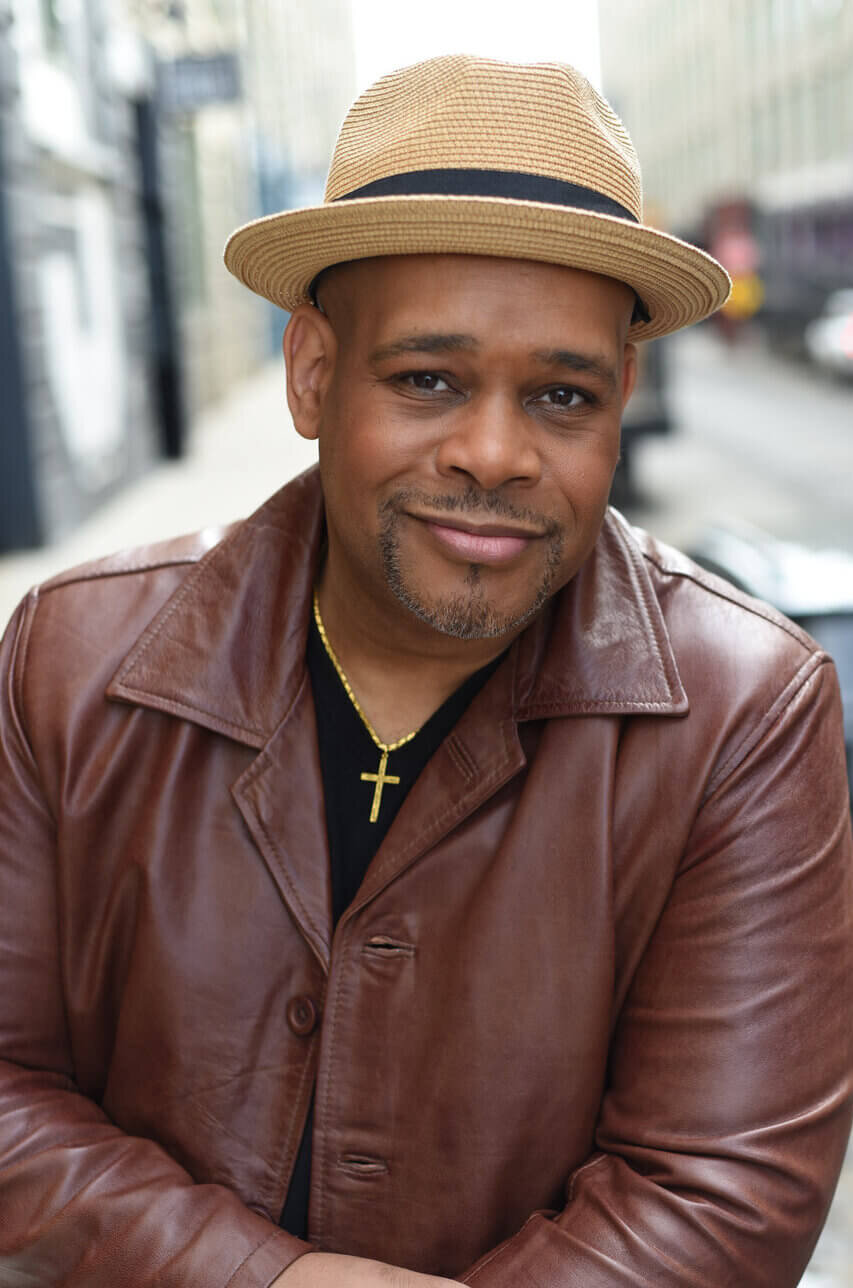
Don Campbell is the founder of Soul Fire Parenting and a master coach with over 26 years of experience in learning and development. He works with parents — many of them clinicians and high-achieving professionals — navigating the tension between demanding careers and the equally demanding work of showing up for their kids. His coaching centers on burnout, emotional regulation, resilience, and dismantling the “power-over” model of parenting that so many of us inherited without realizing it. Don is also a dad of three, including a teenage son and another moving into adolescence soon, so he’s not just speaking from the coaching side — he’s living it.
Community is everything!
Join our community Facebook groups:
Takeaways from the show
- Closeness, not distance, is what teen boys need.
- Soft boys are still strong boys.
- Your teenage son still needs to be hugged.
- Tough love is not the only kind of love.
- Tell him what TO do, not just don’t.
- Be human and flawed in front of them.
- Ask: what went right today? What went wrong?
- Repair the rupture — apologize and own it.
- The story isn’t finished. Start where you are.
- Connection beats consequences every single time.
“What comes to mind when I think of ‘joyful courage’ is actually a verse from the Bible — James 1:2-3. Consider it all joy when things go wrong in your life, because what you experience adds to the growth of your perseverance, the growth of your strength. That’s it. That’s the challenging, engaging, heartbreaking, exciting work of parenting. I’m doing it anyway. I’m doing it afraid, because I know that this effort will make things better.” – Don Campbell
Resources mentioned:
- Don Campbell’s website: soulfireparenting.com
- Don on LinkedIn: Donald Campbell (personal profile)
- Soul Fire Parenting on LinkedIn: company page
- Brené Brown’s TED Talks on vulnerability and shame (referenced in conversation, including the “die on his white horse” story)
We are here for you
Join the email list
Join our email list! Joyful Courage is so much more than a podcast! Joyful Courage is the adolescent brand here at Sproutable. We bring support and community to parents of tweens and teens. Not a parent of a teen or tween? No worries, click on the button to sign up to the email list specifically cultivated for you: Preschool, school-aged, nannies, and teachers. We are here for everyone who loves and cares for children.
I'm in!Classes & coaching
I know that you love listening every week AND I want to encourage you to dig deeper into the learning with me, INVEST in your parenting journey. Casey O'Roarty, the Joyful Courage podcast host, offers classes and private coaching. See our current offerings.
Transcription
[00:00:00] Casey O'Roarty: Welcome, welcome. Welcome to the Joyful Courage Podcast. This is a place where parents of tweens and teens come to find inspiration, information, and encouragement in the messy terrain of adolescence. This season of parenting is no joke, and while the details of what we're all moving through might be slightly different, we are indeed having a very collective experience.
[00:00:30] This is a space where we center building relationship, nurturing life skills, and leaning into our own personal growth, and man, the opportunities abound, right? My name is Casey O'Rourde. I am a parent coach, positive discipline lead trainer, and captain of the adolescent ship over at Sproutable. I'm also a speaker and a published author.
[00:00:53] I've been working with parents and families for over 20 years and continue to navigate my own experience of being a mom with my two young adult kids. I'm so honored that you're here and listening. Please give back to the podcast by sharing it with friends or on social media. Rate and review us on Apple or Spotify.
[00:01:13] Word of mouth is how we grow. Thank you so, so much. Enjoy the show.
[00:01:24] Hi, everybody. Welcome back to the podcast. Today, we are diving into a conversation that I have been so looking forward to, one that feels really timely and honestly, a little tender. If you're raising a teenage boy right now, you know. You know the push and pull of watching someone you love navigate a world that seems to be sending completely contradictory messages about who he's supposed to be.
[00:01:53] Be strong and soft. Lead, don't dominate. Feel your feelings, but not those feelings, not like that. Not right now. There's so much cultural noise around boys and masculinity, and it's complicated, and if you're parenting a boy, you feel that complication inside of your body, managing our own- I know for me, it's managing my own fear, the sense of urgency to get the right messages across, and not, you know, make my kiddo feel like I think he's turning into a douchebag.
[00:02:26] So it's, it's a lot. And so today, I'm really excited to have my guest on, Don Campbell. He is the founder of Soul Fire Parenting and a master coach with over 26 years of experience in learning and development. Don specializes in supporting parents, many of them clinicians and high-achieving professionals, who are navigating the very real tension between- Demanding careers and the equally demanding work of showing up for our kids.
[00:02:55] His work touches on burnout, emotional regulation, resilience, and the power over model of parenting, which is that default towards control and authority that so many of us inherited without even realizing it. Don's also a dad of three kids, one of whom is a teenage boy, and another soon to be, so he's not just speaking from the coaching side of things, but really living in this experience as well.
[00:03:22] So we're gonna talk about what teen boys actually need, what gets in our way as parents, and why the way we show up with our sons right now matters so much more than just getting through the moment. So welcome, Don. I'm so glad to have you on the podcast.
[00:03:36] Don Campbell: No, it's great to be with you, Casey. Thank you for having me.
[00:03:39] Casey O'Roarty: Yeah. Something that really drew me to your work as I was searching around and looking for the voices that I wanted to highlight, is that you made mention of this power over model of parenting, and I am a positive discipline trainer, so we're all about that horizontal relationship model, that authoritative leadership model.
[00:04:02] Can you add to what I've already shared about you, a little bit more of your personal story, and how you kinda came to look at that model and realize there's gotta be something different to be practicing and supporting parents with?
[00:04:18] Don Campbell: Yeah, definitely. I, I guess I should start probably with my own teenage years, that, that experience growing up, and, you know, I, I'm a, I'm a New Yorker, and I grew up in the New York before Times Square is the Times Square that it is right now.
[00:04:30] Mm-hmm. It was a lot grittier, and it was, it was a lot more colorful, and, uh, it was a great upbringing. You know, I grew up in a household with both parents. My brother, I like to refer to my brother as, uh, and, and myself, as one of two only children- Mm-hmm ... 'cause we were that far apart.
[00:04:47] Casey O'Roarty: Mm-hmm.
[00:04:47] Don Campbell: He was about 17 years older than me, and when I hit those teenage years, I was essentially on my own.
[00:04:55] I mean, he was a grown man with a family of his own, and, you know, again, my mom was there, my dad was there. It was an interesting experience in that, uh, back there, back then, you know, the relationships were a little more... I don't know if you've seen Stranger Things, but there's a kind of a fun retrospective, uh, look back on what it was like being parented in, in the '80s- Mm-hmm
[00:05:18] and I guess the '90s to a degree. And that was kind of it. You know, my mom was pretty hands-on, but she was a working mother. I had a very close relationship with her, and it was very important to her that I had that relationship. It was important that we had that connection. Uh, and the way that she parented was supportive of that.
[00:05:36] She, she, she was intentional with what she did and how she did it. Mm-hmm. Whereas my father, he was- He was there all the time, and by that I mean he was there all the time. He actually worked from home. He had a, he had his own, uh, a consulting agency and, you know, so he was there every day when I got home from school.
[00:05:55] But w- there were, there were a lot of differences. Mine was the house that everybody came to 'cause there was always a parent there, except that my dad was standoffish. He was, he was kind of- Mm-hmm ... at arm's length, and as an older man, uh, who, I mean, I think I was, I was born, he was the year he turned 45. So by that point I think he kind of looked at parenting the way a lot of dads did.
[00:06:18] You know, Ted Wheeler again from Stranger Things, it was just like it's, it's, it's a thing that moms do.
[00:06:23] Casey O'Roarty: Mm-hmm.
[00:06:23] Don Campbell: And though he was, you know, he was good to me, he, he, he never hurt me or anything like that, I used to think of him as kind of the closest neighbor I ever had because he tended to be somewhat distant.
[00:06:35] Casey O'Roarty: Mm-hmm.
[00:06:37] Don Campbell: And yet even with that, I learned at a young age it looked very different from many of my friends who grew up in households with parents who were very authoritarian, and it was, it was difficult to watch. You know, I'd, I'd be in school and friends of mine would get a 94 on a math test, something I dreamed to do every now and then, and sit there sobbing tears.
[00:07:02] I mean, you know, whole hubcaps coming down th- their cheeks. What in the world happened? I got a 94. I'm like, "Well, why are you crying? That's, that's awesome." My dad's gonna kill me.
[00:07:10] Casey O'Roarty: Mm-hmm.
[00:07:11] Don Campbell: And that was tough because they, they meant that. They were serious. It was going to be a, a problem that they're bringing home something six points shy of 100 on a math test.
[00:07:21] And that was just a terrible way to live, and I realized as I got older that that was a lot more common than I thought, and even as a child I, I, I couldn't relate to that. That wasn't something that I experienced. And for, you know, households, you know, obviously I, I grew up in a in a whole house and I had Mom and Dad there, brother gone, but- You know, he's still my brother.
[00:07:42] It was not uncommon for friends and even other family members to reflect somewhat poorly on their childhood growing up in a minority household where- Mm-hmm ... there was a very strong sense of, you know, you do as, do as I say. You know, you, you speak when you're spoken to. You know, it's, it's I'm gonna threaten you to get you to do what I want you to do, and there isn't a lot of teaching, there's not a lot of learning.
[00:08:04] It's just you're gonna do what I, what I tell you to do. And of course, that puts you in a position where on your 18th birthday, you are ready to do and be all the things that an adult should do and be. Mm-hmm. And we know that's not- Followed by- ... how it works. Right.
[00:08:17] Casey O'Roarty: Yeah.
[00:08:17] Don Campbell: So, um, for me, I had the fortune of growing up in a household where that didn't occur.
[00:08:23] Mm-hmm. And that informed as much about my, sort of my connection, my attraction to positive parenting, right? To, to peaceful parenting, living with an intention in your parenting, doing it, doing it with a purpose, as anything else. Very quickly, I would add to that, that my two older children, my, uh, daughter, who's 17, and a junior in high school, and her next...
[00:08:49] her first younger brother, who is turning 16 in the fall, he's a sophomore in high school. They, up until just about 10 years ago, were living with their mother exclusively, who was very authoritarian and harsh. Mm-hmm. And since it wasn't the way that I grew up, it wasn't what I would do. So they got essentially two different upbringings.
[00:09:10] Casey O'Roarty: Mm-hmm.
[00:09:10] Don Campbell: And then they came to live with me. She actually passed away in June of 2016. So when that happened, it was a culture shock for them in a, in a number of different ways. But it was also re-parenting for me.
[00:09:24] Casey O'Roarty: Mm-hmm.
[00:09:24] Don Campbell: And right around that time, it started to become clear to me how necessary it was, and I wanted to get it right.
[00:09:29] I wanted to be good at it. Yeah. And, um, that in an odd way, drove me to do this- Mm-hmm ... to, to really narrow my coaching focus to working with parents.
[00:09:39] Casey O'Roarty: Yeah. Had you been doing some coaching work prior to that?
[00:09:43] Don Campbell: I had, yeah. I, I had spent a lot of time in different roles where coaching was a piece of the work- Right
[00:09:48] but not all of it.
[00:09:49] Casey O'Roarty: Yeah.
[00:09:50] Don Campbell: Starting back in 2005. Um, and at that time, it actually was, uh, operations in a banking setting- Mm-hmm ... and leadership, both leadership training and leadership coaching- Mm-hmm ... which I fell in love with.
[00:10:02] Casey O'Roarty: Mm-hmm.
[00:10:02] Don Campbell: And subsequent roles in, sort of in the healthcare space- Yeah ... really had coaching at the center of the work, the center of the impact, uh, that I would have.
[00:10:11] But- It wasn't until I started about nine years ago, where I was coaching full-time, I was working with parents full-time
[00:10:20] Casey O'Roarty: Mm-hmm,
[00:10:20] Don Campbell: mm-hmm ... and I have loved it. I've, I've often said that it chose me.
[00:10:23] Casey O'Roarty: Yeah.
[00:10:24] Don Campbell: Isn't that how it works all the time? Yeah. Isn't it just one of those things?
[00:10:27] Casey O'Roarty: Yeah, just kinda like, "What else would I be doing other than what I'm doing?"
[00:10:30] Absolutely. Right? Yes. Yes. Well, I'm glad that you were a yes to that, 'cause the world, I think, needs more men talking about parenting and emotional intelligence, and, you know, vulnerable connections with our kids. I think the world needs, you know, more people of color doing that- Right ... as well, and just a diversity of voices talking about our experiences.
[00:10:53] So thank you for that. Mm. I'm a Gen X-er, right? Raised in the '80s, absolutely came of age in the '80s and very early '90s, and similar when you were talking about, uh, your kid's mom and the harshness, like, lived in a household where there was a big pendulum swing between deeply loving, affectionate, connected, into highly dysregulated, disconnected, painful, right?
[00:11:26] And swore this was never gonna be a way that I was gonna show up for my kids. And then here's that three-year-old right in front of me, and I talk about it like, wow, it was like, it was like the yellow brick road just laid out in front of me, beckoning me, "Lose your shit."
[00:11:47] Don Campbell: Yeah.
[00:11:47] Casey O'Roarty: Right? Just release and le- Yeah
[00:11:50] I mean, it was such a strong invitation in the moment. Mm. It took me by such surprise, you know, and I got caught up in it a, a couple of times, but it also provided me with such big compassion- Mm ... for my parent, because I'm a little bit more aware and a little bit more removed, and still feeling this pull.
[00:12:15] She must, you know, in, in her experience in the '80s, it was a different time. What was that like for her? I mean, it just... Yeah, making that choice to let go of this power over model that feels like it gives us something to hold onto. Like, I'm noticing right now in my parenting circles, in my, in my client circles, for whatever reason this week in particular, consequences are, like, the beginning of every conversation.
[00:12:47] And, you know, conse- logical consequences are a tool in the toolbox, but they should be at the bottom- Yeah, I agree ... of the toolbox. There's so many ways of being and, and strate- not even strategies, I hate using that word, but relational- Tools that are more effective and helpful, and blah, blah, blah. Anyway, so it's, it is interesting because when we feel out of control, it's really hard not to feel like we aren't, you know, quote, doing something, when what we've held over time and what's model...
[00:13:20] I mean, look at the world right now. Yeah. Punishment and conse- consequences and, and rewards are on display. Yeah. And also being shown, like, how's that working out for you? Exactly. World governments? Anyway- Right ... we won't go down that rabbit hole. Yeah. But, um, just have to say that. So yeah, we're in this cultural moment, and there has been a shift.
[00:13:40] I mean- Yeah ... sometimes I feel like, oh yeah, everybody gets this relationship-centered approach. Everybody's, you know, everybody's tuned into gentle or positive parenting. But then I lift up and out of my own little bubble, and I realize- Yeah ... oh, actually, that's not really true. But there is this shift, and there's all these other cultural things that are happening, social media messaging, and conversations around gender and equality, and the political climate.
[00:14:11] What do you think that teen boys are actually absorbing today? What are you hearing from your own boy and from clients? What messages are landing? I think
[00:14:20] Don Campbell: that's the problem. That's a
[00:14:20] Casey O'Roarty: terrifying question.
[00:14:22] Don Campbell: Yeah. Y- y- yeah, I'm s- I'm sitting here thinking to myself, "There's, there's no way to answer this question except to, to, to answer this question," and it's everything.
[00:14:30] Yeah. They're hearing everything. They're getting all of it- Yeah ... because it's coming from everywhere, and, and that's the thing. Teen boys, and in fact, I think about my son, right? Neither one of my two older children, in fact, I guess the little guy's about to turn 10, he and his siblings do not have access to social media.
[00:14:47] And
[00:14:47] Casey O'Roarty: I mean- Oh, you're the best parent already, Don. Good job. Oh, my gosh.
[00:14:53] Don Campbell: It's hard. It's, you know-
[00:14:56] Casey O'Roarty: Yeah ...
[00:14:57] Don Campbell: they want it, and at this point, 17 and 16, you know, 15 going on 16, they're, they're in the ballpark where it's probably something that I would love to put in front, in front of them a little bit because it's the world.
[00:15:09] I mean, it is the world. Yeah. Sure. It's, it's, it's, it's what it is, and I'm not gonna be able to keep the training wheels on for too much longer, on one hand.
[00:15:18] Casey O'Roarty: Mm-hmm.
[00:15:18] Don Campbell: On the other hand, I said it to my son a few hours ago, I said, "I would sooner give you access to Instagram or Facebook or whatever it is that you wanna have access to before your sister."
[00:15:30] And that is as much about what I believe is happening for young ladies- as it is about her. It- it's as much a sort of a, an indictment on what we see in society today more broadly as it is about what I know about my daughter. I, I know she's a, she's an empath. She's a super sensitive, beautiful, loving, amazing friend who has ADHD, and for that, and it's separate from that, but for that, I have to be aware of her unique needs and- Yeah
[00:16:01] and, and address them, um, thoughtfully, right? Mm-hmm. It's not different for her brother, who though he has not been diagnosed with ADHD probably does have it. Mm-hmm. And separate from that, he's a young man growing up in 20- 21st century America, in 2026 New York, and, you know, he has... He's going to high school, you know, he's a brilliant kid, very capable, but he's exposed to things that, that are rough.
[00:16:24] I mean, there's stuff that you see, just the evening news is bad enough a lot- Yeah ... a lot of the time. Yeah. And to say, "Here, let me give you some more to worry about," just doesn't even seem fair. It- it's- Yeah ... it's when, it's when you know and you're doing with intention, uh, what needs to be done as, as a parent that these things actually b- become very difficult because it's, it's...
[00:16:46] I've said for so many years every once in a while when it comes to, to actually doing the job-
[00:16:51] Casey O'Roarty: Mm ...
[00:16:52] Don Campbell: it was one of those big decisions with your children where there's an absolute right and there's an absolute wrong, and they're obvious. Like, you're not gonna hand your four-year-old keys to your car, right?
[00:17:01] Right. Yeah. "H- hey, why don't you run up the block for me, grab me some stuff from the store." That's not gonna happen. You might not do that with your 24-year-old, though, and a lot depends on the individual.
[00:17:10] Casey O'Roarty: Right.
[00:17:11] Don Campbell: For what I understand to be happening today, what the, the stuff I've seen and, and the conversations with him, and even a few of my son's friends, it's clear to me that most of the time the questions are gonna yield answers where your, your decision is kind of 51/49.
[00:17:27] You know, it's, it's not clean.
[00:17:28] Casey O'Roarty: Yeah.
[00:17:28] Don Campbell: And you hope you made the right decision.
[00:17:30] Casey O'Roarty: Yeah.
[00:17:30] Don Campbell: Um, and you don't learn until you, until you do. But I think that for that, when we think about what you base the decision on, it's gotta be where messaging is coming from.
[00:17:42] Casey O'Roarty: Mm-hmm.
[00:17:43] Don Campbell: And I think that for what I have seen and what I've...
[00:17:46] I mean, just my, the parents I've worked with alone, there's so much hesitation about access. There's so much hesitation around giving them more access. There's just a fear of what's, what's available. Mm. And so, l- like, like I have, uh, many of them are resorting to, "No, you can't have it."
[00:18:05] Casey O'Roarty: Yeah.
[00:18:05] Don Campbell: It's not even training wheels.
[00:18:06] It's, "No, you can't have
[00:18:08] Casey O'Roarty: it." Yeah.
[00:18:09] Don Campbell: And I am fearful of some of the things that are happening. I think that a large portion of what- Especially teenage boys are getting around what's appropriate
[00:18:20] Casey O'Roarty: Mm-hmm ...
[00:18:21] Don Campbell: is- What's
[00:18:21] Casey O'Roarty: normal?
[00:18:22] Don Campbell: Or what- And h- what's normal- What's been normalized ... what's standard- Mm-hmm ... what's acceptable, right?
[00:18:26] Casey O'Roarty: Mm-hmm.
[00:18:26] Don Campbell: It's from, it's from other teenage boys. Mm. And they're getting it from the guys that are raising them.
[00:18:32] Casey O'Roarty: Mm-hmm. You
[00:18:32] Don Campbell: know, their village. Mm-hmm. Did a class once where a father stood up in the middle of the session and says to me, "You know, I have five children of my own, but I really have 10." And I, I had to laugh when, when I said, when, and I heard him say it, I, I knew exactly what he meant.
[00:18:44] Kind of, you know, a, a little hyperbole in a sense, but you know, mom turned and looked at him and said, "What are you saying?" As if to say, you know, he's got five on the side type of thing. And, um, I said, "You wanna explain to her what you mean before you get thrown out of here?" And everybody laughed, but he of course explained he recognized that for each child that he's got, that child has at least one really, really close friend-
[00:19:06] Casey O'Roarty: Mm
[00:19:07] Don Campbell: who's spending a lot of time around her or him, and the messaging that that close friend receives is coming from him through that child.
[00:19:15] Casey O'Roarty: Mm-hmm. Mm-hmm.
[00:19:15] Don Campbell: So he's gotta be intentional, he's gotta be careful.
[00:19:17] Casey O'Roarty: Yeah.
[00:19:18] Don Campbell: He's gotta be conscious of the language that he uses and the way he parents and, and just the, the energy that he has around his children because it's gonna be filtered down to other folks as well.
[00:19:26] Casey O'Roarty: Sure.
[00:19:26] Don Campbell: That I think is a big piece of what's happening, is that sort of the unintentional parenting or the off the cuff, off, you know, sort of on the fly- Mm-hmm ... approach to parenting is hurting not just the kids in certain households, but the kids that they spend time with.
[00:19:40] Casey O'Roarty: Mm-hmm.
[00:19:40] Don Campbell: So that's one piece. I think the next piece is obviously we're talking about social media.
[00:19:45] There's a lot of stuff that's out there that's intended specifically to manage and maintain, or you could even say co-opt a child's attention, right? Right. Absolutely. Build like they just- All of us,
[00:19:55] Casey O'Roarty: all of our
[00:19:55] Don Campbell: attention. Exactly. And the rest of us as well, right? Yeah. Yeah. We're talking about children.
[00:19:59] Yeah. It's, it's me too. And that's fine except when a child's mind is not in a place to, to know and, and mitigate that, solve for that, that's on us. Mm-hmm. And if we're not doing that, then in addition to just doing the child a disservice, I believe that we could actually be causing real harm. And I can't expect, uh, the, the, the owners and operators of these companies to concern themselves with what my children are experiencing when I'm responsible for them and, and they're not.
[00:20:29] Yeah. So realistically I think we have to, we have to be mindful of, of what's there to be seen and make determinations around, you know, how much of that we want to expose our children to.
[00:20:39] Casey O'Roarty: Mm-hmm.
[00:20:40] Don Campbell: But that's where they're hearing a lot of it from.
[00:20:52] Casey O'Roarty: Yeah. I, you know, it's interest- so my son is 20. Mm. He's a sophomore in college, and we're- Mm-hmm ... very close. And, uh, if I could go back in time, John-
[00:21:04] Don Campbell: Yeah ...
[00:21:04] Casey O'Roarty: those phones, that social media. You know, I also have a daughter who's 23 and, and just like you were saying, I absolutely believe that- Her access to social media made some really big wounds that she had to navigate.
[00:21:19] So anyway, my son is studying business, and my son is 6'4", good-looking, really athletic, and can talk to anybody, can walk into a room. And, you know, I, I, I comment to him about, you know, "You have a lot of unconscious competence. Like, you don't realize what's easy for you, 'cause it's easy for you, and you're going into this field where you could have a lot of opportunity to really screw some people over for your own benefit."
[00:21:50] Don Campbell: Yeah.
[00:21:50] Casey O'Roarty: You know? "And you're at the top of the ladder, dude. You know- Mm-hmm ... you gotta make sure that you're making room, and looking back, and providing opportunity." And, and I f- you know, that's not all one conversation, right? I'm having these... And then finally, he was home over Christmas, I said, "Gosh, do you feel like, do you feel like I'm really worried that you're just gonna become a huge asshole?"
[00:22:11] And he's like, "Yeah, a little bit, Mom." So I also get to remember, you know, this is a kid who's been raised in a household where, you know, kindness is really centered, and paying attent- you know, he's not gonna just magically turn into somebody.
[00:22:26] Don Campbell: Right.
[00:22:26] Casey O'Roarty: And I'm very aware of the models that have really big stages right now- Yeah
[00:22:34] and the messaging of, you know, how to treat women, the porn situation- Mm ... and what sexual relationship looks like, and, and these kids coming into a, a, you know, coming into that, and it's like the thrill of holding hands isn't even a thing anymore, because they just- No ... skip that. And so anyway, but just to say, and then when I hear from parents, like, "Well, my boy, my son, he just doesn't like to talk," or, "He just, you know, doesn't wanna talk about their emotions."
[00:23:04] And there's this, like, persistent narrative, and not only about boys, but men in general, so I'm glad to be talking to a man- Yeah. ... that boys just don't have feelings, or that they feel them, they don't know what to do with them, or they're not, you know... It's, ugh. And so in your experience of coaching families, what is happening emotionally for teen boys, and where does the experience get misread?
[00:23:28] Because I think also what'll happen is, "Oh, he doesn't like talking about how he feels, so I just won't go there anymore." Mm. And I don't think that that's the solution. There's some scaffolding we can do. What are you noticing?
[00:23:42] Don Campbell: I think that part of what we are starting to see more now- And it's probably always been there, but I think what's starting to happen is in perhaps an unpopular opinion, though, though maybe not, I think that one of the things that we're struggling with for, for teenage boys is the...
[00:24:01] separate from intentional messaging, is messaging from other boys, right? It, it, it, men need to be delivering messages that young men need to hear.
[00:24:08] Casey O'Roarty: Mm-hmm.
[00:24:08] Don Campbell: I think that's not happening as much as it needs to. I think back, you know, think again growing up, right? There were, there were guys that you could talk to.
[00:24:17] And even if these were not men in your household, there was a guy that you could talk to. Yeah. And, you know, he'd give you guidance. He'd give you some wisdom. That may not be happening as much anymore, either because those guys, sort of those replacement fathers, right? Mm-hmm. Um, are not as accessible as they used to be.
[00:24:37] Or because separate from access, those guys are now adults. They were, they were kids then and they are adults now, and they didn't get it then, so they cannot give it now.
[00:24:50] Casey O'Roarty: Mm-hmm.
[00:24:50] Don Campbell: So you're dealing with now this generation of young men who in addition to perhaps not having as much access to the kind of guidance and the kind of support that they need, they're sort of figuring it out on their own.
[00:25:05] Casey O'Roarty: Yeah.
[00:25:06] Don Campbell: And that's bad. But I think what, what sometimes is worse is that, again, getting it from other boys, it's, um, creating a, a vacuum that if we're not careful means that the boys end up raising themselves. And that I think is a separate component to this. Almost a sense that I need my boys to be the minds of some parents and a lot of, a lot of fathers, Casey, to be honest with you, that I've spoken with, need my boys to be independent.
[00:25:34] I need them to understand. You know, they, they, they're gonna have to, to, uh, solve for this. They... This, this is a rough world out there. Can't baby these kids, you know? Yes. They need to understand that this is appropriate and that's not. Mm-hmm. And so we're gonna let them, we're gonna give them some tough love, and-
[00:25:49] Casey O'Roarty: Yeah
[00:25:50] Don Campbell: tough love is, you know, corner of the realm, right? Right. That's, that's how you, that's how you solve problems in the household. You give your boys tough love. And I said, "Well, what about your daughters? W- what about the girls?" "Oh, I would handle them differently." I'm like, "Why?"
[00:26:03] Casey O'Roarty: Mm-hmm.
[00:26:04] Don Campbell: Do your boys not need to know love?
[00:26:07] Casey O'Roarty: Mm-hmm.
[00:26:08] Don Campbell: And that's sometimes an offensive question, but there's that fear, right? There's that how much, how much love am I giving my boy that he needs versus too much and it's, and he's, he's soft. I'm creating a soft boy. Right. 'Cause
[00:26:20] Casey O'Roarty: that's
[00:26:21] Don Campbell: such a big deal for men especially. I can't have soft boys.
[00:26:25] Casey O'Roarty: Yeah.
[00:26:25] Don Campbell: My boys need to be strong.
[00:26:27] And that's another pr- between... Listen, between so many of the concerns around messaging in society, as you mentioned a little while ago, messaging even in politics, right? The, the, the social discourse is minimizing the presence of some- boys. Mm-hmm. Mm-hmm All right? It's, it's, it's villainizing boys, almost making who they are criminal, and-
[00:26:49] Casey O'Roarty: Right
[00:26:49] Don Campbell: that's dangerous. It's- Yeah ... it's harmful. It's, it's, it's destroying them. It doesn't make
[00:26:55] Casey O'Roarty: anyone safe. Like-
[00:26:56] Don Campbell: No, it does not ... you know. You, you have children rai- being raised to not feel safe in their own bodies. That's, that's horrible, and it's very real.
[00:27:03] Casey O'Roarty: Yeah.
[00:27:03] Don Campbell: So when we, when we're talking about what boys need, like what do- Mm-hmm
[00:27:11] boys need, boys need to, to know that they, they can say what they need to say. They can, they can express freely.
[00:27:18] Casey O'Roarty: Mm-hmm.
[00:27:18] Don Campbell: They can feel-
[00:27:20] Casey O'Roarty: Mm-hmm ...
[00:27:21] Don Campbell: and not be, not be criminalized for it. You know, feeling is its own good thing. Like, you can, you can put your words, your feelings into words. You can, you can, you can come up with words to express what's, what's going on inside of you, and you won't be hurt.
[00:27:35] You will not be crucified for it.
[00:27:37] Casey O'Roarty: Mm-hmm.
[00:27:37] Don Campbell: You, you will be heard.
[00:27:39] Casey O'Roarty: Yeah.
[00:27:39] Don Campbell: You'll, you'll, you'll, you'll be okay because there's this person here, there's this, there's this man in your life who, who's showing you that that's a, that's a good thing to do. It's not just that it's okay for you, but perhaps by example, he's, he's showing you this is how men live.
[00:27:56] Casey O'Roarty: Mm-hmm.
[00:27:56] Don Campbell: This is what we do when we get it right. Mm-hmm. This is important for us.
[00:28:00] Casey O'Roarty: Mm-hmm. This is how we handle rejection.
[00:28:03] Don Campbell: That's right.
[00:28:04] Casey O'Roarty: This is how we handle rejection. This is how we handle
[00:28:06] Don Campbell: disappointment. Yeah. Right.
[00:28:07] Casey O'Roarty: Yeah, 'cause it's interesting. Like I said, I have a son and a daughter. Mm-hmm. And with my daughter, she's pretty, you know, quick to tell it like it is, and I worry about her out in the world and being approached, which she is because of, you know, she's gorgeous, and- Mm
[00:28:26] you know, she gets attention. She doesn't like attention. She gets attention, and then I worry about her respon- It's so sad that I have to worry about her response eliciting harassment because the guy can't handle rejection.
[00:28:42] Don Campbell: That's right. Right?
[00:28:42] Casey O'Roarty: That's right. And so we're really doing our daughters a favor as well as, you know, we raise boys who are allowed to feel their feelings and know how to be with them.
[00:28:53] I think about, too, I listened to Brene Brown talk about this. You know, she wrote Being in the Arena, that first... It wasn't her first book, but it was her first TED Talk. And then her second TED Talk, she talks about how a man was in line to have his book, or his wife was in line to have his book written. Do you know what I'm talking...
[00:29:10] Do you know where I'm going with this? I sure do. Yeah. Yeah, and, and he's, she's, you know, kinda looks at him and says hello, and he says, you know, "Why don't you... When are you gonna write a book about us?" or something. And, or he says, "You say that you want us to be vulnerable, and it's not true. You want us to be the knights in shining armor and not to fall off that horse."
[00:29:31] Don Campbell: That's right.
[00:29:32] Casey O'Roarty: And there is something here, too, for the women to really look at what we want and how we're holding space for it. 'Cause I know for me in my own personal experience- You know, I have this, like, step into this space, let's have some really deep, meaningful, emotional conversation Yeah And my partner's like, "Hell no.
[00:29:50] I step into that space- Mm ... and you tell me that I'm wrong." I mean, he doesn't say that exactly, but you know- Mm ... I get to also recognize how I'm holding the space that I'm inviting him into, so. And watching my son too, who was so tender and- Mm ... um, sweet with his friends, and watching the change- Mm ... as he moved into adolescence, where he kinda noticed, even coming home on the bus and saying, "Oh, so I should not talk about the fact that I really like Justin Bieber, 'cause it turns out it's not okay for boys to like Justin Bie- " Like, he came, like literally came home and realized and said that out loud, and it was like, oh.
[00:30:30] Don Campbell: Yeah. It was-
[00:30:30] Casey O'Roarty: How to work against that cultural conditioning and that- Yeah ... that boy code of, you know, quiet and strong, and we're not gonna go too deep. And what you said about landing the lesson, I had a I did a class years ago, and we were talking about looking for solutions- Mm ... as a tool. And he said, "Ugh, okay, this is all great, Casey, but when my son is in front of a judge, the judge- Uh
[00:30:56] isn't gonna be like, "What's gonna be a solution?" And I said, "You're right. And how about we create an environment in our household that is gonna make it less likely that your son ends up in front of a judge?"
[00:31:10] Don Campbell: Right.
[00:31:10] Casey O'Roarty: Right? We don't have to reflect popular culture in our parenting. We don't have to reflect, you know, how it looks in the, quote, real world.
[00:31:20] The real world sucks.
[00:31:22] Don Campbell: Yeah.
[00:31:22] Casey O'Roarty: You know? Yeah. Let's create a space for growth and learning and reflection that feels safe to make mistakes, you know- That's what children- ... before they get out there.
[00:31:30] Don Campbell: Right.
[00:31:31] Casey O'Roarty: Yeah. '
[00:31:31] Don Campbell: Cause it's not, no one's gonna create it for them out there.
[00:31:34] Casey O'Roarty: Yeah. And, and I get, we get, we have this fear, sometimes fear and urgency can really get in the way of connection, and that's kinda what I'm hearing when you talk about those dads who are like, "Well, no, they can't be soft," right?
[00:31:45] "What'll happen to them?" There's this fear, and this idea that every transgression and every mistake is this teaching moment, and we've gotta make it land, and we gotta correct it, and... What do you think this urgency comes from, and, and what do you think it's costing our boys and the parents who are raising them?
[00:32:07] Don Campbell: Well, it's definitely rooted in fear. And, uh, that might not be all that it's rooted in, but it's definitely rooted in fear.
[00:32:14] Casey O'Roarty: Mm-hmm. In
[00:32:14] Don Campbell: the sense that... Well, I, I, I, I can't help but go back to the ways in which masculinity itself has been kind of under attack-
[00:32:27] Casey O'Roarty: Mm-hmm ...
[00:32:27] Don Campbell: over the years, um, maybe in the last 10 years.
[00:32:32] And it's tough because you keep learning about what you're not supposed to do, right? And, and, and it mu- I, I'll tell you, you know, it, it just, it complicates things because very much the way that... And, and obviously as a parent coach, as a parent you know. You can say, "Don't do that," right? Mm-hmm. You can... We- and we do that a lot.
[00:32:51] Here's this thing, I'm telling you don't do it, right? I need you to know not to do it. One of the most important things that we know, if we're doing it well, is that we also say, "Here's what you do," right? Mm-hmm. Walk is different from don't run.
[00:33:03] Casey O'Roarty: Right.
[00:33:04] Don Campbell: So if you do this with a girl, right? Or, or whatever the circumstance is, and perhaps not even hearing it, you just, you just do this thing with a girl that you didn't know was something that could get you into a lot of trouble, you know, and then you get into a lot of trouble.
[00:33:20] That's something that your father never told you because your father never knew. Mm-hmm. Because there was a time, perhaps his childhood, say- Mm-hmm ... when that wasn't true. It didn't happen the same way. Now, I'm not saying that it should have, and I'm, I'm not saying that it wasn't wrong, especially 'cause we know what boys do.
[00:33:36] We grew up at a time- Yeah ... and this is not uncommon, and boys are gonna do what boys do.
[00:33:40] Casey O'Roarty: Well, and as a, as a woman, like- Yeah ... we tolerated a lot. Right. And it was like, "Well, that sucked, but moving on," you know? So-
[00:33:47] Don Campbell: Exactly ...
[00:33:48] Casey O'Roarty: yeah.
[00:33:48] Don Campbell: And that's all it was. And so now we get to this point where, number one, it's not being tolerated as much anymore, and I think that's great- Mm-hmm
[00:33:56] because we've been d- doing a lot of harm to our girls, right? A- and then number two, as a result, boys, young men, are learning that there are things that just are not accepted. What used to be okay is not okay. Mm-hmm. Unfortunately for many of them, they're learning it in a way that's, that's actually very harmful to them as well.
[00:34:16] And it's not... And that's bad. But it's also not being replaced with, "Here's how you be a man," right? Yeah. "Here's how you do this thing."
[00:34:25] Casey O'Roarty: Yeah.
[00:34:26] Don Campbell: That's worse, because i- in effect we're saying, "Who you are is bad."
[00:34:31] Casey O'Roarty: Mm-hmm.
[00:34:32] Don Campbell: And I... What I don't like is that, you know, raising a generation of boys who are effectively being told that they should be ashamed of themselves.
[00:34:40] Mm-hmm. Just, just fundamentally they should just... You're, you're a boy, you should be ashamed of yourself. And I don't think that's the intent- Yeah ... but I think that can be the outcome. It can be the consequence. The fear that we are raising soft boys is its own problem. Uh, I think that that's... It's, it's either raise them hard or raise them soft.
[00:34:59] Right. And as we know about parenting, there's, there's a lot of middle ground there, and we can probably meet somewhere in it. But the idea that- Masculinity itself is a bad thing is a part of the discussion I think that hasn't come up enough.
[00:35:15] Casey O'Roarty: Right.
[00:35:15] Don Campbell: Because end of the day, I agree that there is, there is toxic masculinity.
[00:35:20] Mm-hmm. I, I recognize that, and I've had parents in the past ask me, "Well, is there such a thing as a toxic female? Is there a toxic woman?" I said, "You mean, is there such a thing as toxic femininity?" I said, "Well, yeah, perhaps there is." But the problem with toxic femininity is that it doesn't seem to have been as destructive as toxic masculinity is.
[00:35:38] Yeah. You know? It's just, let's think about what we're talking about. We
[00:35:40] Casey O'Roarty: don't really have that much power to wield that toxicity.
[00:35:42] Don Campbell: That's exactly right, and always has been that way, right? Yeah, yeah. It, it, that's what it is. So when we think about what toxic masculinity is, the, the feeling that a lot of men have is now our masculinity is, is under assault.
[00:35:55] Right. It's under attack. And I'm like, no, it's, it's only under attack if it's toxic.
[00:36:00] Casey O'Roarty: Mm-hmm.
[00:36:00] Don Campbell: I might even be lying to them when I say that. I, I wonder a little bit if masculinity, as sort of a, just a broad identifiable construct is, is actually under attack.
[00:36:11] Casey O'Roarty: Mm. And
[00:36:11] Don Campbell: I think that there's some, there's some debate to be had there when it's not really clear, what does a good man look like?
[00:36:19] Mm-hmm. That's not something that comes up in society. Yeah. We hear a lot about what it looks like when it's bad.
[00:36:24] Casey O'Roarty: Right.
[00:36:24] Don Campbell: Uh, we hear a lot of... Listen, we see everywhere you turn, there's a lot of guidance on how to be a bad man. We, we- Mm-hmm. A
[00:36:32] Casey O'Roarty: lot
[00:36:32] Don Campbell: of modeling ... we
[00:36:33] Casey O'Roarty: see...
[00:36:34] Don Campbell: Oh, yeah, and it's dreadful. It's horrible.
[00:36:36] And it's clear that p- boys are picking up the messaging. There's not a lot of good guidance. There's not a lot of out- especially outside, the broader, the broader messaging-
[00:36:45] Casey O'Roarty: Mm-hmm ...
[00:36:45] Don Campbell: um, in all media, does not show as much anymore what good man looks like. Mm-hmm. That's a problem.
[00:36:54] Casey O'Roarty: Yeah. Well, just another story from my own experience, just wanting so much to land the message of consent and the importance of consent in relationships, and I realized I was overdoing it when that same son of mine said, "Hey, Mom, I'm not gonna rape anybody."
[00:37:14] It's like, "
[00:37:15] Don Campbell: Okay.
[00:37:16] Casey O'Roarty: Thanks." Then
[00:37:17] Don Campbell: we're finished here.
[00:37:18] Casey O'Roarty: Yeah, yeah. Right. Okay, got it. Got the message. Yeah, so I mean, and I think even when we overdo it like that, I think it, you know, coming back to, and what hasn't really been explicitly stated in this conversation, but I think has been a part of everything you're saying, is just the importance of the relationship that we have with our boys and the relationship that we're nurturing with them, and the space that we're holding for them to be in that confusing i- identity-forming place of like, wow, it seems...
[00:37:52] You know, yeah, that toxic masculinity conversation and that- Just really big pendulum swing that is happening. It's just like, why can't humans figure it out without it needing to swing so hard into an extreme? I don't know. There's no answer to that. But- ... like, really feeling like we're inside of that. And when we think about what do boys really need, right?
[00:38:18] So just like we wanna tell our boys what to do versus what not to do, right? Let's focus on when we think about parenting them, 'cause they are... Listen, everyone, as you know, as I say all the time on this podcast, like, teen brain development is wired for mis- mistake making. We make mistakes. Our kids make mistakes.
[00:38:38] Our boys are gonna make mistakes. We always cross our fingers and our toes- Mm ... that they're not mistakes with permanent outcomes.
[00:38:46] Don Campbell: Right.
[00:38:46] Casey O'Roarty: And honestly, rarely are they. Right. But man, do we hold that possibility tight. And so it makes for a tricky space to hold when our boys are getting into mischief. So when you think about what boys need, they need that good model and that safe space, what else comes up for you when you work with people around their relationships with their teen boys?
[00:39:14] Don Campbell: Closeness.
[00:39:16] Casey O'Roarty: Hm.
[00:39:17] Don Campbell: There's a fear of closeness. And, and, you know, Casey, it's, it does, I'm sure it must sound like it's, it's kinda going back to the same thing we, eh, shared a few minutes ago, but I think it's rooted in that. Hm. Need my boys to be bulletproof, and need them to be strong, and you gotta be able to go out there and conquer the world.
[00:39:36] And okay, that's great. But what's lacking, what has become very clear, is boys don't feel like they have an outlet for expression.
[00:39:48] Casey O'Roarty: Mm-hmm.
[00:39:49] Don Campbell: And they don't have harbor. They don't, they don't have a safe harbor. They, they don't have a place they can go and just be.
[00:39:56] Casey O'Roarty: Mm-hmm.
[00:39:57] Don Campbell: All that vulnerability that you referenced Brené Brown's TED Talk on vulnerability.
[00:40:03] I, I will never forget watching that the first time, and the way she referenced what the father said, father of three girls it sounds like.
[00:40:12] Casey O'Roarty: Mm-hmm.
[00:40:13] Don Campbell: Said how those three girls would rather see him die on his white horse than ever watch him fall down.
[00:40:19] Casey O'Roarty: Mm-hmm. And
[00:40:20] Don Campbell: that's... And I, I get goosebumps thinking about it now because it's, it's very relatable.
[00:40:26] Yeah. And part of that is that we as men, we are not allowed, or at least I think if you're, if you, if you talk to most men, they would tell you that they do not believe that they can fail. Hm. There's too much riding on them being successful.
[00:40:41] Casey O'Roarty: Mm-hmm.
[00:40:41] Don Campbell: As, as a father, I can only give you what I have. And if that's as good as I got, then that's as far as I can give.
[00:40:49] And that's unfortunate, because boys need to be drawn in. They need to be pulled close.
[00:40:56] Casey O'Roarty: Mm-hmm.
[00:40:56] Don Campbell: They need to know, especially now, that they're safe if they get it wrong. They need to, they need to understand what an embrace feels like. Our boys need to be hugged. Our boys need to be loved, and that's something that a lot of fathers don't know and, and typically can't do.
[00:41:13] It's just that's not a part of their coding.
[00:41:14] Casey O'Roarty: Mm-hmm.
[00:41:15] Don Campbell: But it's unfortunately not that much different from a lot of moms. It's a... There's this, there's this sense that teen boys don't want it, and most of them do. They would tell you they do. Yeah. They wanna feel loved. They wanna feel close. And there are moments when, you know, you gotta kinda kinda...
[00:41:32] Even if in that moment they feel like they, th- they're telling you, they're trying to communicate to you that they're not interested. "Mom, ugh." Yeah, he's, he still needs his mommy. Yeah, he does. Mm-hmm. Because that's where love comes from. And even if in that moment he's, he's in his feelings, right? Mm-hmm.
[00:41:47] He's struggling with something, it's not the moment to turn away. Yeah. That's the moment to make sure he knows he can be safe with you. That's, that's my job as a dad, is to make sure that even in the moment that you probably don't wanna feel anybody bringing you close, I'm gonna bring you close.
[00:42:01] Casey O'Roarty: Mm-hmm.
[00:42:02] Don Campbell: Because at this moment, I can see. I know you well enough to know that that's something that you can benefit from. Mm-hmm. And that can feel very, very good right now, in this season when it's hard for you.
[00:42:11] Casey O'Roarty: Yeah.
[00:42:11] Don Campbell: You can be perfectly flawed with me, and I still have you.
[00:42:15] Casey O'Roarty: Yeah.
[00:42:16] Don Campbell: That's, that's messaging our boys need to hear, and it's gotta come from within.
[00:42:19] It's gotta come from, from the people that they're close to. Yeah. 'Cause it's not gonna come from the society we live in right now. So this is how, if we get it right, we... I think we, we, we, we change the calculus a little bit. I think it looks a lot different specifically for our boys and in turn for the rest of this society.
[00:42:39] If we can communicate to boys that it is good to be heard- Mm-hmm ... it is okay, I am, I'm inviting dialogue, I'm in- I'm encouraging discourse, I want you at the table.
[00:42:52] Casey O'Roarty: Yeah.
[00:42:52] Don Campbell: You know? And, and to be able to say to these kids, "Whoever you are is okay with me," that's such a big deal. And for many- Such a big deal
[00:43:02] boys, they don't hear it. They don't get that messaging.
[00:43:04] Casey O'Roarty: And it's like, parents hear it, "Okay, yeah, yeah, yeah, and, but they're smoking pot- Yes ... but they're failing class, but the da, da, da, da, da." Yeah.
[00:43:11] Don Campbell: That's... It- it's... They need that. I mean- Yeah ... listen, men need that.
[00:43:24] Casey O'Roarty: As I listen to you paint this beautiful picture, that I paint as well, right? It's similar very much so how I talk about the modeling and the relationship building and, and holding for parents. A- and as I listen to you and I think about the dads- And I think about you know, they're- we're really asking them to do a lot of personal work so that they can send these messages, so that they can wade through...
[00:43:59] 'Cause even just this morning, I was working with a client, three boys and a husband, and, and she was kind of venting to me about, "You know, I'm- I've been a positive discipline mom all this time, and I was gone for some, you know, a week, and, and husband was just ranting and raving, and these boys, and this and that."
[00:44:16] And you know, they're kind of at this standstill. So I'm thinking about how the messaging from the early years shows up in teen years for boys around, "I can't disappoint anybody."
[00:44:30] Don Campbell: Yeah.
[00:44:30] Casey O'Roarty: Or, "It's disappointing if I'm emotional," or, "It's disappointing..." I mean, it's interesting, right? Like, I am gonna make risky choices, I might make risky choices- Yeah
[00:44:40] but I'm not gonna get emotional, right? And so there's this interesting dismantling that maybe listeners, you know, in this moment as you're hearing this and you're recognizing your own family or bits and pieces of your own family in this conversation Don and I are having, what might need to be dismantled in your family system so that it can feel like a place where your boys can, can come to you and say, "I really messed up, and I'm really f- scared."
[00:45:10] Yeah. Or, "I'm really e- embarrassed," or, "I'm really worried." And, and I think there's also something to, you know, in that process of dismantling s- identifying out loud, "Hey, you guys, we're so sorry."
[00:45:25] Don Campbell: Yeah. Yeah. "
[00:45:26] Casey O'Roarty: We've been sending this message, and now here we are," and you know, and really being brave enough to own how the space has been influenced by your parenting, which we're all doing the best we can with the tools we have, people.
[00:45:41] Right. Right? And then when we learn and see clearly like, ooh, there, this is something that, you know, i- we can't just expect our boys to wanna bare their hearts and souls- Yeah ... in a space that's been telling them not to.
[00:45:55] Don Campbell: That's right. That's
[00:45:57] Casey O'Roarty: right. Yeah. So where does a, where does a father... In full disclosure, mostly it's women that listen to this podcast.
[00:46:04] But hopefully this is a conversation that feels really good to pass on to their partners. And if a dad is listening, and it's like, "Oh, man, I've got s- I've got re-" Like, first of all, father listeners, like, is resistance showing up for you right now? Mm. Are you yeah-butting this conversation? Those are great indicators that you're a little uncomfortable with this, and that's okay.
[00:46:30] Don Campbell: Fully okay.
[00:46:31] Casey O'Roarty: That's okay. And then Don, what are some, what are some first baby steps to move into a space inside of our own bodies to be more comfortable with- The emotional experience of our boys. What do you think?
[00:46:45] Don Campbell: I think it starts with realizing how we got here, right? Mm-hmm. Really assessing what is the nature of the relationship with our boys.
[00:46:52] Like, if I'm a dad right now, and I am, thinking about the way things are, I can't concern myself with the previous 15 and a half years. They are gone, and there's nothing I can do to get them back. I've got two and a half years to go before this guy is, by this society's standards, an adult, and for all intents and purposes, ready to go out and, you know, do what he has to do, and the t- you know, the day he turns 18, he's, he's- Right, right
[00:47:19] fully equipped, right?
[00:47:20] Casey O'Roarty: Full,
[00:47:20] Don Campbell: full, fully baked. That's exactly how it goes. Oh, yeah. Yeah, yeah, yeah. Let's assume that that's true for a second, and only a second. Mm-hmm. Because what I have to focus on today is what I want the next two and a half years to look like.
[00:47:34] Casey O'Roarty: Mm-hmm.
[00:47:34] Don Campbell: That's, that's what's real right now.
[00:47:35] What do I want? What, what would I like to see? How... And, and the fear that comes up, and it's a very real fear, I get it, it's too far gone. I, I haven't done enough of this for too long. I, it's been too much of this for too long. The impact of, of the divorce, the impact of the move, the impact of, you know, being a military brat.
[00:47:55] I mean, the different things that have shaped my guy's upbringing and, and, and created and colored who he is today, I can't change those things. You're 100% right about that. You cannot change those things. I, I got news for you. Here's one you might not be ready for. You probably don't want to. Mm-hmm.
[00:48:10] Because that is a part of who he is. Yeah. But it's still not a finished story.
[00:48:15] Casey O'Roarty: Yeah.
[00:48:15] Don Campbell: If he's got time, then take advantage of the time. You wanna make sure that he hears you. One of the things I've said over the years is that in those moments when our children, as it... You know, you start to get into teenage boys and, and the moments, and those, those split-second decisions, and they have to make a call, and you're not standing there.
[00:48:32] You're not gonna make the call for them. They're not gonna call you to make the call for them. Mm-hmm. They have to do it on their own. What you want more than anything is to feel confident within yourself that they're gonna hear your voice in their ear-
[00:48:42] Casey O'Roarty: Yeah ...
[00:48:42] Don Campbell: because you've got that connection with them.
[00:48:44] Now, here's the thing. If you don't, I believe if you don't, that's where we start. What kind of relationship do I wanna have with my guy?
[00:48:52] Casey O'Roarty: Yeah.
[00:48:52] Don Campbell: Where do we want this to be down the road? Mm-hmm. And then we just work on that. Mm-hmm. That's what it is. There's no single solution to getting it right. Yeah. But we're not getting it anywhere if we're, if we're not taking the steps that we wanna, we wanna be taking.
[00:49:06] So, what do we want? Where... How do you envision this connection with your son? Just, I've done this with a couple of parents. I ask them to close their eyes.
[00:49:15] Casey O'Roarty: Mm-hmm.
[00:49:15] Don Campbell: And we'll do a little bit of visualizations. Like, if in the perfect scenario, what does your relationship with your son look like? Mm-hmm. And for some reason, it is a lot easier, eyes closed-
[00:49:24] Casey O'Roarty: Mm-hmm
[00:49:25] Don Campbell: to envision this thing that doesn't exist.
[00:49:27] Casey O'Roarty: Right.
[00:49:28] Don Campbell: And now we can start working to that.
[00:49:30] Casey O'Roarty: Yeah, and I wonder too if there's some work... Well, you'll, you tell me, 'cause you have your experience with your upbringing and- You know, there's also this piece of maybe allowing a little bit of grief in that, you know, the relationship that a parent might have had with their father-
[00:49:49] Don Campbell: Mm
[00:49:49] Casey O'Roarty: didn't look or feel a certain way, and that doesn't need to dictate what your relationship with your son looks like.
[00:49:57] Don Campbell: I couldn't agree- Yeah ... more.
[00:49:59] Casey O'Roarty: Yeah.
[00:49:59] Don Campbell: And that happens a lot more than you think. Yeah. Especially, I've done a lot of coaching with fathers over the years. Um, and in fact, the majority of my nine years or so have been working with fathers.
[00:50:13] I've recently started to spend a lot more time with moms, uh, if only because I'm now, you know, working independently, and moms want to ask the questions more.
[00:50:22] Casey O'Roarty: Mm.
[00:50:22] Don Campbell: But when I have fathers who are willing to open up, and they're willing to disclose and share, and they're willing to explore, it's very interesting to hear where it comes from, and the fear that some of them are w- are comfortable articulating, "I don't wanna be the kind of father my, my father was.
[00:50:39] I can't do that. That can't happen." And to hear the next thing, "I love my son too much for that." Right.
[00:50:45] Casey O'Roarty: Right.
[00:50:46] Don Campbell: And, and, and I, you know, you can, you can hear the energy in there. Yeah. And I gotta let them sit there a little bit while we take that energy and, and put it to work for us, but then say, "Then that's our motivation.
[00:51:02] That's where we're starting." Because if you're saying that it was rough because of what he did to you, it was rough because of what you saw him do to your mom or others, then that's what we know we don't want.
[00:51:14] Casey O'Roarty: Mm-hmm.
[00:51:15] Don Campbell: And that's fine.
[00:51:16] Casey O'Roarty: Mm-hmm.
[00:51:17] Don Campbell: That's as good a place for us to begin as any because it tells us how important a very different picture looks to you, and how important you know it's gonna be for, for your son.
[00:51:27] Casey O'Roarty: Mm.
[00:51:27] Don Campbell: Um, and that creates sa- some safety for him. Just being able to go there and deal with it on that level creates a space where it's, it's not as, it's not as Goliath as he-
[00:51:39] Casey O'Roarty: Yeah ...
[00:51:40] Don Campbell: as he might have allowed it to be for years.
[00:51:42] Casey O'Roarty: Mm-hmm. Yeah. Um- And I'm just thinking about how when we know what we don't want, how powerful it becomes to do something like that visualization you were talking about, and explore, and be creative, and use our imagination around, well, w- if we had a magic wand, what would this look like?
[00:52:03] Mm. Right? What do we wanna create inside of relationship? I work a lot with moms, and that's, that's something that at the very start of our coaching process is, you know, what do you wanna... what qualities do you wanna bring more of into your relationship with your kiddos? You know, and it's not like, "Oh, I want them to X, Y, Z."
[00:52:25] It's, no, I wanna bring more... And it's, but sometimes that's where they go. "Well, I want them to make good choices and to, to..." No, no, no, no, no. That's not the question. The question is about what do you wanna bring into the relationship, you know? And that's when we start talking about compassion and empathy and acceptance and lightness.
[00:52:44] I think, oh my gosh, do the teen years need more lightness on the part of parents? Absolutely. Yeah. Absolutely. No question. But filling that void, right? "Well, if I don't wanna do this, then what can I do?"
[00:52:59] Don Campbell: Yeah.
[00:53:00] Casey O'Roarty: You know, I think that's a really useful place to play and explore and, you know, get creative about, because now is the time.
[00:53:08] And whatev- even if it's you've got a second semester senior, listeners- Yeah ... now is the time.
[00:53:14] Don Campbell: That's right.
[00:53:14] Casey O'Roarty: Right? Now is the time. Because even though they will turn 18, the, turns out mine are 20 and 23, and the parenting never ends. That's right. It looks different. It should look different. It evolves. And they're not fully baked, right?
[00:53:28] Yeah. A lot of our growth and development happens as we move into life, right? And I think about myself at 18, thank God that wasn't the end of my growth and development, you know? Oh, yeah. Yeah. And so as we close, you know, I don't live by scripts, and I see scripts as a useful, like, stepping stone into conversations.
[00:53:56] I call them like, "What do you wanna put in your back pocket?" So for parents that are listening that are wanting to open up a safe space for their boys to feel like they can share, whatever that looks like, everyone, right? 'Cause I think a lot of us also create this vision of, you know, full transparency and exposure, and we're so close, and they never do anything wrong because we're so close, which by the way, is bullshit.
[00:54:20] Yeah. Tell me. The double-edged sword of so close is they're doing the things and they're telling you all about it, which is its own special podcast episode.
[00:54:29] Don Campbell: Oh, yeah. Uh-uh.
[00:54:32] Casey O'Roarty: But, you know, what are some prompts or sentence starters, what are a few little scripts to put in the back pocket that might open up some conversation where there hasn't been?
[00:54:44] What do you think?
[00:54:45] Don Campbell: That's a great question. I think the first thing that comes to mind for me is, "What'd you get right today? What'd you get wrong today?"
[00:54:52] Casey O'Roarty: Mm-hmm. And
[00:54:53] Don Campbell: I say that because it's a, it's a fun way to show that you're human as a parent.
[00:55:00] Casey O'Roarty: Mm-hmm.
[00:55:01] Don Campbell: Because if I'm asking you that, then I'm gonna share mine, too.
[00:55:04] Casey O'Roarty: Yeah.
[00:55:04] Don Campbell: Yeah. And I wanna underscore a little bit of I'm, I'm not gonna judge you for it. I just wanna compare notes. I, I want us to have an open dialogue. I wanna laugh at our, our failures. Mm-hmm. I wanna, I want us to be human together.
[00:55:16] Casey O'Roarty: Mm-hmm. You
[00:55:16] Don Campbell: know? And I want you to know that I'm gonna, I'm gonna do it in front of you.
[00:55:20] I'm gonna be uncomfortable in front of you. Yeah. And I want you to see that I can do that. It's not this thing, this nebulous thing where I'm expecting you to be something that I'm not willing to be myself. I'm gonna show you who I am.
[00:55:32] Casey O'Roarty: Yeah.
[00:55:33] Don Campbell: And the f- and the, and the willingness to, to stare that fear, that very, very intense feeling of discomfort doing that and square in the face and say, "I got this.
[00:55:40] I'm gonna do it anyway," that's a great thing. Yeah. 'Cause that's what... That's a part of it. That's, that's the authenticity that we're looking for. Yeah. We wanna make sure that as we expect it from our children, we're willing to deliver it and offer it ourselves. And that we can do. That one's easy. That might actually be fun to simply say, "Yeah, I'll tell you, I'll tell you how I screwed up today."
[00:55:58] Yeah. And, you know, it creates a, a very easy humanness around the parent that maybe doesn't exist, or if it has not existed the way you'd like it to, it makes Dad a lot more approachable. Mm-hmm. It makes Mom a, a, not just a name, not just a figurehead, not just somebody I have to respect and love, but someone I can connect with.
[00:56:20] Casey O'Roarty: Mm-hmm.
[00:56:21] Don Campbell: That's important- Yeah ... because that's where it starts. That's where we create the foundations for connection. Yeah. So if, if that's one, I think that's a nice thing that a parent could start with. Uh, there's also, depending on the nature of the, of the relationship, the value of apologizing for something.
[00:56:36] Casey O'Roarty: Mm-hmm.
[00:56:36] Don Campbell: It's... There, there's a lot of value in that. Yeah. I'll share very, very quickly this as, as a parent coach, I was same thing. I reamed my six-year-old about four years ago, and it was just like I was done. I was done. That was it. I, I, I felt bad all day. I was dealing with long COVID it turned out, and yeah, I was miserable.
[00:56:58] I was miserable most of the time. And, you know, he was upset because he couldn't watch TV because I asked him to let his brother get dressed in their room.
[00:57:07] Casey O'Roarty: Mm-hmm.
[00:57:08] Don Campbell: And then I told him, "Well, then fine, you can't watch TV for the rest of the day. How about that?" And now I've got this, this six-year-old writhing in pain on the floor next to me, and I was done.
[00:57:17] That was it. Yes. I mean, I marched him down the hall and I got in his face and I said, "Are you really doing this? Are we really doing this?" And yeah, this happened four years ago. I've been doing this as a coach for four y- uh, since then, since before that. And I looked at him and I'm like, I, I... It's, it was hard to believe I actually did that.
[00:57:35] I did that to this little kid.
[00:57:37] Casey O'Roarty: Mm-hmm.
[00:57:38] Don Campbell: Abject terror in his face because- Mm-hmm ... of what Daddy just did, to the point where I'm just like, "Oh, wow." Makes you feel
[00:57:45] Casey O'Roarty: really good. Yeah.
[00:57:46] Don Campbell: I mean, like, I couldn't- ... I couldn't, I couldn't have drawn this any better than I did, and I heard it in my head as like, "All right.
[00:57:54] Nicely done."
[00:57:55] Casey O'Roarty: Mm-hmm. "
[00:57:56] Don Campbell: Now you know what you have to do."
[00:57:57] Casey O'Roarty: You're right.
[00:57:59] Don Campbell: Yeah. Mm-hmm. And I activated the art of repair very, very quickly. Mm-hmm. And I looked into the eyes of this, one of the loves of my life, and I looked at him and said, "Big guy, I'm sorry. I screwed up." Mm-hmm. "I, I mean, Daddy's in such a bad mood, and I'm not feeling good today, but that's not your fault."
[00:58:18] Casey O'Roarty: Mm-hmm. Mm-hmm. "
[00:58:19] Don Campbell: I'm really, really sorry I made you cry like that." And I, I mean, he can barely catch his breath is how much he's crying at this point. Yeah. But I think that what I said caught him off guard so much that he couldn't actually answer it. So I asked him if he'd forgive me, he didn't say anything, and I said, "It's okay if you need a minute.
[00:58:32] I'll, I'll just... I'll, I'll sit quietly. I'll, I'll wait. Don't rush. It's okay." And so I gave him a couple of minutes, and he's still sitting there sobbing, and I said, "Do, do you feel like you can forgive me now?" And through tears and sobbing, he's like, "Okay."
[00:58:47] Casey O'Roarty: Yeah,
[00:58:47] Don Campbell: that's sweet. And so it was just like, oh, God.
[00:58:50] Yeah. I mean, hearing that, I'm like, now I kinda don't wish that you said anything. Okay, take it back. It's okay. I- you don't have to forgive me. But from that moment on, he realized... I- it, it was lousy the way it happened. It was lousy, but he realized that day, number one, Daddy's a human being. Mm-hmm. Number two, Daddy gets things wrong.
[00:59:07] Casey O'Roarty: Mm-hmm.
[00:59:07] Don Campbell: Number three, when he does, Daddy's showing you exactly how to handle it.
[00:59:11] Casey O'Roarty: Mm-hmm.
[00:59:12] Don Campbell: Own it.
[00:59:12] Casey O'Roarty: Mm-hmm.
[00:59:13] Don Campbell: Say so.
[00:59:14] Casey O'Roarty: And I love that on so many levels because I think, yes, we're modeling for them what it looks like- Mm-hmm ... but also we're showing them in a healthy relationship, people take accountability.
[00:59:25] Don Campbell: Yeah.
[00:59:25] Right? That
[00:59:26] Casey O'Roarty: has to happen. So I'm hearing two really powerful takeaways in what you just shared. I'm hearing that invitation to normalize highs and lows of the day.
[00:59:38] Don Campbell: Right.
[00:59:38] Casey O'Roarty: What I got right, what I got wrong. And listeners, I know I say this a lot, because we all need to hear it over and over again, is it's a commitment towards doing something different.
[00:59:50] It's not doing the thing once and expecting the ship to turn, right? Right. So it may be that you go in with, "Hey, what was good? What was hard?" Or whatever, and you get that regular, you know, you get that "Mm, mm." Yeah. And that's okay. Yeah. You still get to share, but bringing it in and normalizing that we talk like this in our family over time becomes really useful.
[01:00:15] And couple that with the model of making repair, right? Yeah. Either, and I know that look of terror, Don. But the power of repair, both for those in the, you know, those things that happen in the moment- Mm-hmm ... but also, like I said, "Hey, guys, I'm really sorry that up until now we really haven't held space for hard emotions."
[01:00:39] Don Campbell: Yeah. "
[01:00:39] Casey O'Roarty: And that's, you know, we're doing a disservice to you, so you know, Mom and I, Dad and I, I am working on my own tolerance, and I really want this to be a space where you can share and, and be in your fullest expression." So I think there's also some repair, like- You know, big repair like that, just an acknowledgement and a pivot and an- Yeah
[01:01:03] articulation around what you wanna be creating in your household, and I think you can say that over and over. And as I say that, I'm also thinking about kids where perhaps the style has been painful. Yeah. And I don't mean physically painful, although that's, that's absolutely something that's happening in some households.
[01:01:22] It is. I mean, emotionally painful to where I might say, "Hey, I'm working on myself. I'm working on being different," and they might be experiencing this, the self-talk of like, "Okay, we'll see."
[01:01:35] Don Campbell: Yeah. That's right.
[01:01:36] Casey O'Roarty: Right? We'll see. Prove it.
[01:01:38] Don Campbell: And that's fair.
[01:01:39] Casey O'Roarty: Yeah, it's to- it's so fair.
[01:01:42] Don Campbell: Yeah.
[01:01:42] Casey O'Roarty: And it requires listeners, all of us grownups, to do what we say we're gonna do.
[01:01:48] If we say we're gonna be working on stuff, if we say we're gonna try it differently, if we say, you know, "I'm gonna be more curious and less demanding," you better do it. Yeah, you better do it. Otherwise, it's all just hot air.
[01:02:02] Don Campbell: Yeah.
[01:02:03] Casey O'Roarty: All just hot air. Uh, well, yeah, so is there anything else you wanna make sure to leave parents with today before we end our conversation?
[01:02:13] Don Campbell: The most important thing from, both from experience and from experience working with other parents, is that every day, it's, it's probably a truism, but it's true, every day is a new day. You can make it what you want it to be, and it is so very worth it to get it wrong because you've tried something new.
[01:02:36] Casey O'Roarty: Mm-hmm.
[01:02:37] Don Campbell: That matters so much now.
[01:02:39] Casey O'Roarty: Mm-hmm.
[01:02:39] Don Campbell: Just the feeling that I can, I can create just with some ex- some, some effort, some extra, some extra work, some focused attention in this space or those spaces, I can create the kind of home life that I really, really want, and have the kind of connections with my children that they really, really deserve in just a few little tweaks.
[01:02:58] Casey O'Roarty: Mm-hmm.
[01:02:59] Don Campbell: Just doing a little bit of homework. It's so very worth it. I encourage anybody who's been on the fence or questions their, their own ability, you've got it. You've got it in you.
[01:03:10] Casey O'Roarty: Yeah.
[01:03:10] Don Campbell: Do it because it's worth it.
[01:03:12] Casey O'Roarty: Yeah.
[01:03:12] Don Campbell: And it'll feel amazing. Even the work, even the hard work- Yeah ... will feel amazing when you see how it turns out on the other side.
[01:03:18] Casey O'Roarty: Yeah, yeah. And just know that the other side might be a little ways off- That's true, too ... and that doesn't mean that what you're doing isn't important. That's
[01:03:26] Don Campbell: right. That's right.
[01:03:27] Casey O'Roarty: Ah. What does joyful courage mean to you in this context of your work?
[01:03:33] Don Campbell: Hmm. I mean, what comes to mind, the very first thing that came to mind was actually a, uh, a verse out of Bi- out of, out of the Bible, actually.
[01:03:42] James 1:2-3 Basically, you know, consider it all joy when, when things go wrong in your life, because what you experience adds to the growth of your perseverance, the growth of your strength. That's it. That's the work. That's the, that is the challenging, engaging, heartbreaking, exciting work of parenting.
[01:04:06] It's I'm doing it anyway. I'm doing it afraid because I know that this effort will make things better. I'm not, I'm gonna do it imperfectly. I'm, I'm gonna do it not knowing everything that, that I could possibly know, and- Yeah ... not knowing things that I'll know 48 hours from now, but I'm gonna do it anyway, because it's that important, and I'm gonna do it because it matters to me.
[01:04:28] I, I realize that I, I have a voice here. I, I have a, I have an obligation, yes, but I have an opportunity as well. Yeah. This is, this is a, a space where I can create good in the world by doing this good work with, with my children.
[01:04:41] Casey O'Roarty: Mm-hmm.
[01:04:42] Don Campbell: That's joy. To me, that is the, that is the, the essence. That is the- Mm
[01:04:46] the substance of joyful courage.
[01:04:48] Casey O'Roarty: Yeah. Thank you for that. Where can people find you and follow your work?
[01:04:53] Don Campbell: I am... My website is www.soulfireparenting.com, and you can find me, in addition to there, I'm on LinkedIn. Most of the s- most of the work that I, that I'm doing and the, the messaging that I'm sharing is actually on my LinkedIn profile.
[01:05:11] Um, so you can certainly look me up under Donald Campbell on LinkedIn, and Soulfire has its own, its own LinkedIn page as well, so you can check us out there.
[01:05:21] Casey O'Roarty: Awesome. Well, thank you so much for spending time with me. This was really useful.
[01:05:24] Don Campbell: Nancy, it was awesome being with you. Thank you for having
[01:05:30] Casey O'Roarty: me. Thank you so much for listening.
[01:05:33] Thank you to my Sproutable partners, Julietta and Alana. Thank you, Danielle, for supporting with the show notes, as well as Chris Mann and the team at Podshaper for all the support with getting the show out there and making it sound good. As I mentioned, sharing is caring. If you're willing to pass on this episode to others, or take a few minutes to rate and review the show on Apple Podcasts or Spotify, it helps other parents find this useful content.
[01:05:59] Be sure to check out what we have going on for parents of kids of all ages, and sign up for our newsletter to stay connected at besproutable.com. I see you doing all the things. I believe in you. See you next
[01:06:12] time.