


 Share
ShareFrom Sharing Struggles to Super Skills: Navigating Playdates with Ease
If we have learned anything from this last year, it is that little kids love playing with other little kids! At one point my 3 year old, so sick of only her sisters to play with, said through sobbing tears, “I just need friends my size!” They are socially wired and thrive through interactions with other little beings.
Playdates teach kids important social skills like taking turns, collaborative problem solving, and empathy. They also learn new skills from each other, such as crawling, walking, running, or even throwing, hitting, and whining! So how do we navigate these social interactions to keep the positive learning up and the negative behaviors down? Here are our go-to playdate tips for waddlers, toddlers and preschoolers.
5 Tips to Set Kids Up for Success
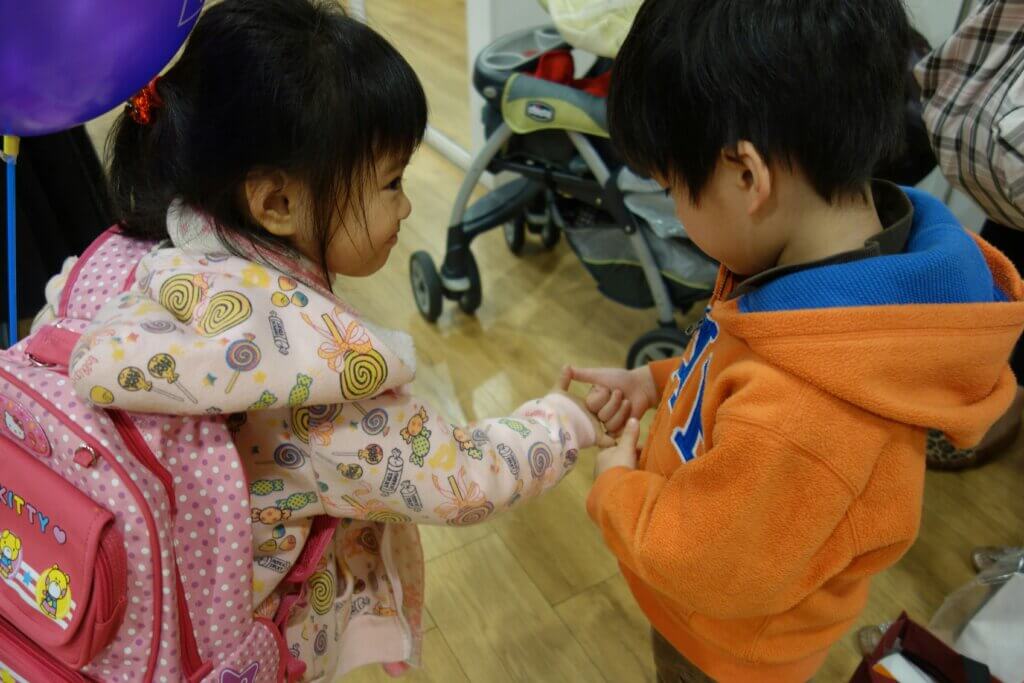
Consider both your kids needs & your own (aka mutual respect)
Be mindful about the best time of day, personalities and your own needs as the adult. Make sure the kids are actually able to play – like meeting at a park or backyard with art supplies or balls. Recognize that most young children will likely play next to each other (parallel play) and try not to force the interaction. Just like grown-ups, they need warming up to new people too. Hosting the playdate? Ask the kiddo if they want to put any special toys away before the other child comes to play.
Supervision, supervision, supervision
Children under 5 should always be supervised when playing together. Even our preschoolers aren’t equipped with the perfect set of social skills each time to deal with hitting, not sharing, pulling hair, etc. Did you know a child doesn’t even know that another perspective exists other than their own until about kindergarten? Yep, they are learning! Stay close so you can intervene when conflict starts to erupt and turn it into a teaching moment for them to practice using gentle hands and being safe. Tell them what they CAN do, other than hit or hurt, and give them phrases to make repair and give meaningful apologies.
Kids don’t have to share
We know, you want kids to learn to share. We do too! This is not about letting it go, but about teaching them in a way that meets their current developmental needs. Sharing is not natural for anyone – think about having a stranger come to your home and ask if they can use your clothes or purse or car. That would be so unexpected! Instead, teach taking turns with toys or single items. When a child takes a toy out of their friend’s hand gently guide them to give it back and to hold their hand out to ask for a turn. Then, teach delay of gratification by moving their attention elsewhere, “what shall we play with while we wait?”
Bring extras + plan ahead
Bringing snacks or toy cars? Add some extras for your playdate. This can cut down on some big emotions when others feel left out and provide a chance to model and teach giving to others. Snacks are especially helpful to teach sharing because you can actually GIVE it to them. Think single and individually packaged, and communicate ahead of time with the other adult about everyone’s current comfort level.
Keep it short
A playdate should be kept to 2 hours max, but ideally even only an hour or so, depending on the location or age. Read the crowd and manage expectations as well. If your kiddo is having a tough time, too tired, or scared of their pets, be okay to eject early and try again another time.

Comments