

Eps 588: Revisiting how we raise allies with Dr. Traci Baxley
Episode 588
In this powerful conversation with Dr. Traci Baxley, author of Social Justice Parenting, we explore how to raise children who embrace equity, compassion, and activism. We unpack hard topics like the N-word, critical race theory (CRT), systemic racism, and the importance of taking action — even when it’s uncomfortable. Dr. Baxley offers practical tools for fostering inclusion at home and in our communities. Tune in to learn how parenting and social justice intersect to create meaningful change.
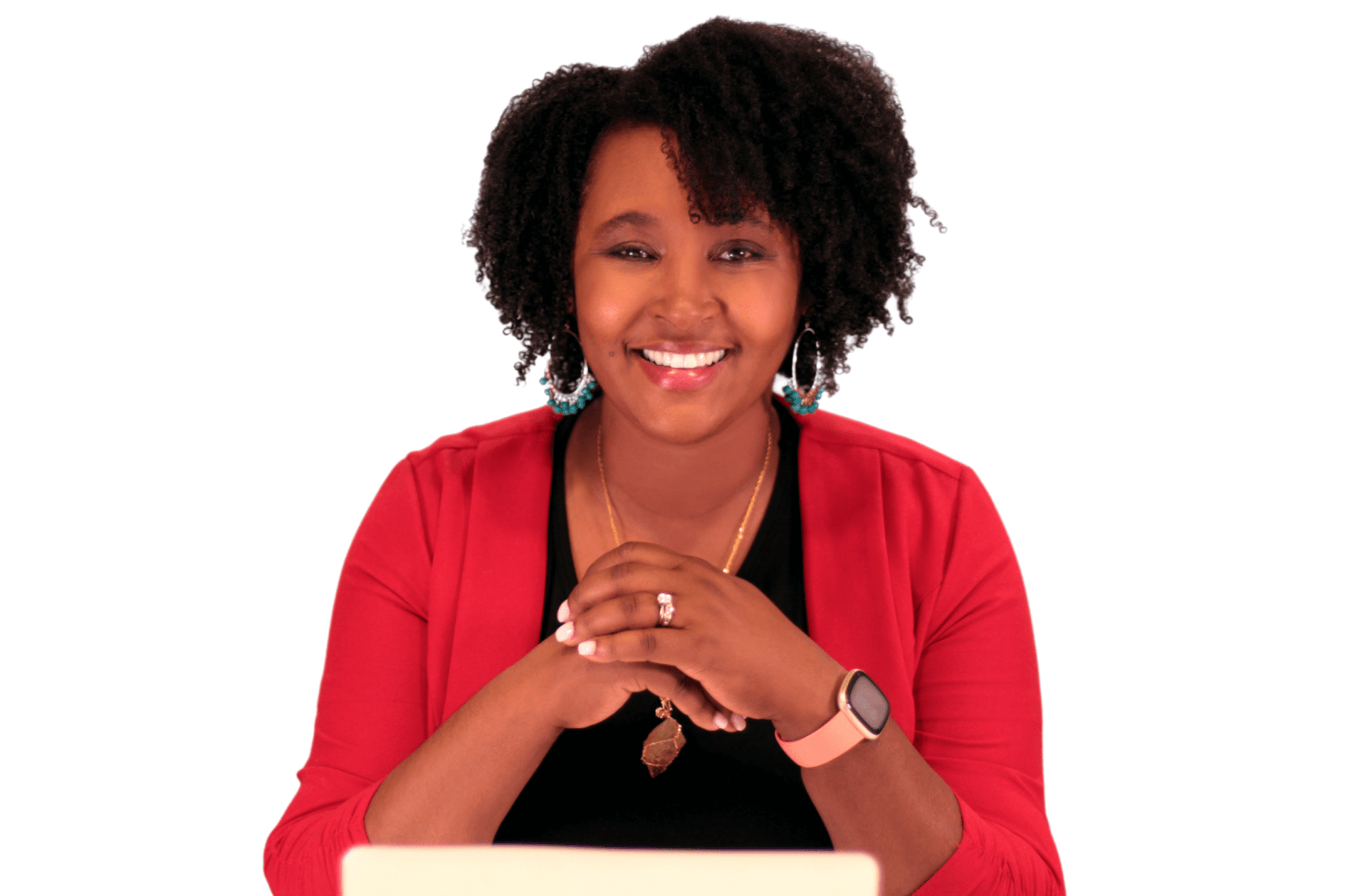
Dr. Traci Baxley is a professor, consultant, parenting coach, speaker, and mother to five children. She is the creator of Social Justice Parenting™ and the author of Social Justice Parenting: How to Raise Compassionate, Anti-Racist, Justice-minded Kids in an Unjust World. An educator for over 30 years with degrees in child development, elementary education, and curriculum & instruction, she specializes in belonging, diversity and inclusion, anti-bias curriculum, and social justice education. As a diversity, equity, and inclusion consultant, Dr. Baxley supports organizations and corporations in developing inclusive practices and policies that lead to workplace belonging and high productivity.
Community is everything!
Join our community Facebook groups:
Takeaways from the show
- How Traci got into her work
- Teaching our kids acceptance and inclusivity
- Traci’s family dynamic with social justice
- Lead with your own curiosity
- Acknowledging privilege
- Opening intentional dialogue around identities
- Cultural appropriation vs cultural appreciation
- Words gain meaning through relationships
- Teasing apart critical race theory
- Speaking out about human rights
- Mini historical lesson about Juneteenth
Resources:
Instagram | Website | YouTube video (Use of words)
What does Joyful Courage mean to you?
I think it means taking action even when you’re in fear. Using that fear, knowing it, naming it, walking through it using radical love. I think Joyful Courage is knowing when you have fears and anxiety but moving through them anyway.
Subscribe to the PodcastWe are here for you
Join the email list
Join our email list! Joyful Courage is so much more than a podcast! Joyful Courage is the adolescent brand here at Sproutable. We bring support and community to parents of tweens and teens. Not a parent of a teen or tween? No worries, click on the button to sign up to the email list specifically cultivated for you: Preschool, school-aged, nannies, and teachers. We are here for everyone who loves and cares for children.
I'm in!Classes & coaching
I know that you love listening every week AND I want to encourage you to dig deeper into the learning with me, INVEST in your parenting journey. Casey O'Roarty, the Joyful Courage podcast host, offers classes and private coaching. See our current offerings.
Transcription
[00:00:00] Casey O'Roarty: Hey everyone. I am so excited to be re-releasing this interview I did with Dr. Traci Baxley. It is so important for all of us to continue to explore the places we have to grow. I. When it comes to creating a sense of belonging, equity, and inclusion, when this podcast drops, I'll be on a plane headed home from Dallas, Texas.
[00:00:25] I was on the planning team for the 2025 positive discipline think tank. It was an incredible gathering of people who are on a mission to do better in the world and make. An intentional impact on families. We spent a entire morning learning and growing through activities, highlighting belonging through equity and inclusion, and taking a look at our implicit biases as a middle class, middle aged white woman who has spent the majority of my life in spaces that have been predominantly white.
[00:01:03] I know that I have so much. To continue to learn the current climate here in the United States is one of dividedness and prejudice. With a government leading with fear and intimidation, voices like Dr. Baxley need to be amplified, so listen in and take notes. There is something here for all of us to learn.
[00:01:27] Thank you for being here. Thank you for being on the Growth journey with me. Enjoy the show.
[00:01:38] Welcome, welcome, welcome to the Joyful Courage Podcast. This is a place where parents of tweens and teens come to find inspiration, information, and encouragement in the messy terrain of adolescents this season of parenting. Is no joke. And while the details of what we're all moving through might be slightly different, we are indeed having a very collective experience.
[00:02:03] This is a space where we center building, relationship, nurturing life skills, and leaning into our own personal growth. And man, the opportunities abound. Right. My name is Casey O'Roarty. I am a parent coach, positive discipline lead trainer, and captain of the adolescent ship over at Sproutable. I'm also a speaker and a published author.
[00:02:26] I've been working with parents and families for over 20 years and continue to navigate my own experience of being a mom with my two young adult kids. I'm so honored that you're here and listening. Please give back to the podcast by sharing it with friends or on social media rate and review us on Apple or Spotify.
[00:02:46] Word of mouth is how we grow. Thank you so, so much. Enjoy the show.
[00:02:58] Yay. Hello everybody. Welcome back. I'm so excited to introduce you to today's guest, Dr. Tracy Baxley is my friend and is a professor. Parenting coach, speaker, and mother to five children. She is the creator of social justice parenting and the author of Social Justice Parenting. How to Raise Compassionate, Anti-Racist, justice minded Kids In an Unjust World, an Educator for over three.
[00:03:31] 30 years with degrees in child development, elementary education, and curriculum and instruction. She specializes in belonging, diversity and inclusion, anti-bias curriculum, and social justice education. As a diversity, equity, and inclusion consultant, Dr. Baxley supports organizations and corporations in developing inclusive practices and policies that lead to workplace belonging and high productivity.
[00:03:57] Today, Tracy and I are gonna talk about our. Book as well as some hot button topics around race and raising our kids in a multiracial world. Hi, Tracy. Welcome. Hi, Casey. I'm excited to be
[00:04:10] Dr. Traci Baxley: here with you for sure.
[00:04:12] Casey O'Roarty: Yes, I'm so excited to have you and listeners, if you're thinking to yourself, I know this name, it's because Tracy was one of my experts in the Brave New World Summit, and I actually ran her interview last summer here on the podcast feed.
[00:04:28] So.
[00:04:29] Dr. Traci Baxley: Yay. Yay. You're back. And we've been fast friends ever since.
[00:04:33] Casey O'Roarty: I know. I know. So I just have to share with listeners, when I was getting ready for that summit, I had reached out to you and we had like a zoom date to meet each other, kind of feel it out and. It was the best first date ever, Tracy, for sure.
[00:04:49] And I've just, yeah, I loved watching your work explode and just so honored to be connected with you, so thanks. Thank you. Will you share a bit with the listeners about how you got into doing what you do?
[00:05:04] Dr. Traci Baxley: Yeah, I think like, you know, you're looking back, it's like Glenda the Good Witch, right? It was in you all the time, right?
[00:05:11] Yeah, I've had it all the time, but I mean, I can define some key things in my life that really kind of led up to this moment in terms of the need to belong and needing to make sure everybody around me belonged. Um, it just kind of. Was who I was growing up. And I think as an educator that kind of transcended that idea of making sure people belong, transcended into me being a teacher.
[00:05:35] And I was always gravitated to those kids who may not have belonged on the surface and helping them find their way. And you know, and then I started teaching at the university and continued to teach, you know, multicultural education and diversity courses. And when I started doing the work with teachers, I really realized that it was.
[00:05:54] And becoming a parent too, right? You start to see things from a different lens. And, um, so I started really leaning into the idea of how to support parents, you know, as I too and a parent going through all these changes with our kids. And it really made me think about the way that I was raising my kids and things that really worked and things that I kind of failed at.
[00:06:13] And, uh, how to support other parents with creating a world that we're all proud of and that we want our kids to continue to do. Things that honor others and celebrate others and, you know, support and empower others.
[00:06:28] Casey O'Roarty: Hmm. I love that. And your book's been out for a little bit? Did, when was it published?
[00:06:33] Yeah. Uh, last October. Last October. Yes. And I just have to say again, every time you post something about an interview that you got to do or a media spot, I am just so cheering you on from the sidelines. It's so exciting to watch, really. And so you're getting tons of feedback about your book. What has been the most surprising feedback that you've received about social justice parenting in the
[00:06:57] Dr. Traci Baxley: book?
[00:06:58] You know, one thing that I can think that really, it's probably one of my favorite things is that. The feedback I get around my storytelling because as a professor, you know, we are trained to write in a certain way and I've always tried to do the storytelling in my writing, my academic writing that didn't always go over well with reviewers or my, some of my professors, but it was the place where I felt more comfortable because I really like to blend.
[00:07:30] Personal with, you know, the pedagogy or the, the, the theory. And so when I, the validation of the storytelling works and it makes it resonates with people, I think has been really a great surprise and a great feeling of accomplishment, I think. And then I think I just had no idea, I had no idea that it would be on like people's talk list or that it would get so much.
[00:07:56] Feedback, positive feedback in, you know, like New York Times and Washington Post, and Harvard. Like, it's just been really, I'm very grateful. Just so grateful that it's been well received.
[00:08:09] Casey O'Roarty: Yeah. Good timing.
[00:08:10] Dr. Traci Baxley: Important timing. Absolutely. And matter of fact, my agent Lynn was like, how quickly can you write that book?
[00:08:18] Like, cracking the whip. But yeah, it is, she's like, it's needed. It's needed right now. Yeah, you gotta get it done.
[00:08:24] Casey O'Roarty: Yeah. And you are a black mother to mixed race kids. Mm-hmm. So talk about how that has been an influence on your work and passion.
[00:08:33] Dr. Traci Baxley: Yeah. I probably will go back to that idea of belonging, right?
[00:08:37] That it's really kind of the major cornerstone of my work and I think trying to help my kids find and create. Spaces where they felt loved and accepted and whole, you know? And mm-hmm. It wasn't always easy. I wasn't always successful with that, but I think I had to move outta my own fears, um, to support their journey in finding who they were.
[00:08:59] And I think I was really big on telling my kids that they could self-identify any way that they wanted to. And, but it was my job, my duty as a black mother to make sure that I was raising them to be ready. For the racialized world that we live in, that they knew what it was like to be black in the world because you know, that's what the world would see them as.
[00:09:19] So I think a lot of my experience with my children on really trying to teach belonging and feeling good about themselves and self advocating, I. It's a big part of the story that I tell in the book, and it's a big part of my work.
[00:09:33] Casey O'Roarty: Yeah. And as I listen to you, I just think about how important these conversations are for everybody to be listening to, to be having, you know, I have, I'm getting ready for, well, I.
[00:09:45] Timing wise, like secretly, this podcast is being recorded in May. It'll come out in June and I'm getting ready to do some Thursday throwback shows for next month around the L-G-B-T-Q-I-A community and some interviews that I've done then, and I think to my, sometimes I think, oh, but not all of my listeners have kids that identify this way or that way.
[00:10:07] And then I quickly think to myself, all the more reason for them to be listening to these conversations. Right. Absolutely. All the more reason. Yeah. Because my kids are white kids and I wanna make sure that, and we'll get into this, that they are aware I. Creating space and belonging for every kid around them, not just the ones that they look like.
[00:10:29] So I really, really love your work because it's so, and I love your storytelling too, because it allows us to step right into as mothers, as parents, regardless of, you know, the details, to step into the experience of just wanting our kids to feel that sense of acceptance and knowing that they're safe in the world.
[00:10:49] So, yeah.
[00:10:50] Dr. Traci Baxley: And you know, I always go back to the notion that, you know, when we create the belonging in our homes, our kids will go out into the world to create belonging in um, different spaces. And I think when our kids are with us, we have to teach our kids how to. Create those spaces. You know, we don't wanna just teach our kids about who they are, but I think, like you're saying, uh, doing those shows this month really is teaching my kids how to stand up for people in the L-G-B-T-Q community.
[00:11:18] And I think that's just as important as knowing who they are, right? Mm-hmm. It's about accepting people for who they are and what do you do in time of crisis for other people. Is, is really what matters.
[00:11:29] Casey O'Roarty: Yeah.
[00:11:30] Dr. Traci Baxley: And we can't do that if we don't know each other's stories. Right?
[00:11:33] Casey O'Roarty: Right. Exactly. Exactly. So you were a guest last month.
[00:11:36] It was so nice to have you in my membership book club. Yes. We read your book and The Living Joyful Courage Membership. And something that I love about your book is it's a parenting book. I mean, it's a parenting book with this social justice lens. And so much of what you share and you write about overlaps with what I.
[00:11:59] Facilitate and teach and have learned through my work in positive discipline. You write about empathy and curiosity and non-judgment and problem solving and open dialogue, and it's so obvious through your writing that you also are, it's important to you to cultivate those really strong relationships with your kids.
[00:12:19] So I'm curious in your family. Since you have five kids and you have kind of this spread, are some of your kids, do they lean more into the social justice activism than others? What's it like inside of your family as far as you know, the social justice piece? I mean, and even as I say that, Tracy, I'm like, well, I'm acknowledging my privilege being a white person, and like I can step into social justice or not, right?
[00:12:47] Like it can be on my radar or not because. Of the color of my skin. And so I wanna acknowledge that as well with this question. But how does it show up in your family?
[00:12:56] Dr. Traci Baxley: Yeah, and let me address that first, Casey. I think if we look at all of the ways that we identify, right, we can all step into something or not step into something, right?
[00:13:08] So I just think too, in terms of socioeconomic status, I can decide to support and help and empower people who I. Are disadvantaged in terms of their socioeconomic status. Or I cannot, right? Because I have stuff. Mm-hmm. I could turn my, so in this case, if we're talking about race, yes. But I also want to drive the point that in our multiple identities that we hold, we can all make those choices whether to step in or step out.
[00:13:36] And so we need to be conscious of, of that, thank you.
[00:13:39] Casey O'Roarty: But
[00:13:40] Dr. Traci Baxley: also when it comes to my own kids. I would say they all have a social justice leaning because of, obviously we talk about all the stuff, all their lives, but I think as they get older, they are, I. This is just like, you know, my kids right now range from 12 to 22, and I think as they get older, they actually really recognize the things that I've been showing them on their own now, right?
[00:14:07] So they will come to me and we would have conversations. I wouldn't have to say, Hey, let's look at this. Let's look at what happened. What does that mean? How does that look? What does that mean for us as a family Now they will come to me and they will have those conversations and then I sometimes would turn it back, um, to them to say, okay, so what are you gonna do about it?
[00:14:24] Or What can we do? Or what does that mean? So none of my kids are like hardcore activism in terms of how we see activism, but they're all are very aware and conscious of what's going on around them. And they always ask, what do we do about this? You know? And I would say to my daughter, she's the oldest, I.
[00:14:44] She's like a mini me in terms of she's an empath. Everything around the world really kind of draws some kind of feelings from from her, and I think she's a nurturer by nature as well, and especially when it comes to kids, she's really kind of plugged in, so I think she is going to really kind of follow my path as she gets older.
[00:15:03] I see that in her, and so we'll see where they all land. But I think that the boys do initiate things now more than ever, and they see things and they are definitely more aware than a lot of their friends. But you know, I'm allowing them to come to this idea of social justice in their own way, and we definitely talk about the importance of giving back, the importance of seeing other people and standing.
[00:15:25] In the spaces for other people when they have the opportunity. So as they get older, we'll see where they land. But you know, nobody pushes back against it when we're having those conversations. For sure.
[00:15:36] Casey O'Roarty: How did you talk about the shooting in Buffalo last weekend? Yeah. How did that come up in
[00:15:42] Dr. Traci Baxley: family? Yeah.
[00:15:42] We've had those conversations. I think we may have been driving or you know, we listen to NBR every. Every day. All day. Yeah.
[00:15:52] Casey O'Roarty: Yeah,
[00:15:54] Dr. Traci Baxley: exactly. Yes. So I think that may have been on and, 'cause we had the conversation in the car, so it must have been through NPR about what was going on and why it happened. And we had a conversation about, I don't know, I think it was Viola Davis and I posted on my story, she did a snapshot of.
[00:16:13] Maybe eight people who were black and unarmed and end up dying. And then eight white people who were fully armed and was arrested. So we had a conversation about that. What does this picture mean? You know, what is this saying to us? Why do you think this is? And um, so that was one of the things that we really kind of unpacked of the unarmed black person versus the armed white person and the outcome being totally different.
[00:16:41] Casey O'Roarty: Yeah, that gives me the chills. It's talking about that's, yeah, it's
[00:16:44] Dr. Traci Baxley: tough, you know? And then I say to them, this is why mom always has these conversations with you. This is why I need you to be aware of what's going on. I don't want you to be afraid, but I want a good, healthy dose of fear in terms of being aware is good and.
[00:17:01] How, you know, in a space like that, there's nothing these people could do. You know, they're grocery shopping. Mm-hmm. But there may be some times that you have more control over the way you act and the way you, you enter spaces. And we need to be aware of what that looks like. You know, like some of the things that I teach my boys, you know, like my boys play, this is kind of off the subject, but it's aligned with these kinds of conversations.
[00:17:26] My boys play basketball and oftentimes if they're at basketball, there's like a. Gas station store that's close and they'll say, can I go to the gas station to get a Gatorade? You know? And so it's like, get a bag, get a receipt. And you know, they may still feel silly walking out of there with a bag in a receipt with their Gatorade.
[00:17:48] But you know, those are the little things that I have to teach them or show them, you know, not putting their hands in their pockets when they're in a store. Always getting a receipt because those are the things that could possibly keep you safe. So we had the conversation again around what that looks like and how sometimes there's nothing you can do to keep yourself safe.
[00:18:09] You're out grocery shopping, you're out for a jog, you know?
[00:18:12] Casey O'Roarty: Yeah.
[00:18:13] Dr. Traci Baxley: You're in your bed, you're on your couch eating ice cream. You're asleep in your bed, you know? So yeah, it's a burden, right? But, uh, yeah, it's something that I wouldn't be. As a black mom, it's my job. Yeah. I wouldn't be able to live with myself without having those conversations with my kids.
[00:18:40] Casey O'Roarty: Yeah, and I appreciate too when you were talking about that picture that you posted about, you know, with the unarmed black men and the armed white men and the outcomes, what I heard you do was ask questions too and drop into that curiosity too. And I think that's such a powerful place to start and to open up.
[00:18:59] Right. You know, like, and I think it's nice. I know for me as a parent, when I get whatever the context is, the worry, the fear, everything's pulling me towards, let me tell you. Right. And when I remember to ask questions, it's a relief to me because oftentimes when I ask questions, I get to hear, oh, my kids aren't totally clueless.
[00:19:20] Like they do understand this and they are thinking about this. And that actually makes. Me feel, you know, it kind of alleviates that, some of that fear and worry, so I really appreciate you. Yeah.
[00:19:31] Dr. Traci Baxley: And modeling that, I think Casey, it really is the best way to not parent from this fear, right? This fear-based parenting is to lead with their own curiosities and, and their natural curiosities and questions.
[00:19:47] Yeah. So if we're leading our parenting through that, we're not. Using our fears, our anxieties, our experiences as a light to lead our parenting. And I think the more we can ask the questions and allow them to respond and lead the open dialogue in terms of. What's important to them, the more we're getting out of our way, it's this idea of fear-based parenting.
[00:20:11] Casey O'Roarty: Yeah. And we all want them to be critical thinkers in the end. Right? Absolutely. We all want them to be critical thi, which happens in practice. Right? Absolutely, yes. What do I think about this? What are my thoughts about this? Yeah, so as a white mom to white kids, I definitely feel a sense of responsibility.
[00:20:31] The responsibility that I have to raise my kids, not only with awareness of their privilege and the various types of privilege that they have, but also wanting them to know how to use it in a way that allows space for everyone. Like I'd said before, when to check themselves and considering that I am.
[00:20:50] Continuously unpacking my own implicit bias. It can feel really daunting and messy. And I know you work with white parents and I'm wondering what you hear in your work as places where we stumble. I.
[00:21:06] Dr. Traci Baxley: I hear a lot of fear. Yeah, a lot of fear in doing it wrong. A lot of fear in not knowing enough it, it is messy.
[00:21:16] It's messy. For me too, as a black mom talking to my kids about racial issues, it's messy. I don't always get it right. Sometimes I have to come back to my kids and say, you know what? Let me do this again. What did you hear? What I said? Like, I don't feel good about the way I said that. Let me say that again to you.
[00:21:32] And so I think knowing that it's gonna be daunting and messy is half the battle. But I think parents are living in such a fear, right? Some of the fear comes from the outside world, of course. Right? But a lot of it is self-induced and it's, we carry our own experiences, our fears, our traumas, our childhood issues, right into our parenting.
[00:21:52] And I think it shows up in ways that our kids will. Carry the brunt of that later in their lives. So I think I would say that a lot of the stumbling blocks is allowing our own fears and anxieties get in the way of really parenting our children. And one of the things that I have my clients do is, uh, there's a, the identity exercise that's.
[00:22:14] In the book, especially with teens, it works really well with tweens and teens where they have to fill out all of their identities, right, in terms of race, gender, sexual orientation, religion, socioeconomic, all the things, and they have to check off whether they are privileged in that area or whether they're marginalized, and then the visual of that when your kids fill it out.
[00:22:38] And just ask them what do they see? What do they think? It really induces a lot of great, open, excellent, and intentional dialogue around that. And I think that takes some of the fear away from you because our kids are able to kind of dissect it themselves. And then I think if we can move away from looking at privilege as something negative and bad or weaponized and really seeing it as something I.
[00:23:04] That we can use as a tool for change. How do we make the changes? How do we use that privilege in a way that we empower others? And so I think if we can start from kind of a, a neutral slate in terms of this is just who we are, it could take some of that messy out of it and then, um, really allow you to have some awareness and some conversations around what that looks like and how we can show up.
[00:23:27] Casey O'Roarty: And again, I'm hearing you use curiosity. You know, having them look at their status, what came out when they did the survey, and being in that curious place with them around. So what does this tell you? What are you thinking when you see it? I love that.
[00:23:41] Dr. Traci Baxley: And how is it different from mine, right? Yeah. Because even within your family, those identities are gonna be different.
[00:23:48] Casey O'Roarty: Yes, absolutely. Yeah. So I wanna talk about some places that feel dicey to me. Okay. And this first one, actually, you had posted something a few months ago and I commented on it because I was like, yes, what do I do with this? So. My 16 year olds, you know, as 16 year olds are, is really interested in popular culture.
[00:24:09] And right now a lot of popular culture that he's interested in is black culture. The music he listens to and the fashion trends. I mean, it's pretty mainstream and even sometimes like. The way that he slurs his words can, you know, it definitely falls into the style. He's a basketball player, like your boys, so he takes a lot of cues from the guys that he looks up to on the basketball court.
[00:24:34] And I, you know, I sit with like. Cultural appropriation, right? Like, is it okay for you to be swaggering around like that? Like, I mean like, and, and how he presents himself to the world and the music, you know, is super explicit. A lot of the N word, which he doesn't say. You know, both my kids love hip hop and rap, but I watch them.
[00:24:58] They like, they just don't say the N word, which is, you know, great and yet, but it's still there. And I'm wondering, I'm just not always confident in the conversations that I have with him. I think because I'm not. Really clear on my point, other than I'm super uncomfortable. Mm-hmm. And really, I wanna say like, dude, you're white.
[00:25:19] Like you're a white kid from Bellingham, Washington. You know, like, and I feel like I'm missing some important conversations, but I'm really stumped. Yeah. And I know there's other parents who feel this way. It's like, how do I talk about this with my kids without, how do I talk about this with my kids? Yeah.
[00:25:36] Dr. Traci Baxley: Yeah. The post I put a while ago was my. My son had gone to somebody's bat mitzvah and they were playing music and all of the white kids there were saying the N word, and one of my son's friends was like. In shock that the parents were allowing their kids to yell at the N word while they were dancing around.
[00:25:56] So let me touch a little bit about cultural appropriation versus cultural appreciation. Okay? And there's a lot of opinion. Thank you for the language, right? Because mm-hmm. Just like everything else. The way we do, I'm gonna use do in, in my invisible quotes, uh, social justice work, activism work. It all is different.
[00:26:15] It all looks different. People have different opinions of what that really looks like. So I wanna start off by saying that, you know, there's a lot of opinions around these terms and what they really mean. So my opinion is clearly one of many, and there's people who may disagree with my assessment or whatever.
[00:26:32] So. Culture appropriation is really this act of using another person's culture without a proper understanding or to gain something. And I'm gonna go through this in a little bit, okay? Culture appreciation is the act of seeking to understand, highlight the stories and histories of somebody else's culture, right?
[00:26:55] So those are the two major difference. So when you're thinking about. Is this culture appreciation or is this culture appropriation? Some of the questions you can ask is, okay, what is the historical sociopolitical significance of what I'm doing, what I'm wearing, what I'm saying, right? If you can't really answer those questions.
[00:27:14] You should think about whether it's appropriation, does what I'm doing, saying wearing, okay. Further perpetuate stereotypes about a group of people. Okay? And this is the thing that is controversial with like Hollywood people, is this idea, am I profiting from it? Me wearing this, me wearing my hair, this way, me doing this?
[00:27:33] Am I getting financial gain? Am I getting more likes on social media? Because that's still profiting from it, right? So thinking about it in terms of that, would people who are in this culture say that it's offensive? And I often say if you have to think a long time about that, the answer probably does.
[00:27:53] Mm-hmm. Right? So I think if you feel uncomfortable with what you're doing, then you probably are doing more appropriation and appreciation. I don't have a problem with. People who are not black, being a part of the black culture in terms of their dress, that doesn't bother me. I mean, because sometimes I really do think it's something that people enjoy and they do it because they love it, you know, not because they are trying to gain or trying to look a certain way.
[00:28:19] So where I stand, if he's not offending his friends, he's not offending the people around him. He's doing it because this is part of his basketball culture. I don't have a problem with it, honestly.
[00:28:31] Casey O'Roarty: Well, I'm gonna ask a question. So like what I'm thinking about as I listen to you talk is. For me, like really, I just wanna have a conversation with him about what cultural appropriation means, and I bet he will have no problem defining it.
[00:28:46] You know, as I ask the question, probably this is my brain spiraling out in my own fear and worry, and my guess is, you know, having conversation around this would be really useful to him. Well, to me actually probably. He's fine.
[00:29:02] Dr. Traci Baxley: Yeah. Yeah. Yeah. And this is the thing too, Casey, if he is on a basketball team with all of these guys, if he was offensive to them, they would tell him.
[00:29:10] Casey O'Roarty: Yeah. Do you know what I'm saying? Well, most of the guys on the basketball team are white guys, but yes. Okay. It's not like he's got a diverse community who can keep him in check. That is me making my own assumptions.
[00:29:22] Dr. Traci Baxley: Right. That's me making my own assumptions. Yeah, yeah, yeah. But yeah, so I would ask him some of those questions and ask him.
[00:29:28] Yeah. You know where this comes from or how does he define his look or his, the way he is dressing or his way of, of being right now? And I would lean into his curious questions, right? I would ask the questions and I would allow a natural conversation to come out of that. But I think the biggest thing is if you are gaining in some way.
[00:29:50] Or it's perpetuating stereotypes. Mm-hmm. Then it's problematic. Right? And I think if you are really enjoying the culture, you understand the culture, you understand the history behind it, and I don't have any issues with that at all.
[00:30:04] Casey O'Roarty: We do have a lot of conversations around, like when we're listening to music, well first of all, my kids, they just have to play the clean version.
[00:30:11] I just can't deal, I just can't. In the car. And so we were drove, you know, we had like a five hour drive and uh, I said, you know, what is there, can you just put on Spotify, hip hop, clean? And he's like, yeah. And oh my gosh, all the same songs that I never wanna listen to were fine because all the things that get under my skin weren't showing up.
[00:30:31] So that was, that's a little tidbit. But also I think for so long, regardless of what kind of music we're listening to, I love music that tells a story. And I'm noticing more often my son will be like, mom, this song has a really good story to it. And he's noticing. I mean, a lot of times they're tragic stories, right?
[00:30:51] I mean, musicians. Tend to have, you know, some darkness that, you know, that's part of their artistry in general. But, um, yeah, I love that. I love that he wants to talk about the storyline and so that's been useful for us too.
[00:31:04] Dr. Traci Baxley: Yeah, I think that's a great way to connect because I'm like, you, like, I can't even hear what they're saying because I can't get past the misogyny or the n word or the curse words.
[00:31:15] I just am like, yeah. So I don't even know if there's a story in those things because I can't get past all the other things. I mean, that kind of brings us to the next part of your question really, is when you're talking about the N word, and I, I mean, again, this is my personal preference, but I just have a problem with the N word.
[00:31:33] I don't accept it from my kids using it in any way, any form. You know, they wanna say, oh no, that's an A at the end. Like, no, there's no way that you can spend that for me. You can't convince me that it's a cool way to use it. And I say to my kids, right, I think about all of our ancestors who really were called that before they were sold.
[00:31:51] They called that before they were beaten. They were. Call that before they were, were hanged and who literally sacrificed their lives so that my kids and I would not be called that word. And I feel like it is a dishonor to my ancestors for us to use that word in a casual way. I just don't like it. And I don't accept that from my own children.
[00:32:12] I just don't. I don't. But I'm gonna give another perspective on that. What's his name? Coates, Tallahassee Coates did a fabulous. Five minute YouTube. I mean, I think he did a presentation on one of his books or like a book talk, but somebody has cut this book, talk into this five minute YouTube video about the N word, and I just think it's so beautifully done.
[00:32:36] He talks about, it's pretty profound. I think you should watch it with your kids. Definitely with your son. So he talks about the idea that words have meanings because of relationships. Oh, so he gives this example about him calling his wife honey, which is acceptable. Right. But he was like, I wouldn't go up to another woman who's with her husband and say something, honey, like I would not use that same term with somebody I don't know.
[00:33:00] And then he talks about that when his wife and all her girlfriends are together, they call each other the B word. And he said, I would never join in that conversation and start calling my wife's friends. B. So what he's saying is that the N word is really the same way. It's a word that really is about meanings and relationships.
[00:33:21] Yeah. And so. It's something in the African American culture through experiences, through relationships, that they get to use that term right, as a term of endearment, but it's really off limits to outsiders. Mm-hmm. Just as calling his wife's friends the B word, it's off limits for him. So outsiders, they don't share that same history, that same relationship in the black culture.
[00:33:45] And therefore that word, if it's used within the culture, could be accepted, even though it's not a positive word outside of the culture. Mm-hmm. It's non-negotiable. No. And so when he puts it in those terms, it's a great kind of lesson for people who are not in the black community. Why? They can call each other that and not call.
[00:34:05] You can't use the same word. So yeah, I
[00:34:09] Casey O'Roarty: would
[00:34:09] Dr. Traci Baxley: look that up
[00:34:10] Casey O'Roarty: and I just did. Yeah. Yeah. I'm gonna watch, I'm gonna watch it and watch it with my kids. Yeah. And I think they get it. I mean, my kids get it. It's just a great explanation
[00:34:18] Dr. Traci Baxley: of,
[00:34:18] Casey O'Roarty: yeah.
[00:34:18] Dr. Traci Baxley: When people are like, well, why can, can't we use, you know, why do you use it?
[00:34:22] Yeah. I thought that that really kind of helped people. So when it is being used in the black culture, it's a great kind of, you know, safe container around it. That explains it a little bit more, but I don't like it.
[00:34:35] Casey O'Roarty: Mm-hmm.
[00:34:35] Dr. Traci Baxley: Period. Yeah. I don't,
[00:34:38] Casey O'Roarty: yeah. Okay. That makes sense.
[00:34:49] I'm gonna take us in another direction now because, and again, we've had, we've like lived through these crazy few years, amazing few years I think in a lot of ways because so much has been, you know, the curtain's been pulled back for so much of our population around like, we can't pretend this isn't happening.
[00:35:06] Like, we can't, we get to address these things, we get to talk about these things and as skilled or as unskilled as we are, right, and. One of the things that comes up that I'm really interested in talking to you about is this debate around critical race theory, and I feel like people who are really hot and bothered about it don't really, I'm guessing they don't really understand what it is, and then I'm not an expert either.
[00:35:31] Yeah. So from what I understand, it's basically, and you can, and I'm hoping you'll correct me and. Tease this apart with me, but basically it's adding in all sides to the history lessons and shaking up. I mean, our school education has been so whitewashed from the beginning, and so basically it's just kind of adding in people of color and their stories and what they've experienced and making sure that all people are represented in the way that we're educating children.
[00:36:02] And
[00:36:03] Dr. Traci Baxley: is that what
[00:36:03] Casey O'Roarty: it is?
[00:36:03] Dr. Traci Baxley: That is not what critical race theory really is. Okay,
[00:36:08] Casey O'Roarty: great. Perfect. Tell me what it is. What you're saying
[00:36:10] Dr. Traci Baxley: is what we would call multicultural education. Right. Okay. It's teaching. History, teaching kids from multiple perspectives, making sure everybody's included. Right. That's multicultural education.
[00:36:22] Now what is going on, okay, is they're using CRT as a way to really undo multicultural education. Right? So what you're saying, okay. That is representing CRT in the general public is not CRT. So CRT. It is not even being taught in the pre-K 12 curriculum. It's not. It is a theory that's taught in higher ed and it really is a theory that came from law, right?
[00:36:49] And so most teachers haven't even heard of CRT until all the mandates started showing up and it started in law and then it's branched out to other. Areas of study including education, right. So I actually do teach critical race theory in my graduate classes. I teach a graduate class called Race, class, and Gender, and I teach a graduate class called Black Perspectives in Education.
[00:37:11] And I actually use the introduction of Critical Race Theory in that class, but it's not something that anybody's doing really in K 12. So. The academic understanding of critical race theory, it differs from what today's kind of fear politics is saying It is. So fear politics today is basically saying that CRT is focused on group identity over universal, right?
[00:37:34] It's saying that it divides people into like these oppressed. Versus oppressor groups, and it teaches intolerance, which is just simply not true. So the core idea of critical race theory is the idea that race is socially constructed, right? It's a social construct. And that racism is not just a product of.
[00:37:56] An individual bias or prejudice, but that is really something that's embedded in the systems, right? And again, it started with our legal systems and our legal policies, and we still see that today, right? I mean, think about racial profiling. Think about that picture that we just talked about that's circulating about who's being killed versus arrested.
[00:38:14] So I'm gonna break it down. Casey into the tenets, right? So there's four tenets of critical race theory. The first tenet is called counter storytelling or counter narrative. So really this part of the theory is really just says we need to make a space in these systems for various voices and perspec that are traditionally marginalized.
[00:38:36] And they need to be heard. Mm-hmm. I liken this to when, right after George Floyd died, a lot of white podcasters, influencers were sharing the mic with black. People, women, whatever. Right? So that is what the counter storytelling is, is like how do we give a space for voices that are traditionally marginalized?
[00:38:56] So that's the first tenet of critical race theory. The second one is this idea of permanence of racism. So this is kind of just basically saying that ideologies that our country was founded under. That some people are less people than others. It still exists today, right? It's still at the core of some of our systems, like our politics, our education, housing, banking.
[00:39:19] It does not, I'm gonna say that again. It does not propose that every white person's a racist. That is not what it's doing. It's just basically saying, our systems were built on this idea of racism, and some of that stuff is still. Marginalizes and it still discriminates against, right? The third tenet of critical race theory is property interest and whiteness.
[00:39:39] So what that's basically saying is there's white privilege in the world, right? That being white has some advantages in our society that other people don't get the same privilege with. So it's like when I walk in a store as a black woman, I'm often followed or watched, right? There's racial profiling, right?
[00:39:58] If I'm trying to get a loan, there's evidence and evidence that show that black people have a higher interest loan or often denied, right? So just because you're white case and you go walk in a bank and you're more likely to get a decent loan than I am. So that's what that's saying, that there's. White privilege exists in our world, in our systems.
[00:40:15] And then the fourth thing is this idea of interest convergence. So it's basically saying that laws, initiatives that support racial justice often only happen when the interest of black people or people who are marginalized, converges with the white people or people who have power. So the only reason why we are seeing some things get better often if the interest of white people, I.
[00:40:41] Converge with those of black people. And the signature example that they used in the original CRT is the brown voice versus Board of Education. That there were global pressure about how black people were treating people in the US We were during the Cold War, we kept saying how terrible Russia was, how terrible these people are.
[00:40:58] And people were looking at us like, well, look how you treat your black people. And so the idea that segregation happened during that time period, not because all of a sudden, oh, we see black people as equal, but because. We got all these other pressures that we need to relieve, and so we are going to pass this laws desegregation and we know that that didn't change any practices for 15 years in our country, even though the law was passed.
[00:41:21] So those are the real core things about critical race theory. It has nothing to do with what we're teaching in our classroom. It has nothing to do with saying all white people are bad. It's about the systems our country was founded on and that those systems still exist to marginalize other groups of people and we need to share.
[00:41:38] Other people's voices and experiences in order for us to alleviate and change those systems that continue. Wow. Look at me to, I had
[00:41:44] Casey O'Roarty: no
[00:41:45] Dr. Traci Baxley: idea. Oppress.
[00:41:46] Casey O'Roarty: I mean, I think I had some idea, but No. Yeah, no, I like, like so basically the fights and the conversations and the fear media like you talked about. I mean, come on.
[00:41:57] Get it together, country get it together. People in power.
[00:42:01] Dr. Traci Baxley: Yeah. Yeah. It's like the CRT boogeyman, right? Like it's all these students actually replacing diversity and inclusion initiatives, and they're using it in this idea of fear around critical race theory. They're taking away cultural studies. Yeah.
[00:42:15] They're taking away LBTQ clubs in schools. They're taking away diversity training in federal agencies. Right. They're using it as a fear tactic. To really get rid of the things that are more inclusive under this kind of scary boogeyman of CRT. And it's just not what people are saying that it is.
[00:42:32] Casey O'Roarty: Yeah.
[00:42:33] Thank you. Thank you for educating us, everybody that's listening myself included on that. So what do we do when we hear, I mean, I don't think. I live in a pretty progressive little bubble. I am hearing it more on like on NPR than I am in my local community. But what would be a step for people to take? You know, I mean I, well actually, even as I asked that, I imagine like, hey, so when your family members or your neighbors are talking about this like.
[00:42:58] Teach them.
[00:42:59] Dr. Traci Baxley: Yes. Yeah. I think starting locally, right, including in your own house and your own families. I think people who are pushing the CRT, they're very noisy. They're at school boards, they are outside senators offices. Why aren't we doing that? Why aren't we pushing back to, say. CRT does not exist in K 12.
[00:43:19] It is not what it is. I want my kids to learn about the good, the bad, and the ugly of history. I want everybody to be inclusive in the education, my kids' educational experiences. Why aren't we doing that, right? If we are pushing back against this. And not being silenced and not letting fear get in the way.
[00:43:37] Mm-hmm. We can start changing that ripple because when one thing is accepted and changed, it's got this whole, I mean, I live in Florida, the CRT mandate passed and as soon as that passed, now the don't say gay mandate has passed. Like so it's, and now they're looking at higher ed. They're trying to get us as professors to have to turn our syllabi and all of our assignments in every five years, even though we're tenured, right?
[00:44:02] So they want to look at what we're teaching and I don't know, I just think if we don't start speaking up and speaking out and being noisy and voting even in those local elections on that school board, county commissioners, we're gonna get the same of this non. Inclusive way of showing up. I mean, look at Roe v.
[00:44:23] Wade. We're going backwards with that, right? Mm-hmm. I think people will be coming after L-G-B-T-Q rights next. I think that's what's next.
[00:44:31] Casey O'Roarty: Oh my God. I don't
[00:44:32] Dr. Traci Baxley: know. We can't sit by and allow. All of the basic human rights for people to disappear. Yeah.
[00:44:39] Casey O'Roarty: Be dismantled. Oh my gosh, Tracy. Yeah. I have more that I wanna talk to you about and I'm looking at the time, oh, this is so powerful and so important.
[00:44:48] Yes. And you know, like I said, your book is this beautiful parenting book with this social justice foundation. And I think all of what we're talking about, I feel like the seeds of what to do exist in your book. And I love, you know, the idea of. Like being in our local communities and going to school board meetings, even though inside of my body, I'm like, oh God, school board meetings.
[00:45:12] But even just finding out, you know, and yes, because we want to create a world that's positive for all kids. I mean, I can't even wrap my head around. I know. I know The things that are happening today that are so tragic that can be. The solution is really looking at the environments that we're raising our kids inside of and the space and the learning and the teaching that we're doing.
[00:45:33] So I just really appreciate you and your work, and this podcast is coming out on the day that we're celebrating Juneteenth, which is. A significant holiday. Yeah. And I think, I'm wondering how much the, you know, the general population understands about Juneteenth. Can you give us a little mini historical lesson about this holiday?
[00:45:54] Yes,
[00:45:54] Dr. Traci Baxley: just, I'll keep it one minute or under. Right. So really Juneteenth is the combination of June and 19th, right? So it's June 19th, 1866 is when it really honors kind of the emancipation of slaves. But those were the last slaves, right? That had not been emancipated and it was in Texas that the final slaves that didn't know they were free finally got word that they were free.
[00:46:21] You know, through union troops arriving in Texas and announcing. That there was like 250,000 slaves hit, you know, were free and they didn't know. And so Juneteenth really recognizes the day the last slaves really found out about their emancipation in Texas. And so it's a celebration of that history. It's a celebration of that emancipation.
[00:46:43] And there's a lot of stories around, you know, whether these slaves. Could have gotten word earlier, you know, that they were free. So it's a great historical lesson for parents to have conversations with their kids about. That date, what it means and what, how it's significant for our country.
[00:47:04] Casey O'Roarty: Love it. Thank you.
[00:47:05] And happy Juneteenth. Thank you. So Tracy, I really appreciate you. I'm noticing like inside my body, these are hard conversations to have because like you said at the top, I don't wanna get it wrong. I don't wanna say the wrong thing, you know, I don't wanna actually. Have microaggressions that are happening that I'm unaware of.
[00:47:25] So I just really appreciate you being willing to step into the space with me. Like I've said a million times, love your work and your willingness to support all of us in growing as humans, living in a diverse world. Is there anything else you wanna add to this conversation as we wrap up? No.
[00:47:41] Dr. Traci Baxley: I would just say take some action, right?
[00:47:44] Small ripples, whether it's talking to your kids, writing a letter to some senator or just. Always be thinking about the next action you can take no matter how small. Love it.
[00:47:54] Casey O'Roarty: And I wrap up my podcast with this question, and I'll ask you, what does joyful courage mean to you, Tracy?
[00:48:01] Dr. Traci Baxley: I think it means maybe taking action even when you're in fear, right?
[00:48:07] Using that fear, knowing it, naming it, walking through it, and you know, I have to say, walking through that fear, through using radical love, right? So I think joyful courage is knowing you have fears and anxiety, but moving through them anyways. I
[00:48:21] Casey O'Roarty: love that. Where can people find you and follow your work?
[00:48:24] Dr. Traci Baxley: A lot of the action happens on Instagram, which is social justice parenting, and then my website is the same name I.
[00:48:31] Social justice parenting.com.
[00:48:33] Casey O'Roarty: Awesome. Well, we will have all the links in the show notes, including listeners. I'm gonna make sure that that YouTube video about the use of words is in the show notes as well. Tracy, thank you so much for spending time with me today. This was so great.
[00:48:46] Dr. Traci Baxley: Thank you, Casey. I appreciate you.
[00:48:53] Casey O'Roarty: Thank you so much for listening. Thank you to my Sproutable partners, Julietta and Alanna. Thank you, Danielle, for supporting with the show notes as well as Chris Mann and the team at PodShaper for all the support with getting the show out there and making it sound good. As I mentioned, sharing is caring. If you're willing to pass on this episode to others or take a few minutes to rate and review the show on Apple Podcasts or Spotify, it helps other parents find this useful content.
[00:49:21] Be sure to check out what we have going on for parents. Of kids of all ages and sign up for our newsletter to stay connected at besproutable.com. I see you doing all the things. I believe in you. See you next time.