

Eps 592: Daily Habits That Build Connection with Tammy J. Cohen
Episode 592
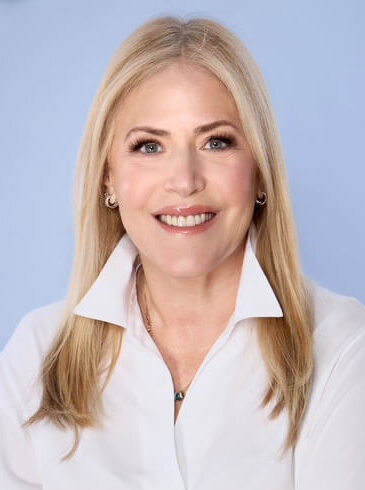
In this episode, I sit down with Tammy J. Cohen — author of A Text Message Away — to talk about the power of connection through simple, consistent gestures. Tammy shares her personal journey of learning to lead with heart, empathy, and curiosity — even (especially) when the people you love put up walls.
We talk about how texting can become a surprisingly meaningful bridge to connection with our kids (or anyone), why we often wear masks instead of showing our true selves, and how to move from “What’s wrong with you?” to “What happened to you?”
Tammy also opens up about her own struggles with judgment and control and how she learned to trust her kids as they grew into adults. This conversation is full of reminders that our children — no matter how old — long to feel loved, seen, and safe with us. And that connection doesn’t have to be perfect to matter — it just has to be steady.
Community is everything!
Join our community Facebook groups:
Takeaways from the show
- Kids long to feel loved and safe
- Even distant kids crave connection from you
- Empathy begins by asking what happened not why
- Texting can bridge emotional distance with teens
- Parents must trust their kids growing independence
- Masks hide pain kids need help revealing
- Consistency matters more than getting a response
- Joy starts as an inside job
“Joyful courage, that’s probably, you know, being able to take the step forward because it takes courage to take a step, right? … For me, the best thing that ever happened was when I realized I don’t have to figure things out today. I just do everything one step. The courage to take a step and then the next step opens up and joy and motivation come after the first step.”
Resources mentioned:
- Tammy J Cohen’s website: tammyjcohen.com
- Tammy’s book: A Text Message My Son (available on Amazon, Barnes & Noble, and independent bookstores)
- Tammy’s contact email: [email protected]\
- Tammy’s social media: Instagram and LinkedIn under Tammy J Cohen
We are here for you
Join the email list
Join our email list! Joyful Courage is so much more than a podcast! Joyful Courage is the adolescent brand here at Sproutable. We bring support and community to parents of tweens and teens. Not a parent of a teen or tween? No worries, click on the button to sign up to the email list specifically cultivated for you: Preschool, school-aged, nannies, and teachers. We are here for everyone who loves and cares for children.
I'm in!Classes & coaching
I know that you love listening every week AND I want to encourage you to dig deeper into the learning with me, INVEST in your parenting journey. Casey O'Roarty, the Joyful Courage podcast host, offers classes and private coaching. See our current offerings.
Transcription
[00:00:00] Casey O'Roarty: Welcome, welcome, welcome to the Joyful Courage Podcast. This is a place where parents of tweens and teens come to find inspiration, information, and encouragement in the messy terrain of adolescents this season of parenting. Is no joke. And while the details of what we're all moving through might be slightly different, we are indeed having a very collective experience.
[00:00:30] This is a space where we center building, relationship, nurturing life skills, and leaning into our own personal growth and man. The opportunities abound, right. My name is Casey Ody. I am a parent coach, positive discipline lead trainer, and captain of the adolescent ship over at Sprout Bowl. I'm also a speaker and a published author.
[00:00:53] I've been working with parents and families for over 20 years. And continue to navigate my own experience of being a mom with my two young adult kids. I'm so honored that you're here and listening. Please give back to the podcast by sharing it with friends or on social media rate and review us on Apple or Spotify.
[00:01:13] Word of mouth is how we grow. Thank you so, so much. Enjoy the show.
[00:01:23] Hi listeners. Welcome back to the podcast. My guest today is Tammy j Cohen. Tammy is a connector, author, podcaster, consultant, and founder of Women Beyond the Table, a network that empowers women to thrive professionally and personally. She helps businesses align their mission and brand messaging through her company, TC Brand Consulting.
[00:01:47] Tammy is also the award-winning author of Text Messages to My Sons, A Heartfelt Guide, inspiring parents to connect meaningfully with their children through mobile devices. She followed it with an expanded edition text Messages to My Sons, A Guide to Using Mobile devices to communicate and connect with your kids.
[00:02:07] Tammy also hosts the Women Beyond the Table Podcast and contributes to parenting connection and business media. She lives in Manhattan with her husband and three sons and owns 18 restaurant. Tammy holds a BA from SUNY Albany and an MBA from Baruch College's. Zicklin School of Business. Hi Tammy. Welcome to the podcast.
[00:02:30] Tammy J Cohen: Hi, Casey. It's a real pleasure to be here and I'm very excited to be here. I know we have a lot to talk about because we were talking way before we got on the recording side of things.
[00:02:40] Casey O'Roarty: I know it's always such a gift to connect with a new guest and recognize. All the places that we are sharing a similar journey, all the places where we can connect.
[00:02:52] So I just really appreciate you and what you're willing to share with me and with my listeners. I'm really excited about your book. So let's start with the heart of that. What pulled you towards this idea of texting as a tool for connecting with your boys, and was it a specific moment or season that inspired you with that?
[00:03:14] Tammy J Cohen: Initially, it was during the first pandemic, um, when everything shut down, you know, it was a challenging time. I mean, I was always traveling for work. I wasn't home that much. But when we shut down, I recognized it as like God's way of saying, Hey, you know what? You have time now and you need to, you need to address some things, miss.
[00:03:32] Mm-hmm. This is because I wasn't happy. I had, I didn't even know like what it was that was wrong and I didn't like the way I was. Responding to things I didn't like. A lot of the, um, yeah, reactions, emotions that I was on, regularly feeling I, um, I didn't know what limiting beliefs were. Mm-hmm. I really didn't know much about it.
[00:03:55] So at that moment I was like, wow, you know, like this is, this is important. So I, I jumped right in Casey, you know, I was like coach and lab coach and I was on mind ballot and I was on Tony Robinson le the virtual, I was like. Don't just, I was just everywhere. Yeah. And I was learning that, you know, there's so much written material, there's so much great, you know, thought leaders out there from hundreds of years ago that wrote amazing things.
[00:04:23] A lot of even what you see today is, is based on what they thought of. And I remember Tony Robbins was like, look, you know, get a mentor, read books because whatever, somebody took 30 years to figure out, like they're sharing it with you in a book. You can read it. Even if you're reading very slowly, can read it in two weeks and you got 30 years, you know?
[00:04:43] So that opened me up to like Robin Scharmer and just a lot of really cool things, um, and other, and just like one book after another. And I was like, you know what? I said, this stuff's amazing. Like they don't teach mindset. They don't teach gratitude. They don't teach any of this stuff in school. And my sons were grown.
[00:05:01] I mean, my youngest was probably 19. My oldest at the time was. Uh, 27 in there. So during the
[00:05:11] Casey O'Roarty: pandemic, that's how, yeah. The boys were
[00:05:14] Tammy J Cohen: okay. And I was like, I wanna share this with them because I'm learning some really amazing things and like, and, and just like. Reading and, and, and getting into it. And of course I always like was use, was quoting things and bringing them into life and noticing things.
[00:05:28] But what really was happening is, is that it became very heart-centered. Um, because I realized, like I just wanted to tell them how much I love them and how worthy they are and how, how they mean everything. And I really just started becoming very accountable to them. Like of all the times I would scream and I would.
[00:05:48] Just be out of control and nasty. 'cause I wasn't happy and I wanted them to know that it, it wasn't them, you know, like it was never them. You know, I had triggers, I had, I came from like, you know, my childhood wasn't, was, was, I had trauma and difficulty in it and I never really worked on myself and I wanted them to understand like, it's never too late.
[00:06:09] And it's always, you could always evolve and, and to grow and to not be afraid of making mistakes and resilience. And we just got into a lot of really cool themes. Now, I never went into texting. As just write a book. It just was something I wanted to do. I read James Clear atomic habits, like, you know, when I like a book, like They Can Grow, I buy my kids a books also.
[00:06:34] But
[00:06:35] Casey O'Roarty: yeah,
[00:06:35] Tammy J Cohen: I was just like, I can do this habit. Like really we're awake 16 hours figure a day. Like you have a lot of minutes in a day. Like I can do this for 10 minutes. I wanna build this habit. And that was what I realized was the consistency is everything. And what's the habit? Reaching out to your boys each day?
[00:06:54] Yeah. Texting them every day. Mm-hmm. Morning or early afternoon. Just getting that text out there, sharing something, letting them know how much they love, but, and how extraordinary they're, but sharing wisdom, you know, I don't want them getting all of their information from social media.
[00:07:12] Casey O'Roarty: You know,
[00:07:12] Tammy J Cohen: that's where people
[00:07:13] Casey O'Roarty: are, that's what they, yeah.
[00:07:14] Especially their generation.
[00:07:16] Tammy J Cohen: Yeah, and the algorithms are just, you know, uh, really full of a lot of hate, a lot of violence, a lot of disinformation, a lot of indoctrination. You see it all day long. These algorithms are designed to learn them and to learn what. They respond to. Um, I have a big issue with that.
[00:07:33] Um, and, and, and, and it came out like I started understanding it more after my first book was released. I incorporated that more into my second book. But, um, what happened was I said, I have to reach them where they're at. The truth is, everybody's out on their phone. Yeah. They're not, nobody's sitting down having, I don't know, kids sitting down having in-person conversations.
[00:07:53] Yeah. And frankly, my sons aren't like, mommy, I love you. They don't respond. A lot. Yeah. Sometimes they send an emoji. Sometimes they're like, great message. Sometimes it isn't. I love you, but that's not the intention here. See, the intention isn't an expectation.
[00:08:08] Music: I love that. This is
[00:08:09] Tammy J Cohen: unconditional love. This is unconditional connection.
[00:08:12] And you know what, I didn't, my boys had been super, super supportive with the books, but I didn't even, like, I didn't even realize the extent until they wrote the forward and they explained what it means to them. Mm-hmm. Frankly, to know that somebody cares enough. To do this, to connect to them, to tell them they're loved.
[00:08:29] That they're, yeah. That they care. Yeah. Every day. And you know what? When I go on to my next life, wherever that is, um, what do you think they're gonna miss? You think they're gonna miss what I bought them. Right. They think they're gonna think about it. They're gonna miss the messages. Because for me. When I write that message and I send it and I press send, like I, I feel this, I release energy.
[00:08:52] It's love energy. Mm-hmm.
[00:08:54] Casey O'Roarty: It's
[00:08:54] Tammy J Cohen: gratitude. It's like,
[00:08:56] Casey O'Roarty: love it. That,
[00:08:57] Tammy J Cohen: that compassion, whatever it is, it's, it's very powerful. And that's very high F frequency, vibrating energy. And when they open it. They're releasing that energy because they're opening it and they're reading it, it makes 'em feel good. Mm-hmm.
[00:09:11] And that's the energy that's gonna overtake if millions of people, this is my mission in life. If millions of people start messaging, it doesn't have to be a child. Yeah. It doesn't have be, it could be your spouse, it could be a friend who's disconnected. A lot of people feeling sad. They, they, they don't have the connection.
[00:09:28] And you do this and you can really change the energy of the world. Mm-hmm. And people might not. Be susceptible to a lot of the crap that they're seeing on their phones at the same time. So you could use it that way. I love that. And you'll have phones. It doesn't, it's not years of therapy. Yeah. It's just you have your phone, it's there.
[00:09:47] Like use it. Yeah.
[00:09:48] Casey O'Roarty: So I'm hearing you say the pandemic showed up and really kind of rocked your world and sent you in your own personal journey of. Personal development and and self-growth. And then you took that and recognized where the gaps were in your relationship with your kiddos and really shared your learning through some accountability, really opened up this space between you and your boys and used the phones as a tool for that.
[00:10:20] I love that. That's such a beautiful thing. And it's so funny. So my son just finished his first year of college. And last summer I said, okay, where is the best way? Where's the best place to communicate with you if I want a response? And he is like, mom, if you want a response and you want it quickly, you've gotta get on Snapchat.
[00:10:42] And I was like, okay. And so I got on Snapchat and he's the only person, him and my friend shout out to. Amy Perkowski. They're the only ones that I do any Snapchatting with. But over the course of the year, like if I want him to respond to me within a few minutes or an hour, if he's in class and hopefully not on his phone, I send him a Snapchat.
[00:11:03] And sure enough, you know, he is really responsive. So I'm really appreciating you talking about meeting them where they're at. And my own resistance to Snapchat had to be pushed aside because what was more important to me was. Staying connected with my kiddo and you know, listeners know my background is positive discipline.
[00:11:22] That's the the foundation and the philosophy that we stand on here when I talk about parenting teens, and one of the pillars is connection before correction and making sure our kids feel safe and seen before we even try to influence behavior. So how have your text been connection points in harder moments with your boys?
[00:11:45] I know there's been things in the family that have come up that have been challenging or, or difficult conversations. How have those texts functioned as a place of connection?
[00:11:56] Tammy J Cohen: That's a really good question because, you know, like, you're right. It's completely unconditional. Like you, you're doing this and you're reaching them.
[00:12:03] I don't care, like I say, using mobile devices, I, I, it doesn't matter to me if it's a text or it's not. It's like, yeah, you are catching them where they are and where they want you to catch them. So that's like a beautiful thing. So, bravo to you. 'cause you know, it's funny 'cause parents have said to me like, what do I do?
[00:12:21] I don't know how to do this. I don't know where to begin, but, but I'm like, you know what I, there's a book with 215 pages of messages. It's like you can tweak them, you know? Yeah. But what happens is everything becomes heart centered. You become more present and you start noticing. Things and you share.
[00:12:36] Yeah. It becomes a sharing moment. Yeah. So
[00:12:39] Casey O'Roarty: it stops being awkward, right? Like it stops feeling awkward and canned and it starts feeling really real and connected. I love that. Yeah.
[00:12:48] Tammy J Cohen: It becomes natural. And what's what it is, is like in the book Self, I have, there's like the first book had 10 chapters. Second book is longer as 11 chapters, but it also has an introduction as to the why.
[00:13:00] For that category, I started noticing my messages were forming into different categories, leadership and focus, discipline and determination, accountability, gratitude, love and family. Uh, mindfulness mindset. Like, you know, I started noticing there were themes, time and nature, because there's different things you wanna, we wanna talk about, but there was always like the undercurrent was always, there is no failure.
[00:13:26] Music: Hmm.
[00:13:26] Tammy J Cohen: Continue to learn, continue to do it because you're supposed to fail. It's okay because that the whole idea is that you grow and you learn. And that life, if you treat life, and this is positive intelligence, I mean, if you treat, treat life like a good friend of yours, like it's your best friend. It's giving you gifts, okay?
[00:13:48] It's how you look at it. If you look at the challenge as a gift. An opportunity to learn. You're not only gonna recover quicker, but you're gonna learn, you're gonna move forward, you're gonna evolve. Mm-hmm. If you wanna look at your life and you wanna look at challenges as hard, then you're gonna have the life sucked out of you.
[00:14:05] Music: Mm-hmm.
[00:14:06] Tammy J Cohen: Right. It's very simple. And what happened was. 20, 25. I mean, we went through the pandemic and all that stuff. And then, um, in January 22nd, 2025, I was diagnosed with breast cancer. And a couple of hours later I found my youngest son, my husband and I, on the floor of the bedroom, he had had a sudden onset seizure.
[00:14:26] He's 24 out of nowhere. Uh, same day, a couple hours. January 23rd, a couple hours eight in the morning. I had guilt because we slept through it. We didn't hear him. It was a very intense seizure. He dislocated and fractured both shoulders, which is rare. Uh, he laid on the floor all night 'cause he couldn't get up because his arms.
[00:14:47] We're not functional. And in January there was really freezing weather. Um, he hadn't put the air, he hadn't put any heat on. He was up against the radiator and he was frozen by the time hot solo, which is emergency services. Got to, uh, you know, they came very quickly, but I mean, he was frozen, his body was frozen and they, they, they had to get him up.
[00:15:08] Uh, they took him to the hospital and he, all, he was worried about was getting to work. Because he was covering and he was very, you know, and he was very confused, and I knew something was really wrong. I didn't know he'd had a seizure. But you could see evidence that something had happened. And besides the fact we didn't know about the dislocation and the fracturing of both shoulders, we, we just didn't know.
[00:15:28] Mm-hmm. So my boys were. Really traumatized over what happened to their younger brother. And we were in the hospital for several days. I stayed with him in the hospital. I never left, I never said anything about me. But when I got my diagnosis, I'm very proactive. I was already making the appointment with the surgeon for, and you know, God was with us every step of the way.
[00:15:49] We, we weren't away we found my son. 'cause otherwise nobody would've found him. Okay. Uh, thank God he had a moved dad. He was supposed to move out. Thank God he was home. Uh, then for me, like. I got the sur the Surgeon's office, I, this is like an amazing surgeon. Do breast center, Mount Sinai, Dr. Liz Port. Gotta give her a shout out.
[00:16:09] Hey, you know what, she gave me an appointment in a week.
[00:16:11] Casey O'Roarty: Mm-hmm.
[00:16:12] Tammy J Cohen: Week. You know, sometimes you could wait a long time to get an appointment.
[00:16:15] Casey O'Roarty: Yeah.
[00:16:16] Tammy J Cohen: But I didn't wanna say anything to my boys because I didn't, I wanted to have information. I didn't want to just say, I, I have breast cancer. Right. What I had, I didn't know exactly what, where I was going with it.
[00:16:27] Was focused on my son and I said, we got home from the hospital and I was like, IS saw the surgeon and she gave me the load down, like they booked surgery that day. I was in genetic testing and an MRI like immediately, so I had to tell them I had to also find a really great shoulder surgery for my son and a new neurologist because I wanted the best.
[00:16:49] Casey O'Roarty: Yeah.
[00:16:50] Tammy J Cohen: So I had to put, I had to get everything together besides myself and I just said, God, you know, he's. When we saw, we got appointments with a top surgeon and a top neurologist within a week of him coming outta the hospital, which is unheard of skull, God. And then hots clots like his, I said, just let him, I knew my surgery date, I hadn't told the kids yet.
[00:17:12] I said, let him have surgery before me so I can take care of him. Had surgery eight days before mine got the schedule. Literally a week after the doctor, they were, he was having surgery.
[00:17:22] Casey O'Roarty: That's incredible.
[00:17:23] Tammy J Cohen: Um, it's incredible. So Casey telling my three boys, this was the hardest thing I think I've ever had to do.
[00:17:30] 'cause it's a hard thing. And they were already shellshocked over my son, their brother. Um, but you know what happened? I start, I started telling 'em I got emotional. I pulled myself together. My husband, of course was, you know, filling in and they looked at me and I could see their expressions on their face and they said, we got this.
[00:17:52] We're strong. You're gonna beat this. And they started messaging me and every day, every day, how are you? What do you need today? Um, how are you feeling? You know, very cognizant of everything. And I realized that these resilience messages, these gifts, these, their life teaches us things. Mm-hmm. Have had a major impact on the way they, they were able to handle it.
[00:18:18] Very tough things, one after another and how I was able to get through this, but also I realized the biggest thing is that I've been messaging them for years now, but I was really messaging myself, connecting deeper to them brought me a much deeper connection to myself. And this is, this is my personal pandemic I'm in right now.
[00:18:41] I mean, I haven't, you know, I don't go out. I don't, it's like it's a whole different world, but I realized I had to go through this. Because I had to realize a lot of things and I had to connect deeper to myself and I had to work on, so I still, you always have things you have to work on. It's never, it's always, there's a work in progress.
[00:18:58] I always say to my kids, you always evolve and you always learn. If you think you know it all, that's the day you're in trouble. Mm-hmm. Because you don't.
[00:19:16] Casey O'Roarty: Oh my gosh, Tammy, there's so much there. Thank you for your generosity in sharing your story. And what I'm hearing you say is like, what, and you've said it a couple times, that Uncon, you know, the texting, the reaching out texting makes it seem so like not a big deal. The connection that you've created over time that with no expectation other than, and it's really been an offering, was such a powerful model for them.
[00:19:47] To then have something that's already a part of their life to lean in to once it came time for them to support you. And that's just so beautiful. And I think so much of the things that I encourage parents to do and the mindsets to have, there's this phrase called trust the process. Trust what you can't see, trust that you don't know.
[00:20:11] Trust in the uncertainty because. You know, you can't, it's not a formulaic like relationship and encouragement and how we show up like there's no perfect X plus Y equals Z. Do this and you'll get that, which is infuriating, especially when we're in crisis with our family and we wanna know what to do to get to the outcome that we want.
[00:20:38] I think when we can reframe what outcome means, and you know, I've been talking a lot with parents about, you know, an ultimate goal being that our kids are critical thinkers and that they want to spend time with us when they have the choice. You know, it's not so useful when it's like, oh shit, I found a bag of weed in their room, or they're failing a class.
[00:21:01] Oh, you know, there's those nitty gritty challenges, but again, even then it's like, well. What are the critical thinking skills that this challenge is, is offering and how can I show up in a way that's gonna continue to nurture this idea that they're gonna wanna be in my relationship with me? You know, moving forward when they're out of the house and don't have to be right.
[00:21:25] And I think that that is really captured in your story. And you know, I'm sure that when the boys were at home there was all sorts of things that you were navigating. The other thing I really appreciate too, early on what you said, Tammy, was the pandemic. You know, your kind of come to Jesus dark night of the soul experience and, and moving towards personal growth and recognizing.
[00:21:49] That there were things for you to take accountability for. I work with parents of teenagers and so oftentimes they'll say, Ugh, where were you when my kids were four and five or seven or eight? And is there hope? And really your story really paints that picture of there's no like, and now the windows closed for designing the relationship that we want with our kids, right?
[00:22:12] Even when they're older teens or young adults. It's very much still exists, this opportunity. So what are some of the, you know, you've tell us a little bit more about your book and some of the examples of messages that really landed with your sons. Either right away or over time. And what was their initial reaction?
[00:22:34] Was their initial reaction? Like, what are you doing? Or like, how did they respond to you initially?
[00:22:40] Tammy J Cohen: Well, first of all, I wanna applaud like you and, you know, the way you look at things. I noticed that parents today, you know, are, are much more open to looking at it and, and parenting with their kids, like not after their kids.
[00:22:55] I grew up in a generation where it was like, um, no. But that's not how it was. Yeah. You, you, the parent was like, you have to respect me. You have to love me. Uh, do not answer me back. Do not question. Yeah. This is how it is and we don't care and this is the expectation and that's it. There were some positive things and there were a lot of not positive things that it's, it is changed a lot.
[00:23:20] I, I, you know, in my work and stuff, it's very interesting. I've spoken with a lot of parenting coaches and it's always fascinating to me, um, because these kids don't come in. Even the, all the books that are written, you know, everybody's journey is so unique. Yeah. Everybody's a different human being and there's no manual.
[00:23:37] Like, okay, if your child, like, if John does this, this is gonna work. Yeah. This is what you do. Like we don't know, and we're doing the best we can. Most parents, I believe, don't go out there saying, I want to destroy my child. Yeah. They love their kid. It's just you coming from past generations of Yeah. Of, of, yeah.
[00:23:55] Disco modeling that's been passed on. Yeah. And this is what the tribe said you do. And you don't know better. And it's, it's hard to, you know, shake that off too when you grow up with it. And it's, it's kind of like that's your subconscious, and we know our subconscious runs a lot of the show. The conscious is 10%.
[00:24:12] So I applaud your generation. I applaud you and what you're doing. Thank you. Um, it really struck me that a couple of coaches, like one in particular was like, you know, um, yeah. You think it's, it's like for. You know, coaching parents with little kids, it's a great place to start. But the, my, my base is parents of 18 to 30 year olds because they're flipped out.
[00:24:33] They have adult children. That generation, that age group is highly addicted. Highly depressed. They're disconnected. There's the suicide, the suicide going on. They, they're like, what happened? And they were good parents. There was, they weren't abusive, terrible people. What happened? Um, what happened with this group, you know, and depression.
[00:24:55] What is depression? It's lack of connections. Lack of purpose is there's, if you wanna like really read something that blew me away and got me really thinking, is Johann Hari stolen focus And what happens? Uh, I've heard him do Ted talks about, you know, like the key, the medical community, like you prescribe a pill, but it's not, nobody's really listening to what's happening to them, how they feel like their disconnection or they don't have a purpose in life.
[00:25:21] They don't, they don't have anybody around them who wants to, who can, who's engaging with them. Simon Sinek had this great, great, great, you know, talk podcast about eight minutes to give somebody eight minutes. You can, like, that's all they need for, for you to, for them to like, you know, be okay. Like, it's, it's, it's, there's a lot that you can do.
[00:25:42] People don't realize how much they can do to help somebody or take care of somebody. And we could do it with our kids and it's never too late. I'm 62 years old. Okay. I started this practice when I was 57 with my kids. It's never too late. Yeah. Like it's never too late to admit that you don't know, have the answers and that you want, you, you wanna share.
[00:26:02] And that. You're open and that you made mistakes. Yeah. You want your kids to model accountability. You want them to model things, you gotta do it.
[00:26:10] Casey O'Roarty: Yeah.
[00:26:10] Tammy J Cohen: And I don't know a kid out out there, I don't know, an age out there where somebody always does wanna know that their parents love them and their parents thought they were smart and kind.
[00:26:21] Because you know, we get labeled too by our parents. Like, you are the this one, you are that one. Oh yeah. Like this, this one. You weren't that smart. You are that smart. You know, like we just. Everybody's looking for it. Yeah. Looking for that. Yeah.
[00:26:35] Casey O'Roarty: Well, and it's so interesting too, how often, you know, I talk a lot of, of my own experience and I see it in parents that I work with when we are back in our families of origin, maybe for a visit or something and how easy it is for me.
[00:26:49] I slide right into 19 years old birth. Yeah. Just wanting my dad to give me approval and to tell me that he's proud of me. You know, I work before I have a visit with my family. I do work around, I, you know, I, for me it's, I meditate on, I journal on, I am a 51-year-old accomplished like I my worth. It exists inside of me.
[00:27:16] It's not something that needs to be given to me by a family member, but I have to remind myself of that 'cause. Being back in the space. And that just speaks to just how deep those grooves are relationally with the people that raised us. So I really appreciate that. And I, you know, we, as we were a family that dealt with some pretty intense mental health crisis with my oldest daughter, who's now 22, and I really love that you, like you said, there's no perfect formula.
[00:27:47] Otherwise, I'd be making a lot more money if I could say, here's exactly what you need to do, and then it's smooth sailing. Right? But that's not what the human experience is, right? The human experience is relational, and we're all showing up with different temperaments and different personalities, and. To different triggered.
[00:28:09] We get to, yeah. Different things that can become animated and amplified and triggered inside of us based on our, you know, wiring as well as our conditioning. So, yeah. So tell me what your boys thought when you just started texting them.
[00:28:23] Tammy J Cohen: Well, in the beginning, you know, because it was a pandemic, they just were like, you know, two, my older two don't live at home.
[00:28:29] Right? And, um, and the pandemic started. My youngest was in college, so they just figured. She's keeping in touch.
[00:28:35] Casey O'Roarty: Okay.
[00:28:36] Tammy J Cohen: But then when they realize is it's not, yeah. Not stopping. You. See, you gotta understand, like when they were in high school, all of my messages to them were commands, reprimands, and reminders.
[00:28:46] Mm-hmm. Where are you? What are you doing?
[00:28:49] Music: Mm-hmm.
[00:28:50] Tammy J Cohen: Meet me here. You forgot this. Yep. What do you want? You want money? What do you want? You know? I was busy and I, I, there was no, so that was what they were used to, unfortunately. Okay. Mm-hmm. That was a communication style. Like I'm
[00:29:03] Casey O'Roarty: sure there are listeners who are like, Ooh, yep, me too.
[00:29:06] You
[00:29:07] Tammy J Cohen: know, like, did you do homework? Did you do paper? You know, hotspots. I just said, I'm not doing that. I don't want to do that. That's not how I wanna talk to 'em anymore. So I started this and they were kind of like, that's interesting. They made, didn't, you know, they were just like, nice. Or you, A lot of times they didn't respond.
[00:29:23] Listen to this day, if I need to have an in-person conversation, I text 'em and say, can you please call me? They, they don't call me. Okay. It's not like they're like, mommy, I love you. I love you, mommy. No, it's, they're guys. It's just, that doesn't exist. And they're not like, even, even when they, I would sit there and I'd send them one of my long, you know, text reprimands.
[00:29:45] And they would, they'd give me a three letter acronym answer. And I was like, what does that mean? What does that mean? Like, I don't understand what that means. So with this, I didn't expect anything. And you know, some days they're like, like I get the heart. I, one of my sons is very much like, I love you.
[00:30:02] Like he's that type of guy, the old, the oldest and younger. So like my, my youngest started also doing like, okay, like that's great. I love you. My oldest son will like heart emoji things. But I get a lot of times. Great message very long. Like they don't, I, I don't write these little key line things. They're like,
[00:30:20] Casey O'Roarty: thanks mom.
[00:30:21] I'm shortening it up, Casey, I'm sharing,
[00:30:23] Tammy J Cohen: you know, like wisdom. And like when I notice it's deep, I, they're like, it's long. You know? Like, yeah. That's like the funniest comment I usually get from them. They're like, okay. So sometimes I'll try to send a shorter one. I'll be like, listen, I know I blew you away like three days with long ones.
[00:30:38] So here's, here's a three liner one. But you know what, it's, it's funny. It's become our thing. They're the most supportive. I mean, they've been involved with this, the book publishing everything. Um, my first cover, my son was like, let me get you a cover designer. He's in consumer brands. He is, oh, cool. He manages a venture capital fund.
[00:30:58] Let me get you a, a graphic designer's great, like this isn't gonna work. They show up to, they went to the shoots, they've supported my events. They're, they're amazing. Like they're really supportive because they feel like this is. This is ours. I've made them feel like This is ours. Yeah. Not me doing this.
[00:31:15] And they knew, I never said out to write a book. How did that come about? Because I would tell friends and colleagues like, this is what I do with my kids. And they were like, that's amazing. Wow. You should put that in a book. Yeah. It's like, how do you do that? How did I write a book? I, I don't like, that's not, I don't write books.
[00:31:30] So I, I Googled editorial services. I didn't know what to
[00:31:33] Casey O'Roarty: do. So when you created the book, is there an arc to it that starts off with, you know, if you're gonna, you know, if this sounds like something you want to, you're curious about and you wanna begin with your kiddos like, 'cause I'm just thinking how useful it can be to say, Hey, I'm gonna start doing this thing and no need to respond.
[00:31:57] Or you can respond however you want, but I just want you to know. That I'm thinking about you and I love you and I have a little something to share. So just heads up, is there any kind of, like, how does it, what's the arc of this work with our kiddos?
[00:32:12] Tammy J Cohen: Well, you know, it's really interesting 'cause I learned a lot from the first book.
[00:32:15] Music: Mm-hmm.
[00:32:16] Tammy J Cohen: I still published and I learned that I, it could be way better that I, to really explain this better, like what this is now, the last thing I expected was the different audiences. 'cause I was like talking to parents and stuff. Yeah. But. Grandparents. Oh, a lot of 'em have, not just teenagers.
[00:32:33] Grandchildren. They have grandchildren going off to college. Yeah. College, the college age group became a, a market because these kids are leaving home.
[00:32:42] Casey O'Roarty: Yeah.
[00:32:43] Tammy J Cohen: You know? I love that. Yeah. In divorce, this was another big one for me. Um, the dads, it's not always amicable, you know, the unconscious copying thing isn't happening a lot of times.
[00:32:54] Yeah. The father isn't seeing the kids. Can't see them, or there's so much tension. How do I, I, I love my children, but you know, not all, not a lot of men weren't brought up to be like, I love you. You're, yeah. We do well from that. Especially the guys, you know, so I, what do I, how do I do this? What do I do? And I'm always like, start off with just, I think about you every day.
[00:33:17] I love you. You matter. Mm-hmm. Even though I, we, we are not seeing each other right now. It's gonna get better.
[00:33:24] Music: And just,
[00:33:25] Tammy J Cohen: I just don't want you to know that sort of simple. And then here's a book 250 message in, in different topics. You can just take it and make it your own. But I promise everybody I said, it will become heart centered.
[00:33:40] You'll start doing this. You just have to build a habit. It's like anything else. And listen, you could take 10 minutes a day. Because that's what it is. Your kid, this person, your spouse, your niece, whoever it is, your somebody in your community is suffering. You know who they are. Okay? Just tell them that somebody cares about them.
[00:34:02] That's what people wanna hear. They wanna know they cared for.
[00:34:05] Casey O'Roarty: Yeah.
[00:34:06] Tammy J Cohen: Not everybody's fortunate, you know? Not everybody's getting that, that, that. That feeling or they, they've been given that at all in their lives. So it's hard, you know, and a lot of people wear masks. You know, you, I noticed this and I, and people, you, you know, I was that person.
[00:34:21] How you doing? What's up? Everything's fine. Yeah, I'm good. It's good. I'm fine. Everything's great. It's good. Meanwhile, I was miserable. I was a misery. Okay. People wear a mask. You don't know what's going on in their lives. You don't know what's happening. And sometimes they just need somebody who's just empathetic.
[00:34:39] Kept compassionate. Yeah. You know, supportive. Yeah. And I, one thing that I learned through all of this, what's happening with me now is that I've learned beyond, I've learned to receive love, compassion, empathy. This was always stuff for me. Mm-hmm. And I never really felt it. I used to say like, I love my children, but at like my heart, like some people feel this.
[00:35:00] I had a hard time with that. But this has taught me more how to have those feelings and to be it's fine and to receive and it's good. And I think that's what the world needs more of. Compassion, love, empathy, heart consciousness. We're just so involved with everything on the outside. Yeah. And like you judging your whole life by everything on the outside.
[00:35:20] And that's very tough in state. And I was that person. Okay. I, I'm not saying I was that person. Um, so it's a journey. I was very fortunate when all this started going down, I started doing more inner work. I worked with Kelly Toson, uh, and I learned a lot about that generational discord. But what really kind of opened my eyes was understanding that all of us.
[00:35:43] Everybody, you know, uh, we all come from a place from parents. Even the best parents, you know, they came from their parents and everybody, every generation had hardships. Mm-hmm. And when you look at most adults, a lot of them are kids looking for validation, for love, for safety. Yeah. Looking for the same things and expecting the other person to give it to them because they can't, they can't give it to, they don't have to give it to themselves for worthiness.
[00:36:09] Yeah. 'cause never, they didn't feel it growing up. And once you start saying when people are coming at you and they're behaving in certain ways, I used to be like, what is wrong with you? Mm-hmm. Like, what is, there's something wrong with you now? I'm just like, what happened to you?
[00:36:24] Casey O'Roarty: Yeah.
[00:36:25] Tammy J Cohen: They're giving me empathy to my kids also.
[00:36:29] Because, you know, growing up today, it's not easy. We are Jewish, you know, since October 7th it's been a nightmare. Yeah. Like the empathy that, that you, when you're scared what we were going through personally, and my husband had had his issues and lost businesses and things, and there was financial struggles, like being empathetic.
[00:36:49] Saying, like, not just like, look, this is, you know, it's all happening to me. Like Right. I don't wanna hear from you. So, yeah, there's a lot you learn, um, just from, just from like taking the time to message and send love. Like, you just start getting, you start opening your eyes up to other, everything.
[00:37:13] Casey O'Roarty: What I really appreciate with all of that too, 'cause, so in positive discipline, it's based on Adlerian theory, the work of Alfred Adler, and what he talks about is. That human behaviors are always moving towards a sense of belonging and significance, and we find all sorts of wacky workarounds, right? Like Brene Brown talks about the difference between belonging and fitting in and that rush that you can get when you might not be friends with this other person, but if the two of you can talk trash about a third person, there's this sense of comradery, and I just think it's so interesting.
[00:37:54] Especially in today's climate. How that, I keep seeing that happening out in the world and you know, I think it's so beautiful to have that shift from what's wrong with you to what's happened to you. You know, I tend to be curious about that a lot. To a point where it's annoying to my husband who just wants to be mad at people on the freeway, and I'm like, well, you don't know where they're going.
[00:38:19] My husband
[00:38:20] Tammy J Cohen: rage. Okay. Or where they're
[00:38:21] Casey O'Roarty: coming from. And he is like, can you just. Sit alongside of me and recognize that this person doesn't know how to drive. Right. So, but with our kiddos, you know, especially, you know, the ones I sometimes will hear, well, my kid hates me, or they don't wanna be in relationship with me.
[00:38:39] And I really push back at that. And I think that our kids deeply long for a, a space that feels safe and connected, where they feel seen and accepted for exactly who they are today. They long for that, and if over time it, it hasn't felt that way, then of course there's a withdrawal. And of course there's gonna be, you know, some, like, some like, is this bullshit, right?
[00:39:07] Like, oh, now you're gonna show up. But what I love about your work is it's really this, like just keep doing it and just keep regardless again, like you said, of how they respond. So we get to do our own work around. Oh man, I've been sending these text messages for the last two weeks and they're still not really responding.
[00:39:26] Like, remember, that's not what this is for. Right. And maybe what it, you know, what it can be is interrupting the belief that our kids have around how we, how they think we feel about them, how they think we perceive them, and instead show them a different model of our experience. Of them and our unconditional love for them.
[00:39:51] So your book is such a great resource, regardless of, yeah, and even in the divorce situation when it's, it might be amicable, but a lot of families now, I mean, when I was a kid, I saw my dad every two weeks for the weekend. But now when people split up, it's like one week on, one week off. It's really a much more oftentimes.
[00:40:13] A 50 50 model. So I love this as a way to stay connected on those weeks where you're not physically with your kiddos. And I really appreciate too that your work just recognizes these little devices as a tool instead of, I mean, there's plenty we can talk about. You know, if you wanna talk about like, depression, anxiety, like addiction.
[00:40:35] Oh, I listen.
[00:40:36] Tammy J Cohen: I mean, I'm, I'm not, I'm not a, like a certified anything. I'm not a psychologist and I, I put a disclaimer like, yeah, this isn't gonna fix things. Sure. A hundred percent. It's just a guide, like how can mobile device and do something positive. Yeah. You know, there are certain things like that's not gonna fix it, you know?
[00:40:55] Um, unfortunately, but it could open a door. And I, you know, I have two, like, very interesting, you're talking about what you're talking about, like examples. Like I have, like people say to me, I've gotten messages like, well, my daughter's very open to this, but my son, I started doing it right. And he said, what are you doing?
[00:41:12] Stop right now. And he was very negative. So what do I do? And they, you know, you won't respond to me. And I said, listen, I, I want you to understand something. You still send the message because it's not, it's not about that. It's about you showing up. You just keep doing it because they expect you, you, you know, like, like parents have told me also, like my kids are addicted to their phone.
[00:41:35] They're so addicted, and I take it away and they throw a fit, so I give it back to them because sometimes you just wanna appease. We wanna appease. It's easier. You don't wanna have the, you don't wanna fight, you don't wanna, you don't want them mad at you. But sometimes you just have to say, well, I'm, I'm, this is what I'm doing.
[00:41:49] 'cause it matters and it will matter over time. And the other story is, and this is before texting, this is before mobile devices, and it really stuck with me. A friend of mine was telling me that somebody close to her, that she knows there was a separation, uh, a divorce, and he didn't see the daughter and they wound up living far from each other.
[00:42:08] So he started writing her, he, he would write her a letter. Mm-hmm. And he'd write every week. And she never answered. Never once answered. She was mad at him for years and years and years. Okay. And then after years of writing and never gave the answer, he stopped. And then one day they did connect and she said The most devastating time for me was when you stopped.
[00:42:28] When I stopped receiving the letters. Mm-hmm. Even though I never answered you. Yeah. See there is something to be said for it. Okay. Yeah. And I wonder again, like it's unconditional. Your kids wanna know that you're going to do it, you're gonna be there, you're gonna love them no matter what they do. Yeah.
[00:42:43] That's why sometimes our kids are craziest with us and they get nasty with us because they understand deep down that you're gonna love them anyway. You're not gonna cut them off like a friend would or just. You know, like, you know what I'm saying? It's different.
[00:42:58] Casey O'Roarty: Yeah. Or even seeing, like you say you're unconditional.
[00:43:00] Well, are you really? 'cause I'm gonna show you the, the worst parts of myself out of consciousness. Of course. But, and, and I wonder too, like, I would think that, that, that story like, okay, yeah, my, my one child is really receptive, my other one is pushing back. I wonder if that is something that, you know, listeners, you all know your kids, so you might have one of your kiddos where it is gonna be useful to say, hey.
[00:43:24] I'm gonna shoot you a text every day. I just want you to know that I love you and there's no expectations. You don't have to respond. I would love it if you did, but you don't have to. And, but I just wanted to give you a heads up. I wonder if that maybe softens Yeah. You know that edge. Yeah. Like,
[00:43:41] Tammy J Cohen: listen, I, my whole point is, is it's not a one and done, like, just gonna say like once a week, like, you're the best.
[00:43:47] Right. Like it's, it's not consistent. Yeah. Love it. And frankly, people tell me like, well, when should I start this? I go, listen. You could start the, when you give your kid a phone. You can start. You might not wanna send a deep message. They're in middle school, maybe giving them a phone. Yeah. And high school is different than middle school.
[00:44:06] Yeah. And college kid is, and an adult, you know, 25 year old's different than a college kid. You tone the message. Appropriately. It's the same concept as a lunch. The message in the lunchbox. I love it. I sit in the cafeteria and I'd see a kid get a little message in the lunchbox like, I love you. I hope you like your cookies.
[00:44:24] And I was jealous.
[00:44:26] Music: Mm-hmm.
[00:44:26] Tammy J Cohen: Because my mother wouldn't even make lunch. Like she'd gimme, you know, they gimme money and they'd say, go buy something.
[00:44:31] Music: Yeah. Because
[00:44:32] Tammy J Cohen: she made around, you know? And I was always like. That, that, that's cool. That's nice that they got a message. Yeah. And the kid loved it. And the kid, the kid loved it.
[00:44:41] And even if they, they weren't so excited, they read the message. Yeah. You know, like, honestly, truthfully, it's not some, it's not a new invention. Right. It's just using today's technology. Yeah.
[00:44:52] Casey O'Roarty: I love it.
[00:44:53] Tammy J Cohen: That's it. I
[00:44:54] Casey O'Roarty: love it. Before we wrap, I have a question for you. What's something you're still learning or exploring in your parenting right now with your.
[00:45:04] Young adults, boys,
[00:45:07] Tammy J Cohen: I, well, because they're adults, like you kind of have to bite your tongue. Um, I used to be very, like, judgemental. I was very judge. I'm very, you know, the judgemental thing. Judging myself, judging people, judging, judging, um, situations. And I've learned to stop with the judging. I've learned to just let it go to trust.
[00:45:27] In them. If you can, you have to trust that they can make a decision that they can function because if you, if you really can't trust it, there's a breakdown there. I also have said to um, people who, you know, we've spoken about it, where there's a daughter-in-law or there's a girlfriend and she's not nice.
[00:45:44] Mm, I go the issue's not with the girl. Okay? It's not the girl. Maybe you and your child needs to sit down, or the boy, you, you, your child. You, it is you and your child. Like you have to because they're allowing somebody to treat you badly because there's an issue, there's something going on there. So maybe open up the can of worms and talk or send me a message like, I love you and you know, it hurts me, but I, I understand.
[00:46:09] And if there's anything I could do or anything you want to say to me. Or, and I've said to my kids also like, listen, there's nothing wrong in seeking help. There's nothing wrong in going and speaking to somebody. You know, you always like, you have to give yourself love and self care. You have to be able to do that for yourself.
[00:46:28] 'cause nobody's gonna give a Yeah, as much as I would love to, you're, you're a grownup and you know that, that's like the best way to go about it. Um, funny story today. My husband was like, do you know that they blocked me on Instagram? Like I can't, because I was showing my husband one of my son's stories, they go like, he just went to his friend's having a birthday in Ibiza.
[00:46:52] They have a beautiful, they rented a great house. I go Look at the backyard. He goes. I didn't see that they blocked me. David and Aaron Block, they're, they're blocking me. And he goes, and you know what? I'm gonna block them back as if they're seeking out
[00:47:07] Casey O'Roarty: your husband's
[00:47:08] Tammy J Cohen: Instagram posts. How old are you? I said, you're gonna block your kids because they block you.
[00:47:15] Maybe they block you because you're judgemental. Whenever you see a story. Maybe they block you for reason, but that's not how you act.
[00:47:21] Music: Mm-hmm.
[00:47:21] Tammy J Cohen: That's not what you do. You don't block your kids.
[00:47:24] Casey O'Roarty: Yeah. Oh
[00:47:25] Tammy J Cohen: man. Yeah. But I'll tell you something else funny about the book. My husband, you know, English is his fourth language.
[00:47:31] Music: Wow.
[00:47:32] Tammy J Cohen: So mostly he reads, he reads a lot of books, but they're in his, his native language is, you know, because it's easier for him, and English is his fourth, but he read the book. He read my first book and he has gotten around to me in the second book yet, and he came to me and he goes, you know, I read it. I, we observed the Sabbath.
[00:47:49] And he's, um, he read it in a Saturday and he, well, like a two Saturdays. And he goes, wow. I didn't, I never knew you felt like that I'm married going on 33 years.
[00:48:00] Music: Mm-hmm.
[00:48:01] Tammy J Cohen: Because I, you know, I learned a lot about you. Yeah. And this is somebody I'm with a long time.
[00:48:07] Casey O'Roarty: Yeah.
[00:48:08] Tammy J Cohen: Uh, we have very different styles, but we raised two kids, you know, we raised three kids.
[00:48:11] Yeah. And his style is very active, different to mine, but I had a, I had a a v, you know, and he just had no clue. Yeah. Because that's, sometimes they just don't, yeah. People don't have a clue, but it doesn't mean they're not interested. Right. And I think the same thing with the kids. They are interested.
[00:48:27] Casey O'Roarty: Yeah.
[00:48:28] Tammy J Cohen: This is Jeff. My kids always saw me as human being when I became accountable. Yeah. Before I was their mom. I didn't become a human being until I opened up and I was accountable to them.
[00:48:38] Casey O'Roarty: Yeah, I think this is totally, it's funny that we're talking about this because I've been journaling about it and I'm definitely gonna bring it to a podcast solo show, but just like, and you said the word, you used the phrase open the can of worms.
[00:48:53] I often will say, pull back the curtain. I just think as a human race, we get to be in our, be like, expose what's real and be authentic and be approachable, and, and, and there's so many different ways that, like you already said, the masks, the walls, the different things that keep our self self. From really being seen and it's protective and I, I understand the, you know, some of the why behind it, but I just think this is one really beautiful way to get down to what's real, but while also keeping it somewhat, you know, safe and an invitation and an opportunity.
[00:49:35] So I have one more question for you, Tammy, before we close. Okay. And that is, what does joyful courage mean to you? Huh,
[00:49:47] Tammy J Cohen: joyful courage. That's probably, you know, being able to take the step forward because it takes courage to take a step, right? Mm-hmm. And I always say, like, for me, the, the best thing that ever happened to me was when I realized I don't have to figure the things out today.
[00:50:07] I don't have to look down the road. How is this gonna work? Because then immediately again, again, have some saboteur head going, you can't do that, right? That's insane. You're insane. It's not gonna work. So now I do everything one step. So I think the courage to take a step and then the next step opens up and joy and motivation and all those things come after the first step.
[00:50:29] You know? Yeah. But joy is an inside job. Like happiness is an inside job. Like nobody's going to bring you joy. Nobody's the, the, yes, you can have joy from the situation. You can have joy from your children. You can have all that, but like if you don't have the capacity to kind of light yourself up and find some happiness or try to tap into some higher consciousness.
[00:50:50] Whether you do it through whatever, whatever, whatever works for you. Um, it's hard. It gets, it's just harder, you know? Yeah. We have a lot to be thankful and gr and have gratitude for, and every day. Like I, one time a coach said to me, like, I just think of, you know, one thing that you're ha, you're grateful for.
[00:51:08] One thing.
[00:51:09] Casey O'Roarty: Yeah.
[00:51:10] Tammy J Cohen: And when you start looking at everything, you then you have like lists and you get joy 'cause you're like, I'm so fucking lucky.
[00:51:17] Casey O'Roarty: Yeah.
[00:51:17] Tammy J Cohen: So
[00:51:18] Casey O'Roarty: lucky. Where can people find you and follow your work?
[00:51:21] Tammy J Cohen: Well, I have a website. It's called tammy j cohen.com. So it's easy. Okay. A text message. My son's is available on Amazon and Barnes and Noble and it's all listed on my website in independent, um, bookstores too.
[00:51:36] And, um. I'm very easy to find, like you can, anybody can connect with me. It's called [email protected]. You can ask me a question, email me. Great. I'm on Instagram. Tammy j Cohen. I'm on LinkedIn. Tammy j Cohen. The J is for Joy. Say you ask me about Joy. Yeah,
[00:51:55] Casey O'Roarty: I love that. Um,
[00:51:56] Tammy J Cohen: yeah. But if you said it real, like my maiden name is man, and I remember growing up it was like Tammy Joy man, and everybody's like Chinese takeout and I used to be like.
[00:52:05] Tam drum man. Like stop. People just go like, Hey man. So when I got married I took Cohen.
[00:52:12] Music: Yeah. I was like
[00:52:12] Tammy J Cohen: tired of a man thing. But um, anyway, so yeah. So that's the best places to reach me. And um, I'm going to put together an offer for your audience. Okay. And then I'll. Yeah. Okay. So that great. It's helpful for either getting the book or tasting the book, you know, not having first and stuff like that.
[00:52:31] So yeah. Yay. And I'll sure to get that to you as well.
[00:52:34] Casey O'Roarty: Excellent. I'll make sure all of those links listeners are in the the, in the show notes on the website. Tammy, thank you so much for spending time with me today. This was really great.
[00:52:48] Thank you so much for listening. Thank you to my Sprout partners, Julietta and Alana. Thank you Danielle, for supporting with the show notes as well as Chris Mann and the team at Pod Shaper for all the support with getting the show out there and making it sound good. As I mentioned, sharing is caring. If you're willing to pass on this episode to others or take a few minutes to rate and review the show on Apple Podcasts or Spotify, it helps.
[00:53:13] Other parents find this useful content. Be sure to check out what we have going on for parents of kids of all ages and sign up for our newsletter to stay [email protected]. I see you doing all the things. I believe in you. See you next time.