

Eps 638: School-Based Mental Health Solutions with Kevin Dahill-Fuchel
Episode 638
I recently sat down with Kevin Dahill-Fuchel to explore what’s really happening with teens’ mental health today and why traditional models aren’t enough. We discussed the crisis of isolation among adolescents, how schools can become centers of healing, and the critical importance of adults modeling healthy relationships. Kevin shares powerful insights about meeting kids where they are, making suicide a speakable word, and why staying present with our teens—even when they push us away—matters more than ever. If you’re wondering how to support your teen’s mental health while managing your own overwhelm, this conversation offers hope and practical wisdom.
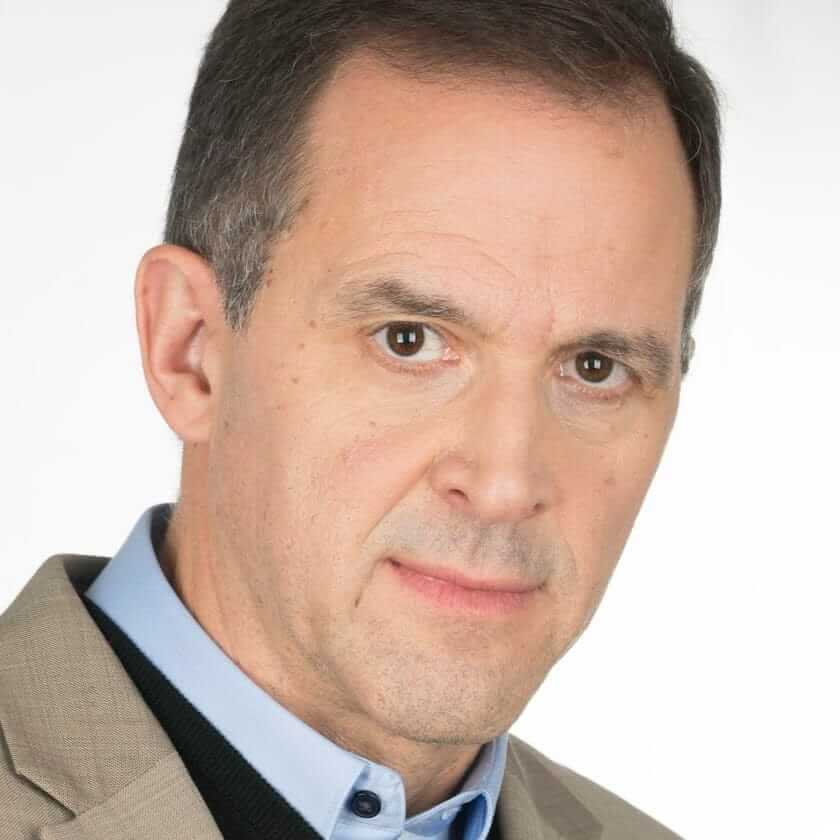
Kevin Dahill-Fuchel is the Executive Director of Counseling in Schools, a pioneering organization that embeds mental health professionals directly into New York City public schools. With over 30 years of experience, Kevin has led his organization through major collective traumas including 9/11, Superstorm Sandy, and COVID-19, evolving their model to provide comprehensive community-wide support that now serves over 6,700 students, nearly 2,000 families, and 1,400 school staff across 52 schools. His healing-centered, anti-oppressive approach recognizes emotional and social wellbeing as foundational to student success.
Community is everything!
Join our community Facebook groups:
Takeaways from the show
- Are they known? Connection matters more than appearances
- Suicide needs normalizing—make it a speakable word
- Adult wellbeing directly impacts teen mental health
- Stay present even when they push you away
- Say less, listen more, avoid proclamations
- Find beauty alongside the overwhelm—both exist simultaneously
- Resilience is practice, not a personality trait
- Meet concrete needs before addressing parenting strategies
“I’ll come back to that when I was talking about kind of that yin yang of the positive psychology push, that there is, that resilience is work and that it takes courage. But you wanna find the joy and there’s a tension there, but it’s not a tension against each other. It’s a tension kind of going in the same direction. And I think that that’s just, that feels like a kind of a real thing. You know, that if it’s just joyfulness, it’s sort of like, okay, it’s nice if I ever get there. But courage is an activity. Courage is action and joyfulness as a result. And I think that those things work together beautifully. And so I think that that’s a nice moniker. And I think it’s a great sort of metaphor, if you would, for what it takes to be a parent, whether you’re a parent of your own child or you’re an adult in the world, believe it or not, you may be seen as a model for other people. So it’s a great sort of thought to have to go through life with.”
– Kevin Dahill-Fuchel
Resources Mentioned
Columbia Scale of Suicidality
- A training tool that demystifies suicide assessment and helps adults learn when and how to talk about suicide with young people
- Makes suicide a “speakable word” and provides guidance on appropriate intervention
Dr. Maria Sirois
- Positive psychology practitioner based in the Northeast
- Offers workshops on finding beauty and meaning alongside trauma and overwhelm
- Focuses on resilience as a practice rather than a trait
Counseling in Schools Website
- www.counselinginschools.org
- Partners in Healing section (under Services dropdown)
- Free downloadable PDF activities for parents and teachers
- Resources on understanding trauma and grief
- Low-barrier engagement strategies for home use
Counseling in Schools Annual Conference
- March 5-6 (in-person conference)
- Provides continuing education units (CEUs) for social workers, creative arts therapists, and mental health counselors
- Future hybrid/virtual options planned
Dr. Tracy Baxley – Social Justice Parenting
- Author mentioned in Casey’s introduction
- Previous Joyful Courage podcast episodes: 289, 531, and 588
Community Schools Strategy
- Model mentioned that brings broader community resources into schools
- Includes services like food pantries, transportation funds, and other concrete family supports
We are here for you
Join the email list
Join our email list! Joyful Courage is so much more than a podcast! Joyful Courage is the adolescent brand here at Sproutable. We bring support and community to parents of tweens and teens. Not a parent of a teen or tween? No worries, click on the button to sign up to the email list specifically cultivated for you: Preschool, school-aged, nannies, and teachers. We are here for everyone who loves and cares for children.
I'm in!Classes & coaching
I know that you love listening every week AND I want to encourage you to dig deeper into the learning with me, INVEST in your parenting journey. Casey O'Roarty, the Joyful Courage podcast host, offers classes and private coaching. See our current offerings.
Transcription
[00:00:00] Casey O'Roarty: Welcome, welcome, welcome to the Joyful Courage Podcast. This is a place where parents of tweens and teens come to find inspiration, information, and encouragement in the messy terrain of adolescents. This season of parenting is no joke, and while the details of what we're all moving through might be slightly different, we are indeed having a very collective experience.
[00:00:30] This is a space where we center building, relationship, nurturing life skills, and leaning into our own personal growth and man. The opportunities abound, right. My name is Casey Ody. I am a parent coach, positive discipline lead trainer, and captain of the adolescent ship over at Sprout Bowl. I'm also a speaker and a published author.
[00:00:53] I've been working with parents and families for over 20 years and continue to navigate my own experience of being a mom with my two young adult kids. I'm so honored that you're here and listening. Please give back to the podcast by sharing it with friends or on social media rate and review us on Apple or Spotify.
[00:01:13] Word of mouth is how we grow. Thank you so, so much. Enjoy the show. Hey everybody, how's it going out there? How is it going? I'm jumping in before this week's interview, uh, because I wanna see how you're doing. Um, I know not all of my listeners are from the United States, but most of you are, and my guess is because you tune in here and you're, you know, lined up with the philosophy that I put out into the world that you, like me, have been living on edge a bit the last few weeks or the last few years, right?
[00:01:53] And those of you that are outside of the United States, I know that you're watching and having an emotional experience about what you're seeing as well. I wanna read you something that I posted on my personal Facebook page this week, and I'm bringing it up. 'cause I think it's really important to be explicit about the work that we're doing here.
[00:02:13] And how we're impacting the world by choosing into this style of parenting. So I started with a quote. It is no measure of health to be well adjusted to a profoundly sick society, and that is from Krishna Mutti. I saw someone share this and it hit hard. I'm not taking to social media a lot about the shit storm of events that are going down in our country, but that doesn't mean that I don't care.
[00:02:39] I feel like I'm watching a horror movie every time I open up a news app. I lean into social justice by looking at my microenvironment. How are the actions that I'm doing or taking in my life, making a difference and bringing peace and possibility to the world? My work revolves around supporting parents with bringing more mutual respect to their relationships with their kids.
[00:03:02] This isn't something that just happens. It's something we have to nurture and develop. It's something we have to practice even when it's hard to do. And for some of the parents I work with, it's something that they need to learn to do. Mutual respect in this context is not, I will respect you when you respect me.
[00:03:22] Mutual respect in this context is I will respect you, and I will respect myself and the situation. Can you hear the difference? I go on to write. When I dip into current events, I see so many grown people who clearly don't understand mutual respect to the extreme. I see fragile egos, fear, power, hungry individuals who along the way got misguided ideas about how to feel a sense of significance.
[00:03:54] I see delusion and inner pain playing out on the streets of our cities. I see lies and manipulations. I see us versus them. Power over strategies that are in such contrast to what it means to be human and a part of a collective community. We have a profoundly sick society At the heart of it, I write my work with parents is designed to increase the likelihood that their kiddos become adults, who have a strong sense of self, who are reflective, who understand that making the world a better place for all.
[00:04:30] Is making the world a better place for them? My work with parents is designed to send young people out into the world from family systems that worked to develop all parts of them. Their critical thinking, yes, their ability to self-regulate, one where they leave feeling accepted, loved, and believed in.
[00:04:51] Because what I'm seeing playing out on the national stage are adults who are making decisions from a deeply wounded place. I see grown ass adults looking to fill the void of their own fear and pain by creating that for others. So I'm over here quietly doing my work, tending to my family, and trusting that there are others out there doing the same.
[00:05:16] My heart aches for all of the victims of ice. Those like Renee Goode, who have been shot and killed, wounded families that have been torn apart, rounded up. I mean, what the fuck is even happening there? My heart aches for families with queer kids, trans kids, and the extra layer they feel each time their kid leaves the house.
[00:05:42] My heart aches for all marginalized communities because racism, ableism, sexism, it's all very much alive. We can do better. Stop the madness, vote, volunteer. Do what you can do in your micro world that supports the larger picture. I believe in you. I believe in us. Yeah. So I posted that on my personal Facebook page, um, because this is what I believe the work we are doing together, bringing more positive discipline into our households and relationships.
[00:06:19] This work has the power to change the trajectory of the world. I am certain of this, we are all called to speak out differently. Some of us have platforms, digital or literal, that we can speak from. For some of us it's that real person to person interaction. Those those small conversations day to day that we have, and man, it is so much, it's a lot.
[00:06:43] I am really excited that last week I interviewed my friend and colleague, Alison Schafer, for the show that's gonna come out next week about how to be with the news with our teens and young adults in a way that supports them in not only their thinking about what they're seeing, but also in sifting through their emotions.
[00:07:03] And in some cases, like with my kids, one of my kids, especially the dread and hopelessness that comes with what they're hearing and seeing humans have been in the darkness before and goodness has prevailed. I am holding faith that together we can move out of this dark, dark time and back into the light.
[00:07:26] And I have a few episodes that I wanna share where I have an amazing guest, Dr. Tracy Baxley on. She is the author of Social Justice Parenting and she was with me for episodes 2 89, 5 31, and 5 88. So I encourage you to check any or all of them out and hear from her work and wisdom. So yeah, stay strong, take care of yourself, be brave, show up when you can.
[00:07:56] Just really feeling moved to share all of this, feeling a sense of responsibility. To share these thoughts with you. Thank you for doing your work. Uh, that's all for me this morning. Uh, I'm really excited for you to listen to today's interview. It doesn't have to do with social justice, but on some levels it does because it's all about mental health support and resources in schools, and being supported in our mental health.
[00:08:23] And fighting for that is also social justice. So, yeah. Friends, I will see you again next week. Enjoy the show.
[00:08:34] Hi listeners. Welcome back to the podcast. I am looking forward to having you get to know my guest today. His name is Kevin Day Hill Fal. Kevin is the executive Director of Counseling in Schools, which is a pioneering organization that embeds mental health professionals directly into New York City public schools.
[00:08:57] With over 30 years of experience, Kevin has been on the front lines of some of our most defining collective traumas. From nine 11 to Superstorm Sandy to the COVID-19 pandemic, evolving CI's model from individual counseling to comprehensive community-wide support that now serves over 6,700 students, nearly 2000 families and 1400 school staff across 52 schools.
[00:09:26] Kevin's work centers on a powerful idea that healing happens in relationship, and that true change requires supporting entire ecosystems, students, families, and educators alike. His healing centered, anti-oppressive approach recognizes emotional and social wellbeing as foundational to student success.
[00:09:47] Building collaborative models where everyone's wellbeing is prioritized from the classroom to the family dinner table. In this conversation, we're planning on exploring what parents can learn from Kevin's decades of experience about closing the gap between knowing and doing when we're triggered, building resilience in our families when everyone is running on empty, and creating the conditions for our teens to truly thrive even in challenging times.
[00:10:14] Hi, Kevin. Welcome to the podcast.
[00:10:17] Kevin Dahill-Fuchel: Thank you, Casey. It's wonderful to be here.
[00:10:19] Casey O'Roarty: Yeah, I think this is such an important topic. I'm really excited to explore it with you. You've been embedded in the New York City schools since 1993. That's a long time of witnessing kids and families and communities navigate, challenge and change.
[00:10:37] What brought you to this work originally and what moment or experience along the way made you realize that the traditional mental health models weren't enough to truly support kids and families? I.
[00:10:50] Kevin Dahill-Fuchel: So when I started in 1993, the organization was, was, was pretty young and I was connected to the two, two women had founded this organization.
[00:10:59] And really the premise on which they founded it was really what drew me to it and what kept me connected to it, which was they were both working, uh, simultaneously at a small program in a school that they, they were in a mental health clinic and the mental health clinic was there to serve families, particularly younger children and young mothers.
[00:11:18] And in the small school program that they were in, their days were quite busy and they were seeing child after child and they were navigating that space. And in the clinic, um, where the cases were more complicated and things were a little bit more difficult, they were having a lot of inconsistency with their access to, you know, to the children and the families for reasons that they certainly were not blaming the parents or children for, but they understood like getting to another location was really different from being in a place where children and families come.
[00:11:48] What I would quote unquote call naturally.
[00:11:50] Casey O'Roarty: Mm-hmm.
[00:11:51] Kevin Dahill-Fuchel: So that was really the impetus and that really, you know, struck me as I joined the organization and connected to it was really being not just, you know, making it easy for families and children to access, but being in the environment where the pieces of their lives were playing out.
[00:12:09] That were going to build the blocks for a healthy emotional stability and social skill development right there at the same time. So it really is a unique opportunity that really was compelling to me and has been compelling to me as I sort of worked initially as a counselor in the organization, a supervisor and a number of other things until in 2012 I became the executive director.
[00:12:31] So yeah, it really is an effective approach of embedding and, and becoming a part and partner with the school. And that's a whole other part of the conversation I can go into, but that partnership is critical in order to have the right. Relationship with the children and families?
[00:12:46] Casey O'Roarty: Well, and it's such a different model.
[00:12:48] I mean, most of the time we hear about, or I hear about from friends that are school counselors or people in my community talking about just the, the level of workload that those singular counselors, you know, in charge of hundreds of kids, even going in my own son's experience, you know, we needed the counselor just to help with college planning and scheduling.
[00:13:12] And I remember having a one-on-one with her and her saying, you know, Ian's not necessarily a kid that I would see because no major crisis is going on. So he kind of is writing, you know, outside of the radar. I went to teacher school in the late nineties and there was conversation around how important it is to bring services to where families are, you know, and now it's 2025.
[00:13:39] And programs like yours, I mean, are, is it still kind of a novelty to see counseling in schools the way that you all have nurtured it and grown it in New York City, or is this something that is happening in other places across the country?
[00:13:55] Kevin Dahill-Fuchel: Uh, it's certainly happening here in New York City to a degree. I think it's important to distinguish between models where there are third party billing organizations that sort of set up clinics in schools.
[00:14:07] Casey O'Roarty: Okay. And
[00:14:08] Kevin Dahill-Fuchel: so they run like your outside clinic, but they're inside the school. And yes, you, you've accomplished the, the barrier. You, you've helped the family overcome the barrier on the one hand. On the other hand, there still is. So there's this third party engagement that's a part of that process. Where as the, a bit of what's unique about us is that as a nonprofit organization with grant funding and outside funding, there's, there's no exchange of, you know, there's no transactional exchange with the family other than permission.
[00:14:36] Okay. Um, and consent and in, in continuous collaboration in the process, which I think makes it, you know, sort of much more, um, you know, it, it, it helps it stay connected.
[00:14:46] Casey O'Roarty: Versus
[00:14:47] Kevin Dahill-Fuchel: having a third party involved, which wants to mitigate a, you know, a treatment plan or a diagnosis or a payment structure or a number of visits or what counts as a visit, what's a collateral?
[00:14:57] I mean, you know, I've been part of clinics like that and, and I think what we do overcoming all of that, I mean, our people have the training and, and we do use, we do internally have treatment plans and we review them and we look at evidence-based models for engagement with our, with our families. Mm-hmm.
[00:15:15] Um, but we're not reporting that out to anybody or getting permission from them. We have a clinical director and a clinical team that reviews these things and case notes and all the things. And we have permission from the state of New York to hire licensed clinicians to do this. There's a whole other sort of professional aspect to this that needs to be properly vetted.
[00:15:32] You don't just sort of, you know, drop someone with a license into a school to do it on their own. Mm-hmm. Um, but it really sets up differently than that counselor you mentioned who really is probably part of the larger school. You know, network, uh, employees. Mm-hmm. They're under the supervision of maybe an assistant principal or a principal or somebody else, but their mandate is so broad Yeah.
[00:15:54] That their capacity to go deep and really start to create a strategy for wellness within the school community at large, that just isn't there. Yeah. You know, those are the advantages I think that we have. Being kind of on the outside, on the one hand, while working on the inside,
[00:16:11] Casey O'Roarty: does your program. Solve the problem of capacity as far as like having enough people in the schools?
[00:16:22] Kevin Dahill-Fuchel: I think in some schools, yes. Um, and others, you know, it, it's tricky because it's gonna come down to funding. Like I said, there's, you know, the grant part, that's the other side of the nonprofit. Right. Some of it should be more baselined. You know, one of the things that happens quite frequently is that staff who work for us in the schools, if there's an opening in the school for one of their positions, they'll hire our staff out of our organization because they know how to do these things I'm talking about.
[00:16:48] And you know, they're able to kind of like, you know, as a nonprofit, we have a different compensation structure than the city does, right? So there's a Sure. A struggle there, but they, but they get those people. But yeah, I think it's, I mean, I think it's more, um, more aligned to breaking down the, the, the, those students that typically in schools there might be, you know, you'll hear it said that, you know, 10% of a population takes up 90% of the resource.
[00:17:17] So it may not be that every student has a counselor, but those counselors are now more able to focus on the type of students that they're really trained and capable of reaching. Mm-hmm. And we're working with the students that when they're paying attention to them in the way that they know how, they're not really making progress, but they're taking a lot of their resources and of time by re by time, by resource spending time.
[00:17:39] Yeah. And they're taking a lot of that, so we, we relieve that significantly.
[00:17:43] Casey O'Roarty: Yeah. Well, and it sounds like it kind of also allows for. Like the gal that my son worked with to do things like write college letters and kind of meet with students on maybe some lower level needs versus those high needs kids that are really in a mental health situation and need that kind of support.
[00:18:08] Exactly. So you, and as I mentioned in your bio, you have led CIS through some of you know, the biggest crisis of our time, nine 11, Superstorm Sandy COVID, 19. What have these collective traumas taught you about the relationship between a school community's healing versus that individual resilience, especially.
[00:18:36] For young people.
[00:18:37] Kevin Dahill-Fuchel: Yeah. I mean, I think, you know, one of the things that we can wanna communicate is that, you know, we talk about healing centered work, but we also wanna say that we think schools can be centers of healing to changing those words around a little bit. But significant, because schools really are the center of a lot of communities.
[00:18:55] Casey O'Roarty: Mm-hmm. And they're
[00:18:55] Kevin Dahill-Fuchel: the places where, again, going back to what I said earlier, kind of people come naturally, like it's a, there's a draw to it, part of it by mandate, right? Everybody needs to be in school, but at the same time, the opportunity then that's there to impact the, you know, a larger group outside and to bring other resources in.
[00:19:17] So during those crises, like Superstorm Storm Sandy, for example, and COVID. We're connecting with local religious leaders. We're connecting with local food pantries. We're connecting with other, you know, like after school, like the YMCA or Boys and Girls Clubs or other things. And those people are coming with us into the school, connecting with the community that is around that, that school building resources get distributed much more effectively.
[00:19:43] People have. You know, I isol in any one of those crises, one of your biggest concerns is isolation. That, that people are going to feel isolated in their experience. Um, you know, either because they need resources, but even to be able to sort of process what it is that they witnessed or what they're going through, or feel like they're not going through it alone.
[00:20:05] Those things are very difficult to sort of overcome when you just sort of think like, well, I mean, I'm thinking about Superstorm Sandy for a minute. Like, you know, here in New York City, you know, whole communities in the Coney Island area were just wiped out, like buildings you couldn't go into things were so you were not gonna go into.
[00:20:22] The hospital or the clinic building. And certainly during COVID you weren't gonna go into the hospital either, right? But when you could start to come back into school or you were sent to another school 'cause your school was flooded during Sandy, that was a place that you could gather all the people and you could really share the resources and you could really have some of those conversations.
[00:20:40] And that isolation, we watch that isolation go away. Some of the techniques we use, we use a lot of art therapists as part of our, you know, staff of people who deliver the services. We did a lot of sort of large group of art projects during those large crises. Again, giving people a common connection, something an artifact at the end that they could sort of, you know, connect to later and, and come back to.
[00:21:03] And something that that sort of symbolized the kind of resilience, the kind of movement forward out of the crisis after you've kind of had a chance to process what you've been in, then doing something that's creating something that wasn't there before. It takes you forward.
[00:21:17] Casey O'Roarty: Takes
[00:21:17] Kevin Dahill-Fuchel: you out of that moment of, you know, just being sort of stuck in it.
[00:21:21] Yeah. Um, and so those were all things that really worked for us in that space. And again, schools being the place to do it, we didn't need. You know, like, where else would we have done it? You can't.
[00:21:32] Casey O'Roarty: Yeah.
[00:21:32] Kevin Dahill-Fuchel: You know, it's hard to find what to even think about who would have the resources, what would be an appropriate space to kind of have people sit around in or do art or what have you.
[00:21:41] And, and, and, and interestingly enough, you know, both of those crises I just mentioned, uh, COVID and Superstorm Sandy, the federal government has a program they call Project Hope. And, and that's sort of their label for any large crisis. And then it's Project Hope coping with COVID, or Project Hope, Superstorm Sandy Recovery.
[00:22:02] And when we were doing that, initially they were wanting to have people kind of go door to door. And we were saying, how about we going to schools? And you're like, wow, that's not really part of our model. We're like, but let's try it. So we piloted it in one place, and all of a sudden that was now when we got to the next crisis COVID, they were like, okay, who's gonna work in the schools?
[00:22:21] Casey O'Roarty: Yeah. You know,
[00:22:21] Kevin Dahill-Fuchel: so it just, it, you know it, for whatever reason, it wasn't an initial thought. Once it kind of comes to fruition, you're like, aha. Yes. The schools people will come to the school before they would, you know, some of the ideas were, we'll send 'em to the police precinct, or we'll have them go to the firehouse.
[00:22:37] And it's like, well, people have certain associations with those places, right? Yeah, yeah. But you know, you come to school to learn to grow, even though again, people somehow sometimes have negative experiences. Yeah, for sure. But overall, you know, it's a symbol of forward movement. It's a symbol of something that's, you know, giving life.
[00:22:56] Um, yeah. And so it really works
[00:22:58] Casey O'Roarty: well and such a gift to this school staff community. I remember being a very young teacher, and I remember the morning of nine 11 over here on the other side of the country, not where you all were watching it. And then having my kids come in and very quickly realizing. Oh, their TVs have been on all morning, and especially I had some really young boys that during our morning kind of free time, let's kind of settle into the classroom.
[00:23:32] All they wanted to do was build block towers and knock them over. It makes me emotional to think about it because I was 25 years old. I had no idea how to navigate what I was seeing and some of the things that they were saying, and I really responded to the mi, you know, what I saw as misbehavior. That was so uncomfortable to me that I just wanted to shut it down, versus recognizing at that time that these boys were trying to make sense of what they had just watched, which was abstract to them.
[00:24:08] Now I realize so much more, of course, but I feel like they're, it's an impossible. Job that we're expecting classroom teachers to be fluent in the curriculum. Yeah. Fluent in, you know, their own personal growth and relationship. And then this whole, you know, trauma informed and understanding mental health.
[00:24:35] Like it's so much to expect a classroom teacher to be able to navigate that. I could see how something like counseling in schools, and I'm guessing, I think that you're gonna, you know, you can share with us about how it also is so supportive of that school staff that's just trying to meet each kid who's walking in the door where they're at, and some of them holding a lot of trauma, whether it's collective or their own personal family experience.
[00:25:03] Kevin Dahill-Fuchel: Absolutely. And, and you know, you just gave a great exposition on exactly why as an organization we moved into doing training as well as, you know, working with the families in, in the community. And, and part of that is to, you know, as, as you were expressing that, I was feeling it, you know, from you that, that, that there's a burden.
[00:25:23] You know, there's a sense of like, how much more do you need me to do? And even when we start our training, sometimes there's a resistance of like, oh, you're gonna train me in this, now I'm gonna have to do it. Like, that's not, oh, it's teachers,
[00:25:34] Casey O'Roarty: man, teachers are a tough audience. I do teacher training and they're like,
[00:25:38] Kevin Dahill-Fuchel: like I married to one who, you know, so I.
[00:25:42] With it. Um, but I think what we get to is that no, you don't have to do it. You have to know enough to know how to hold it, to get it to where it needs to go.
[00:25:53] Casey O'Roarty: Mm.
[00:25:54] Kevin Dahill-Fuchel: Yeah. And that'll be a relief to you so you can, so that you're, you won't take it home with you at the end of the day. You won't be thinking about it later.
[00:26:01] I mean, you might because you care about the kids, but not in the same way where you're. Going home with that second guess of like, did I do the right thing? Didn't I do the right thing? Was that supposed to happen and should I have reported that to somebody I didn't, or I did, and now is that, oh my gosh, did I cross a boundary?
[00:26:15] Did I like, what am I doing? Yeah. And you know, when you get some real, like simplified, but not simple guidance on those things, then you're just like, oh, okay, I see what I seen. He's trying to take control of what he doesn't understand. He's building in a breaking build. Mm-hmm. That's a model of control.
[00:26:35] I'll let him, you know, have that control. If he's knocking the blocks into another person and hurting them, that's the boundary. Right. But building a, you know, what el, what are the other people doing? Maybe I'll ask another student like, Hey, do you see what you know Casey's doing over there? You know, what do you think?
[00:26:51] What do you think Kevin's doing?
[00:26:52] Casey O'Roarty: Mm-hmm. Oh, he's
[00:26:53] Kevin Dahill-Fuchel: doing that thing, you know, like. And you know what you brought up for me when you were telling that too, was like here in, in New York, and I'm sure it was everywhere, but children, because they saw it so many times, they thought it was happening over and over and over and over
[00:27:06] Casey O'Roarty: again.
[00:27:07] Mm.
[00:27:07] Kevin Dahill-Fuchel: And you know, we know some younger kids who got really afraid to walk outside new, a tall building.
[00:27:13] Casey O'Roarty: Mm. Because
[00:27:14] Kevin Dahill-Fuchel: it was like, well those come down. Yeah. And it was like, what do you mean? Like it was only No, they, I saw it. I saw it. They kept happening. It kept happening. You know, and there was all kinds of other, you know, ways that young people interpreted that, that you needed to let them get out.
[00:27:29] Because if they just held it, you don't know where, what. They were gonna end up with two and two equals nine in their brain about how the world works. And if they didn't share it, we wouldn't have had a chance to kind of like, let that go through and come back into a sense of, you know, an agreed upon sense of how the world works.
[00:27:46] Casey O'Roarty: Yeah.
[00:27:47] Kevin Dahill-Fuchel: Um, so yeah, so it, so it's a lot, but working with the teachers becomes, you know, and, and I think about it not just as teachers, you know, and, and I think we'll talk more about this as we go forward, but it really is about all the adults that are in a school building and the role that they play in the life of any young person who's in a growth state in that building.
[00:28:08] Yeah. Um, and I think every single adult is in the ra, you know, is on the screen Yeah. If you would, of that child. And every single adult is making an oppression.
[00:28:18] Casey O'Roarty: Yeah.
[00:28:18] Kevin Dahill-Fuchel: Um, and so, you know, that that can be nerve wracking, but it can also be comforting in the sense of like, I know, like I'm gonna find confidence in myself and that's gonna be the first thing they see.
[00:28:29] So they're gonna see a confident person, they're gonna learn how to be confident. Right. I'm gonna know enough to know what I know and know what I don't know, and I'm gonna be able to do what I do well. And when I don't know, they're gonna see me sharing with somebody else who helps me learn about how to do it better.
[00:28:42] Like all of these things, I don't, I don't have to be all things to all people. I just have to be who I am solidly, you know, and bring that to the table. And that's gonna work. And if everybody does that, we'll have complimentary skills and a child will see, oh, that's what a future me might be. It might be a future Casey, or a future Kevin or Billy or Bob or whatever.
[00:29:02] Um, and those are important things.
[00:29:13] Casey O'Roarty: So I'm a positive discipline lead trainer, so I work, I have in the past worked with entire school staff, so classroom teachers and specialists and classified staff, and those are the schools where Impact is, is so great because you never know which adult in the building any given kid is going to build connection with.
[00:29:38] And to have them all have the information that you're talking about, I think is is really powerful. And you know, considering how many schools your organization is in and how long you've been in this work, you are like front row to some of the patterns that are currently happening. And I wanna get specific around adolescents and those middle and high school kids.
[00:30:01] What are you noticing about the mental health crisis that we're all hearing about? First of all, what are you noticing, and then secondly, what do you notice is missing from conversations about how to be with it and address it?
[00:30:18] Kevin Dahill-Fuchel: Yeah. Um, I think first thing I would say, you know, I'm sure is, is not something that hasn't been said before in terms of what, what this mental health crisis looks like for, for adolescents and young teenagers, you know, is, is that they're really struggling in the social skills development, like the, their ability to have relationships that are satisfying to them.
[00:30:42] Casey O'Roarty: Mm-hmm. Um,
[00:30:43] Kevin Dahill-Fuchel: or you know, and that's hard to get inside someone's head to know what's satisfying or not. But just from the outside looking in, you see, you know, less kind of joyful, fewer kind of joyful connections or longer term connections to a friend that was been had for two or three years. The connection seemed to be.
[00:31:00] Kind of transient and, and maybe almost, you know, again, from an adult outside perspective, maybe a little bit shallow based on this person's kind of a good Instagram poster, or they have, uh, you know, whatever they do that draws positive viral type attention. So they have those relationships. But are they really known to somebody else?
[00:31:20] Are their vulnerable, are their vulnerabilities, you know, you know, honored by somebody else? And are those relationships really building? And then, you know, within that you see more isolation. And certainly, you know, the rate of suicidality and, and suicide attempts is well documented. And, and, uh, should be and is, is needs to be of concern to all of us.
[00:31:40] And, and to understand, you know, where that isolation comes from and that it doesn't always look like someone sitting in a corner by themselves. Like you can be in the middle of a group of people looking and you're laughing. You really may have no connection to them and you really may be suffering tremendously because we are placing so much on appearances and there's a, a, a great as if quality going on.
[00:32:04] I mean, there's always been a little bit of like, you know, you try on as a teenager, right? I don't, yeah. I think I would've been caught dead in a, you know, in a button down shirt and a sweater. You know, it's like, look at you now, Kevin, a whole different image myself, man. I was like, you know, gonna Rolling Stones concerts and doing the thing, you know?
[00:32:21] Casey O'Roarty: Yeah.
[00:32:22] Kevin Dahill-Fuchel: Um, but, you know, you do those things and so I feel like I had, you know, I didn't have the constant, the, the impact of social media is what I'm getting at a little bit. Yeah. As part of this crisis, along with COVID and the isolation and the years that were missed of some of the, of some of this, just the exchanges with other people that would've allowed you to kind of had a history, have a history with them that you could bring along with you in your next grade.
[00:32:45] And, and that also includes families then, right? So you, you know, a lot of our friends in my life are friends that we had because our children made friends with their children.
[00:32:56] Casey O'Roarty: Mm-hmm. And we got
[00:32:56] Kevin Dahill-Fuchel: to like them, and now we're friends. And those things, you know, also sort of broke down during that period and need to get rebuilt back up.
[00:33:04] So I, I see those as being the predominant factors and the, and really what it looks like. Um, again, as I said, it's a lot of as if behavior, a bunch of, you know, sort of shallow looking relationships and, and people who are just, you know, not, I guess one of the ways it really shows up is you see a lack of confidence.
[00:33:22] Like there, there, there's a little bit less risk taking, and I don't mean less risk taking in the realm of like doing something that you might think is like, oh, their frontal lobe has not been developed yet.
[00:33:33] Casey O'Roarty: Mm-hmm.
[00:33:33] Kevin Dahill-Fuchel: But risk taking in terms of. Going to say hi to somebody that you wanna say hi to, that you really admire, or being willing to say to somebody, you know, I really appreciate like what you're doing, or, I really like you, or, you know, going up to, to an adult and saying like, how can I, you know, how can I be a part of this club that you're doing?
[00:33:52] Like, yeah, they're not going to it. They're having to be dragged to it, and we're, we're kind of making these decisions for them because we feel like it's not happening. We have to make it happen. And so there's this, this, this, again, back to this feeling of isolation, which leads to obviously the, and it's most desperate, you know, attempt of, of suicide, which we have to pay a lot of attention to.
[00:34:12] Casey O'Roarty: Yeah. Well, I wrote down something that you said that I think is so profound, which is are they known? Yeah. Because I, you know, I've got two very different kids, both have been on the podcast and you know, one fits very neatly into this, especially as a young adolescent. You know, the importance of how do I look And, but also like, don't look at me 'cause I'm really anxious, but I'm also gonna spend, you know, two hours getting ready and then crippling anxiety in the hallway.
[00:34:47] And no way am I talking to a teacher. And then another one who just temperamentally was more easygoing and more open. And, you know, what I am abundant with in my life is friends and friendships. And I've got all these friend groups from different parts of my life and also just naturally very open and authentic and myself.
[00:35:10] And I want that so much for my kid and, and kids. And it's so interesting to be an observer and to like, I can feel in my own heart just remembering that pain of, wow, they're so guarded. Mm-hmm. They're so afraid of being seen and being known. And I think that that's. Not really talked about, like, that's not really where conversations head very often, um, when we're talking about what's going on with adolescents today.
[00:35:41] So I really appreciate that, and I think it probably goes hand in hand with that lack of confidence that you're talking about and then the strong arming as if, right. Well, you're not doing this, so I'm gonna do it for you. And if any of us, you know, have raised a teenager, we know how that works out. Yeah.
[00:36:02] So what do you feel like is, you know, when the adults are talking about this mental health situation with the adolescents right now, what are they not capturing? Like, what's being missed in these conversations, do you think?
[00:36:15] Kevin Dahill-Fuchel: Th thank you for that because I think there's two really important things, and I'll say, well, they're kind of equally important.
[00:36:20] I was gonna say one's more important than the other, but fir first of all, in the, in the realm of suicide. I think it's important that adult communities, certainly adult communities in schools, get some training. There's a, there's something out there called the Columbia Scale of suicidality, which has an, offers a really easy way of just kind of going, part of what it does is demystify the word.
[00:36:42] Casey O'Roarty: Mm-hmm.
[00:36:43] Kevin Dahill-Fuchel: And allow you to say the word without, like saying like, oh, we have to talk about suicide. Right. 'cause you're sort of somehow thinking that you're going to plant the idea. Right. Um, or, or a bunch of other notions. Right. And, and again, if someone's feeling isolated in that way. If they need to know that it's a word that can be spoken like at an earlier phase of someone being beginning to feel that, that level of hopelessness, if they start to hear other people say, or just know that it's a concept that can be talked about, that's a big step towards inter intervening in that, whether you're addressing the student directly or not, but just if there are regular mental health classes in schools or things talking about suicide, just like you might talk, you know, we became very comfortable talking about like STDs and other types of health crises.
[00:37:30] Mm-hmm. But we don't talk about the mental health crises in the same way. We might talk about depression a little bit and what it looks like, but when it comes to suicide, there's a, a real taboo and I, and I think it's really important to. To, for us to, as adults, because we grew, I grew up where that was a, a taboo type word.
[00:37:47] Casey O'Roarty: Mm-hmm.
[00:37:47] Kevin Dahill-Fuchel: Um, to figure out how to like, let go of that and understand and this sort of training that you can do helps you see that and you see a few vignettes and you understand the research behind it and you see the different things. It's not just a kind of a, you know, a fad. It's like really well put together, understood about what happens to us as people when we hear something repeatedly that allows us to feel like we can connect to it versus something that's whispered and only talked about in the corner, that you're gonna have shame if you connect to Right.
[00:38:16] Casey O'Roarty: Or like, oh, this adult can't even handle. What I'm going, like, I'm not gonna expose myself to this adult. They can't even speak into my experience. Exactly. I think that's really powerful. Exactly.
[00:38:27] Kevin Dahill-Fuchel: And, and, and then it even gets broader. 'cause then you, as a, as the young person, you think, well, Casey can't even say, I don't think Kevin can say it.
[00:38:33] And I don't, the whole place can't say. Right. Nobody can and, and you just, none of the adults get
[00:38:37] Casey O'Roarty: it. Yeah.
[00:38:38] Kevin Dahill-Fuchel: None of the adults get it. And, and that's my second. Piece of what I think is missing in the conversation is paying attention to what the wellbeing and social skill development of the adults are in the life of the children.
[00:38:53] I mean, I was really liked hearing you talk about yourself and the way you form relationships and, and, and coming from various parts of your life. I think for your children, while they might not jump into all of it immediately. That's gonna be an incredibly accessible model for them to see how that works and what that can look like and how, and they, you know, may, may not immediately see how to recreate it, but they'll think about how to recreate it.
[00:39:17] Casey O'Roarty: Mm-hmm.
[00:39:17] Kevin Dahill-Fuchel: Um, because they see you as a happy person and then you know, someone that is gonna be, you know, a model for them. And I think, you know, as I was saying earlier about how every adult has an impression, I think the way the adults in a school community socialize the way people sort, you know, are people finding joy in their work, in their life?
[00:39:37] Are they able, are they, are they passionate? Are they, you know, like what? All of those things. So if we're, if we, if we're thinking that kids look apathetic, well, do the adults feel kind of hopeless? Do they feel kind of like out of control? Have we really paid attention to the impact that COVID had on all of us?
[00:39:55] Even if we. You know, we could adapt to the isolation a little bit better because we were already formed in our social networks and so on. But still, you know, I, I think about COVID as a, as a kind of a leveler, um, when in, in urban education environment, so, mm-hmm. You know, I used to see and kind of think about there was a gap between the experience of trauma that some of the students in our schools have and, and the staff.
[00:40:20] And so the staff was sort of able to be more anchored to sort of hold the space for the other experiences. They may or may not have understood them completely, but they were empathizing with them and they could hold that, and children felt that there was a security around them that. Left with COVID and now the adults and the kids kind of like, you know, we had cousins die.
[00:40:42] We had, you know, family members in on ventilators. Like we went through these things and now we're coming into the schools and, and being asked to like, take on that role again of like the, the well person for the young person we're not well, right? Mm-hmm. Like there's not nearly enough attention paid. And I still think it's lacking to pay attention to how the adults are doing from an emotional, you know, emotional wellbeing perspective.
[00:41:08] What's needed around that on a regular basis. It's not a one-off, it's not a self-help day. It's not just take a massage once a day or go have a glass of wine. It's a consistent practice that needs to be part of the culture and the environment that you're in. And then how do you set up opportunities for social skill development?
[00:41:26] So I'll use a corollary to what you're talking about, friends from different aspects of your life. Well. Do you have connections to different aspects within the school? Does the person who you know, can you sit down with the person who serves your kid, the kids' lunch all day as a teacher and have a conversation about whatever and, you know, enjoy each other and, and get to learn about the school secretary as well as the custodian, as well as the math teacher or your assistant principal?
[00:41:51] Like, how is that all work? Because if that stays in the silos and the strategies that it's in and people are cut off, and then we're wanting our students to sort of understand diversity. And you have to, you have to be friends with people who are different than you and you have to work across your understanding.
[00:42:06] They may have a different way of seeing the world, but you know, they're a person too, and da, and we put all these lessons in our SEL curriculum and then they don't see it. Yeah. They don't see us doing it. If they saw us doing it and then we're teaching it, then I think you've got something. And I also think that's gonna positively impact the mental health of, of children.
[00:42:27] Casey O'Roarty: Yeah. If
[00:42:27] Kevin Dahill-Fuchel: we're working on and getting better as adults and, and it's hard. I mean, I'm not, it's not easy. The world's nuts. Well, oh my
[00:42:35] Casey O'Roarty: gosh.
[00:42:36] Kevin Dahill-Fuchel: Seriously, there's
[00:42:37] Casey O'Roarty: that special opinion.
[00:42:38] Kevin Dahill-Fuchel: The world's nuts. So how do we get okay with it and find ourselves being okay to the extent that's truthful?
[00:42:45] Casey O'Roarty: Yeah.
[00:42:45] Kevin Dahill-Fuchel: And that truthfulness with ourselves because the authenticity is what the children are to connect to, and that's the teacher, you know, within a blink of an eye, A child knows whether you're authentic and there with them or not.
[00:42:59] Yeah. Like the, the assessment skill is phenomenal. It's at the speed for,
[00:43:04] Casey O'Roarty: I say adolescents, they have a fine tuned bullshit radar.
[00:43:09] Kevin Dahill-Fuchel: Oh, a hundred. Yeah.
[00:43:10] Casey O'Roarty: And, you know, and I think too, what I'm hearing you talk into, I think is, is what makes it so hard. It's like a, it's a challenging pitch, right? Because there's all these layers.
[00:43:24] Like you're speaking into the relationships that the kids are watching being modeled. You know, when I talk about the work, you know, the work that I do with parents of teenagers, I'm so grateful to also be embedded in my own relational experience and really lean into the tools that I am sharing with others and the mindsets that I'm sharing with others, and really walk that model for the people that I'm serving.
[00:43:55] And when the, I mean, yeah, when the people are children, they have to see the practice playing out in front of them. And you know, the SEL program that I've been a part of sharing in schools says, just what you said, this isn't like. A one month unit on social emotional learning. What we do is we teach teachers how to use a classroom meeting model.
[00:44:21] Mm-hmm. For problem solving and belonging and significance. But before we get there, we're teaching all the skills that the kids need to sit in that circle and to problem solve in a constructive forwarding, you know, informed way. And then it becomes this practice that is, you know, multiple times a week they're in this laboratory of social emotional practice versus the counselor coming in for a week in November and doing a lesson on empathy and then stepping out.
[00:44:56] So I really, I really appreciate that. The other thing that I'm thinking about, especially with our teenagers, you know, I have a lot of clients who it's very obvious that their kids need support. And I lived this as well, and then having that. 15-year-old say, I'm not gonna go see, I'm not gonna go to a counselor.
[00:45:16] I'm, I'm unwilling, you know, they're unwilling for whatever reason. So, talk about how having people embedded in the schools can kind of help with that challenge of, well, my kid won't go mm-hmm. And get the support.
[00:45:33] Kevin Dahill-Fuchel: Yeah. And I think a lot of that, breaking that part of that barrier down again, depends how you frame it in the school.
[00:45:40] So when we are embedding in a school, we'll have a space where we can meet with students, but it's not really like a big sign on the door that says, you know, poorly adjusted, not doing well. Children come here, um, come to therapy. Come to therapy. Um, your parents will be happy that you did.
[00:45:58] Casey O'Roarty: Yeah.
[00:45:58] Kevin Dahill-Fuchel: Um, all of that would send them running.
[00:46:01] Um, so, you know, it really is how are we integrating into spaces where, you know, there are opportunities for us to be. So some of, again, using creative arts therapists has been a really important way of doing it. So the, we have arts as a way in and they're trained the creative arts therapists, but this young person really loves music and they wanna mix and make music, and they're gonna do that.
[00:46:25] That's what they're gonna do. They may, or, you know, I mean, we're gonna talk to the family about what we're doing and the child's gonna know. I'm not saying that we're pulling one over on anybody, but they're gonna be really excited about like, Hey, we've got a soundboard and someone here that's gonna help us mix some music.
[00:46:38] And, and it's like, yes. And we're doing, as we're doing that, we're gonna wanna kind of, you know, let you learn about yourself through the music that you get to create. Mm-hmm. Okay. I mean, it's like, sure, yeah. Um, but that person's paying attention and thinking about it and then meeting with the family and talking about different things.
[00:46:54] And as things come up through that process, that's one of the ways that that can work. Also, you know, we've, uh, in, in the data that we collect, the biggest cohort of, like, most of our referrals come from other students. So once a student starts to work with one of our counselors, they'll say, Hey, you know, Kevin, um, I think Casey is somebody who might really benefit from this too.
[00:47:20] Can you see if she can participate? Um, so I'll say, sure. And then Casey will come and say, oh, I think, you know, Joan is somebody who, mm-hmm. So, yeah, so we get referrals from guidance counselors when, you know, and teachers and, and all that. But the biggest, once we are starting, and it's, you know, it'll always start slow when we're new to a school community.
[00:47:39] It builds student upon student, upon student because they're starting to see what it is and isn't. And their own experience lets them know that like, oh boy, I felt better after that. Or, or, that was fun. Like that was fun.
[00:47:53] Casey O'Roarty: Yeah. That was conversation fun. It was okay to learn about myself. It was okay. Yeah.
[00:47:58] Yeah. I love that. You know, the, the physical meeting them where they're at, like literally in the building that they're already in. But what I'm also hearing you speak into is having this really big understanding that teenagers have all these interests and there are so many doorways into their death, and I'm just really appreciating that.
[00:48:21] So what about the parents? You know, because there's, we all went through COVID, you know, we're all moving through up here in the Pacific Northwest. Just this week we've had this atmospheric river and flooding and people have lost their homes. And you know, it's a big ask. I think, I mean, we all hope that the adults.
[00:48:44] Ha are skilled in self-regulation, like mm-hmm. But I mean, they're not, look at the national stage. I mean, it's, it's really clear that there's just never an end point to learning about ourselves and being better at being in those
[00:49:01] Kevin Dahill-Fuchel: Yeah.
[00:49:02] Casey O'Roarty: High stress moments or making sense of them or, or deescalating afterwards.
[00:49:08] How do you all support families also alongside of their kiddos so that the kids who are getting the help that they need in the, in the building are going home to a place where you can, and maybe this isn't what you do, but I'm guessing that you, there's probably some things that you do that support families as well, but what does that look like?
[00:49:31] Kevin Dahill-Fuchel: I mean, it's sort of a crossover in your question, I think around just sort of adults in general, and then parents of specific students that we're working with and you know, with parents of the specific students that we're working with. Like I said, the only thing that transacts between us and the family is a, is a consent.
[00:49:46] Okay. And that consent comes along with some contact. And so that contact is gonna bring them into contact with our, with our program and with the counselor. And there'll be some asks of them. Not huge, but there'll be some. And then as they're a part of that, you know, we try to have that be connected to what, what's going on with the, with the student that we're working with.
[00:50:04] And so, you know, hopefully then, you know, we're not getting that situation, which, you know, not that it never occurs, but that you're sort of helping someone create some coping skills. At school that they put need to put in practice most when they get home.
[00:50:22] Casey O'Roarty: Yeah.
[00:50:22] Kevin Dahill-Fuchel: Yeah. It's like that's, you know, not that that never occurs, but we're trying to then bring that parent in and talk about the coping skills that we're developing with their child and understand what they're coping with and understanding like what, how those things can work together.
[00:50:37] And a lot of times for us, what we've. Noted. And again, this is probably, you know, this could be unique to certain urban settings and certainly in certain communities, I'm thinking specifically of in New York, sometimes there's very concrete needs that we want to try to help meet for the family that make a big difference in terms of what they are able to hear in terms of what the coping skills are.
[00:50:57] Now, we don't have all the resources to do, but there's a lot of resources in New York that we can connect people to that they don't always know about. Um, some of the schools we work in, you know, I think in Washington State you're familiar with what referred to as the community school strategy.
[00:51:11] Casey O'Roarty: Mm-hmm.
[00:51:11] Kevin Dahill-Fuchel: Um, where there's a different kind of. Engagement with the broader community in the school. And there's a, a, what's called a lead community based organization that runs that strategy. We do that in 15 or 16 schools, and you have resources to do things like bring in a food pantry, give, we have gift cards to laundromats that help fa, you know, they
[00:51:33] Casey O'Roarty: mm-hmm.
[00:51:33] Kevin Dahill-Fuchel: Help families keep their clothes clean. We have, you know, transportation funds, we have other things we do coke drives and different things that when you start to meet concrete needs, um, you know, then the next conversation around what's happening for that child, if it's in part coming from, you know, the family dynamic at home is a better conversation to have.
[00:51:58] Rather than, you know, trying to navigate your way through it. And someone's like, yeah, but like, you know, we're just hungry. Or, that's all great. But I, yeah, I get really frustrated when I get home because, you know, I don't have enough clothing and I'm, I'm embarrassed that I can't wash my kids' clothes, you know, so when they come home and they rip their jeans, yeah, I get really mad at 'em because damn it, that Gene, I just got those jeans and now what am I gonna do?
[00:52:25] I'm not sending you to school with ripped jeans. You know, it's like that kind of tension, which just is unsolvable unless there's a resource placed in its way. And then you can sort of talk about, okay, let's talk about how you manage, you know, that frustration and, and how can, how can we work? How can you work as a unit within your family to solve some of the resource issues that you have?
[00:52:46] Maybe you're taking on too much of the burden, or maybe there's other things that can be done, but you can't start there 'cause you'll just get shut out.
[00:53:03] Casey O'Roarty: I think this is such an important conversation for people to be listening to because we all live in our own separate realities. Yeah. And when you said gift cards to laundromats, I just don't think about that as something that someone would need. 'cause it's not on my radar. Although I do remember my son in elementary school and having a few things in the wash a little too long and just kind of like, well, it'll be fine.
[00:53:32] And hi, his teacher calling me, saying Ian has, has come to me and, and his, she's like, sorry to say this, but his coat kind of smells a little bit like it's been in the wash too long. And I remember first of all being mortified and, but also kind of heartbroken that my little boy was aware of that and it really bothered him.
[00:53:51] And just how many people, it's not even like my stuff was in the wash too long, but it's, I don't have access to cleaning clothes. And so I think it's important for all of us to remember, especially because of how quickly families are judged. You know, I think it's really important what you just said around meeting these basic needs before saying things like, let's talk about your parenting.
[00:54:14] You know? And so I just, I really appreciate that and I think that there, and it's beautiful that you come from such a diverse school community, and I am, you know, a middle class, middle, middle-aged white woman. So that is, that's my lens. That's who I am. I do what I can to broaden my understanding of people that, you know, haven't had my experiences that don't look like me.
[00:54:41] And, you know, this whole positive discipline model has been spoken about like, well, this is the white person's parenting style. Mm-hmm. And so I wonder how do you, in schools, how do you kind of take what you know from best practices and serve it up like in a way, and maybe this isn't even what you do in schools, but maybe just what you've learned over time.
[00:55:06] You know, how to take something that is useful and make it work for your family.
[00:55:13] Kevin Dahill-Fuchel: Mm-hmm. One of the, um, things that comes to my mind to, to respond to that, and it's certainly. There's no foolproof answer, right? There's, there's nothing that, you know. Aha. But, but part of it that I've come to think about, um, is the messenger, be the messenger becomes as important as the message.
[00:55:35] So you need, we, we've done some diving into, um, research around what's referred to as being a credible messenger, who's a credible messenger. Um, because sometimes the things, you know, they're really scientifically based and they're gonna work for people. Now there's cultural adaptations that are.
[00:55:53] Appropriate to think about, um, and consider, uh, and how the values of what it is, the model you're putting forward may align or disaligned with the values that someone else has been, you know, brought up in. So I think that's sort of a first thought. Like, is there a, is there a value alignment here? I think most often, and I was just in a meeting earlier today about, you know, attendance and the problems of chronic absenteeism and this kind of thing.
[00:56:18] And I think most of the time really is it rare that, that a family is thinking like, I really don't think I understand the importance of school. Like, I really don't think I understand that it's gonna be better for their life if they're, if they're well educated. I don't think that's a, I don't think that's the thought process.
[00:56:35] Mm-hmm. I think 99 out of a hundred. Think that now they may have, will they think it's this curriculum or that curriculum or this school or that school or charter or private or public, whatever, fine, but education. Right? And so we're, we were diving into this conversation about chronic absenteeism and I was, you know, a little frustrated with the statistical conversation about like, well, this is what we're gonna do and we're gonna do these home visits and dah, dah, dah.
[00:56:59] And I'm like, that's fine, but you're not getting there. I think, I think y you know, it's who is telling who, who is delivering the message on what it is that you have learned? So if you wanna do positive psychology or positive discipline, I was thinking about positive psychology before when you were talking about how adults can get better.
[00:57:20] But I think, I think there is, you know, the concept of resilience comes out of that.
[00:57:25] Casey O'Roarty: Yeah. Yeah.
[00:57:25] Kevin Dahill-Fuchel: And resilience is something that's thought about as a trait. And I don't think it's a trait. I think it's a practice. I think it's a skill that you learn and you and a muscle that you, you, you have, I think we all have the muscle.
[00:57:37] If you don't develop it, it doesn't work.
[00:57:39] Casey O'Roarty: Right. And I
[00:57:40] Kevin Dahill-Fuchel: think. You know, that can be brought to anywhere, um, anyone in any way. But it needs to be messaged by somebody who it might be in a certain community. It helps to have a, a, you know, a visual identity. For other people. It may help to have an experiential identity, whether or not the visual demographic looks the same.
[00:58:01] It might be gender based. It might be, you know, a whole other thing. Like there's some places we work where, you know, I remember a tragedy that involved a basketball team. It was really in, it was really important that we had someone that had been on a basketball team that understood the dynamics of coach player family.
[00:58:20] That was super important that when they said what I, same thing anyone else might have said, but that was coming from someone who had been on a college basketball team that people rec, oh, that you were that person. I'm gonna listen to you now.
[00:58:31] Casey O'Roarty: Mm-hmm. And it
[00:58:31] Kevin Dahill-Fuchel: was the same message. Right. But it was not gonna be seen as, oh, that's just coming from someone who doesn't understand.
[00:58:39] As opposed to, it's coming from someone who understands. It's the same words, but it worked. Yeah. Yeah. And incredible messenger is important.
[00:58:45] Casey O'Roarty: Yeah. I love that. Credible messenger. I think that, I mean, it's some, that's feedback that I get from people that I work with who have kids who are in crisis. Because my daughter specifically has been so generous here on the podcast to share about our experience and, um, what she moved through as a teenager.
[00:59:04] And I've heard from parents like, you're the one that I wanna listen to because I know when you say, this is hard, I see you in this. You really do. So thank you for that. I appreciate that. And so, if a parent listening to this and is feeling overwhelmed, which, hi listeners, me too. You know, there's the mental health crisis, the need for systemic change, how complex it is raising kiddos in this moment.
[00:59:32] What's one thing that, that listeners, um, that you want listeners to take away from this conversation? And, you know, veering towards what's within their sphere of influence right now, would you say? Yeah,
[00:59:44] Kevin Dahill-Fuchel: so I think two things I guess come to mind. You asked for one, but I'm gonna have to say two. That's fine.
[00:59:50] I, I'm gonna go back to a little bit more about the idea of resilience being a muscle in a practice and, and thinking about positive psychology. We, we have, um, there's a practitioner of positive, uh, psychology by the name of Maria swa. I don't know if people know, um, her work, but she is here on the Northeast and she does, um, has a psychology practice, but she also often does workshops.
[01:00:15] And we were fortunate enough to engage her to sort of do a keynote speech for us as our, we have every year at the beginning of the year, we kind of marshal all of our staff and we do kind of an opening rally, if you would, to kind of give people something to take with them. And, and because of all of what you just said that we have all experienced and are experiencing and, you know, part of the experience here in New York has to do with the immigrant community that, you know, that is both, you know, they both came here under.
[01:00:41] Weird pretenses when buses from Texas were just showing up and then are now are being rounded up in harsh circumstances. And our staff are in the middle of these and it's just, it's just a lot.
[01:00:51] Casey O'Roarty: Oh man. And
[01:00:52] Kevin Dahill-Fuchel: we ended last year, like, people were just like, I'm thinking like, who's gonna come back to this work?
[01:00:56] And and they did. Right. And it was like, what can we do? And it was, give them, you know, this opportunity to connect with, with Dr. Siwa and, and some of her work around again, around finding the practice of, of finding true beauty. True goodness. At the same time that you're experiencing, you know, things that are truly traumatic, if you would, or just mm-hmm.
[01:01:21] Overwhelming. At the same time, understanding that those two things are not mutually exclusive. That there is still beauty, there is still sense, there is still there, there's a hope quotient that you can witness if you, if you look for it, if you train yourself every day to think like, what are the three things I saw today that I didn't, had never seen before?
[01:01:44] What's something that, you know, like I'll share an experience that I had on the subway this morning. I was going, I go to an early morning workout and I'm on my train at like seven in the morning and I'm going and like a young stu, a young boy standing next to me on the train, crowded train, falls down on the floor, like passes out and everybody's like, and he's like, the woman's happened to be standing right next to him, came down and said, don't worry, I'm a nurse.
[01:02:10] Casey O'Roarty: Hmm.
[01:02:11] Kevin Dahill-Fuchel: And she knows immediately what to do. He kind of comes to, he is like, oh, I have seizures and she knows exactly what to do. And I'm thinking like, yeah, in this crowded metropolis in the middle of this thing, this kid just trying to go to school and a nurse happens to be standing next to them. That's amazing,
[01:02:27] Casey O'Roarty: right?
[01:02:28] Kevin Dahill-Fuchel: Mm-hmm. Now I could, I could have just sunk into the fact that like, oh my God, how horrible for this. And yes, that was bad, but there was, the beauty thing was literally standing next to him.
[01:02:38] Casey O'Roarty: Yeah.
[01:02:38] Kevin Dahill-Fuchel: And I think that those, those things we, we really need to find that truth of what is beautiful, what is meaningful, where do we find joy and, and really like, and I, and I, and I am very careful when I talk about this as is Dr.
[01:02:53] Swa, to not saying, we're not looking to gloss over something. I'm not trying to deny the craziness, the overwhelm, the challenge, the, geez, I just don't know what to do, ness of it all. But don't stop. Then also letting yourself into the other thing that's maybe standing right next to you, um, that you're not noticing because those other things just start to make us do this shut down.
[01:03:15] Um, as opposed to continue to lift our heads up and look and find like the, you know, the beautiful sunset. The person who did the kind thing, the, you know, a any of those moments. It might be a flower that just bloomed outside your door. Something that is just of equally wonderment, equally out of our control and ability.
[01:03:35] But really beautiful and really something that's positive. Yeah. And let that in. And that gives you, that builds, that becomes the resilience that you need to go back to the thing. You can't understand the thing, you're overwhelmed, but you have a little bit more energy, a little bit more lift. Because the other key that I wanna say, the second thing is then with the, with your children, is to stay with them.
[01:03:58] Right. Don't, like, they're gonna push away as hard as they can. Mm-hmm. And part of it's gonna be a normal, you know, separation. Good individuation, you can all read the books, but part of it's gonna be really painful.
[01:04:11] Casey O'Roarty: Yeah. And really
[01:04:11] Kevin Dahill-Fuchel: hard and sometimes scary because of what it is that they're doing. And you're gonna wanna just be like, I gotta find somebody else to deal with this.
[01:04:19] I can't deal with this. And maybe there is a professional along the way that you might need out. I don't wanna suggest if someone's in crisis, you handle it all on your own, but don't yourself, even when they're doing that, leave them.
[01:04:28] Casey O'Roarty: Mm-hmm. And,
[01:04:30] Kevin Dahill-Fuchel: and pay attention. You know, say less, listen more. Don't make proclamations.
[01:04:36] I always try it as a parent to not, you know, it was so hard and I failed at this often, but try not to make that like, you know, well this is what it is right under my roof. Uh, and it's like, you know, well, I know better. I've wi and it's like none of that. Right. If you can, or very little of that. Yeah. But being present, and I, you know, that's part of the therapist's secret is, is it's, it's the presence.
[01:05:01] It's the, it's the unjudgmental, non-judgmental, rather non-judgmental presence and capacity to be with someone and have them feel that you're with them when they're going nuts or when you're with them when they're really excited or you're with them when they're completely confused and somewhere in between, but you're a constant.
[01:05:21] And being that constant in with them and available to them is, is, is a really critical aspect of getting through whatever it is that they're going through.
[01:05:32] Casey O'Roarty: Oh, Kevin, I love all of that. I really appreciate the invitation to kind of find we are already living in our own, you know, confirmation bias, so being intentional around fine tuning it towards, and I talk about, you know, what are the gifts, what does this make possible when things are really hard?
[01:05:53] Just shifting into that just for a moment. Uh, kind of the same, for the same purpose. Not dismissing or, you know, making it, but it's not a big deal, but also like what else is available here and then that work around presence. I talk about it all the time here on the podcast, and the message that we're sending when we hang in there with them is like, I've got you.
[01:06:18] I'm here for you. You're not alone. I can handle this. It's so. So powerful and it's not something that our kids are then like, you know, thanks for being with me through that complete meltdown I just had. You won't hear that. No, no. But know that it is, it's so important and so powerful and, and we've gone over our time.
[01:06:39] I'm so grateful for this conversation. Thank you so much for being here with me. Just as we wrap up, where can people find you and, and more about the work that you're doing? I know that you guys have some resources that might be useful for parents.
[01:06:54] Kevin Dahill-Fuchel: Yep. On our website, which is counseling in schools.org as a nonprofit, so it's www.counselinginschoolswithansalloneword.org.
[01:07:03] And there's a section, if you look under services at the bottom of that dropdown menu, there's something called Partners in Healing. Uh, and there's an activity corner there. First of all, there's some descriptions around defining trauma and grief and understanding trauma and grief. And then there are these downloadable PDF activities that we created that during COVID actually for teachers and parents.
[01:07:24] Awesome. Um, to have some accessible material to just help them think about engagement strategies or things that you can do, you know, at home or across Zoom. And when teachers were, were all, uh, remote, um, that create engagement opportunities that, that, that allow for some of these things to still take place and they're very low, um, you know, low need stuff.
[01:07:46] Like it's not, you know, you're not gonna. I need to have a degree to do any of it. Um, and it's all available and it just helps move things along in a, in a comfortable way. Um, you'll see other things on our website. We're, we're really excited this year we're doing our, our second conference where just two years ago we got accredited to do workshops that provide continu education units for social workers and creative arts therapists and mental health counselors.
[01:08:12] Um, and so we're getting ready to do our conference in March, um, coming up on March 5th and sixth. Then we've got some great. You know that, you'll see that on our website if anyone travels east. Um, it is an in-person conference. We will be doing some hybrid and virtual stuff as we develop, as part of the organization, uh, providing these CEUs.
[01:08:30] But we're really excited about that. And, and some of the people who do the work that I talk about and I get to talk about as the ED are making these presentations and they're, they're bringing it to life in such real ways people are leaving with just the thing that they need to do when they go back to wherever they go back to.
[01:08:45] So we're really excited to be doing that.
[01:08:47] Casey O'Roarty: Amazing, amazing. And then the final question that I have that I ask all my guests is, what does joyful courage mean to you and the context of the work that you're doing?
[01:08:58] Kevin Dahill-Fuchel: Yeah, I love it. I love it. I, I, um, you know, in all transparency, you prompted me with that question before, so I had a chance to think about it a little bit and even I thought about it when I saw the name of the podcast, but I, I'll come back to that when I was talking about kind of that yin yang of the, of the positive psychology push, that you know, that, that, that there is, that that resilience is work and that it takes courage.
[01:09:21] But you wanna find the joy and there's, there's a tension there, but it's not a tension against each other. It's a tension kind of going in the same direction. And I think that that's just, that feels like a kind of a real thing. You know, that if it's just joyfulness, it's sort of like, okay, it's nice if I ever get there.
[01:09:37] But courage is like, courage is an activity. Courage is action and joyfulness as a result. And I think that those things. You know, or work together beautifully. And, and so I think that that's a, a, a nice moniker. And, and I, and I think it's a great sort of metaphor, if you would, for what it takes to be, you know, a parent, whether you're a parent of your own child or you're an adult in the world, believe it or not, you may be seen as a model for other people.
[01:10:01] So it's a great sort of thought to have to go through life with.
[01:10:06] Casey O'Roarty: Ah, thank you. Thank you so much, Kevin. Thank you so much for being here.
[01:10:10] Kevin Dahill-Fuchel: It's a pleasure.
[01:10:15] Casey O'Roarty: Thank you so much for listening. Thank you to my Sprout partners, Julietta and Alana. Thank you Danielle for supporting with the show notes as well as Chris Mann and the team at Pod Shaper for all the support with getting the show out there and making it sound good. As I mentioned, sharing is caring. If you're willing to pass on this episode to others or take a few minutes to rate and review the show on Apple Podcasts or Spotify, it helps other parents find this useful content.
[01:10:43] Be sure to check out what we have going on for parents of kids of all ages and sign up for our newsletter to stay [email protected]. I see you doing all the things. I believe in you. See you next time.