

Eps 643: Fearless Finance with Lori Atwood
Episode 643
Money talk on a parenting podcast? Yes — because financial stress shows up in our relationships with our teens whether we acknowledge it or not. In this episode I sit down with financial planner Lori Atwood to explore why so many of us avoid looking at our finances, how that avoidance leaks into our parenting, and what we can actually do about it. We dig into allowance, buyer’s remorse as a teaching tool, prioritizing when college costs feel crushing, and how to model a healthier relationship with money for our kids. This one is practical, honest, and long overdue.
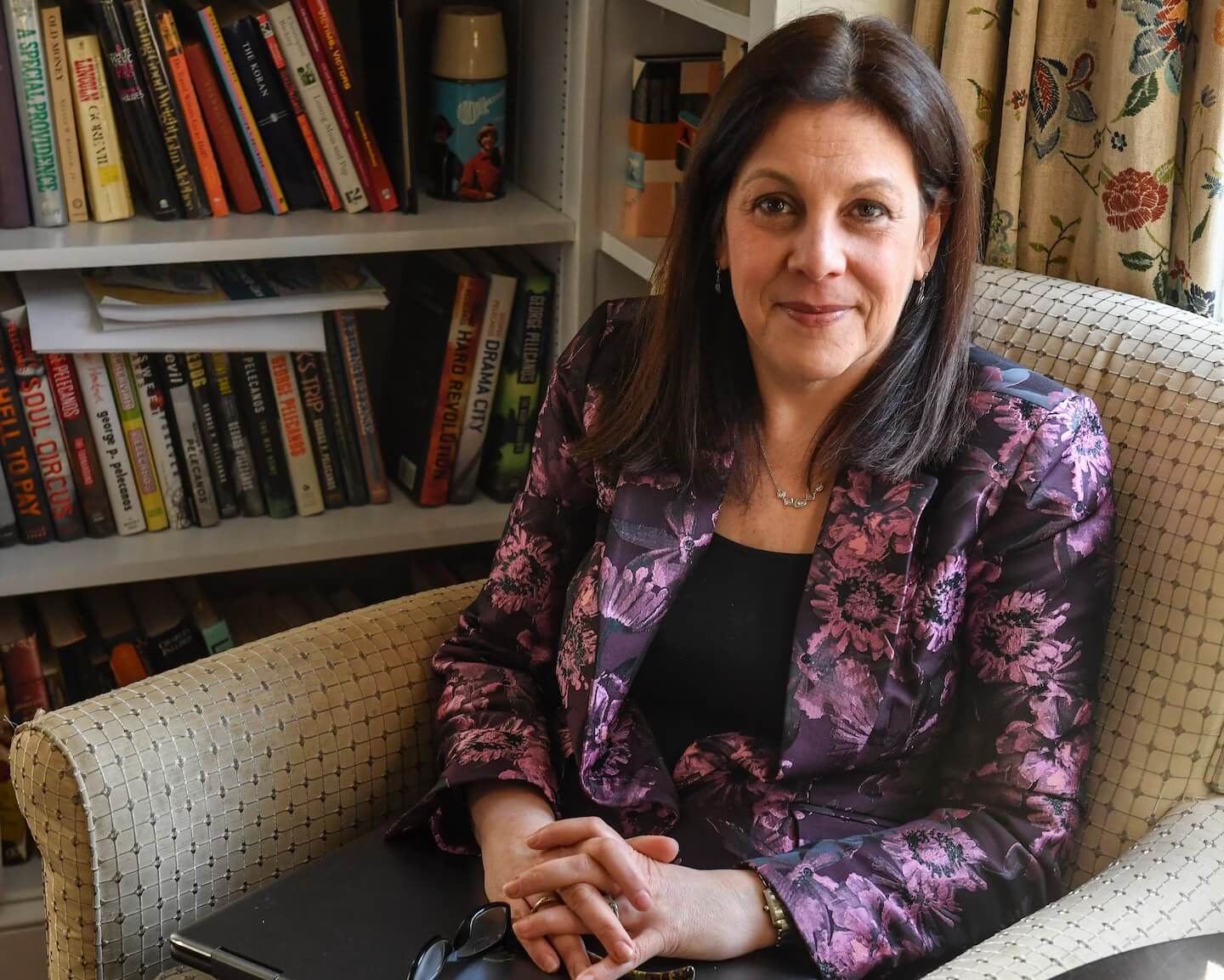
Guest Bio: Lori Atwood, CFP® is the founder and CEO of Fearless Finance, a virtual financial planning firm offering expert, fiduciary, hourly guidance with no sales, no minimums, and no judgment. With over 25 years in finance — from investment banking and private equity to one-on-one planning — Lori is passionate about helping families feel empowered rather than stressed about money. She’s also parenting through the teen years, so she gets it.
Community is everything!
Join our community Facebook groups:
Takeaways from the show
- Avoidance is a leaky financial bucket.
- Half the battle is knowing your numbers.
- Every month is different — ditch rigid budgets.
- Track only groceries and discretionary spending.
- Allowance teaches value, not obedience.
- Let your kid feel buyer’s remorse young.
- Your teens want to help — let them.
- Two priorities max — then commit fully.
- Money is a household tool, not stress.
- Financial empowerment starts with giving up avoidance.
“Joyful Courage means empowerment. You know everything. There’s a certain fear with lots and lots of things we do every day. And so if we can feel empowered enough to be happy about whatever it happens to be… If you can just get it done because you know you’ve done the planning, you’ve done the homework, you know that the plan works and you feel empowered to implement it. To me that’s joyful courage.”
– Lori Atwood
Resources mentioned:
- Fearless Finance — Lori’s virtual financial planning firm: fearlessfinance.com (use promo code COURAGE for $50 off a first meeting)
- Fearless Finance App — Lori’s tool for tracking discretionary spending and getting a 360-degree view of your finances: app.fearlessfinance.com
- 529 Plans — Casey mentioned using 529 college savings plans for her kids
- Fearless Finance on Social Media — Search “Fearless Finance” on any platform to find them
We are here for you
Join the email list
Join our email list! Joyful Courage is so much more than a podcast! Joyful Courage is the adolescent brand here at Sproutable. We bring support and community to parents of tweens and teens. Not a parent of a teen or tween? No worries, click on the button to sign up to the email list specifically cultivated for you: Preschool, school-aged, nannies, and teachers. We are here for everyone who loves and cares for children.
I'm in!Classes & coaching
I know that you love listening every week AND I want to encourage you to dig deeper into the learning with me, INVEST in your parenting journey. Casey O'Roarty, the Joyful Courage podcast host, offers classes and private coaching. See our current offerings.
Transcription
[00:00:00] Casey O'Roarty: Welcome, welcome, welcome to the Joyful Courage Podcast. This is a place where parents of tweens and teens come to find inspiration, information, and encouragement in the messy terrain of adolescents this season of parenting. Is no joke. And while the details of what we're all moving through might be slightly different, we are indeed having a very collective experience.
[00:00:30] This is a space where we center building, relationship, nurturing life skills, and leaning into our own personal growth and man. The opportunities abound, right. My name is Casey Ody. I am a parent coach, positive discipline lead trainer, and captain of the adolescent ship over at Sprout Bowl. I'm also a speaker and a published author.
[00:00:53] I've been working with parents and families for over 20 years. And continue to navigate my own experience of being a mom with my two young adult kids. I'm so honored that you're here and listening. Please give back to the podcast by sharing it with friends or on social media rate and review us on Apple or Spotify.
[00:01:13] Word of mouth is how we grow. Thank you so, so much. Enjoy the show.
[00:01:23] Hey listeners, I am really excited about this conversation today and you know, we're gonna center something that I think all of us have to navigate and grow into and pay attention to, and that is money and finances, and I know. This is a parenting podcast, but we are parents, a lot of us looking at how we're gonna pay for college or keep paying for college, supporting our kids, all the things.
[00:01:50] Maybe we're in the sandwich and we've got parents that we're taking care of as well. Money's an important conversation to be having and I'm really excited to be bringing on a guest who has a wealth of information on the topic of money and finance. Especially for those of us here in midlife. My guest is Lori Atwood.
[00:02:12] And Lori is the founder and CEO of Fearless Finance and A CFP professional. Lori created fearless finance to make expert fiduciary, hourly financial planning, accessible to everyone with no sales, no minimums, no judgment. Lori's been in finance for over 25 years, starting in investment banking, asset management, and private equity.
[00:02:36] Before starting Fearless Finance in 2016. I'm really excited for this conversation. And uh, I also will add that Lori like us is a parent of an adolescent, so she knows what's in the soup. Lori, I'm so glad to welcome you to the podcast.
[00:02:54] Lori Atwood: Thank you, Casey. Thanks for having me.
[00:02:56] Casey O'Roarty: So you've spent over two decades in the kind of high stakes world of investment banking and private equity.
[00:03:03] Before creating fearless finance and what, and like, even as I say that investment banking and private equity, I'm so aware of how far removed I am from even understanding what that means. So I'm just gonna acknowledge that. Um, but I really, what I wanna know from you is like, how did you start to come to realize that everyday people and not just institutions and high net worth families.
[00:03:27] Needed access to real financial guidance. What were you seeing as a gap that you could fill?
[00:03:34] Lori Atwood: Well, it was staring me in the face. So I had my daughter in December of 2007, and by the time I came back from maternity leave, it was almost the time when we had begun to see all of the 2008 crash stuff happen.
[00:03:51] Hmm. And my husband said, you know, you always wanted to stay home with her. You're not gonna get any bonuses for the next couple of years. Why don't you resign? And I was like, yeah, I really would love to try that. So I waited for my next bonus and then I did. I was home with her for a couple of years, three years until she started kind of preschool.
[00:04:15] Casey O'Roarty: Mm-hmm.
[00:04:16] Lori Atwood: And then I was like, what do I wanna do next? So. I wanted to do, I started messing around with, uh, making short videos about parenting, things like detangling hair and dealing with, um, finicky eaters and whatever else. And I would interview, uh, experts and guests. And this is all kind of at the very beginning of Instagram, et cetera.
[00:04:38] Casey O'Roarty: Yeah.
[00:04:39] Lori Atwood: And I would take these videos and I thought, wow, this is really, really good information, but it's so dull. So I need to think about how, what the right format is. And to do that, I can't waste some expert's time. I gotta videotape myself and figure out how to make it a little more engaging. So I called everybody I knew and I said, can I give a free personal finance seminar?
[00:05:01] Finance is the only thing I know how to do. And as you rightly point out, regular people don't wanna hear about investment banking. It's this huge snoozefest. So I was like. Can I talk about personal finance and videotape myself and you know, yoga studios, nursery schools, et cetera. Mm-hmm. Churches, they said yes.
[00:05:21] So I went and after I would talk, people would say, do you take clients? And so I started to,
[00:05:29] Casey O'Roarty: yeah.
[00:05:30] Lori Atwood: As kind of for the first. I don't know how long I, I started to as a coach and then I got my CFP, which you mentioned a minute ago. Yeah. What's a
[00:05:40] Casey O'Roarty: CFP? What does that mean?
[00:05:41] Lori Atwood: That's a certified financial planner.
[00:05:44] Okay. Professional.
[00:05:45] Casey O'Roarty: Mm-hmm.
[00:05:45] Lori Atwood: And it takes a, a year to two years to get all the modules and then take the big test, which is like a six hour test. And so. I got that and I started Fearless Finance and then I brought on my first associates in 2019. Two of them, they're still with me. And now there are six of us around the country doing virtual hourly financial planning.
[00:06:11] Casey O'Roarty: And what did you find in those early days? First of all, I love that whole unfolding of what can I do? How can I spend my time? I'll try this. And kind of learning as we go. I'm really, that's really relatable to me as well. What were some of the things that you noticed as you went out into the community and offered these seminars and then people were like, Ooh, I want you, were there any patterns or any things that were showing up that were happening?
[00:06:36] For the majority of the people,
[00:06:38] Lori Atwood: it's always the same pattern. It's always the same thing, and it, it basically, for the most part, I live in an. Urban, coastal city, blah, blah, blah, right?
[00:06:49] Casey O'Roarty: Mm-hmm.
[00:06:50] Lori Atwood: Uh, there's a lot of competition amongst people and there's a lot of avoidance about their finances. And even though people make what could be considered in other parts of the country, and certainly other parts of the world, world, a staggering salary, they're barely making it week to week and month to month.
[00:07:10] And so the big question is, how can this be? Well, the mathematics are easy. Very easy. The psychology is less easy.
[00:07:19] Casey O'Roarty: Yeah.
[00:07:20] Lori Atwood: And so what I always say to people is, you know, with very few exceptions, everything's fixable. In personal finance, there are some exceptions, but with very few it's fixable. The question is, is do you want to take the medicine required?
[00:07:36] And if you are somebody where, how you appear to other people, what you drive, what you wear, what bag you carry, whatever it is. Matters. You're not gonna be willing to make the trade-offs that would be required, the medicine, if you will.
[00:07:52] Casey O'Roarty: Mm-hmm.
[00:07:53] Lori Atwood: And that's the overwhelming number of cases. There's also cases where super savings hoarder, Mary Super spendy.
[00:08:04] And that happens all the time too. So it's kind of a mix of those very, very kitchen table issues. Yeah. Nobody, you know, people didn't come to me saying, well, I'd like to do direct indexing in my Roth. You know, I can answer those questions too, but that's not what's on people's minds. Yeah. That comes way further downstream.
[00:08:25] Casey O'Roarty: Yeah.
[00:08:25] Lori Atwood: From the basics.
[00:08:27] Casey O'Roarty: Well, and you said something that I'm interested in kind of pulling the thread of, which is,
[00:08:32] Lori Atwood: yeah,
[00:08:33] Casey O'Roarty: seeing the avoidance. What is the avoidant, what is that about? Is that just like fingers in the ears, la, la, la, la, la. I'm just gonna carry on and pretend. Yeah.
[00:08:44] Lori Atwood: If you've ever talked to anyone who says, like I, I don't really pay attention to my finances.
[00:08:49] I'm not mathematical. I'm not good with numbers. I don't pay attention to it. I don't know. There always seems to be money in the bank account. Those people are avoidant. Because what I want, what my firm wants for everybody, the reason we get outta bed in the morning is to make sure that not only that you know what's happening in your personal finance, but that you feel empowered about it and you're get heading toward your goals and you've got things under control.
[00:09:16] And finance isn't causing you stress.
[00:09:19] Casey O'Roarty: Mm-hmm.
[00:09:19] Lori Atwood: Or certainly not unmanageable stress.
[00:09:22] Casey O'Roarty: Yeah.
[00:09:23] Lori Atwood: But avoiding it is a very short term answer like it is with anything, right? Yeah. Yeah. I mean, you know that, that, that could be said of, of pots in the sink, right?
[00:09:32] Casey O'Roarty: Mm-hmm.
[00:09:32] Lori Atwood: So you could avoid it for just a little while, but it will eventually undermine you.
[00:09:37] And I see avoidance constantly because people don't want to, again, take the medicine that needs to be taken to get their financial planning. Where it should be.
[00:09:50] Casey O'Roarty: It's so interesting, and I had mentioned this to you before I hit record, but a few years back I started working with a finance coach and I remember she was recommended by somebody else and that first call, and I really liked her and that first call I remember we did this whole kind of assessment and she shared with me how she could help me.
[00:10:09] And then she shared her rate and I thought to myself, gosh, I'm feeling like I'm struggling with finances and I'm gonna pay all this money. Like I couldn't for a minute. I was really, had a hard time wrapping my head around that piece. And then I went for it and she taught me, like I mentioned to you, she taught me how to use a budget app.
[00:10:34] And we'd just meet regularly and look at things and see where money was going. And all of a sudden, literally it felt like magic. We were saving money, we were saving for a trip to Mexico. We were sa and it was like, oh my gosh. The avoidance was like holes in the bucket.
[00:10:56] Lori Atwood: Yep.
[00:10:56] Casey O'Roarty: It's a
[00:10:57] Lori Atwood: leaky bucket.
[00:10:58] Casey O'Roarty: Yeah. Yeah.
[00:10:58] And paying attention to where things are going. That small little mindset shift around, you know, seeing something, wanting something and then thinking, 'cause I have the information in my head like, oh, where does that, where would that come out? You would've
[00:11:15] Lori Atwood: the information.
[00:11:16] Casey O'Roarty: Yeah.
[00:11:17] Lori Atwood: That's the big difference.
[00:11:18] And I say this to people all the time, you know, 'cause they get very sort of frozen with fear sometimes when I, when I actually shine a light on what's happening in their finances and what I say to them all the time is that half the battle's done.
[00:11:35] Casey O'Roarty: Yeah.
[00:11:36] Lori Atwood: Now that you know
[00:11:37] Casey O'Roarty: Yeah,
[00:11:37] Lori Atwood: it's done, you're automatically gonna be spending less now that you know how kind of, I always say it's like a Rubik's cube, right?
[00:11:44] All the sides have to match.
[00:11:46] Casey O'Roarty: Mm-hmm.
[00:11:47] Lori Atwood: Not just one side. Right. You could look great on retirement. Everything else is falling apart. So once you know and you're not avoiding Yeah. And you actually understand what's happening in your finances. You are so empowered.
[00:12:01] Casey O'Roarty: Yeah. And it feels like you have more, it feels like that's how it felt to me.
[00:12:05] It was like, oh, we're actually in great shape. Now that I've got it kind of squared away. And I'm wondering, so I'm thinking about my demographic of listeners, right? The parents that are listening, a lot of whom, you know, we're in the thick of raising teens or paying for activities, like I mentioned, staring down college costs.
[00:12:23] And you talk a bit about that connection. When we're not avoidant, when we're paying attention to our financial security and happiness, I would lean in actually in happiness, like at least a feeling of contentment or peace and non-stress.
[00:12:39] Lori Atwood: Yeah, it's contentment.
[00:12:41] Casey O'Roarty: Yeah. So what does the research tell us about how having financial wellbeing, and I would actually ask you what you think financial wellbeing.
[00:12:52] Looks like, how does that impact our overall sense of contentment? What do you think?
[00:12:57] Lori Atwood: So I think of it the opposite way.
[00:13:00] Casey O'Roarty: Okay.
[00:13:00] Lori Atwood: If that's okay.
[00:13:01] Casey O'Roarty: Yeah, of course.
[00:13:02] Lori Atwood: Um, there's a lot of research on how being less stressed financially increases your overall contentment, and there are lots of arguments out there about whether there's like an A number that makes you feel better and.
[00:13:20] What I'm talking about is the opposite, and what I'm talking about is that when you have a gap in your life, a gap of contentment, you are unhappy with your job, with your relationship, with your house, with your body, with your whatever it is that will have a negative impact on your finances.
[00:13:40] Casey O'Roarty: Hmm.
[00:13:41] Lori Atwood: Filling in the gap will help.
[00:13:45] Get your finances on the right track. Just like not being avoidant will also help get your finances on the right track. So it's really the opposite of the sentiment, which is very, the sentiment you said is, yeah. Very well documented. Yeah.
[00:13:58] Casey O'Roarty: Yeah. Well, I think much of us, well, well, I'm talking about
[00:14:00] Lori Atwood: the opposite
[00:14:01] Casey O'Roarty: of us.
[00:14:01] Yeah, and I love that. I love that you called that out because it's funny, I taught, I've been, especially lately, talking a lot about how attached we are to external conditions dictating our internal experience. And so what I'm hearing you saying is like, how about we shift our internal experience so as to influence?
[00:14:21] Those external conditions?
[00:14:23] Lori Atwood: Oh yeah. I mean, when I, I, again, where I live, I see a lot of people who are making astronomical amounts of money tech companies getting stock and they're miserable.
[00:14:36] Casey O'Roarty: Mm-hmm.
[00:14:36] Lori Atwood: And they're miserable. I'm not saying everybody who works for a tech company is miserable. I'm saying that I've seen a lot of people who are sure.
[00:14:42] And then when I sit down with them and I say, look, if you made this, you'd still be able to have all the things that you prioritize in your life, in your household, and you might be a little bit happier. Let's start that business. Let's change jobs. Let's leave the big law firm. Let's do these things.
[00:14:58] Mm-hmm. And, uh, it's a magnificent change for people. Mm-hmm. It's really just unbelievable. And they. It's a very frightening change. It's a change. People like to see the numerical analysis that goes with it, which is what I do. But um. Empowering people to make that kind of a change in their lives is really, uh, amazing.
[00:15:23] It's very fulfilling.
[00:15:25] Casey O'Roarty: Mm-hmm.
[00:15:25] Lori Atwood: It's the reason, like I said, that we get up in the morning.
[00:15:27] Casey O'Roarty: Mm-hmm. And so someone who's listening, who is thinking about the different places that they're needing to save for and think about, and they're really struggling. With that sense of wellbeing. Talk to me about supporting people in being with both the stress of the external conditions while also finding some willingness to, like you said, take the medicine, make the shift, make the change.
[00:15:56] How do you support people doing that?
[00:15:58] Lori Atwood: Well, we meet, and I like to talk about, well, what are your priorities? Mm-hmm. And if it's a couple, then what are the joint priorities? And then I can point out to them very easily 'cause we break down all of their spending and their balance sheet and their savings and their debt and everything.
[00:16:15] And I'll say, you know, well you're doing all this stuff and none of that's going towards your, the, your stated priority,
[00:16:20] Casey O'Roarty: right? Yes.
[00:16:22] Lori Atwood: And so then I, I say, well, let's run a scenario. If all, sorry for the violent metaphor, if all the guns are pointed at the priority, let's run a scenario. What does it look like?
[00:16:35] A lot of times. A lot of times it's like, yeah, you could make 30% less than you're making and still do all the things you wanna do. You'd have to make these changes. Once they can see it and it's something, it's like a roadmap that they can see, then they are much happier to try to implement it.
[00:16:56] Casey O'Roarty: Mm-hmm. And
[00:16:58] Lori Atwood: so it's running scenarios, doing the full analysis, answering the questions that go bump in the night.
[00:17:05] Casey O'Roarty: Yeah.
[00:17:05] Lori Atwood: Making sure both if they, if it is a two, two adult household, that both adults are on board. They're not always,
[00:17:12] Casey O'Roarty: no. Yeah.
[00:17:13] Lori Atwood: And you know, and I say to people all the time, more frequently than, than you would expect probably if there are teens in the household, adolescents, young teens, preteens, teens.
[00:17:25] Somebody loses a job. Life has to change. Bring the kids in. Don't let them think that they can still do travel soccer, which is breaking you,
[00:17:35] Casey O'Roarty: right? Yeah.
[00:17:37] Lori Atwood: And so you are a stressed out mess. The other partner in the relationship, a stressed out mess, they're going to play soccer and then they feel guilty,
[00:17:44] Casey O'Roarty: right?
[00:17:44] Lori Atwood: Because all the kid wants is for you and whoever the other adult is in the family, to not be stressed out,
[00:17:51] right?
[00:17:51] Lori Atwood: That's all they want.
[00:18:01] Casey O'Roarty: Well, and it's such an opportunity to model as well. Yeah. The ebbs and the flows of life and the unfolding of the unexpected and changing things up. I mean, I love what you're saying and how you're connecting to values. Something that I talk about on a lot of my podcasts and with clients is the question of what is it that you wanna create, right?
[00:18:23] And if you wanna create an energy of connection and levity and acceptance and you're in this high stress situation with your teenager. Yeah. How does it sound to create connection in, in that moment? You know, it kind of calls into question some of the. You know, shoot from the hip parenting that we tend to reactively lean into when we can pause and say, hold up.
[00:18:50] What is it that I wanna create and I wanna create this when things are going well. Most importantly, I also wanna create this when it's a challenging situation. So I really appreciate what you're talking about in lining up values and to like, how are we spending our lives?
[00:19:07] Lori Atwood: Let the kids, again, I'm not talking about four year olds, I'm talking about Sure,
[00:19:11] Casey O'Roarty: sure.
[00:19:11] Of course.
[00:19:12] Lori Atwood: Yeah. Let the kids in. You don't have to let them in on every single thing. Like, oh my gosh, I don't know how we're gonna pay the mortgage so that they get stressed out and they're up at night, but let them in on what the changes are, why you're doing them, how they're gonna help.
[00:19:27] Casey O'Roarty: Mm-hmm.
[00:19:27] Lori Atwood: And they want, what I find is they want to help.
[00:19:31] Casey O'Roarty: Yeah,
[00:19:32] Lori Atwood: they're, they're like, what can I do? Let me cut this activity, let me get a paper route. They wanna be part of the solution.
[00:19:40] Casey O'Roarty: Mm-hmm.
[00:19:40] Lori Atwood: Nine times outta 10.
[00:19:42] Casey O'Roarty: Mm-hmm.
[00:19:42] Lori Atwood: And what doesn't work is when it's a shock at the end, like, oh, we've gotta move into grandma's house.
[00:19:49] Casey O'Roarty: Mm-hmm. Yeah,
[00:19:50] Lori Atwood: after everything's been spent for so long, that kind of thing does not work.
[00:19:54] I mean, I'm no parenting expert, but it doesn't work from the standpoint of your finance, it's for sure.
[00:19:59] Casey O'Roarty: Right. Well, and I think, you know, as I am a parenting expert, I will wear that hat. Mm-hmm. You know, I think that, like I said before, the model, I think it's. We shortchange our kids when we pretend like, oh, I am super even keeled and I never get upset, and there is no stress.
[00:20:18] And, but everything is in behind closed doors. And then they get out in the world and the world is uncertain. And the, and life unfolds in unexpected and mysterious ways sometimes. And they need a model of what it looks like to be in the ebb and the flow. And while of course, like you said, it's not about like catastrophic, you know, I mean, we get to be thoughtful.
[00:20:44] Yes, exactly. And also we get to be honest and real and true, and. You know, something that I am that's coming up for me as we talk about this, is also like all of parenting, regardless of what domain we're talking about, we come to it with our own stories and our own conditioning, myself included, especially around.
[00:21:04] Things like money. Definitely. And it could be, you know, parenting from this scarcity or this, we don't talk about money or money's a source of conflict. I know for me, like I mentioned, I was raised with a lot of privilege, but not a lot of intentional teaching about money management. And so I came into adulthood with very few skills.
[00:21:29] Mm-hmm. And I'm comfortable with wealth and money because. You know, when I brought up as a young person, I was probably like nine or 10, and I remember coming home from school and my friend Linda was like, well, you're going to Hawaii for spring break. You're just a spoiled brat. And it was so hurtful to me that I came home and I told my dad like, I'm not gonna go to Hawaii.
[00:21:52] I'm not gonna do that. And he laughed at me and he was like, that's ridiculous. I work really hard. Of course you're going to Hawaii. There wasn't any kind of like, wow. Let's talk about, I hear
[00:22:04] Lori Atwood: you.
[00:22:05] Casey O'Roarty: Yeah, I hear you. Let's talk about how that makes you feel like it was so dismissive that it just kind of solidified what later became some pretty big discomfort around naming my worth, charging people for what I do.
[00:22:22] There was a, there's a lot that I continue to wade through. So how do we,
[00:22:25] Lori Atwood: mm-hmm.
[00:22:26] Casey O'Roarty: How do these beliefs show up when we're now the ones that are managing and raising kids, and what can we do to get more aware of them and kind of,
[00:22:34] Lori Atwood: so the first thing I would say is that some of it is learned like your experience, but some of it's just in your DNA.
[00:22:39] Like I said, some people are savings hoarders, some people are very spendy. You know, they're all about, you only live once. So ev and those things don't get changed. They get managed.
[00:22:52] Casey O'Roarty: Okay.
[00:22:52] Lori Atwood: Because they're just, I mean, just like your sense of humor. You know, you're either gonna find Eddie Murphy funny, or you're not gonna find him funny, and it's not gonna change.
[00:23:03] You're just maybe not gonna buy a ticket to his show. Mm-hmm. You know? And so. It's no different here. Like if you're a certain way and, and you like to see piles of cash and it makes you comfortable. Don't expect yourself to change on that. But what you wanna do is work with your own personality to manage it.
[00:23:25] Um, you know, maybe you have a little pot of I can spend this and then you feel okay spending it out of that pot. But all of this stuff grows from being deliberate and planning, knowing what the overall picture is. Do I have a little pot I can put for whatever it is that I. Find exciting and can I also do some philanthropy, which makes me feel really good and, and is good for the community.
[00:23:49] Like you can't do any of that without knowing what the overall landscape is. And if you're, say worrying about college, which could be $92,000 a year for some people.
[00:24:00] Casey O'Roarty: That's
[00:24:00] Lori Atwood: right. That's
[00:24:01] Casey O'Roarty: insane. Yeah,
[00:24:01] Lori Atwood: it's an enormous, it's an eye watering number and you know, if you have a plan where you know what you're gonna do each step of the way.
[00:24:09] A lot of the worry is gone. Not all the worry, a lot of the worry is gone, and then maybe you can still do a quick trip here and there. Mm-hmm. And you know, you can find a way to honor all of the different things, but only if you have the full view. So again, the way to start is by giving up on the avoid.
[00:24:28] Yeah. And really taking a look and having a full plan.
[00:24:31] Casey O'Roarty: Yeah.
[00:24:31] Lori Atwood: Knowing what the priorities are and the map to get there.
[00:24:34] Casey O'Roarty: Yeah. And so when you, you know, something that I kind of dug into with your approach at Fearless Finances around asking people to track two expenses. Is this correct?
[00:24:47] Lori Atwood: Yeah.
[00:24:47] Casey O'Roarty: So. Because I think there might be in the listening audience, people who are like, yeah, I tried the budget, but it was overwhelming.
[00:24:55] I didn't get it. I don't use it. You know, I definitely, for like full transparency, I swing in and out of my budget. Okay. Walk us. Yeah, walk us through your philosophy on why less is more and Yeah. Especially when it comes to this handling finances.
[00:25:12] Lori Atwood: I do this for a living and I don't have a budget because that
[00:25:15] Casey O'Roarty: makes me feel a lot better.
[00:25:17] Lori Atwood: Yeah, because first of all, I know the reality. And the reality is that every month is different. Some months you eat out a lot. Some months you have to buy more clothes. Some months you have to take a bunch of Ubers, whatever it is. So every month is different. So if I'm sitting there going, well, I didn't buy clothes, so I'll take some money for my clothing line item and move it to my Uber line.
[00:25:36] I'm not doing that. I'm not,
[00:25:37] Casey O'Roarty: I love
[00:25:38] Lori Atwood: doing
[00:25:38] Casey O'Roarty: that. You know most
[00:25:38] Lori Atwood: people. Okay.
[00:25:39] Casey O'Roarty: Isn't that funny? I do. I mean, I don't love it 'cause I want there to be more, but, but I do like, like, okay. It's like a game when I'm not three months in that I haven't looked at it and then it's like a really long game that I don't wanna play, but.
[00:25:56] Lori Atwood: I would say you might be in the minority there.
[00:25:58] Casey O'Roarty: Okay. Okay. I'll take it.
[00:25:59] Lori Atwood: Yeah. You might be just, at least from the people, you know, the thousands of people we have at the firm, it's not a, it's not a, it's not a tiny minority. There are plenty of people who really love to track. Mm-hmm. But most people we find don't wanna do this line item by line item.
[00:26:15] And so what I say to people, what we say, our method is that, you know, the cable bill's the same every month. The cell phone bill's the same every month. The mortgage is the same every month. The insurance payment's the same. So there's no need to track all of that. That's gonna tick over every month.
[00:26:30] You're gonna pay the same thing to, for the car insurance. So that's not where we fall off the wagon, if you will, where people overspend on a monthly basis is groceries. And there's some graduate student in anthropology somewhere that must be studying this 'cause it's food related. Groceries and full discretionary spending and full discretionary spending for us is entertainment, clothing, housewares, uh, eating out takeout, Ubers and taxis for fun things, children's activities.
[00:27:05] I mean, I don't know how people are gonna take what I'm about to say, but the bottom line is, is that Junior doesn't. Need violin lessons. It's a choice you are making and it could be a great choice. If there's plenty of money, it's fabulous, let's do it.
[00:27:20] Casey O'Roarty: Mm-hmm.
[00:27:20] Lori Atwood: But that is discretionary and every college admissions officer is gonna tell you that's discretionary in the face of limited finances.
[00:27:31] Casey O'Roarty: Mm-hmm.
[00:27:32] Lori Atwood: So, teaching Junior that, he has to, he, she has to make decisions on what to do with their time when they can't do those activities. Looks just as good on the college application. Mm-hmm. Or if, if junior's working or whatever it is. So don't worry about that stuff. So all these things are discretionary and so you get a pool of discretionary money each month that makes sense for your overall cash flow.
[00:27:59] Uh, as a very typical rule of thumb, in a large urban area on either coast, you probably would be looking at 2,500 to 3000 for a family of four.
[00:28:08] Casey O'Roarty: Mm-hmm.
[00:28:09] Lori Atwood: Okay, so what does that mean? That means myself and the other adult in the family, we are tracking that so that if we're suddenly just, just too tired to cook and we want to eat out, can we eat out?
[00:28:23] Well, we've made an app to do this, but you could easily use any other app to do it. You can look down and say, Hey, where am I in my month with my pool? I'd rather spend the money on eating out than on. I don't know. Movie tickets.
[00:28:37] Casey O'Roarty: Mm-hmm.
[00:28:38] Lori Atwood: So what's happening? One, you can see where you are before you've made it.
[00:28:43] If you look at your credit card statement, it's already spent. That's just shaming, guilt, doesn't do anybody anything, any good. Two, you're communicating with the other adult in the family? Right. So when she's, she's not really growing out of stuff anymore because she's 18, but when she was growing out of stuff constantly, I would say to my husband, Hey, I got a lot of shoes I gotta buy.
[00:29:05] For her. And do you need anything that's really big? Can we focus on getting her clothing right?
[00:29:12] Casey O'Roarty: Mm-hmm.
[00:29:12] Lori Atwood: And that's the communication we're looking for.
[00:29:15] Casey O'Roarty: Mm-hmm.
[00:29:15] Lori Atwood: So if you have the full discretionary pool under control, you have your groceries under control, and you have your large annual expenses, travel camp, whatever it is, the rest of it ticks over pretty consistently.
[00:29:30] Casey O'Roarty: Let me re-say what you just said so that I understand. So what I'm hearing you say is there are some places where we know, I know how much these bills are gonna be every month. They're always the same. So is the idea like, okay, I know that $2,700 a month is always gonna be spent on these things. That are cost of living,
[00:29:53] Lori Atwood: recur, recurring,
[00:29:55] Casey O'Roarty: recurring, stab, steady cost of living.
[00:29:58] So we know that we don't need to line item. Those we know like, okay,
[00:30:02] Lori Atwood: that's right.
[00:30:03] Casey O'Roarty: And so then we, that which leaves us with this pot of possibility and all these extras that we'd like. And I think, you know, 'cause I know we did a 5 29 plans for our kids for college and. You know, I make sure that, I know that we have to pay property taxes every year.
[00:30:24] And so there's a certain amount every month that goes into that bucket. Like that's all part of my,
[00:30:29] Lori Atwood: those are what we call annual needs, and we, we add up those large annual costs and divide by 12 so that you can put some Just like a, A Christmas club.
[00:30:37] Casey O'Roarty: Yeah, yeah, yeah. Exactly. So there's that, and then it becomes, okay, so this is kind, and I wouldn't call, I mean, it's not like fluff money.
[00:30:45] But it is kind of, because it is like, I don't have
[00:30:48] discretionary,
[00:30:49] Casey O'Roarty: yeah, discretionary. It's better than fluff. Um, so it's like, then I don't, you know, I don't have to go out to dinner. I don't have to, like, there's all sorts of ways to kind of play in that space. And to what I'm hearing you say is there's always a trade off.
[00:31:03] I was talking to my husband about this recently. It's like, okay, if we're gonna spend that here, where are we not spending money?
[00:31:09] Lori Atwood: That's right. Yeah, and that's the communication, okay? Right, because nobody's voice is raised, nobody's freaking out. Nobody's accusing anybody else. What you're doing is the two adults in the family is deciding how to prioritize the resources you have, which is what we would've done back in the caves.
[00:31:27] It's the same.
[00:31:29] Casey O'Roarty: Yeah.
[00:31:30] Lori Atwood: Except
[00:31:30] Casey O'Roarty: for, I imagine would be easier in the cave because we can see all the supplies.
[00:31:34] Lori Atwood: Yeah. The items are different
[00:31:36] Casey O'Roarty: for sure.
[00:31:37] Lori Atwood: Yeah.
[00:31:37] Casey O'Roarty: The items are different. There's this
[00:31:38] Lori Atwood: like
[00:31:38] Casey O'Roarty: bank account over here that has, you know,
[00:31:41] Lori Atwood: yeah. But it is the same concept.
[00:31:44] Casey O'Roarty: What's the pushback that you get? Like you even caveated before you said some people, this might rub people the wrong way to suggest like perhaps junior doesn't need violin lessons.
[00:31:55] What do you see in your work? How people respond to what's actually, what's discretionary versus not discretionary?
[00:32:03] So
[00:32:03] Lori Atwood: I'm harsh about what's discretionary and what's not, and what I hear most often, especially with parents of children and teens, is, well, that's not optional. And I'm like, oh, but it is.
[00:32:18] Mm-hmm. Oh, but it is, if it's not utilities, medical and housing, it's very, very much optional. If the kid needs a tutor or needs extra resources, that's not optional, but travel, soccer and all these other things that we do with the, you know, because we're trying to keep the kid busy when really, you know, you don't need to keep them that busy.
[00:32:41] Mm-hmm. And it's extremely expensive. I don't think it's buying you anything on the college front and what are we doing all this for? It's all this money down the drain. And so I, I'm. Kind of anti activities. My daughter was always allowed to have one activity.
[00:32:57] Casey O'Roarty: Yeah.
[00:32:58] Lori Atwood: And that's, and she got really good at it and she loved it.
[00:33:02] And, you know, all that kind of good stuff that goes with that. Yeah. But, um, no, the, I had people who, I have had clients who were literally going under, they were going, they were no longer solvent due to. Activities or private school that mm-hmm. Because they wanted to keep up with the Joneses and it's bone crushing financially.
[00:33:23] Yeah.
[00:33:23] Casey O'Roarty: Yeah. Well, and then there's the other unique pressures of midlife, right. That sandwiched between aging parents and launching our young adults. And it would be great, you know. I remember when my daughter moved out in her mind it before she moved out. In her mind it was, well, I have to be able to totally take care of myself.
[00:33:48] I remember trying to help her understand like, it's not a fail that your dad and I are gonna help you with rent because it's a problematic situation for young people to try to be out on their own and we are so glad that we can help. Mm-hmm. So there is, you know, it's not as if they launch and they're just like, okay.
[00:34:10] Good luck with that income. Um,
[00:34:13] Lori Atwood: like we used to, I mean, I, right. I don't remember taking a ni Well, I don't, my parents were poor.
[00:34:17] Casey O'Roarty: I mean, after college. Yeah. After.
[00:34:19] Lori Atwood: Yeah.
[00:34:20] Casey O'Roarty: Yeah, yeah.
[00:34:21] Lori Atwood: But, you know,
[00:34:23] Casey O'Roarty: I also lived in a cabin in the woods for $350 a month, so Yeah.
[00:34:28] Lori Atwood: Nobody went home. I mean, and that's, it's so it's very different now.
[00:34:32] Casey O'Roarty: Yeah. It's very different. And it's stressful and we wanna, you know, yeah. Help our kids. And then we've got our parents. How do you help people? How do we prioritize when everything feels urgent?
[00:34:45] Lori Atwood: Well, it's people may not like what I'm about to say either.
[00:34:48] Casey O'Roarty: Just, just
[00:34:49] Lori Atwood: say
[00:34:49] it,
[00:34:49] Casey O'Roarty: Lori.
[00:34:50] Lori Atwood: Just say it. When I find this with a client, I find that they are hiding behind the, oh, I have all these different things.
[00:35:01] There's so many different competing needs. That's a place to hide. If you know what the priorities are, everything becomes clear. And so if you, I do, I have a 90-year-old mother, no idea what day it is. She has no idea what day it is, and I take care of everything from 3000 miles away. My brother lives there, but he does more of the physical stuff with her, and I take care of pretty much everything else.
[00:35:30] And I find the time to do it because it has to get done.
[00:35:33] Casey O'Roarty: Mm-hmm.
[00:35:34] Lori Atwood: And the, it's the same with the finances. If we know that you need a certain amount of money for grandma or whatever it is, then we know what we have for everything else.
[00:35:43] Casey O'Roarty: Mm-hmm.
[00:35:45] Lori Atwood: And that's how we prioritize. Again, to use that violent metaphor.
[00:35:48] We train the guns on and on the priorities, and I don't want you to have more than two priorities. Right. He who has more than one project has no project. That's, I don't even know who said that originally, but I do live by that quote.
[00:36:04] Casey O'Roarty: Mm-hmm.
[00:36:05] Lori Atwood: And so that would be the same here. You've got kids where you've, you're getting ready for college, it's gonna be eye watering, and you may have elderly adult family members that need some help too.
[00:36:17] We've gotta, we've gotta deal with both of those priorities.
[00:36:20] Casey O'Roarty: Mm-hmm.
[00:36:21] Lori Atwood: And that means everything else goes by the wayside.
[00:36:24] Casey O'Roarty: Yeah, it's so interesting to be having this conversation in the context of finances and to think about, you know, just last night I led a workshop call and one of the parents said, well, yeah, I mean, I'm hearing and learning all this content, but I'm not integrating the work in my relationships with my kids.
[00:36:46] And what I'm hearing you say like kind of reminds me of that. It's like we're gathering information, we're listening to people like you, maybe working with people like you, but without the willingness to then say, okay, I'm gonna actually integrate what you're teaching me and what you're sharing with me and what you're showing me into my life.
[00:37:08] Then there is no. Change. There's no
[00:37:12] Lori Atwood: movement. That's true. That's 100% true. I mean, you can lead a horse to water, but, and I can sit there with you and do all of the planning. I'll even open accounts that are needed. I'll set up auto transfers. I can do all that with you.
[00:37:26] Casey O'Roarty: Mm-hmm.
[00:37:27] Lori Atwood: But you have to want it.
[00:37:29] Casey O'Roarty: Yeah.
[00:37:30] Lori Atwood: Otherwise nothing will change.
[00:37:31] Casey O'Roarty: Yeah, for sure. And so when there's a priority for like kids in college and aging parents. And everything goes to the wayside. What about the priority of that fund? You know, the amount that pays the bills here at home?
[00:37:46] Lori Atwood: Well, it all has to be done. I mean, that's not a priority.
[00:37:49] That's surviving. Okay. You have to pay the rent, you have to pay the electric bill, right? And so there's a basic cash flow with your basic recurring expenses, elements. And then there is full discretionary. Now the full discretionary may reduce. I just had a couple today. They have four kids.
[00:38:07] Casey O'Roarty: God bless them.
[00:38:07] Lori Atwood: And yeah, it's a lot of kids and they want the kids to go to certain schools, and I'm like, okay, if that's the priority X, y, and Z have to go.
[00:38:18] Casey O'Roarty: Mm-hmm.
[00:38:19] Lori Atwood: You know, of course it was, wait, well, I, we can't, I, I, I'm like, no, if you want this, this has to go unless you have a printing press in the basement. That's how it has to be.
[00:38:31] And I say to people, I'm like, it's not me. All I'm doing is actually shining a light on what you already know in your gut. Mm-hmm. Because most people come to me and they're like, I have this sense. I'm like, it's right. Mm-hmm. Whatever that sense is, it's right. And
[00:38:44] Casey O'Roarty: yeah.
[00:38:44] Lori Atwood: So if you truly, truly prioritize this particular schooling or whatever it is, or this particular camp, or this particular whatever, then I'm gonna take you at your word.
[00:38:56] And that's where we're going to put the resources.
[00:39:08] Casey O'Roarty: What do you think, considering that we all have adolescents or young adults that are watching us paying attention, and I think about this with my kids and what, you know, I had talked when they were really young and we started to do allowance, wasn't very much. And I talked to parents about allowance and allowance.
[00:39:26] Parents really wanna use allowance like a salary. Mm-hmm. Like do the job and get the money. And I say, yeah, exactly. I love your response. And I say, no, no, no, no. Allowance is about learning and practicing money management. It's about giving them something to play with and practice with and save and spend and share.
[00:39:46] And it's not about like, make your bed and I'll give you a dollar. You know? And parents can do what they want with that. But this money management piece, this training up, this educating our kids in financial literacy, I think is. Very low on the priority list of parents and then our kids go out in the world and they don't have the skills.
[00:40:06] What are age appropriate empowering money conversations that we could be having?
[00:40:12] Lori Atwood: Let me hit the allowance thing, if you don't mind. Okay.
[00:40:15] Casey O'Roarty: Yeah, please do.
[00:40:17] Lori Atwood: Alright. I'm a great believer in allowance. I agree with you that it's about money management, but distilled down to its basic elements. It is about. Fires remorse.
[00:40:29] Casey O'Roarty: My
[00:40:29] Lori Atwood: son. I need that child. I'm gonna give you an example too, with my own daughter. I need that child to feel bad about something they paid for. So they don't feel bad about it. In their thirties. Yes. And it's a Porsche.
[00:40:43] Casey O'Roarty: Yes. Yes.
[00:40:44] Lori Atwood: So my daughter, and we travel with this family across the street, they. Their daughter's the same age and we would travel.
[00:40:50] And the two girls, she didn't get an allowance, my kid did. They were, I don't know, I wanna say second or third or fourth grade, something like that. They went into some souvenir store and the other girl wanted this little red stuffed animal, and my daughter was like, I really want that too. I'm like, okay, well that's an allowance thing.
[00:41:06] She's like, yeah, I wanna do that. I'm like, fabulous. Okay. The next morning she came to me and she's like, why did I buy this little red thing? I don't care about it, and now my money's gone. I'm like, you're mine now. You are one of us. If you can do these trade-offs, if you can value something, that's the best skill you're gonna give your kid going off into the adult.
[00:41:31] World is how to value things. And so if you only give them money, if they empty the dishwasher, then when they don't need money, they're gonna tell you where to go when the dishwasher needs to be empty. Yeah.
[00:41:44] Casey O'Roarty: Yes, exactly. Exactly.
[00:41:46] Lori Atwood: And so what I tell people is the allowance is there to help you, help them learn how to value things.
[00:41:54] Chores are there to make them a bearable human being. Yeah. Two separate. If they do something, yeah. If they do something over and above, they shovel a driveway, they do something really over and above, pay them. That's fabulous.
[00:42:08] Casey O'Roarty: Yeah.
[00:42:08] Lori Atwood: But my daughter always had chores around the house. She always had a couple of chores and she always had allowance since she was able to really add and subtract in a, in.
[00:42:19] Yeah, in a real practical way.
[00:42:21] Casey O'Roarty: Yeah, it's funny. It's funny 'cause my kids, you know, I went into it like not being tied. And then at one of our family meetings, my daughter, I think it was, was like, well you don't need to pay me so much allowance 'cause I didn't do X, Y, Z. And I was like, oh, that's how we're gonna do it.
[00:42:35] Okay. And I rolled with it and then not long after I said something to my son about cleaning his room and he goes, you know what mom? I'm good. I don't need allowance this week. I'm not gonna clean my room. And I was like, oh, right. That's why This is not what I'm gonna do. And speaking of buyer's remorse, that was my kid who was the king of buyer's remorse.
[00:42:57] And it's such a rich opportunity to help them be reflective, consider their. Actions, look at the future. I mean, it's so rich and I
[00:43:10] Lori Atwood: always plan.
[00:43:11] Casey O'Roarty: Yeah. And I would Exactly. And plan. And my kids were always like, why don't we get more allowance? You know? I'm like, well, I wanna give you just enough so that you have to make choices.
[00:43:22] That's right. Versus all the money that you need for all the things you wanna do because,
[00:43:26] Lori Atwood: and, and Right. And what I urge people to do, depending on your parenting style, everybody's different. With my daughter, and what I tell clients is I suggest that they have a giving, saving in spending.
[00:43:38] Casey O'Roarty: Mm-hmm.
[00:43:38] Lori Atwood: And you can just get envelopes, you can get a little divided box, whatever suits you.
[00:43:43] And they can do all, and every year in December, my daughter will tell me where she wants to give her money to, and we mm-hmm. We would sit and do it together.
[00:43:52] Casey O'Roarty: Yeah.
[00:43:52] Lori Atwood: Um, and she watches me when I put her money, you know, because she, when she was younger, she didn't have all those apps or whatever. I deposit her money into the brokerage account that she has, and she got to see all of that.
[00:44:06] And then she has her spending money. And now as a high school kid, now she's a high school senior. Even in ninth grade, I got her a high school. 'cause you were asking about, you know, what is the cadence to give them financial information and and lessons. And in ninth grade I got her a high school checking account.
[00:44:25] Casey O'Roarty: Mm-hmm.
[00:44:26] Lori Atwood: Because. The sort of green light card copper card thing didn't work anymore because I was just filling it. Mm-hmm. So she had no concept of what was going on behind that. So she got a high school checking, uh, account with a debit card. She happens to go to a high school where there's no cafeteria.
[00:44:43] So two days a week she's allowed to go out to lunch and we pay for it. If she wants to go out any other days, guess who's paying for that?
[00:44:50] Casey O'Roarty: Okay. Right.
[00:44:51] Lori Atwood: Yeah. And I remember in the summer before ninth grade, she's like, well, but when do you put money on my card? I'm like, no, no, no, no. The money comes from your account.
[00:45:00] Casey O'Roarty: Mm-hmm.
[00:45:00] Lori Atwood: And you use the card to access it. Basic concepts like that start you. You can easily start. In this, the beginning of high school with that stuff. Mm-hmm. And that way she's real fled with a checking account when she goes off to college.
[00:45:15] Casey O'Roarty: Yes.
[00:45:16] Lori Atwood: Me personally, just 'cause this question comes up all the time, so I'm gonna preemptively answer it.
[00:45:20] Casey O'Roarty: Yeah. Yeah.
[00:45:21] Lori Atwood: I don't think there's any need for a child to have a credit card until about senior year of college. And then if they have it and they buy a bag of groceries with it and pay it off in full, that's gonna do plenty for their credit. Mm-hmm. Don't, don't fall into this trap of Oh, and their credit score and their credit history.
[00:45:39] Casey O'Roarty: Yeah.
[00:45:39] Lori Atwood: They've got loads time to do that.
[00:45:42] Casey O'Roarty: Yeah.
[00:45:42] Lori Atwood: I don't think they need, you know, unless it's some situation where, you know, they're almost independent. They're in another country, whatever it is, but for a typical college situation, they won't need it.
[00:45:53] Casey O'Roarty: Yeah.
[00:45:54] Lori Atwood: Until senior year.
[00:45:55] Casey O'Roarty: Yeah. Well, and everything that I'm hearing you talk about, I'm thinking to myself like, before we can really hold space for financial literacy for our kids, we've gotta get financially literate ourselves.
[00:46:08] Lori Atwood: Definitely.
[00:46:08] Casey O'Roarty: Right? So the first step for listeners, you know, like what you get, to be honest, you get to take an honest look at how you're thinking about your finances, how much attention and intention you're putting into your spending, and saving and sharing. And yeah, and I just feel I'm, I'm guessing there's probably a mixture of inspired and overwhelmed to the listener right now.
[00:46:35] So, you know, you use the word fearless in your work, fear, fearless finance. Talk a little bit about what that means to you and just any reflection on Yeah. That, that experience that I'm sure many are people, people are having, just listening to this conversation.
[00:46:52] Lori Atwood: So, especially when it comes to having kids in the house, if you take money outta the ATM and you look down at the slip and you freak out, that kid is absolutely absorbing all of that emotion.
[00:47:04] Casey O'Roarty: Mm-hmm.
[00:47:05] Lori Atwood: Or if you're fighting with the other adult in the house about whatever it is, money related. That kid is absorbing all of that. So our goal, and the reason it's called Fearless Finance, is to to take away all that anxiety and fear and stress because you know what you need to do. If I spend within this limit for my discretionary, and I save this amount, we're gonna be able to go to Mexico in a year.
[00:47:32] And we're gonna be able to pay for half of the kids' college, and then we have to do other, you know, get scholarships for the other half. Whatever makes sense, we'll be able to replace that car that's 13 years old. Whatever it is, there's a plan for it. And so when you know what you need to do and you can do it, you can feel really good about it.
[00:47:54] And feel empowered and the stress comes down. So they're not absorbing money equals stress. Right? Right. They're not absorbing that. They're like, oh, money is just another tool, like the forks and the knives and the hedge clippers and the lawnmower. It's another household tool.
[00:48:11] Casey O'Roarty: Yeah, I love that.
[00:48:12] Lori Atwood: And that's where we're trying to get to with fearless.
[00:48:15] Casey O'Roarty: Yeah, I love that. And you know, courage is part of my brand joyful courage. Yes. And courage to me is not about having it all figured out, but it is about being willing to take that next small step, even when it's uncomfortable, even when it's a step mo, you know, when it is a step into the unknown. Right. So I really appreciate that and I would love to hear from you.
[00:48:41] What does joyful courage, when you hear that phrase, what does it mean to you in this context?
[00:48:45] Lori Atwood: It, to me, it still means empowerment. It means empowerment, right? You know everything. There's a certain fear with lots and lots of things we do every day, right? And so if we can feel empowered enough. To be happy about whatever it happens to be.
[00:49:04] Maybe it's going to the dentist and you just are not a person who likes the dentist. You know, whatever it is. If you can just get it done because you know you've done the planning, you've done the homework, you know that the plan works and you feel empowered to implement it. To me that's joyful courage.
[00:49:22] You, it still takes courage. It's still not eating an ice cream cone. It still takes courage and that takes courage for some people, to be honest. Um. It still takes courage, but you are not absolutely inside out about it,
[00:49:38] Casey O'Roarty: right? Yes. Yes. I always feel better when I go into my accounts, when I go into my app, when I square things up.
[00:49:47] Lori Atwood: Yes.
[00:49:48] Casey O'Roarty: I always feel better. I feel more abundant. I feel clearer. I, like you said, I feel more empowered, so I really appreciate that. Well, Lori, quickly, where can people find you and follow your work and, and just learn more about what you offer?
[00:50:03] Lori Atwood: Oh, well, thank you. Um. You can go to fearless finance.com and find us, and if you fill out the form, you wanna work with us or explore working with us, just put courage in the promo code and I'll give everybody $50 off their first meeting.
[00:50:20] Casey O'Roarty: Awesome.
[00:50:20] Lori Atwood: Um, from, for your listeners, but fill the form out, explore the website, take a look at our philosophy. Our prices are all on the site. There is nothing hidden If you're more of a social media person. Just put Fearless Finance in any of your searches and you're gonna get us.
[00:50:38] Casey O'Roarty: Yay. Thank you. I will make sure all of those links are in the show notes.
[00:50:43] Lori Atwood: Thank you,
[00:50:44] Casey O'Roarty: and this was really an important conversation. I'm really grateful that you spent are spending time with me today. Thanks, Lori.
[00:50:50] Lori Atwood: I appreciate it. Thank you so much. I had fun.
[00:50:57] Casey O'Roarty: Thank you so much for listening. Thank you to my Sprout partners, Julietta and Alana. Thank you, Danielle, for supporting with the show notes as well as. Chris Mann and the team at Pod Shaper for all the support with getting the show out there and making it sound good. As I mentioned, sharing is caring. If you're willing to pass on this episode to others or take a few minutes to rate and review the show on Apple Podcasts or Spotify, it helps other parents find this useful content.
[00:51:25] Be sure to check out what we have going on for parents. Of kids of all ages and sign up for our newsletter to stay [email protected]. I see you doing all the things. I believe in you. See you next time.