

Eps 645: Parenting from Trust with Debbie Simmons
Episode 645
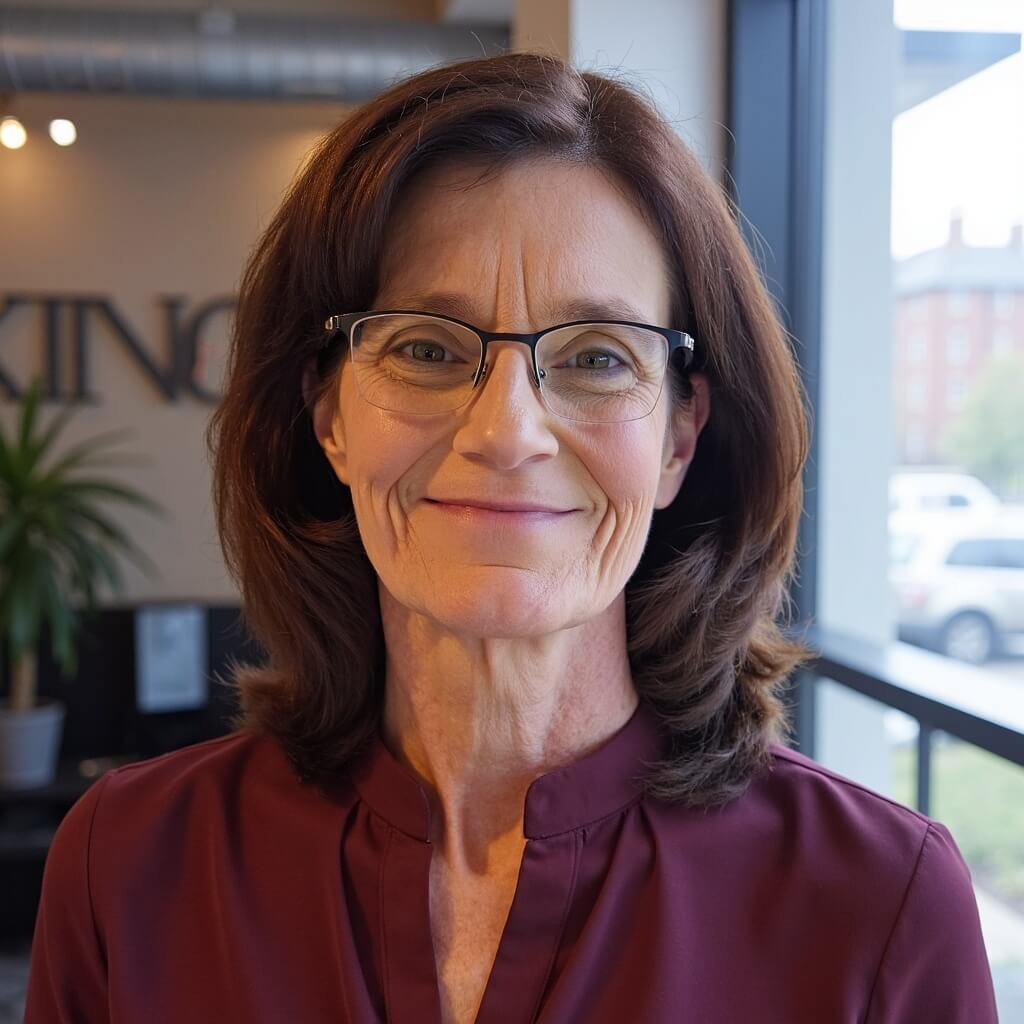
Are you parenting from trust—or survival? In this episode I sit down with Debbie Simmons, mom of thirteen and leadership strategist, to explore the hidden defaults that hijack our parenting when pressure hits—control, silence, over-functioning, people pleasing. We talk about why being the “strong one” in your family might actually be costing you your health and your connection with your teen. Debbie shares her T.R.U.S.T. framework and we dig into how letting go of control opens the door to the relationship your teen actually needs from you. This one will shift something in you.
About Debbie Simmons: Debbie Simmons is a keynote speaker, author, leadership strategist, and CEO of Anchor Point. Known as The Legacy Architect, she guides high-capacity leaders from success into significance through her Architecture of Trust framework. A mother of thirteen—four in heaven, nine through adoption—Debbie is the author of The Heart of Legacy and creator of The Vision Day Experience. Learn more at thedebbiesimmons.com.
Community is everything!
Join our community Facebook groups:
Takeaways from the show
- You’re not broken—your system is.
- Pressure reveals what you’re really trusting.
- Silence doesn’t mean peace—it means okay.
- Control works until you can’t show up.
- Your kids aren’t your enemy—lean in.
- Compliance isn’t connection. Don’t confuse them.
- Get it right 30%—kids will thrive.
- What is this costing me long-term?
- Plant positive seeds. Keep the heart connection.
- Borrow hope and trust when yours runs low.
“Joyful courage means that I am going to lean in and I am not going to lose who I am in the process, because I know that the best thing I have to give my kids is the best version of me.”
– Debbie Simmons
RESOURCES MENTIONED
- The Heart of Legacy by Debbie Simmons (free at theheartoflegacy.com)
- Debbie’s website: thedebbiesimmons.com
- The Architecture of Trust™ framework
- The T.R.U.S.T. framework (Trust, Review, Utilize, Systems, Takeaway)
- The Vision Day Experience
- Joyful Courage: Calming the Drama and Taking Control of YOUR Parenting Journey by Casey O’Roarty
We are here for you
Join the email list
Join our email list! Joyful Courage is so much more than a podcast! Joyful Courage is the adolescent brand here at Sproutable. We bring support and community to parents of tweens and teens. Not a parent of a teen or tween? No worries, click on the button to sign up to the email list specifically cultivated for you: Preschool, school-aged, nannies, and teachers. We are here for everyone who loves and cares for children.
I'm in!Classes & coaching
I know that you love listening every week AND I want to encourage you to dig deeper into the learning with me, INVEST in your parenting journey. Casey O'Roarty, the Joyful Courage podcast host, offers classes and private coaching. See our current offerings.
Transcription
[00:00:00] Casey O'Roarty: Welcome, welcome, welcome to the Joyful Courage Podcast. This is a place where parents of tweens and teens come to find inspiration, information, and encouragement in the messy terrain of adolescents this season of parenting. Is no joke. And while the details of what we're all moving through might be slightly different, we are indeed having a very collective experience.
[00:00:30] This is a space where we center building, relationship, nurturing life skills, and leaning into our own personal growth and man. The opportunities abound, right. My name is Casey Ody. I am a parent coach, positive discipline lead trainer, and captain of the adolescent ship over at Sprout Bowl. I'm also a speaker and a published author.
[00:00:53] I've been working with parents and families for over 20 years. And continue to navigate my own experience of being a mom with my two young adult kids. I'm so honored that you're here and listening. Please give back to the podcast by sharing it with friends or on social media rate and review us on Apple or Spotify.
[00:01:13] Word of mouth is how we grow. Thank you so, so much. Enjoy the show.
[00:01:23] Debbie Simmons: Hi, listeners. Welcome back to the podcast. I am so excited to
[00:01:26] Casey O'Roarty: be sharing an interview show with you today. My guest is Debbie Simmons. Debbie is a keynote speaker, author, leadership strategist, and CEO of Anchor Point known as the Legacy Architect who guides high capacity leaders. From success into significance and lives of lasting impact.
[00:01:49] Her work is built on the architecture of trust. The principle that where you place your trust determines both your success and the legacy you build. Through her proprietary framework, the obedience engine, Debbie Equips executives and entrepreneurs in aligning identity leadership and decision making. So clarity and momentum replace pressure and burnout.
[00:02:10] She's the author of The Heart of Legacy and the creator of the Vision Day Experience. A private leadership environment where leaders reset their trajectory and architect their next chapter. Debbie's message is simple. You were not designed to merely pursue success. You were created to leave a legacy worth living and leaving.
[00:02:32] I am so excited to take all of that and put it in the context of parenting. Debbie, thank you so much for being here. Welcome to the podcast.
[00:02:40] Debbie Simmons: Yes, I'm excited to be here with you guys and talk about teams. This is gonna be fun.
[00:02:45] Casey O'Roarty: Yeah. Yes. Well, so listeners lay, Debbie is the mother of 13. I'm just gonna let that settle.
[00:02:55] 13 feels like a very big number. Four in heaven. Nine through adoption, and you've built a career helping high capacity leaders move from success. To significance, like I mentioned in your bio, but I wanna start with the personal. What has motherhood in all its forms taught you about the gap between looking like you have it all together and actually being okay, especially in the context of a household?
[00:03:22] Filled with people the way that yours is was,
[00:03:26] Debbie Simmons: yeah. Well, I will tell you, no day is normal. Uh, it's all, uh, very interesting. Uh, but here's what I really, really have loved, that I have grasped over the years is that. It's okay that I don't have it all together, and it's okay for me to say that. And so my kids, you know, I, I believe a lot of times we end up with kids in our lives that teach us, uh, hey, if you're hiding anything, we'll find it.
[00:03:53] And uh, so, you know, with me, you know, I'd like to think that I had it all together and that I could do all these things and everything. That just puts a lot of pressure on me. And my kids are wonderful at finding the right buttons that bring up my history and, and teach me all these things that I need to work on, on me.
[00:04:11] And you know what the truth is? We're all messed up and we're all doing the best that we can, and we can be okay with that because I believe that if we get it right about 30% of the time, our kids are gonna be all right.
[00:04:25] Casey O'Roarty: Mm-hmm.
[00:04:25] Debbie Simmons: And then the other thing that we need to know is that resilience is taught when we lose it.
[00:04:32] And we come back and we heal that relationship and we teach us together how to be stronger together and to work through difficulty. So if my kids get to go through resilience with me, it actually strengthens them for when they are on their own. So nobody's bringing anything perfect to the scenario. The kid.
[00:04:50] Mm-hmm. The parent, the dad, whatever. And we need to have a lot of grace with each other and before each other and be. All right. That we're where we are and that know that we're doing the best we can with what we have. Mm-hmm. And the more I learn, the better I get. And the more I work on me, the better I get.
[00:05:09] And that is what the journey is all about. And actually, I think if we, if we give our kids a perception that we have it all together all the time, then. It like sets this really high bar that they feel even shame from because they can't reach themselves. And the truth is we're not even reaching it. Right?
[00:05:30] And so I think giving them a realistic perspective and showing them how to walk through the highs and lows of life have been invaluable to me to take the pressure off to be the best mom that I can be with what I have at the time, and to set my kids up for the best success that we could possibly do for them.
[00:05:47] Casey O'Roarty: Yeah. There's so much in that that resonates with the message of this show, Debbie, like
[00:05:54] Debbie Simmons: mm-hmm.
[00:05:55] Casey O'Roarty: The co-creation of value in relationship. We're definitely leaders of our family and we definitely have a role in, you know, raising our kiddos and they Absolutely, I love what you said. They absolutely have a role in raising us, you know?
[00:06:14] Yeah. And this awesome opportunity that we have to grow through parenting. And I was just talking to my 23-year-old not too long ago about the parent I was when she was young, and the parent I am today and how much I've grown and learned, and. Really appreciated. Appreciated the opportunities that she gave me along the way to really see those places where maybe I had limited beliefs about things or I was hanging on really tight, or, you know, my relationship with her has been such a vehicle for what I think I came into this lifetime.
[00:06:58] To do, which is to really lean into letting go and surrender and being with the unfolding of life. That continues in other relationships as well. But I really appreciated that. And the idea too, that, yeah, I say the same thing. It would be a disservice to our kids if we weren't making mistakes because they learn through modeling and they learn through experience.
[00:07:24] So, yeah. Thank you. Thank you.
[00:07:26] Debbie Simmons: And they're watching, they're watching, right? Yeah. And I go, God gave me nine because I had a lot of work of me to do, so,
[00:07:32] Casey O'Roarty: yeah. Yeah.
[00:07:34] Debbie Simmons: So that's been a part of the fun journey is realizing, oh my gosh, I have to get better. I have to do a lot of hard work.
[00:07:41] Casey O'Roarty: Yeah. And I mean, in my one-on-one work with parents, my group work with parents.
[00:07:45] I find that it's the parents that get that. Mm-hmm. That can go the farthest and integrate. What I have to offer in the most effective way because you know, I think at our foundation when we recognize parenting is a personal growth and development workshop that we didn't realize we were signing up for when we can be in ease and soft around our own growth edges.
[00:08:12] I think we can go so far, so I just thank you. Thank you for being here. I'm excited.
[00:08:17] Debbie Simmons: Yeah.
[00:08:18] Casey O'Roarty: There's something that you say that I think every parent listening needs to hear, and I'm excited to unpack it with you, which is you're not broken. Your system is, so what does it look like when a parent's system is running the show?
[00:08:34] And they don't even know it. I think I know the answer to this. I'm really excited to hear what it,
[00:08:38] Debbie Simmons: okay. All right
[00:08:39] Casey O'Roarty: actually is.
[00:08:40] Debbie Simmons: So here's the deal. We all say that we trust something. Okay? So like I might say I trust God, um, with my children, or I might say, you know, I, I think about it this way. All of us trust the chair to hold us that we just sat in.
[00:09:00] Okay. And what we know is that pressure shows that to be true. So when I sit myself down in the chair and apply pressure, I expect it to hold, right? So under pressure that trust holds, okay? Same thing goes for us. We are always trusting something. We might, we might trust, I as a parent, uh, have a default that, um, under pressure, I like to default to control.
[00:09:28] Mm-hmm. I like to get everything under control if I can, my hands, I dunno anything about
[00:09:32] Casey O'Roarty: that.
[00:09:33] Debbie Simmons: Yeah. If I can get my hands on it and everything, I'm like, ah, you know. So if I, if the pressure goes up, like something happens and the pressure goes up, what is it that we naturally go to? We say we trust certain things, but the pressure teaches us what we're actually leaning into.
[00:09:54] So, you know, think about the last time that, um, your child did something and it caused you to have a very strong reaction.
[00:10:02] Casey O'Roarty: Mm-hmm.
[00:10:03] Debbie Simmons: What were you leaning into? Urgency, hustle control, silence of, you know, avoidance is another way to do it. So there's always something. So, you know, what we're seeing is that we're not broken.
[00:10:18] We just have something that's surfacing, and most of us don't even realize that it's bubbling to the surface that way.
[00:10:27] Casey O'Roarty: Mm-hmm.
[00:10:27] Debbie Simmons: And most of us haven't. Created that trust structure. It's actually been created for us. So it's been a survival mechanism that I've used over the years. Control is a survival mechanism and it is great, you know, when we can show up a hundred percent, then control works.
[00:10:45] Because I can get it all under control. I can guide everything. But when I can't show up a hundred percent, then what happens is that trust system begins to leak and it fails. So it's our structure failing. So if I'm, if I'm trusting that I can control everything, and you know, with kids I learn very quickly I can't.
[00:11:05] Uh, but if I think I can, then I am going to freak out. Try and like clamp down more, do these things. This is why we say you're not broken because these were survival mechanisms or things that we've learned.
[00:11:21] Casey O'Roarty: Mm-hmm.
[00:11:21] Debbie Simmons: Or things we just defaulted into. Yeah. And so a lot of times as parents, we're just not.
[00:11:28] Thinking, stopping and thinking critically about what's happening. And if we do, then we can begin to go, okay, I cannot con, you know, I cannot control those things. So what could I put in place? What system our thing could I put in place that will allow us to be able to trust that better when these things happen?
[00:11:49] And I think that is just, you know, it's so good to know that, hey, pressure just gives us. Points of fact that we need to now deal with. Mm-hmm. And it's okay. And it doesn't matter what they are, good, bad, indifferent, it's just information. Yeah. And so we get to choose how we deal with that information, and you and I can choose to not deal with it.
[00:12:11] Like, let's say we defaulted into control, I could just keep defaulting into control. But eventually one day it's not gonna work.
[00:12:18] Casey O'Roarty: Yeah.
[00:12:18] Debbie Simmons: Um, and then that's gonna be the problem when it doesn't work. And so, I mean, I give you a real good example for teenagers is, you know, when, um, teenagers go from 17 to 18 overnight.
[00:12:33] Then they become these different animals that I'm trying to work with. Right. They know everything. I'm an adult now,
[00:12:40] which
[00:12:40] Casey O'Roarty: is a load of crap, by
[00:12:42] Debbie Simmons: the way. Yeah. And I'm like, are you joking? And they're like, I'm an adult now and I'm gonna move out. I'm gonna do those things. My ability to control that situation.
[00:12:53] Because they have turned legally, 18 goes way down. Right. And so what worked before is not going to work, and I'm gonna need to figure out a different way to build relationship with this kid. So I don't wanna wait till 18 to figure that out. Right? Yeah, because it's hard. Um, you know, I had a child that ended up on the streets in drug addiction for six or seven years of walking beside her and.
[00:13:20] I couldn't control anything.
[00:13:21] Casey O'Roarty: Yeah.
[00:13:22] Debbie Simmons: Right. And so I didn't wanna lose her to the world and I didn't wanna, you know, hover and rescue. Um, she had to make the decisions herself. And so that required a whole new level of figuring out how to trust mm-hmm. How to walk through this particular relationship with her.
[00:13:40] Now the good news is just so none of your listeners are hung up. She's three years sober and she's doing great. So, um, that's so good. Uh, so I just wanted to add that, 'cause he's like, mom, add the end. I'm like, okay.
[00:13:53] Casey O'Roarty: Yeah. I mean, that's the extreme example, right? Mm-hmm. And like that control piece is so fascinating to me.
[00:14:00] There's this idea in positive discipline. So I'm a positive discipline facilitator. Where we have this question, which is what are you deciding about yourself, others in the world, in any given moment? And I, I, for me, can speak for myself when I lean into control. When I'm reflective about that, what I'm deciding about myself is I'm the one with all the answers.
[00:14:26] And I have the right answers, and I'm the only one with the right answers and that other people are incapable. Mm-hmm. And the world does not have my back. Right. And, and, and I think that when we start to look at it that way, 'cause I also walk with this idea of a lot of faith in myself and in my, you know, that the life journey is mine to make sense of, I get to meet it as it unfolds.
[00:14:56] But other people, IE my children and husband, uh, other people need me somehow to keep them. On the right path. And so it's just interesting everything you're saying I relate to and bringing in this question. Just for you listeners that are kind of sitting with all of this, when you go into your default mode, and we talk a lot about this, I did a whole podcast around moving from what do you wanna control and to what do you wanna create?
[00:15:24] What are the qualities you wanna bring more of into your relationships? When we start to recognize, oh, I have a default, or I call it shooting from the hip, right? That kind of unconscious responding, conditioned responding. If we can start to ask ourselves, okay, in this response, what have I decided about myself and about the other person specifically, those two things, and I think that there's a lot to explore there and I think it's helpful.
[00:15:51] I know it's helpful for me. Especially that piece around what am I deciding about others, because I do believe that my family is capable. I do believe that they have the power to create the lives that they want, that they want to live, you know, healthy, strong, good lives, and yet. When I'm trying to take the reins, that is not, that's not where I'm coming from.
[00:16:13] I'm coming from like, you are flailing and I have all the answers, so just do what I say.
[00:16:18] Debbie Simmons: I think the other thing to kind of throw in there too, when you're thinking about this stuff, is usually like, if I default, whatever my default is, I generally could also ask the question, what am I afraid of? Mm-hmm.
[00:16:30] Casey O'Roarty: Yeah.
[00:16:31] Debbie Simmons: What am I afraid of? If I have to do this, then what am I really afraid of? And that helps us really understand kind of maybe even part of our trauma history, our background, that's kind of being pulled in because that's generally what we're operating out of when we have to feel like we have to do those things.
[00:16:50] And then the opposite ano, it's not opposite, but another question to ask ourselves if I continue to operate this way for the next year are. Two years or three years, what will it cost me? Mm-hmm. Okay. And you know, the truth is when I'm super controlling, it costs me my relationship with my kids. It really, really does.
[00:17:13] And so if I can look at it that way, you know, that I'm not sure I wanna pay that cost. And so, you know, I don't wanna lose my kid. I wanna figure out how to get their heartstrings and be able to help them walk through life. Because if I don't help them, who will? It's not like the world's a nice place. And so.
[00:17:32] I gotta figure out how to be in there and to make those things. So that fear thing means I got something internally with me that I probably need to work through, either in prayer or counseling, or you know, whatever. Mm-hmm. So that I can be fully present and then, you know, realizing that I'm defaulting here.
[00:17:51] Do I like the results that I'm getting, and would I like those in 12 months or 24 months or 25 months? That, you know? Yeah. I was talking with some leaders about success to significance and about defaults that they had, and I said, if you stay with that, what is it gonna cost you? In your family? Yeah. In your job, in your life, at work, everything.
[00:18:12] And one of them came back and he said, um, I will have an eroding life. And I'm going, I don't, I don't wanna live that way. Yeah. Right. And so, uh, and so part of this discussion around this topic is really just to turn some light bulbs on. So we think Yeah. Because once we know, then now we have a choice.
[00:18:33] Because before we just, were defaulting into it. Right. And we didn't know it just happened, but we actually have the ability to change that.
[00:18:41] Casey O'Roarty: Yeah.
[00:18:51] Well, and let's talk a little bit about some of the other defaults. I mean, I know there's probably a lot of you listening that are like, oh yeah, totally relating to the control piece, but that it can also show up as over-functioning, like you've mentioned, silence, people pleasing, you know, in our desperation.
[00:19:12] Right, because there can be so much fear during the teen years 'cause it feels just like this vast. Wilderness of risks, right? Mm-hmm. And everything, yeah. Is urgent and everything is do or die, and everything matters. You know, this is all, we build it up in our mind that this period of time is weighted so much heavier than it needs to be.
[00:19:39] Mm-hmm. So we respond in different ways. Like I said, that overdoing it, right? Or just head in the sand or that kind of desperation of people pleasing. How do you see these defaults, you know, showing up in that parent teen relationship?
[00:20:00] Debbie Simmons: Sure. Yeah. Well, I would say, hey, it always shows up. So just a matter of being able to identify it.
[00:20:06] Right. So when I think about like avoidance or silence Yeah. Um, in that type of situation, what we're gonna find is that our silence means that whatever's going on is okay. So silence doesn't mean you're not. Speaking, it means you are and it's okay. Uh, and so we have to understand that, that that is actually the case.
[00:20:30] So if you know, let's just use a simple example. If my child leaves a dirty room, but my expectation is that it's clean, but I never address the issue, then my silence is saying that what he's doing is okay.
[00:20:45] Casey O'Roarty: Yeah.
[00:20:46] Debbie Simmons: Okay. And so, you know, that's where it will show up. And then he'll go, well, it was okay. You didn't say anything yesterday.
[00:20:52] You didn't say anything last month. Then it must be all right. And, you know, and then my expectations are here. He's not meeting them. I'm frustrated. And then what do we get? Eventually we get an explosion. Yeah. Right. Okay. Or you have, and we're just gonna use close. 'cause that's easy. Okay. 'cause everybody has that problem.
[00:21:10] Yeah. Um, you know, and then if you're the people pleaser mom, you might have that same expectation, but then. Your kid doesn't do it, and so you're like, well, he had a hard day. He said he had too much schoolwork to do. I'll just go in there and do it, and I do it for them. And then what we teach is learned helplessness.
[00:21:33] Mm-hmm. And that's not good. And also like there's no consequences, you know? And not that we want everything to be consequences, but you know what? When they walk out your door, when they turn that magic 18, the world's gonna hit 'em with consequences. Mm-hmm. And, you know, if we haven't helped them learn how to walk through that, then we're going to have a huge problem with that.
[00:21:58] You know? And so we, we kind of justify that when we're people pleasing. 'cause we just go, you know, it's okay. It's all right, I'm gonna help you. And that can be really, that can be really dangerous. Um, from that perspective. Yeah. You know, and then the over-functioning mom might not just make excuses, she might just whip in there, do it and handle everything.
[00:22:19] And she just puts the stress on her. And stress, stress, stress, it compounds because not only are you living your life, you're living their life. And like you said earlier. There's no way they can possibly get this right. So I've got to do it, and if I don't do it, then it's gonna be messy. Uh, you know, and so it's another way of avoiding the conversation.
[00:22:42] Um, and figuring our way through. Um, but none of those produce healthy results. Mm-hmm. And I think one of the most powerful things that I realized as my kids became older, because we have to remember, I adopted my children. I didn't adopt them at birth. They were older. Okay. So I missed a lot of formative years with them.
[00:23:03] Some of them I got, they were as old as 13. Okay. I mean, they're in teenage years, I'm like, what am I inherited? You know? Um, and you know, the truth of the matter is I had to determine what it was that I could control and what I couldn't control. Mm-hmm. And I determined the only thing that I can control in this parenting world is I can choose how I behave and I can choose to plant positive seeds every time I get a chance.
[00:23:32] Mm-hmm. And, you know, and that's do the hard thing. Hold them responsible, do all those things. But plant positive seeds, plant positive seeds, plant positive seeds, and keep the connection to their heart. Mm-hmm. So that I have the ability to lead them back. And in our world, we have a faith journey that we like our kids to go on.
[00:23:49] So pointing them in that direction. Um, but those were the two things that I could control. Yeah. Everything else I can't control and I have to help this little individual become a big individual, uh, that's able to do it. And it was just so freeing to know that those are things I can actually do.
[00:24:08] Casey O'Roarty: Yeah.
[00:24:09] Debbie Simmons: And I don't add on all this extra pressure because I think for a lot of us.
[00:24:15] We have so much external stress and internal stress that we are fighting. We don't realize how negatively that impacts us. Um, and will make us sick, but not just sick. It will end our lives early. Yeah. If we're not careful. Um, and I had a ton of that and I had to learn how to grow through that, so.
[00:24:36] Casey O'Roarty: Yeah.
[00:24:36] Yeah. Well, and I, as I listened to you, I also think that, you know, the silence. The over-functioning, the people pleasing, it's so ripe for resentment. You know, and I know I have my own relationship with resentment and untangling from that and recognizing, you know, where it comes from. But you know, even when we put, 'cause yes, close.
[00:24:59] The other thing that everybody has in common is screens. And when I put Yeah. Screens inside of this there. And I think about it too. I'm actually running a class tonight, the fifth of a six week positive discipline class. And we're talking about parenting styles. On the continuums of kindness and firmness.
[00:25:18] So listeners, I have my hands vertical for kindness, horizontal for firmness, and it's so interesting to think about these responses in that model because doing it for you, like, oh, I'm so sorry you, yeah, you're stressed. Yeah, sure. You can have more time on your phone or, or silence. Like that really lives inside of that permissive.
[00:25:43] Quadrant. Mm-hmm. Where there might be a lot of kindness slash niceness with no firmness. And then I'm thinking about how the over-functioning parent is the one that is so restrictive on screens that they're creating a cat and mouse game. Right. 'cause a lot of parents are like, well, I can't have limits my kids, you know, find the work around.
[00:26:04] It was like, well, that's not what we're trying to create here. Is that dynamic. We're trying to create something that's collaborative, that offers mm-hmm. Life skill development that gives our kids a voice where you have a voice too. So I can see that the over-functioning lives in that more authoritarian quadrant for sure.
[00:26:24] A lot of firmness, not a lot of connection, kindness, but when we lean into our own personal growth. Recognizing that, whether it's clothes on the floor or screens or you know, even some of the stuff that you've had to walk, which is again, that extreme place of like, how can I stay connected to this kid who's now on the streets and using misusing drugs?
[00:26:49] How can I stay connected while also having my own personal boundaries? It's such a rich place for relationship and for room. For the kids, for the growing or the adults, whoever you're in relationship with, to be able to recognize themselves versus being in reaction response to us, right? Mm-hmm. So, you know, whether we're permissive or authoritarian, our kids are running the show.
[00:27:18] Right. When we move into authoritative or democratic or relationship centered parenting, it's a collaborative process. Yeah. And so like, I love the way that in your bio, the word architect came up. Mm-hmm. So often and, and really this is an invitation to be a different kind of architect. And for some of us it's, it's really different than how we were raised.
[00:27:44] Debbie Simmons: Oh yeah, it's definitely, I mean, for me it is definitely been a high learning curve to, you know, okay, how can I have high, you know, I, in my world I call it structure. Mm-hmm. Mm-hmm. Or firmness, and how do I have high nurture mm-hmm. Kindness. Um, how can I hold both of those, you know, up there? And we usually default one or the other.
[00:28:04] Right, right. And, you know. If you had any guess as to what I am, I'm a firmness structured girl. Mm-hmm. You know, and so I have to learn how to play. Yes. And I have to learn how to connect and I have to learn, but I'm going, I want to do those things because I, I love my kid and I gotta figure this out. And so, you know, I think if we're students of, you know, I always love to tell people, you know, kids don't come with instruction manuals.
[00:28:31] They are the instruction manuals. And so, you know, this kid is a unique. Like little experiment I gotta figure out. Yeah. You know, and um, and unfortunately, you know, unfortunately, but really unfortunately, these kids are all different, right? So what worked with number one does not work with nine. And um, I'm like, dang, okay, I gotta figure that one out.
[00:28:54] You know? But how do we do it in such a way that we can keep these things high and we can still just love 'em to pieces? Yeah. And. Help them be the, you know, the people that they need to be and go, you can do this. But it, you know, I always love to tell mine. I'm like, dude, I gotta, I gotta take care of me.
[00:29:13] I'm having trouble organizing me and doing all my responsibilities. Yeah. And stuff like that. You gotta organize you and be you. Yeah. And I'll assist, but we gotta, we gotta help you do the things that you need to do. I can't do them for you. Yeah. I learned real quick with none. You just, you just, it's not even optional.
[00:29:31] Yeah. You know, you're gonna go under if you
[00:29:33] Casey O'Roarty: Yeah. Well, and also like, I believe that you can, right. Like really sending that message. There's, yeah. And I, as I listen to you and listeners, I know this is a big ask. Like it's a big ask to say, okay, everyone, now you know better. So do it differently. Right. It's like you said, it's a choice.
[00:29:53] It's an active practice. It's willingness. And I know that I relate to this and I am guessing that many people listening relate to this. I'm guessing you, Debbie, probably relate to this. 'cause this is something you talk about the trap of being the strong one in the family, the one who is the rock, who's holding it all together, right?
[00:30:19] I know listeners, you're, you're like, yeah, what about that? What can we just play around inside of this? Because I think some of us have times where we wear this as a badge, you know? I know for me it's really hard to give up some of what I'm holding because. I don't trust that other people are gonna do it the way that I want them to do it, honestly.
[00:30:44] And, you know, or like they don't know. It just, it's, it's, it's, it's not simple, right? Or it's not easy, but what is the cost of being the one who's holding it all together? Especially when our kid, you know, we've talked about modeling already, especially when our kids are, are watching us.
[00:31:04] Debbie Simmons: Mm-hmm. Yeah. So this, we'll, I'll share this personal example with you, which I think is so powerful, is, um, you know, I already talked about how stress is overwhelming externally and internally for us, and we don't even realize it.
[00:31:20] Yeah. Okay. When we have to be the one that holds it all together. Oh my gosh. We have just placed a lot of pressure on ourselves. Right. And it is gonna default to show what we really trust, right? So I'm gonna become what? A control freak. Mm-hmm. Okay. Um, and I'm gonna try and control everything because, you know, when I go out to the store, I don't want them blowing up gaskets, you know, and losing it.
[00:31:45] And then people are judging me and, you know, all this stuff. Or, uh, I see their futures going totally down the drain and I need to intervene. Um, you know, like when I have a teenager that's just like, I don't need to study. I'm like,
[00:32:01] Casey O'Roarty: oh, I had
[00:32:01] Debbie Simmons: one that
[00:32:02] Casey O'Roarty: dropped right out of 11th grade. She's doing great now.
[00:32:05] Debbie Simmons: She's
[00:32:05] Casey O'Roarty: killing it. But
[00:32:06] Debbie Simmons: I did too. I have one I let out too. Uh, and so, but I'm like going. For real. Mm-hmm. Am I, have you thought through this? Yeah. You know, and so I go, Hey, most of the stuff that we are dealing with, with our children is, and teenagers is challenging. Don't, don't hear me wrong, but you know.
[00:32:28] When, when you've been where I, my children are a little older now, and I have lived through felonies. I've lived through prostitution, I've lived through drug addicts. I've lived through abusive relationships that they're in. I lived, uh, through additional grand babies that I love that were not planned. Um, I, I can just give you a litany of things and I go all of those things through all of my.
[00:32:54] I gotta have it all together out the window. Mm-hmm. Um, you know, and so, and there's so life changing that it makes, holding my ground on and setting firm boundaries and walking a kid through, um, using a phone, um, you know, it pales in comparison to some of those things. Mm-hmm. Right? And so I go, Hey. We do have hard things that we have to do and we do have to teach our kids and we have to learn that we cannot control it all and we cannot be the person.
[00:33:26] So, uh, for me, five years ago, and I told you that all works as long as you and I can show up a hundred percent. Mm-hmm. And control everything. Okay. And be the one in charge. And doing this and if's a
[00:33:38] Casey O'Roarty: robot, basically we
[00:33:40] Debbie Simmons: need everybody to be
[00:33:41] Casey O'Roarty: robots for that
[00:33:42] Debbie Simmons: to work out. Yes. Okay. Yes, yes. And guess what? You know what?
[00:33:47] I'm a CEO too. So my life is very, very hectic. Um, and I jumped out of a truck the other day, five years ago, shut the door and it dug a hole in my leg and it to, I couldn't heal it.
[00:33:59] Casey O'Roarty: Wow.
[00:34:00] Debbie Simmons: Okay. And I could no longer. Be a hundred percent. I have a hole in my leg. Wow. I'm like, I dunno how to fix this. And, and because I had been the center of everything, um, I had so much stress in my life that my immune system basically collapsed and they couldn't get it heal.
[00:34:21] The wound doctor couldn't. It took me a year to get that thing healed and it's taken me five years to rebuild my health.
[00:34:28] Casey O'Roarty: Wow.
[00:34:28] Debbie Simmons: Okay. So the price that we will pay, I go, Hey. Listen to what I just said. Don't repeat it. Mm-hmm. Okay. Um, because the price is so high. When we put ourself in a situation where we have to be the cog in the wheel and we have to do everything, will everyone do things a hundred percent the way that we want?
[00:34:49] No. But that's not what we want. Mm-hmm. We wanna raise independent thinkers. Kids that can make good decisions because they can think through decisions. Mm-hmm. They know how to work through when hard times come and they can give and receive care, they can, you know? Yeah. They know how to go to work and not throw a trash can across the room because someone told 'em to take it out, you know, that type of thing.
[00:35:14] Um, but I'm going, when we set ourself up, I mean, you're setting yourself up just like what I did when I jumped outta the truck and I shut the door on my leg. And I could, that literally could have ended my life early. Um, and I wouldn't be here for my grand babies. Right. And I had to just radically change everything at that point to go, okay, this is interest, this is way outta control.
[00:35:38] Mm-hmm. And I need to make the key adjustments that I did. Was I a good parent before? Yeah. Am I better now? Yeah. You know, um, but it's learning in there. And I go, don't forget that stat I said. 30% of the time, if I get it right, my kids are gonna be okay. Yeah. Okay. And for guys that are listening, they love this because I go, Hey.
[00:36:01] If you batted 300 in professional baseball, where would you be? And they all say The Hall of Fame. And I'm like, yeah, you would be. That's only hitting every third, you know time. Yeah. And I'm like going, we can do that and we can be okay in that space. Um, but I go, the cost is too high when we have to be the center in control of everything.
[00:36:24] Casey O'Roarty: Yeah.
[00:36:24] Debbie Simmons: And we do it most of the time because we're fearful.
[00:36:27] Casey O'Roarty: Yeah.
[00:36:28] Debbie Simmons: And, um, you know, fearful means we're trusting the wrong
[00:36:31] Casey O'Roarty: things. Mm-hmm.
[00:36:42] What I appreciate, and I'm guessing this is true for you, I know in my experience when things were so hard and felt like. Madness during my oldest experience of being a teenager, what I'm noticing now, once I was able to let go of the idea that I could control it, 'cause she was mm-hmm. Very good at letting me know that I in fact could not.
[00:37:06] And then once I wrap my head around like, oh, this is, she is surviving right now, she is actually making choices for her wellbeing. And I am gonna tr uh, trust in that. And I'm gonna trust in her process and in her timeline, and I'm gonna let go of the conditioning that I have around what this should look like.
[00:37:30] Once I was able to do that, I could really be with her in her experience. Mm-hmm. And
[00:37:38] Debbie Simmons: mm-hmm.
[00:37:39] Casey O'Roarty: You know, five, six years later, what I have is a deeply. Tuned in young adult because of her experience, because of the challenging time that she had and the help she was able to get. Yeah. Because of, not despite, but because of that, she is a self-advocate.
[00:38:03] She is really tuned into her own mental health and what she needs and her wellbeing. Like she's deep way deeper than I was at 23 or even 33 and mm-hmm. So I think something also with letting go of being the strong one, letting go of being the one who holds it all together, sharing that. Responsibility.
[00:38:25] The gift in that is they get to practice. They get to practice. Yeah. And the sooner we let them practice, the better.
[00:38:33] Debbie Simmons: And you want them to practice at home?
[00:38:35] Casey O'Roarty: Yes, absolutely. While
[00:38:36] Debbie Simmons: they're still there. Because you can Because they'll get it wrong. You can. You can. You can soften the blow. Yes. But I guarantee you, when my kid goes out and he decides not to pay his ticket and he gets picked up and the police put him in jail, they don't soften the blow.
[00:38:51] And I'm like, I'll come visit you.
[00:38:53] Casey O'Roarty: Exactly. I'll come give you a high five.
[00:38:55] Debbie Simmons: So I think. There you go. I think one of the fun things that I have learned too, that I think is so helpful for parents is, you know what? We need to be good askers of questions. Yes.
[00:39:06] Casey O'Roarty: Curiosity.
[00:39:07] Debbie Simmons: Because it's a huge thing to talk about because when, yeah, when we are, then this is making them own the thinking.
[00:39:15] Mm-hmm. And that's what we want them to do, you know? So I'm always like, how do you think that's gonna work for you? Mm-hmm. You know, think about that. And I'm just curious 'cause. Sometimes the consequences are good. Yeah. And sometimes they're bad. Yeah. So how, how do you think that's gonna work?
[00:39:31] Casey O'Roarty: Well, and I love using curiosity when, like for all the things instead of just leaning in when things are going sideways.
[00:39:40] Normalizing. Yeah. That handing over of the thinking I think is so powerful. So you, but you have a system that I wanna talk about. A framework. So when parents that are listening who are like, yeah, yeah, yeah, okay, I get it. But how I'm currently showing up is clearly not as useful as I'd like it to be. You have a trust framework.
[00:40:01] Will you walk us mm-hmm. Through that, through the lens of this adolescent season?
[00:40:07] Debbie Simmons: Yes. I will be happy to do that. And um, I think one of the biggest things that you and I need to remember is that. Everything is, you learn as you go. So we're not going to be, you know, perfect in any of this. But what we're going to do is begin to look at like in the T, is to trust what are we trusting?
[00:40:29] Okay? So we've already talked quite a bit about that and being aware of that. And then in the R, what you're gonna do is review that. And we've talked about that. Is that working for us? Right? Um, is it going to get us where we wanna go? What's it gonna be like in 12 months or two years? Is it gonna, is it gonna land us where we want to be?
[00:40:54] Mm-hmm. Okay. And then for the you, what I want us to do is utilize the different pieces that we have that we can put in place. So is there other things? That we could, is there a system that we could put in place to help our trust be landing in a better spot? Is there, uh, different things that we can teach our, our kids?
[00:41:15] You know, those types of things. What can we do and put these simple systems into play? Mm-hmm. And as, and don't make 'em complicated. Okay? Because, you know, life is already complex enough. Simple things, simple things. You know, and if you like, for instance, if you have an expectation, but yet you don't inspect it.
[00:41:39] Then it's probably not gonna happen. Mm-hmm. Right. And so, because that's just nature. By inspect you mean
[00:41:44] Casey O'Roarty: follow through. Yeah.
[00:41:46] Debbie Simmons: Yes. Or just like if, like if we say, Hey, your screen time is only 30 minutes and 30 minutes goes by and we're not checking on that, then you know what? They're probably gonna keep playing.
[00:41:55] Yeah. Not because they're bad kids
[00:41:57] Casey O'Roarty: either. Everyone, it's because these little devices have been designed to keep them busy.
[00:42:04] Debbie Simmons: And it's our nature, right? We just we're having fun, so we're not paying attention. Right? And then the last key is the takeaway is, you know, once you have these systems in place, then what you're gonna do is you're gonna learn as you go.
[00:42:17] And so what you're gonna find is, hey, in this situation, what I put in place works really well In this situation, I still return to controlling our silence or whatever. So it is just a key, you know, little fact for us to go, okay, this is how we can begin to make adjustments. But it's a, it's a really good way just to remember that trust is not meant to be overly complicated.
[00:42:44] Um, but we do trust in things and let's make adjustments so that we're. We're more healthy and our kids are healthier and we produce, you know, great little humans, uh, in the end, um, that are productive, that are givers in our society. And you know, like you said, your 23-year-old daughter can figure her way.
[00:43:03] Mm-hmm. And my kid that used to be a drug addict, that's. Three years sober, you know, is making her way. Mm-hmm. Right. And it's a, it's a joy to be around her now. Um, but it was hard. So that's what that trust, that kind of acronym is meant to do is just to remind you think about these things because there's power when we, the light bulb goes off.
[00:43:24] Casey O'Roarty: Yeah.
[00:43:25] Debbie Simmons: When the light bulb goes off, I can realize it. You know, somebody taught me a long time ago that I, the way to identify when I was, um, getting frustrated and fixing to lose it was I would be entering my shark waters. Right. And so I, and it's true, my body is flipping out and I'm like, it's jaws, they're gonna take me out or I have to take them out.
[00:43:46] Yeah. And, um, I'm going and if I could just learn in that situation as soon as my body starts to feel a little tense to go. Here it comes. This is my, yeah, this is my sharp waters. Then I stay in my prefrontal cortex, which is where I can think I'm not operating outta my amygdala and I'm a much better fit.
[00:44:04] Casey O'Roarty: Yes.
[00:44:05] Debbie Simmons: Right, and I'm going. That was my shark riders. Yeah. And I can tame them suckers down, you know? And my kid is not my enemy. Um, and I wanna be here for them and I wanna be here when it's hard. And in order for me to do that, I gotta be willing to go and work on my own self and get my own healing because I can't take them in places
[00:44:25] Casey O'Roarty: where Yeah.
[00:44:25] Debbie Simmons: They need to go without going first.
[00:44:27] Casey O'Roarty: Yeah. I mean that's self fre. There's so much here that self-regulation work. I wrote a whole book and the metaphor of the book was the emotional freight train. And how we don't even realize that we said yes until we're on it sometimes. Sometimes we can feel it pulling in the station.
[00:44:44] I love the body as an indicator is such a powerful tool. I appreciate this trust framework. It reminds me a lot of a positive discipline tool that we just simply call making agreements and following through. And what I try to really land when I teach about it, which is also coming up tonight in my workshop.
[00:45:04] What I really work on landing is this is a living document. This isn't, oh, great, now you've signed on the dotted line, so you need to execute this perfectly. Instead, we get to come back around and say, how did that go this week? How did you, how you know? Did you feel like I was helpful in meeting the agreement?
[00:45:25] How, where was it easy for you? Where was it hard for you? How might we tweak it? So it's that like ongoing, again, normalizing that we're gonna talk about the direction we're headed in and how to get there and what both of us can do better or all of us can do better to move in that direction. So I just, I really appreciate that.
[00:45:49] And you know, I wanna just highlight too. When it comes to our own self-regulation and that review of, is this working for me? Like I wake up in the morning and I decide I am gonna be, you know, I'm gonna show up confident and you know, everybody's capable and I'm gonna not be controlling. And then how's that going?
[00:46:11] What can we put into place? One of the things that I really love that listeners, I'm just gonna remind you of. Is visual reminders, like I did a whole show and work around having some anchor words every year and this year for me, my anchor words are ease, trust, connection, and joy. So when my body indicates that I'm becoming activated and I might head into that control place when I am.
[00:46:37] Well rested and well fed and ready to do the work. And willing, I ask myself, what is ease, trust, connection, and joy sound like in this moment? How can I bring that to life in my body right now? So there's a system, right? Mm-hmm. It's just so powerful and it comes back to that personal growth, right? And our willingness to.
[00:47:00] Be better and I, yeah, for sure. And you know, your work, the architecture of trust, like trust is the conversation with parenting teens, in my opinion. Mm-hmm. What tips do you have or strategies or thoughts because you've been there? I've been there. How do we trust the process? Trust ourselves and our kids when it feels so hard and scary and everything in our body wants to control the outcome.
[00:47:32] What are your little practices to help you come to that place of trust?
[00:47:38] Debbie Simmons: Sure. Well, I will tell you, for me, um, you know, one is I am a believer in Jesus Christ, so I lean in there. Mm-hmm. For sure. Okay. And I know that I can trust him with our stories. Uh, in addition to that practical things that I can do is, I know leaning in is better than leaning out.
[00:48:00] Casey O'Roarty: Mm.
[00:48:00] Debbie Simmons: Mm-hmm. Okay. So leaning in and being present, and do we, you know, like I'm confident for me and my husband, we both want. What's absolutely best for our marriage, and we want what's absolutely best for each one of us, and we want what's absolutely best for our children. Um, and I can trust that in him because he's proven over time that I can trust him.
[00:48:23] Right? Does he mess up? Sure. But I am going to believe the best, so I am going to choose. To believe the best in him, and I'm going to believe the best in my children. And what I can never, ever lose, and this is when I know I need to work on me, is when I cannot see my situation with eyes of compassion.
[00:48:46] Casey O'Roarty: Hmm.
[00:48:47] Debbie Simmons: Okay. Doesn't mean I'm soft. I'm still firm, I'm still working on kindness, you know, all that stuff. But when I can see. See my child losing it or being obstinate or silent or whatever, and if I can hear with my ears because I'm in such a good place that I can go, oh, he's saying he needs me now. Mm-hmm. More than ever.
[00:49:10] Mm-hmm. But he doesn't know how to tell me. Mm-hmm. Right?
[00:49:12] Casey O'Roarty: Yeah.
[00:49:13] Debbie Simmons: And so I'm like, oh, okay, I get that. Yeah. And, but you know, at the same time, the reason I have to be healthy is because I can hear him saying that, and you know what? Everything that that child is doing feels like a personal attack. It just does.
[00:49:30] And I'm like going, okay, if I can take that personal attack and just move it over out of the way and go, that's not what's really happening here. There's something going on Yeah. Underneath, and they don't know how to express it. And so I really, my eyes really change. Mm-hmm. Right. Just think about, uh, you're driving down the freeway.
[00:49:53] And someone zooms by you and cuts you off and does all this stuff, right? We can either start cussing up a storm or you know, we're in a much better place. If I go, you know, there must be an emergency going on in their life. I need to pray for them. Yeah. Right? And when I'm like that, than I am much more in leaning in.
[00:50:13] I'm becoming the parent that I need to do. To help this child figure their way because this child's behavior is not working. So we're not excusing the behavior, but we're going, Hey, I'm gonna get in there and I'm going to do the messy with you. Yeah. And I think for me, I had to learn that a lot because, you know, when you're dealing with kids, uh, in particular that have trauma backgrounds and all of my children have trauma backgrounds, um, is I was always constantly going.
[00:50:40] Is this maladaptive behavior? Is this typical teen behavior? Mm-hmm. Or is this, you know, and because I didn't, I didn't want, if my kid had maladaptive behavior, like I had a child that sexually acted out because that's what she saw all her life. Mm-hmm. Right? So I can't punish that. I have to lean in and I have to help her understand that this is not good behavior.
[00:51:06] Right. Um, and then I have another one over here who's just being oin little teenager thing. And I'm like, okay, let me hear what you're saying underneath, and if I can do that, I can always keep us. I stay in a good space and I can do the best to help my kids. And so this idea of working on us mm-hmm. Again, and leaning in, always leaning in, um, because we can trust that.
[00:51:33] If I'm leaning in and I'm doing the right things, my gains are gonna be way more than my losses. Yeah. In that situation, if I'm leaning back, I just lose from the beginning. Mm-hmm. Um, and I'm, you know, when you have kids like mine that sometimes end up in very difficult situations, you could be leaning in because.
[00:51:53] You might be the last thing before you. They actually aren't here anymore. Mm-hmm. And you don't wanna lose them to the world and maybe to ending their life or whatever. So you definitely want to lean in, um, to be able to get that heartstrings and to pull that kid along. Yeah. And. It works. And you know, if you can't trust yourself, trust people like you and me that have done these things, have had hard situations.
[00:52:20] And we lean in, we lean in, we lean in. And I'm telling you, it's way better than if I would've went the other way.
[00:52:27] Casey O'Roarty: I
[00:52:27] Debbie Simmons: love that. Um, and I'm a way better person. Yeah. You know? Um, and so borrow, borrow hope, borrow trust if you have to when you're in this season and. Just do it.
[00:52:38] Casey O'Roarty: Yeah.
[00:52:39] Debbie Simmons: Lean in. It's going to be all right.
[00:52:41] Even if it feels. It's terrible at the moment.
[00:52:44] Casey O'Roarty: Yeah. Well, and, and I appreciate, you know, the first thing that you said was leaning into your faith, and we all have our own version of that, and I
[00:52:53] Debbie Simmons: mm-hmm.
[00:52:53] Casey O'Roarty: Absolutely have to live. Like, it's, you know, for me, I wanna live in a world where everything is happening for me, where everything's an opportunity for me to grow.
[00:53:07] And so I've just decided. That, that's the world that I live in. And you know, that's so easy to live in fear. And what if, and catastrophizing, and I'm not saying you don't have to live there, listeners, but what would feel better? Like we only really have right here, right now, this present moment and in this present moment, if you can adjust.
[00:53:31] How you're holding any given challenge to a place of, and it's gonna be okay. It's unfolding as it's meant to. I can get through this. That's a much more. Livable present moment. Then white knuckling, how do I fix this? Everything's horrible. You know? Decide where do you wanna live? And it's an inside job.
[00:53:56] That was my whole podcast last week was our wellbeing is actually an inside job. And when we can release everybody else to the experiences that they're having and trust them to learn and grow through their experience, just like we are our wellbeing, right? Is what. Gets nurtured and theirs, 'cause they're not in a battle with us anymore.
[00:54:17] They get to be on their path. So, uh,
[00:54:21] Debbie Simmons: they get to be in a battle with themselves. Right. If that's the case. Case. But one of the things you said about Yeah. But you know, one of the things you said about being in the present is, you know, I teach people all the time. If you look back, we pick up shame and guilt.
[00:54:32] Yeah. If we look, if we look too far into the future, we pick up anxiety and worry. And none of those help us do anything. Right? And so the present is all that we can do. So if I can get down to this simple, just, I love this idea of what is the next best step I can take? Not right. Just best. And let me do that because that I can do, and let me do that and then I'll figure out the next one and I'll figure out the next.
[00:54:57] That has paid great dividends for me over the years for getting through what I. Was like, I have no idea how we're gonna get through this.
[00:55:06] Casey O'Roarty: I've been there. So my, I always end my interviews with this question, um, that I'll share with you, which is, what does joyful courage mean to you in the context of the adolescent years?
[00:55:20] Debbie Simmons: Uh, I would say joyful courage means that I am going to lean in and I am not going to lose who I am in the process because I know that the best thing I have to give my kids is the best version of me. And if I do, then I model for them. How they can do the best version of them. Right. But I'm gonna lean in, so I go, Hey, I am gonna still have joy.
[00:55:48] Casey O'Roarty: Mm-hmm.
[00:55:49] Debbie Simmons: And I am still going to be in this with you. And you know what? I am gonna be courage. Mm-hmm. I'm gonna do the hard things and I'm gonna jump in and I am going to give you a living example of how you can walk out your life and, uh, be in a really good place, because that's what I wanna leave.
[00:56:08] Casey O'Roarty: Beautiful. Where can people find you and follow your work?
[00:56:12] Debbie Simmons: Sure. If they wanna find out more about me, it's on my [email protected]. It has all the wonderful social media handles. They tell me that I'm supposed to have that. I can't remember. Okay. So that's the best place to get that. And then, uh, for your listeners, a wonderful book that I have out is The Heart of Legacy and it is.
[00:56:29] Absolutely free. So they can get that at the heart of legacy.com and, uh, it'll teach them how to be focused, faithful, fearless. Um, and it talks a lot about my experience with those teen years. Yeah. Um, and maybe they can glimmer some, some key insights from that that'll help 'em.
[00:56:46] Casey O'Roarty: Thank you so much for spending time with.
[00:56:48] Me today, Debbie. I really appreciated it.
[00:56:50] Debbie Simmons: Yeah, it's been a pleasure.
[00:56:55] Casey O'Roarty: Thank you so much for listening. Thank you to my Sprout partners, Julietta and Alana. Thank you Danielle, for supporting with the show notes as well as Chris Mann and the team at Pod Shaper for all the support with getting the show out there and making it sound good. As I mentioned, sharing is caring. If you're willing to pass on this episode to others or take a few minutes to rate and review the show on Apple Podcasts or Spotify, it helps other parents find this useful content.
[00:57:23] Be sure to check out what we have going on for parents of kids of all ages and sign up for our newsletter to stay [email protected]. I see you doing all the things. I believe in you. See you next time.