

Eps 657: Attia Qureshi and negotiating with teens
Episode 655
Negotiation isn’t a boardroom skill—it’s a parenting skill, and every hard conversation with our teens is a training ground. In this episode, I talk with negotiation expert Attia Qureshi about asking for what we need, managing our own emotional storms, and finding the relational middle ground between passive and aggressive. We dig into understanding interests over positions, the internal negotiation we have with ourselves first, and why being listened to opens our kids up to hearing us. Come learn alongside me.
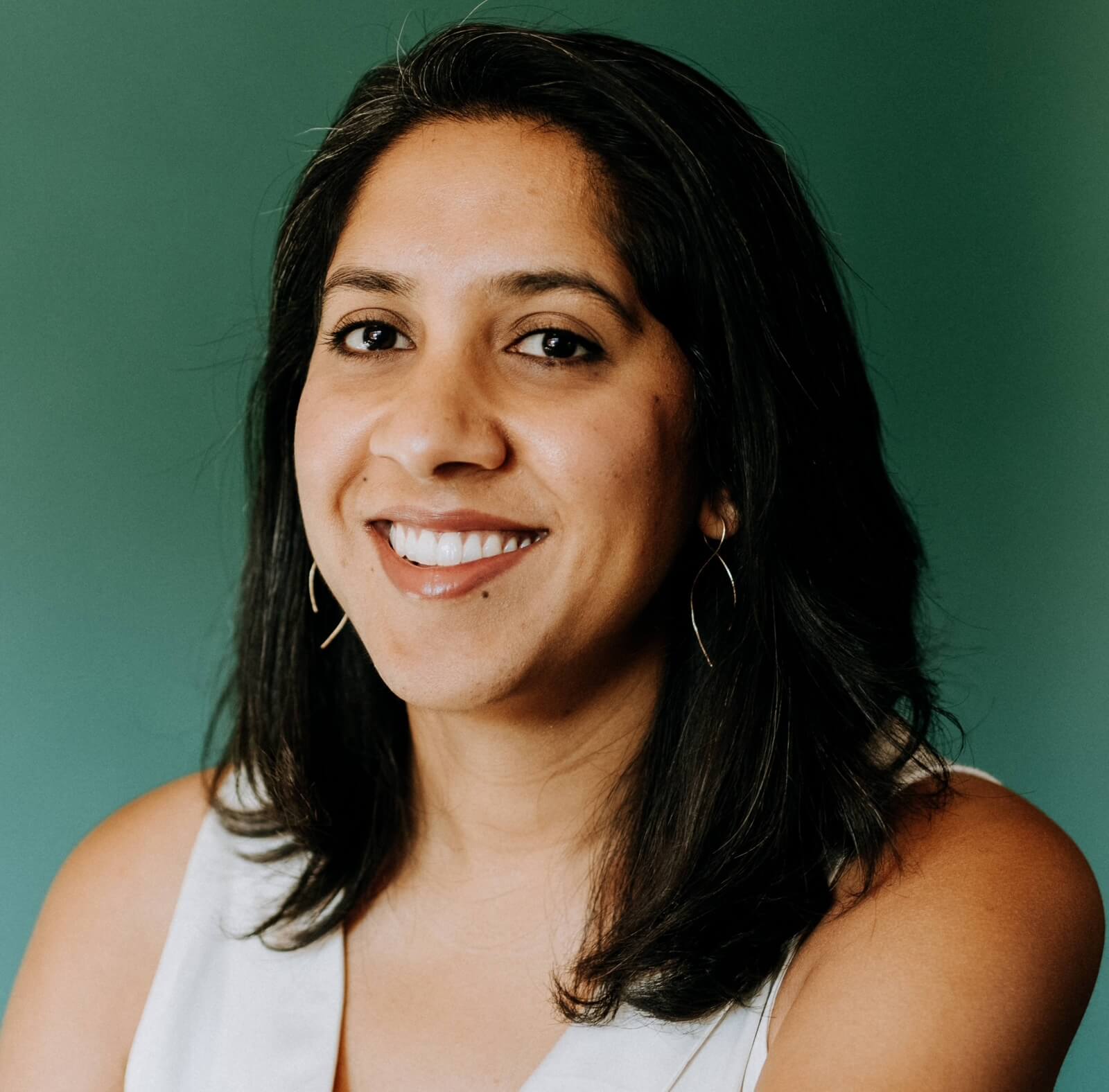
Guest Bio: Attia Qureshi is the founder of Attia Qureshi Consulting and an adjunct at the University of Michigan’s Ford School of Public Policy. A former instructor at MIT Sloan and the Ross School of Business, she has worked on behalf of the US State Department in conflict zones around the world. She is the co-author, with John Richardson, of Never Settle: Persuasion and Negotiation Skills to Get What You Want (Simon & Schuster).
Community is everything!
Join our community Facebook groups:
Takeaways from the show
- Negotiation isn’t winning—it’s building better relationships.
- Have the internal negotiation with yourself first.
- Let them share before you assert anything.
- Being listened to opens us up to hearing.
- Name your feelings out loud—they diminish.
- Breathe in four, hold four, out eight.
- During conflict: do no harm, don’t make it worse.
- Collaborate on form, stay rooted in your interests.
- Their idea beats your idea every time.
- Different parenting styles can both hold real value.
“To me it means having the willingness to do the work and change, but doing it in a way that feels good. That doesn’t feel forced, but feels additive to our lives.” – Attia Qureshi
Find Attia:
Website || https://www.attiaqureshi.com/
Instagram || @attiaq
Facebook || @AttiaQureshiConsulting
We are here for you
Join the email list
Join our email list! Joyful Courage is so much more than a podcast! Joyful Courage is the adolescent brand here at Sproutable. We bring support and community to parents of tweens and teens. Not a parent of a teen or tween? No worries, click on the button to sign up to the email list specifically cultivated for you: Preschool, school-aged, nannies, and teachers. We are here for everyone who loves and cares for children.
I'm in!Classes & coaching
I know that you love listening every week AND I want to encourage you to dig deeper into the learning with me, INVEST in your parenting journey. Casey O'Roarty, the Joyful Courage podcast host, offers classes and private coaching. See our current offerings.
Transcription
[00:00:00] Casey O'Roarty: Welcome, welcome. Welcome to the Joyful Courage Podcast. This is a place where parents of tweens and teens come to find inspiration, information, and encouragement in the messy terrain of adolescence. This season of parenting is no joke, and while the details of what we're all moving through might be slightly different, we are indeed having a very collective experience.
[00:00:30] This is a space where we center building relationship, nurturing life skills, and leaning into our own personal growth, and man, the opportunities abound, right? My name is Casey O'Rourde. I am a parent coach, positive discipline lead trainer, and captain of the adolescent ship over at Sproutable. I'm also a speaker and a published author.
[00:00:53] I've been working with parents and families for over 20 years and continue to navigate my own experience of being a mom with my two young adult kids. I'm so honored that you're here and listening. Please give back to the podcast by sharing it with friends or on social media. Rate and review us on Apple or Spotify.
[00:01:13] Word of mouth is how we grow. Thank you so, so much. Enjoy the show.
[00:01:23] Hey, everyone. Welcome back to the podcast. I want you to think about the last time you needed to ask for something hard, and maybe it was asking your partner to navigate a difficult conversation with your kiddos so that you could have the evening off, or maybe it was holding the line with your teenager when they were pushing back.
[00:01:45] How did it feel in your body just thinking about having that conversation? Did your stomach tighten? Did you rehearse it? Or maybe did you just not do it, and then feel resentful about it later? Spoiler, that tends to be my go-to. Um, here's what this episode is all about today: negotiation. Because negotiation isn't just a boardroom skill.
[00:02:11] It's a life skill. It's a parenting skill. It's a skill that we want to invite our teens into developing, and every time we ask for what we need, every time we navigate a hard conversation in front of our tweens or teens, every time we negotiate with them instead of over them, we are teaching them. We're giving them this opportunity to see negotiation in action, and also participate in it.
[00:02:37] We're giving them those high reps that I like to talk about for a world that will absolutely try to talk them out of whatever it is that they need, or even things that they deserve. So today, we're talking about how to ask, how to manage the emotional storm before, during, and after a hard conversation, how to create real equity at home, how to use everyday parenting moments as the training ground, you guys know that I love this, for skills that our kids will carry into their life So my guest today is Atiya Qureshi.
[00:03:10] She is the founder of Atiya Qureshi Consulting, adjunct at the University of Michigan's Ford School of Public Policy. She's the former instructor at MIT Sloan and the Ross School of Business, and someone who's worked on behalf of the US State Department in conflict zones around the world. And today is launch day.
[00:03:32] Well, I don't know if today is the actual launch day, but she has a brand-new book that she co-authored with John Richardson, and it's called Never Settle: Persuasion and Negotiation Skills to Get What You Want. It is out from Simon & Schuster, and the book is all about moving from knowing what to do, which if you've been around here any length of time, you know is a phrase that lives rent-free in my heart, knowing what to do into doing it.
[00:04:00] So I'm really excited to welcome Atiya to the podcast. Hi, welcome.
[00:04:06] Attia Qureshi: Hello. Thank you. I'm so excited to be here.
[00:04:09] Casey O'Roarty: Yes. Well, congratulations on Never Settle. I love the title. When you and your co-author, John Richardson, talk about never settling, what do you actually mean? Because as I was saying before I hit record, I hear a lot from parents who are just kind of exhausted about how much negotiation comes with the terrain of adolescence, and they kind of hold it as like, "Ugh, why can't they just, you know, do what I need them to do?"
[00:04:40] What was the gap that this book was written to close? What do you mean by never settling?
[00:04:45] Attia Qureshi: I see so many people who want to be good negotiators, who want to work on that skill. And let me clarify, I think negotiation is happening dozens of times a day, exactly like your parents are talking about, exactly like I see with my own child and my spouse and my family.
[00:05:05] It's already happened, whether it's about childcare and pickup, or homework and who's taking that on, or where we're spending the holidays and which in-laws are we spending it with, or at work. We're constantly negotiating. But the gap I saw was people quit before they even start because it's hard, and we don't know how to build the skill, and we don't know how to become better, and it feels hard to think of ourselves becoming a good negotiator.
[00:05:33] And so sometimes we do settle, and I hate that because I don't want people to settle. I know that everyone can get more. More time, money, resources, energy, and a few moves can help us so much. And so I wanted to provide something super tangible and practical and skill-based to help people improve.
[00:05:54] Casey O'Roarty: I love that.
[00:05:55] I love that, and I often will... One of the tools that we talk about in Positive Discipline and that I encourage the clients that I work with who have teenagers to keep as kind of the, the direction they're pointing their compass is, is in finding win-wins. And I know that you write and talk about negotiation not being about winning, right?
[00:06:16] And I love that because if something's about winning, when you put it in the context of parenting, that means one person is the winner and, and then we're creating a loser. And I know- Mm-hmm ... I don't wanna be a loser, but I also don't want my kid to feel like a loser. And in that mindset of l- you know, there's, there's resentment, there's anger, there's all sorts of other things that kind of come to the surface, I'll show you kind of vibes that are not useful.
[00:06:44] So if negotiating isn't about winning, what is it about?
[00:06:49] Attia Qureshi: It is about building better relationships and understanding their interests along with our own to work together on a solution. And I think of it, we call this principled negotiation, and I actually think of it as relational negotiation. We are not two parties sitting on opposite sides of the table trying to hammer it out where I am going to win this one, and, you know, maybe next time you will, but- Yeah
[00:07:15] not right now. That's not what this is about. This is about looking at it as a collaborative process. And I'll share with you where this started for me was way back, and often it does start for people really early on, and we have to make a shift because I think that right now, a lot of what we see in our world, on TV, in the news, in movies, is negotiation is adversarial.
[00:07:41] Yeah. It's conflict. High conflict.
[00:07:43] Casey O'Roarty: Yeah. And
[00:07:44] Attia Qureshi: that's just framing. Let's make
[00:07:44] Casey O'Roarty: a deal, meaning let's m- you do what I say.
[00:07:48] Attia Qureshi: Yeah. Exactly. Or like, "I'm gonna crush you." Yeah. "I'm gonna, you know, get exactly what I want. I'm gonna just totally overrule the other party." And that's not what I saw to be what drives value.
[00:08:01] Mm-hmm. And that's obviously, you know, maybe people think that's okay in the workplace, which I completely disagree with, and I'll come back to that, but it absolutely isn't going to work in families because what happens after you crush someone in that moment, right? You still have to keep talking to them- Yeah
[00:08:18] interacting with them, negotiating with them. So there is a better way and a better system that is relational and actually builds better relationships, builds better understanding of both parties, and- It, you generate options together that create something that maybe neither of you thought of as a really good path forward.
[00:08:40] Casey O'Roarty: Yeah. I love that, and it reminds me of something that I hold really dear in my work, which is you know, as our kids get older, which you will come to find out one day, um, but as they get older, they're really wired for autonomy- Yeah ... and that individuation, and the curtain has been pulled back, and the wizard is revealed, and they realize like, "Oh, you actually don't know everything, and I actually don't have to believe all the things that you believe."
[00:09:13] And in that tension, we, as parents, really want to maintain... Well, I think misguidedly, we wanna maintain control, which is an illusion. We- So I try to think about it as what we can do is we can maintain some influence, but only- Mm ... inside of the relationship that we are nurturing with our young people. And so I really appreciate your, your, that small language tweak that you made, that this is relational, right?
[00:09:43] Mm-hmm. This is being in relationship. And I wonder, too, you know, negotiation, you know, I wonder if... And I was like this with my kids, which is so funny, 'cause they are like... I, I'm worried that I was too, and mine are 20 and 23, but I, and I've said this on the podcast, but I, I always think that I was too permissive In my parenting.
[00:10:04] And they- whenever I've said that to my kids, they were like, "What are you talking about? You were the strictest parent." And I said, "What are y- what are you talking about? Like, are y- how do you figure?" And they said, "We always had to talk about everything."
[00:10:18] Attia Qureshi: Hmm.
[00:10:18] Casey O'Roarty: We had to talk about everything. If there was something that they...
[00:10:21] Like, I was very open and willing to change my mind, even if at the beginning I was like, "Uh, no, that's not happening." I would, you know, they would kinda lean in, and I'd realize, like, oh, wait a second, there's more information for me to gather. And it was really freeing to realize that I could change my mind based on the information, not only the information they were giving me, but on the picture they were painting of themselves through the delivery of the information that they were giving me.
[00:10:50] Does that make sense?
[00:10:51] Attia Qureshi: That makes total sense, and that is one of the foundational pieces of negotiation. And, you know, it's helpful to have language around that, and what we call that is understanding their interests. Mm-hmm. And what you were doing is, and this is one of the most powerful things we can do in a negotiation, is rather than going in and asserting what we think, what we believe, and trying, like you were saying, exert control over the situation, because sometimes we might work ourselves up, and all of a sudden it becomes this speech that we give- Yeah
[00:11:23] about our perspective. If you go in and take an opportunity to ask questions and understand their interests and their perspective first, they are so much more likely to listen to your side if they feel you've truly understood their perspective and their side. And it sounds like that's exactly what you were doing, is providing them an opportunity to share with a willingness to evolve your own thinking with that information.
[00:11:51] Because a negotiation is never one-sided, and you're never going to get everything you want. And if you're willing to change, it's so much more likely that they will be willing to bend and be flexible right back with you.
[00:12:05] Casey O'Roarty: Yeah, it's very satisfying right now. I feel very validated, Atia. Listen everyone, the expert, the professor is validating what we talk about here, and it's, you know, and I think, you know, we, the tricky part, the slippery part of this in the parent-teen relationship is that it feels like the stakes are so high.
[00:12:31] Ugh. And there's plenty of, 'cause we have too much access to everything, so there's plenty of evidence that we can collect around worst case scenario as the only outcome. Mm-hmm. That I think it, it is a big ask. I notice it's a big ask for parents to be open to changing their mind. Yeah. And, and to, you know, sometimes I've even heard parents say, "Well, God, if I, I don't wanna give them...
[00:12:57] If I'm a hard no and I've, I'm curious, I c- I don't want them to think that now I am gonna change my mind." It's like, oh, no, like, that's not what this is about. But I heard you say that piece around being listened to.
[00:13:11] Attia Qureshi: Yeah.
[00:13:12] Casey O'Roarty: I mean, I'm, I'm, I know that there's some brain research around this as well, right?
[00:13:15] Yes. Being listened to opens us up to then hearing. Can you talk a little bit about that?
[00:13:23] Attia Qureshi: Absolutely. So when we go into a negotiation, and when we offer them an opportunity to share, there are multiple things that happen that are so positive for you. First, you gain information, and knowledge is so much power in a negotiation, because how could you ever influence someone if you don't know where their mind is at right now?
[00:13:47] Mm. You don't know what to influence, you don't know how to influence it, so you have to have their perspective if you have any chance of being effective at influencing them. Second, they have all of these thoughts, a tornado, a whirlwind in their head, just like we do. The opportunity for them to get that out there, and if you can paraphrase or repeat back in a short way what you heard, you don't only showcase your listening, you prove to them that you heard them.
[00:14:16] Mm. And what that does is it takes that swirling tornado of everything they wanna say to you and everything they wanna prove, and it quiets it down. I love that. Because now they know you heard them. And you can ask open-ended questions to get more information, right? Open-ended questions are any question that doesn't end with a yes or no-
[00:14:37] Casey O'Roarty: Mm-hmm
[00:14:37] Attia Qureshi: right? Yeah. Okay, tell me more- And I would say
[00:14:39] Casey O'Roarty: and no why. Like, don't ask why- Yes ... 'cause the teenagers know that why is a trap.
[00:14:44] Attia Qureshi: Yes.
[00:14:45] Casey O'Roarty: So stick with what, how.
[00:14:47] Attia Qureshi: Exactly. Tell me more about where you're coming from with that perspective- Yeah ... or I'd love to understand better where that piece is coming from. And when you ask those questions, they continue to share, you get more information to help figure out how to navigate the situation, they feel heard.
[00:15:04] Casey O'Roarty: Yeah.
[00:15:04] Attia Qureshi: And once all of that happens- There's gonna be an automatic break that happens in the conversation, and they are going to become curious about your perspective. Mm-hmm. Because what you're doing is you are showcasing the behavior you want to see from them. Mm. And if we aren't willing to do it, why should we expect them to do it?
[00:15:23] Casey O'Roarty: Yeah. Yeah. Yes, and the, the importance of allowing it, like, giving them the, the space to share first-
[00:15:32] Attia Qureshi: Yes ...
[00:15:33] Casey O'Roarty: versus coming in hot, "You need to hear it from my perspective." What I love about this as well is it really challenges, if we're tuned into this, this listening, the curiosity, the open-ended questions, can also challenge any assumptions that we're bringing into the conversation as well.
[00:15:52] And I think as parents of teenagers especially, and just humans in general, we are really good at assumptions.
[00:16:01] Attia Qureshi: Yes, we are. And
[00:16:01] Casey O'Roarty: assumptions aren't real. They're not truth. They're just assumptions.
[00:16:05] Attia Qureshi: Yeah. Exactly, and we only have half the story, so why not get the other half of the story- Yeah ... rather than making those assumptions?
[00:16:13] Because it might not even be what we think. And the last thing I'll say about letting them have a chance to share and asking questions, teenagers are really smart. They are... They're gonna pick up on everything instantly. They are so quick, so, you know, capable, and if you give them a chance to talk and you are meaningfully listening to them and they feel heard, they might start processing in their own minds before they even get to the part of listening to you on what feels right or wrong.
[00:16:44] So you're giving them an opportunity to share out loud and process what they are saying, and that will make them start thinking through, "Is this reasonable?"
[00:16:57] Casey O'Roarty: Yeah. "
[00:16:57] Attia Qureshi: Is this fair?" Yeah. "Is this a path forward that I feel comfortable taking?" And that is e- a even bigger win for you.
[00:17:04] Casey O'Roarty: Yeah. I love that. I love that.
[00:17:06] And as you were talking, I was thinking that you had told me that you have a toddler, and then I was thinking, "Oh, but she's a college professor." So I'm wondering- Yeah ... I'm curious, as you teach neg- I mean, that's some of what you teach, right, is around negotiation. Mm-hmm. So what is... Have you... Do you have any good stories about the kids, and I will call them kids 'cause they are college kids- Yeah
[00:17:26] and I am in my 50s. They are. Um, any of those kids coming in ready to use some of what they've learned in your class to maybe negotiate a grade or an extension on a deadline? Yes. And how is that for you?
[00:17:40] Attia Qureshi: Oh, gosh. Well, I actually love it. Yeah, okay. So anytime someone comes to me and makes a good case for something- I absolutely love it.
[00:17:49] And so I think that when, you know, I have students who there are two variations. Sometimes students come to me and they just, they ask, "Hey, can I please have an extension?" And it's like, okay, well, you know, if the student that comes to me with the explanation and asking what would be a reasonable amount of time that I would feel comfortable allowing for an extension, that completely changes the game.
[00:18:16] Casey O'Roarty: Mm-hmm.
[00:18:16] Attia Qureshi: Because what they're doing is giving me context for why they need the extension, and they're also asking me what I would feel okay with. So I think these two moves are so smart because I get more information about them and I get to decide. They're giving me the autonomy to decide when an extension would be okay.
[00:18:37] Casey O'Roarty: Mm-hmm.
[00:18:38] Attia Qureshi: Which, or it, which already makes me feel better 'cause it's like, oh, they respect my time. Yeah. They respect my decision. They wanna know what would work for me, and I almost always give that extension. But if a student comes in and demands one, I have no reason and no willingness to do it. You're like, "Do
[00:18:54] Casey O'Roarty: you know the title of this class?"
[00:18:56] Attia Qureshi: Exactly. Exactly. Like, you're, you're applying no influence or persuasion here. And I have no incentive to grant this to you, so no.
[00:19:05] Casey O'Roarty: Yes. Oh my gosh, that's awesome. I love that.
[00:19:08] Attia Qureshi: Yeah.
[00:19:09] Casey O'Roarty: So I wanna talk about a practical tool that you teach, which is the best find worst outcome exercise. Will you walk- Yeah ... us through that and how, you know, a pa- I, you know, is it something a parent can use?
[00:19:22] Is it something a parent teaches to their teen? Maybe it is just through modeling.
[00:19:27] Attia Qureshi: Yeah.
[00:19:28] Casey O'Roarty: Talk about it.
[00:19:30] Attia Qureshi: I would love to talk about it. And if you'll allow me to take a step back- Yeah ... and then I come back to the exercise, one thing that I want, because this exercise, best find worst outcome, is really helpful to help soothe our own anxiety when it comes to a negotiation.
[00:19:47] But one of the things that you mentioned that I wanna highlight is parents feel the need to assert control- Mm ... or make sure that they have boundaries in place. We wanna keep our kids safe, and we have really strong reasons for that, and it's a scary world out there. And we know what can happen, and they don't know what can happen, and we have all of these feelings.
[00:20:07] We have all of these fears that cr- rise up within us, especially around parenting. I have a two-year-old, so I'm learning this. I'm new to it. Mm-hmm. But learning it really fast. And I think the one most important negotiation that we don't necessarily think about is the internal negotiation. Oh. And it's the one that we have to have with ourselves before we even walk into the conversation with them.
[00:20:30] Because how can we do any of this? How can we give them an opportunity to share and ask questions and be willing to listen to them and change our own minds if we don't manage those internal feelings and that internal negotiation first? And that's what most people fail at. We almost give up or walk into the room and set ourselves up for failure because we don't deal with all of those fears and feelings that are swirling around inside of us And so the best, fine, worst outcome is really helpful for that because what you're doing is you are thinking through what are all the possibilities that can occur when I enter into this situation?
[00:21:15] Mm-hmm. What is the absolute worst outcome when I have this conversation? What would be the worst thing that could happen? What is something that would be fine? What's probably middle ground outcome, right? It's not great, it's not awful. And then what's the best case outcome that could happen? And we actually sit with those feelings, and we close our eyes, and we call this mental time traveling, and we walk through that in our own minds.
[00:21:43] And specifically, I want everybody to sit in the worst case outcome because what that's doing is it is inoculating you to the feelings that you are going to have when walking through that scenario in your mind, and it's going to provide enough of a stress response and enough of fear and anxiety and everything else you might be feeling to prep us and make it feel a little less scary when we walk into that conversation.
[00:22:12] And usually what almost always ends up happening is it's either the fine or best outcome anyway.
[00:22:18] Casey O'Roarty: Mm-hmm.
[00:22:18] Attia Qureshi: Mm-hmm. But if we can work through all of those scenarios in our head, it becomes way less scary and gives us some of that confidence and a little bit of a boost to go in and manage that conversation much more effectively than we would if it were all swirling around inside of us.
[00:22:46] Casey O'Roarty: Yeah. I love that you include fine. I keep having this same kind of conversation, or it's come up a few times just in the course of this last week, where it feels like we're quick to go to worst-case scenario, and we're striving for best-case scenario, and there's so much in between that is the probable landing place.
[00:23:10] Yes. So I really love that the invitation is not only, okay, what's the worst that could happen? What's the best that could happen? But also, like, eh What's the middle ground?
[00:23:19] Attia Qureshi: Exactly exactly. And you're right, oftentimes we do land in the middle ground, and it's fine. It's acceptable. Mm-hmm. And again, in a negotiation, you're not gonna win on everything all the time, and so figuring out what that space is is really helpful.
[00:23:37] And the other tool that I absolutely love when it comes to this exercise and that internal negotiation is the emotion wheel. Mm-hmm. And there are tons of emotion wheels online. There's one on my website. There's one in the book where you figure out as discreetly as possible, as specifically as possible, what you are feeling before you walk into the conversation, and it starts broadly in the center and gets more and more specific.
[00:24:05] Yes. Yes.
[00:24:06] Casey O'Roarty: Listeners, you can't see this, but I'm literally holding up the Positive Discipline Wheel of Feelings.
[00:24:12] Attia Qureshi: Yes.
[00:24:12] Casey O'Roarty: Oh my gosh, I love that. Which is basic on the inside- Yes ... so happy, sad, peaceful, fearful, surprised, angry- Yes ... and then more explicit on the outside. Oh my gosh. So carry on. Carry on. I'm feeling it.
[00:24:22] Attia Qureshi: I love that. So use that wheel, any wheel. And we're probably feeling a lot of different things at once- Yeah ... especially if we have anxiety around a conversation. We're probably feeling sadness. We're probably feeling fear. We're probably feeling anger, and the more specific we get with the feeling-
[00:24:39] Casey O'Roarty: Mm-hmm
[00:24:41] Attia Qureshi: if we can write them down and say them out loud, fMRI studies of the brain have shown that those feelings will diminish- Hmm ... as we label them and say them out loud. And something I do before I'm walking into a conversation that I have a lot of negative feelings around is I just say it out loud because I know that something is stopping me from going and having that conversation, and I know that those feelings inside of me are going to prevent me from having the most productive version of that conversation.
[00:25:10] Mm-hmm. So I say it. I'm infuriated. I'm infuriated that my husband is not picking up the workload he committed to, and I say it over and over again until I feel those feelings start to subside, and then I can walk into that conversation much more productively because our bodies tend to go into fight or flight mode when we are having the surge of emotion and cortisol spikes and our brain, you know, we can't think- Yeah
[00:25:37] as clearly, and we need to calm our entire nervous system so that we turn the rational part of our brain back on- And aren't going with our instinctive emotional side only, because again- Yeah ... that's not going to be productive.
[00:25:55] Casey O'Roarty: Yeah. Well, and I really appreciate you bringing in partners, because as a empty-nest mom these days, although my son is home from college, the primary relationship that is inviting me into my growth edge is now this other person that I started this whole thing with.
[00:26:14] Yeah. My sweet, sweet husband. And it's amazing how, you know, in my work, it's really the context is parenting, but really it's humaning and it's human relationships. So I appreciate that overlap there. And, you know, talking about the emotional experience, because, you know, we can do the practice of the best, fine, worst outcome exercise, and, like, acknowledging the emotions, and be in our grounded, regulated self, and walk into a negotiation, especially with a teenager- Yeah
[00:26:52] and then it's just, you know, it can be so activating, and our nervous system- Yeah ... can come online so quick.
[00:26:58] Attia Qureshi: Yeah.
[00:26:59] Casey O'Roarty: So what is the during negotiation emotional management look like that you talk about?
[00:27:04] Attia Qureshi: Ah. I love that question. It's so important, because no matter how much we prep, and no matter what, all the work we do beforehand, we can still get triggered, and our partners and our siblings and our children and our parents can do it faster than anybody else, right?
[00:27:22] I think my sister could trigger me in less than five seconds if she really wanted to. So-
[00:27:27] Casey O'Roarty: For sure.
[00:27:28] Attia Qureshi: So yeah. And one of the things that I found most helpful in that moment, first you have to identify that you're getting triggered. So if you don't know, you can't work on it. So figuring out what are the physical aspects that happen to you in your body, can you identify that?
[00:27:45] Because the identification is the most important piece so we can start implementing some techniques around it. Mm-hmm. I start getting hot. Yeah. I will get hot. I'll start sweating. I will feel kind of a restriction- Yeah ... in my chest.
[00:27:57] Casey O'Roarty: Yeah. Same.
[00:27:58] Attia Qureshi: And so recognizing those physical feelings makes me realize, okay, the first thing I have to do is take a deep breath.
[00:28:04] And what I like to do is I like to take a deep breath for four, breathe in for four, hold it for four, and then breathe out for eight. Because what that does, it tells our parasympathetic nervous system that we are not under attack. We can never breathe out more slowly if we are under attack. And so it reminds our brains we're not under attack, and we'll immediately calm our bodies down.
[00:28:30] Mm. Super helpful. Love
[00:28:31] Casey O'Roarty: that. Very helpful.
[00:28:33] Attia Qureshi: Now, the second thing is- In that moment, you take a pause and you take a moment to breathe, and if it becomes really, you know, you still haven't been able to catch it and grab control over it, take a quick break, right? Go get a cup of water. Go walk to another room and come back.
[00:28:53] Ask like, "Okay, I just need a second, and we'll come back to this conversation in just a few minutes." You can step outside. Any sort of physical activity will help. It can be incredibly powerful to step away, even for two minutes- Mm-hmm ... and then come back once you have been able to do a couple jumping jacks or drink a glass of water, maybe ice water.
[00:29:16] That can really be powerful too. I have a question about
[00:29:17] Casey O'Roarty: those two minutes. Mm. I have a question about those two minutes. Yeah. Because sometimes the two minutes sounds like, "That motherfucker. Why can't he just- Oh, yeah ... do what I want him to do?" And we're raging inside- Totally ... of the two minutes, and I- Yes
[00:29:30] wonder, like, I talk about, you know, the invitation to be willing. Like, okay, I'm- I'm intentionally taking two minutes to calm down. I'm not taking two minutes- Yeah ... to s- to loop about how much this person is making me feel, do, say. Yeah.
[00:29:48] Attia Qureshi: Oh, yeah. So we can re-trigger ourselves very quickly, and that's what you're talking about, right?
[00:29:54] Yeah. You're rethinking about what was just said, and you're triggering yourself and hyping yourself up again. And honestly, we can... I could re-trigger myself if I think back to something that happened six months ago- Oh, for sure ... or five years ago that was really upsetting to me. I'm gonna
[00:30:06] Casey O'Roarty: get real
[00:30:06] Attia Qureshi: passive-aggressive.
[00:30:08] Yep, and I could be right back there.
[00:30:10] Casey O'Roarty: Yeah.
[00:30:10] Attia Qureshi: And so you're exactly right. You're not spending those two minutes re-triggering yourself and amping yourself back up. You're actually trying to implement some techniques, breathing, walking, jumping jacks, that actually mitigates that spike of cortisol and norepinephrine in your body that is going to make your brain shut down.
[00:30:32] Casey O'Roarty: Yeah, yeah okay
[00:30:34] Attia Qureshi: And we call that period the refractory period so when your brain, when you go into fight, fight or flight mode and your brain physically does not have as much blood in it and I think studies show that IQ drops 10 to 20 points, which is very significant. We call that period of time the refractory period so it lasts on average for 20 minutes if you don't do anything.
[00:31:01] But you can tone it down pretty quickly if you-
[00:31:05] Casey O'Roarty: Meaning you get- ... apply some techniques ... meaning you've got like a 20-minute period where you're kinda stupid
[00:31:10] Attia Qureshi: Yep, exactly.
[00:31:11] Casey O'Roarty: You're not connecting the dots. You're in that emotionally flooded state.
[00:31:15] Attia Qureshi: Yes.
[00:31:16] Casey O'Roarty: If you don't do anything- Ex- ... about it, but.
[00:31:18] Attia Qureshi: Exactly. But you can manage it.
[00:31:21] Mm-hmm. If you realize you're in that state, you can do the breathing, which will calm it down. Physical activity really helps. Studies show that if you do, I mean, they talked about how if you do a math problem, like calculus, that'll really help. Mm-hmm. But I would not be able to solve- ... a calculus problem if my life depended on it.
[00:31:37] Yeah. So sudoku probably works too.
[00:31:39] Casey O'Roarty: Maybe some long, yeah, maybe some long division
[00:31:41] Attia Qureshi: Exactly. Good at that. Anything that re- yeah, anything that re-triggers the rational part of it, your logic center- Yeah ... of your brain. Yeah. All of that will really help you, and it's super helpful to know. Like I always remember in the back of my mind that this concept of do no harm.
[00:31:57] Casey O'Roarty: Mm-hmm.
[00:31:58] Attia Qureshi: I am in a state where I am not thinking clearly. I am physically stupider, and whatever I say right now is going to not be what I wish I had said in 20 minutes
[00:32:11] Casey O'Roarty: Yeah.
[00:32:11] Attia Qureshi: So I often- That'll make it worse ... do, right, do no harm because you can't be at your best in the conversation, so take a step away if you aren't able to reactivate-
[00:32:22] Casey O'Roarty: Mm-hmm
[00:32:22] Attia Qureshi: and come back to it. And it's really helpful to have that framing because- We wanna oftentimes, I mean, I'm combative when I am angry. Some people freeze, some people wanna get away from it. I become more combative Yeah And there's a lot of harm that can happen in- Mm-hmm ... that conversation, so exercise, breathing-
[00:32:47] Casey O'Roarty: Yeah
[00:32:47] Attia Qureshi: math puzzle, or walk away for a few minutes.
[00:32:50] Casey O'Roarty: Yeah, yeah. Well, and I wanna add, too, and this is something my listeners, I just love this. Again, super validating, right? There's not a magic elixir that we just haven't discovered. Like, it's all here. Yeah. And one of the things that I would add, I love the do no harm.
[00:33:06] The language I often will use is, don't make it worse. Mm. And then as the logical brain comes back online, I love the question of, what do I wanna create? Yeah. You know? And for me, I'm walking with this year connection, trust, and joy, and that's in my back pocket. And so when I can calm myself down-
[00:33:25] Attia Qureshi: Mm ...
[00:33:25] Casey O'Roarty: then I can ask, okay, I'm going back in.
[00:33:28] Yeah. What do I wanna create, right?
[00:33:30] Attia Qureshi: I love that. That is such a good phrase. It actually aligns with one of the other pieces that we haven't talked about, because we talked about the internal negotiation. We've talked about knowing, understanding their interests. What we haven't talked about is, do we know our own interests and our own goal in the conversation?
[00:33:49] Casey O'Roarty: Mm-hmm.
[00:33:50] Attia Qureshi: And that's kind of the key that you're talking about, is the goal. Yeah. What do I wanna create? And it's what, what is my fundamental goal, and what do I deeply care about in this conversation?
[00:34:02] Casey O'Roarty: Yeah.
[00:34:02] Attia Qureshi: And it's distinct to positions. Most people get positional in a negotiation saying, "I want there to be a 9:00 PM curfew, no exceptions- Right
[00:34:13] can't drive." Like, all of these specific rules, those are positions. The interest, the underlying interest is, "I really want you to be safe."
[00:34:21] Casey O'Roarty: Mm-hmm. "
[00:34:22] Attia Qureshi: I want to understand and know who you're spending time with. I want to make sure that there are boundaries around that time so that you can get enough sleep and be able to actually perform in school and be, you know, get a good education."
[00:34:36] Those are the interests underlying that. And when we come in with interests and a goal in the conversation that opens it up to collaboration, because their interests plus our interests almost gives you a playbook Mm ... that all of a sudden we start pulling these pieces together and collaborating on how this fits but we need both parts of that puzzle to start coming up- Yeah
[00:35:00] with a solution together.
[00:35:02] Casey O'Roarty: Yeah. I love that. Collaborating really on form right? Yeah. Coming in hard on we know the form. Oh, my God, and I'm talking to myself right now, Casey, like, listen to yourself. Yeah. Like, we get so hung up on form-
[00:35:16] Attia Qureshi: Mm ...
[00:35:16] Casey O'Roarty: being the goal- Yeah ... and we lose what's really the most, you know, what we value the most.
[00:35:23] Attia Qureshi: And then the beautiful part of this is you get their interests, they are now curious about yours- Mm-hmm ... so they give you an opportunity to share yours and then you let them start problem-solving. Because, like you said, autonomy is super high for kids, teenagers, everyone, to be honest.
[00:35:43] Casey O'Roarty: Mm-hmm. Mm-hmm.
[00:35:44] Attia Qureshi: And if they see the pieces of the puzzle, again, they're so smart, they will start problem-solving, and if they come up with the solution and you help with the conversation and guide it with, you know, making sure it meets both interests, they are going to be 10 times more bought in to whatever you come up with than if you come up with it.
[00:36:03] Casey O'Roarty: Yeah.
[00:36:03] Attia Qureshi: And you're, you're laying down those pieces for them to pick up and start problem-solving, which they're naturally going to do-
[00:36:10] Casey O'Roarty: Mm-hmm ...
[00:36:10] Attia Qureshi: and all of a sudden it's their idea- Mm-hmm ... and what's better than that?
[00:36:15] Casey O'Roarty: Yeah. Totally. And so much organic skill development just by- Yeah ... being in the practice.
[00:36:22] They're getting those repetitions.
[00:36:32] So I'm gonna throw something at you, Atia, and I'm so excited- Yeah ... because this is something that comes up a lot. More often than not, I'm working with a mom,
[00:36:42] Attia Qureshi: Mm-hmm
[00:36:42] Casey O'Roarty: Right? I have a, a few couples that, that join in, um, which is awesome. I love it when the dads are present, but more often than not, I'm working with a mom, and a lot of those moms will come to me and say, "How do I get my husband on board?"
[00:37:00] Mm. And usually, well, it's one of two things. Either dad is, r- or other partner, I won't make it, you know, there's all different styles of relationship. So other partner either falls on the side of really permissive and just not wanting to tighten things up around firmness, which is a piece of, you know, we talk about kindness and firmness is what mutual respect is.
[00:37:25] Or there's the partner who is overly firm, right? And isn't willing to allow, you know, one, I'm thinking of one particular family where Dad can't tolerate the kids making mistakes or failing, so he's like right there, like, "No," you know, throwing out, you know, kind of some harsh ways of being to get them moving, to get them out the door, while Mom's like, "Hey, there's a lot of learning that happens in being late and walking through the natural consequences that come with that."
[00:37:59] What are some tips that you have around- Mm ... for those partners who are trying to get the other person to kind of see through, not only just see through their lens, but really, like, engage in learning some new things around how to be in relationship with these kids who are in a very significant transition out of childhood where some of the harshness did result in quick moves.
[00:38:27] And now- Mm-hmm ... they've got kiddos that are like, "You know what? Actually, I don't have to do it that way," and the relationship- Mm-hmm ... is starting to fray.
[00:38:36] Attia Qureshi: Yeah and-
[00:38:37] Casey O'Roarty: Can you solve that problem, please? All my listeners will be so happy.
[00:38:41] Attia Qureshi: Yes. Unfortunately, it's not an easy solve- Of course ... but I do have thoughts on it.
[00:38:47] Casey O'Roarty: Yes, let's hear it.
[00:38:48] Attia Qureshi: And this goes back to what I said earlier where in a lot of times in a negotiation, because all of those moments you talked about are negotiations or moments of influence, a lot of times people are either passive, like you said, they don't wanna deal with it, I just don't wanna deal with it, rather walk away, or very aggressive, I will dominate the situation.
[00:39:10] Casey O'Roarty: Yeah.
[00:39:10] Attia Qureshi: And I'll share a story with you because these modes, from what I've found, go way, way back.
[00:39:18] Casey O'Roarty: Mm-hmm.
[00:39:19] Attia Qureshi: The modes tend to start somewhere, often from when we were children.
[00:39:23] Casey O'Roarty: Mm-hmm.
[00:39:24] Attia Qureshi: So when I was a kid, I grew up as parents of immigrants who came into this world and didn't know how to operate in a system that wasn't built for them.
[00:39:36] And they sa- quickly realized that if they built good relationships and they provided a lot of value, that helped with, you know, pulling them into that system more effectively, but they were very passive. And so I grew up with that where, you know, my dad's whole phrase growing up was, "Don't rock the boat."
[00:39:54] Casey O'Roarty: Mm-hmm.
[00:39:55] Attia Qureshi: Right? We'll give, we will, you know, a- be additive and continue to give, but never ask and never take because that's risky. And then in fifth grade I was bullied really severely. Mm. I had curly hair, frizzy, glasses, braces all at the same time, and there was a girl, Bethany, who decided I shouldn't have any friends.
[00:40:17] So no one sat with me at lunch. No one played with me at recess. I escaped to the classroom, and she had even convinced my teacher I did that because I was shy. And it was such a heartbreaking year, but a really, really important lesson for me in the power of influence. So we moved to Michigan, and in sixth grade, I decided not anymore, and I built this really thick shell, an exoskeleton around myself, and I decided I'm gonna fake it till I make it.
[00:40:47] So I asserted confidence. I was really good at positional negotiation where I would state my demand, refuse to budge an inch, and threaten to walk away, which is what most people think is, you know, assertive negotiation. Mm-hmm. And that worked for me well some of the time, but it did not help me at all with any relational negotiations, and I ended up pretty isolated for a couple decades of my life until I was sitting in my co-author's power and negotiation class, and he tells me I can get more out of a negotiation by building a stronger relationship- Understanding their, their needs and then bringing my own in to create value for all parties and I was blown away, and it completely shifted the way I thought about it because I didn't have to be that scared little girl on the inside- Mm
[00:41:39] and I didn't have to be that-
[00:41:40] Casey O'Roarty: I wanna give her a, I wanna give her a hug.
[00:41:42] Attia Qureshi: Oh, I know. Me too. Me too. Um- And
[00:41:45] Casey O'Roarty: look at
[00:41:45] Attia Qureshi: her
[00:41:45] Casey O'Roarty: now ...
[00:41:46] Attia Qureshi: and I didn't, yeah- Look at her now ... and I didn't have to be- Yeah ... that aggressive asshole either. I- Yeah ... there was this middle ground, this relational piece, and I had to find my way to that middle ground.
[00:41:57] Mm-hmm. And most people have to find their way to that middle ground too, and the way that we can do that is by asking them questions.
[00:42:06] Casey O'Roarty: Mm-hmm.
[00:42:06] Attia Qureshi: And understanding, where is this coming from for them? Mm. Because usually we have some scared part of us inside, rather, whether we're afraid of conflict, we're afraid of hurting the relationship, we're afraid of being hurt ourselves.
[00:42:23] There's something inside of us that h- makes us have that reaction.
[00:42:28] Casey O'Roarty: Yeah.
[00:42:29] Attia Qureshi: And so partners out there who are dealing with that, if you can just have a very open conversation and ask these open-ended questions to understand where that instinctive, you know, gut response behavior is coming from from the partner, that will open the door to the conversation of understanding, how do we walk the path of moving away from whatever that- You know, squishy-
[00:42:56] Casey O'Roarty: Yeah
[00:42:57] Attia Qureshi: yucky piece that we don't wanna deal with is, toward that relational negotiation, relational influence path, but we can't do it until we understand what's going on.
[00:43:07] Casey O'Roarty: Yeah. And where does validating their experience fit in here? Because I feel like- Mm ... along with kind of opening the other person's brain for- Yeah
[00:43:19] that's the technical term that I'm gonna use, you know, that there is also, and something that I would encourage with our kids, but I think is also really useful in partner relationships, is that moment of being able to say like, "It makes sense that you feel like that." Yes. And feel, so that they can feel seen, which we've already kinda talked about- Yeah
[00:43:38] and actually we're having kind of the same conversation again, right? Because it is about the other person, and I know in partnership, I don't know how long you've been married, but I've been married, it'll be 27 years in August, which is glorious, and we know each other very well, and our patterns are pretty well-worn.
[00:43:57] So while I'm like, "Come, be vulnerable. Tell me about what's going on in there." Yeah. He's like, "Well, that's a trap."
[00:44:05] Attia Qureshi: You
[00:44:05] Casey O'Roarty: know? Yeah. I know if I go there, you're gonna tell me about how... You know, I've, I'm having to re- really re- or dismantle some dynamics in our relationship, um, and I'm guessing there's, you know, it, that's an interesting place too.
[00:44:19] I don't know if your work kinda goes there, but even w- y- you know, the partners that are listening who are like, "How do I get my person to..." You know, I, I would encourage you also to take a look at what the dynamic has become over time, and maybe the s- the entry point is like, "Hey, I notice that we have this dynamic."
[00:44:39] And I'm gonna work on my part of dismantling it so that we can have a, a conversation about parenting and our kids that doesn't feel like an attack or making you wrong. What do you think about that?
[00:44:49] Attia Qureshi: Yes. I, I love that, and I would say if we're going into this with this perspective of I need them to change, and I need them to see my way-
[00:44:58] Casey O'Roarty: Yeah
[00:44:58] Attia Qureshi: it's not going to work.
[00:44:59] Casey O'Roarty: No.
[00:45:00] Attia Qureshi: Correct. Like, it-
[00:45:01] Casey O'Roarty: Damn
[00:45:01] Attia Qureshi: it. That's, that's... I know. That's not it. Yeah. And it, it's not gonna work. It is a I want to understand where they're coming from- Yeah ... and I wanna understand what patterns I'm driving that- Yeah ... encourage that behavior. So if you can go in and say, "You know what?
[00:45:20] I'm not going to change their mind. I'm not going to change the way they operate. Nothing is going to evolve for a while." Mm-hmm. It's not, right? Mm-hmm. Well, I would say think about the fact that the next 10 conversations you have, you are not asserting anything. You are just trying to understand where they're coming from and what patterns you are driving that might make them veer one way or the other, passive or too aggressive.
[00:45:47] Casey O'Roarty: Yeah,
[00:45:48] Attia Qureshi: yeah. And that's it. You're not sharing anything about your perspective, anything about the way you think things should be done, and you wait until they ask you.
[00:45:58] Casey O'Roarty: Oof.
[00:45:59] Attia Qureshi: That's when the door is open- Yes ... because you have done the work to understand them. You've done the work to understand your patterns.
[00:46:06] You haven't asserted anything, and then I guarantee at some point they will ask you a question. Yeah. And that's... And take that gently. Yeah. And respect that door opening, and be very gentle walking through it, but that's when you know it might be your opportunity to start- Yes ... sharing.
[00:46:26] Casey O'Roarty: Well, and I love that, and it also, i- you know, makes me...
[00:46:29] Just real quick because simultaneously some people I'm sure are like, "10 conversations, come on," but what's also happening is you are continuing to walk your own talk with- Mm-hmm ... your kiddos. I think that we get to... I think it's really powerful to say, "Oh my gosh, so I've been practicing, you know, curiosity with Ian, and we had this incr-" That's my son's name.
[00:46:51] "We had this incredible conversation about-" X, Y, Z that normally I would've been really controlling around. I mean, obviously you know, be authentic and be-
[00:47:01] Attia Qureshi: Yeah ...
[00:47:01] Casey O'Roarty: you know, conversational about it. It's not about like, 'cause they'll sniff it out otherwise. Yeah. But you know, that's, but that remembering, I think it's really important, remembering that we are modeling.
[00:47:11] Mm-hmm. You know, what's shifting and working, I don't like that word, helpful in our individual relationship with the kids, and both of those, what you're talking about, what I'm talking about, those things happening together I think is the, you know, really kinda chef's kiss of how we can come get closer to shared values around something, in this context parenting.
[00:47:37] And also, I just have to say out loud, it is okay if your partner has a different parenting style than you have. Like- Yes ... it's gonna be okay too. You don't need to, parents, especially moms, we're so gung-ho, I wanna be on the- Yeah ... same page. You don't have to be on the same page. But you do get to be in relationship around this role that you get to be inside of for the rest of your life, for the rest of your kid's life, and that's, you know, the goal is just being in a relationship around that in a way that feels really good to both people I think is, is what you're talking about.
[00:48:10] Attia Qureshi: Yes, that's exactly it. And you know, it might not be 10 conversations. It might be five. Yeah. Who knows? Okay, yeah. Like, it depends on your relationship. You know, I'm- Well,
[00:48:17] Casey O'Roarty: I'm putting that, I mean, I'm putting what you say, I'm taking what you're saying, and I'm putting it in all sorts of different contexts- Yeah
[00:48:23] and conversations that I-
[00:48:24] Attia Qureshi: Yes ...
[00:48:24] Casey O'Roarty: want to be having, so it's not just, you know, that's, that's the beautiful thing about your work, and I think the work that I do is, you know, we can talk specific situations, but it's the same- Like, it's the s- it's the same rollout. It's, it's about being in relationship. And, and that to me is really valuable.
[00:48:42] Attia Qureshi: Exactly. And you know one of the things I've found, and I don't know, moms out there, you might, this might resonate with you. But I want to be better- Mm-hmm ... and I want my relationship to be better, and I want my kid to grow up being great. And there are so many desires that I have, and I'm pretty strong-willed about a lot of those.
[00:49:01] Mm-hmm. Mm-hmm. And I would guess that a lot of moms who want that are strong-willed too. And for me, I found a partner who is more relaxed, more laid back, which is important for my strong-willed personality, but it's just as important for me to s- remember the value in that- Mm-hmm ... and the value that brings.
[00:49:19] Because sometimes I become too assertive and too demanding. Uh-huh. Uh-huh. And I'm like, "This is our schedule." Like, we wanna be schedule people. We wanna be boundary- Yeah ... people, right? Yeah. Like, don't you care about that? Like, isn't this what we agreed to? Right. And he's like, "Yes, but if it takes us two extra minutes to go downstairs," because it's his choice to do it, bedtime is going to be 10 times easier.
[00:49:42] Mm-hmm. And I'm like, "Shit, you're absolutely right." Mm-hmm. Like, I would've picked him up and taken him downstairs and taken all of his autonomy away from him- Mm-hmm ... and he would've screamed. Yeah. And I have to remind myself that that partner, I chose that partner. Mm-hmm. And there's a reason I chose him, and he has as much value as I do.
[00:50:01] Yeah. And his perspective, if I can understand it, is exactly like you said, we're all gonna have different parenting styles, and there's- Mm-hmm ... beauty in that.
[00:50:09] Casey O'Roarty: Ah. This is a healing conversation for me right now. Yes, for sure. For sure. It's such a- I think it's such an important invitation- Yeah ... right, to remember, even as sometimes, especially if we've been, you know, together as I have so long, so long, you know, it's e- it's easy to lean on, like, "Argh, here's, there's just more to kinda get together."
[00:50:33] And it's like, wow, actually, the value of who he is to me and to my kid- Mm-hmm ... to our kids, and there s- there's so ma- And, and it's the same, like, we also get to be looking at our teenagers through that same lens, 'cause we can get real focused in on what's not, what we don't like or what's not working or w- the mistakes they're making.
[00:50:55] We forget there's a whole entire person that we're in relationship with. Oh my gosh, I can talk to you all day. I could talk to you all day. This was so great. Thank you for letting me kind of take us in different directions. Um, I always end my show with the same question I ask every guest because of the name of my show.
[00:51:14] What, in the context of all we've talked about, what does joyful courage mean to you?
[00:51:19] Attia Qureshi: To me it means having the willingness to do the work and change, but doing it in a way that feels good. Mm-hmm. That doesn't feel forced, but feels additive to our lives.
[00:51:34] Casey O'Roarty: I love it. Thanks. Thank you for that.
[00:51:36] Attia Qureshi: Yeah.
[00:51:36] Casey O'Roarty: Where can people find you and follow your work?
[00:51:40] Attia Qureshi: I have- And find your book ... a website.
[00:51:41] Casey O'Roarty: Yeah. Yes.
[00:51:42] Attia Qureshi: Website is my full name, atiakureshi.com. For the moms out there, or partners, who want some help with any of these specifically, I built a chat bot that actually gives you lines or helps you practice- Ah ... before you walk into the conversation. Oh my gosh. So if you need a little bit of upfront help, it can help you there.
[00:52:04] It's Ask Atia. So it's my address, email, uh, my website atiakureshi.com/askatia. And then my book, Never Settle, is available at all major retailers. So- Congratulations ... it's out in the world. So great. I'm so excited.
[00:52:19] Casey O'Roarty: Yeah.
[00:52:19] Attia Qureshi: Yes,
[00:52:20] Casey O'Roarty: so. And this book, you guys, this book is really practical. Like, this isn't just... I mean, it's all, the, just like this conversation has, you know, in all the contexts, this is useful.
[00:52:30] So it's, it's not a parenting book, but it is a humaning book. And so I really appreciate that, and I'll make sure all of those links are in the show notes, and I'm just really grateful. Thank you so much for hanging out with me. This was great. Oh, thank
[00:52:42] Attia Qureshi: you so much for having me. I had a blast.
[00:52:50] Casey O'Roarty: Thank you so much for listening. Thank you to my Sproutable partners, Julietta and Alana. Thank you, Danielle, for supporting with the show notes, as well as Chris Mann and the team at Podshaper for all the support with getting the show out there and making it sound good. As I mentioned, sharing is caring.
[00:53:07] If you're willing to pass on this episode to others or take a few minutes to rate and review the show on Apple Podcasts or Spotify, it helps other parents find this useful content. Be sure to check out what we have going on for parents of kids of all ages, and sign up for our newsletter to stay connected at besproutable.com.
[00:53:27] I see you doing all the things. I believe in you. See you next time.