

Eps 660: Lori Petro on Obedience Culture
Episode 660
What if the way we treat our babies and teenagers could actually predict whether they grow up peaceful or violent? In this episode, I welcome back Lori Petro to dig into the buried research of Dr. James Prescott, the pull of obedience culture, and how shame around our kids’ bodies and emotions shapes who they become. We get honest about parenting teens, sexual development, and choosing curiosity over control. It’s messy, it’s tender, and it left me hopeful. Come listen.
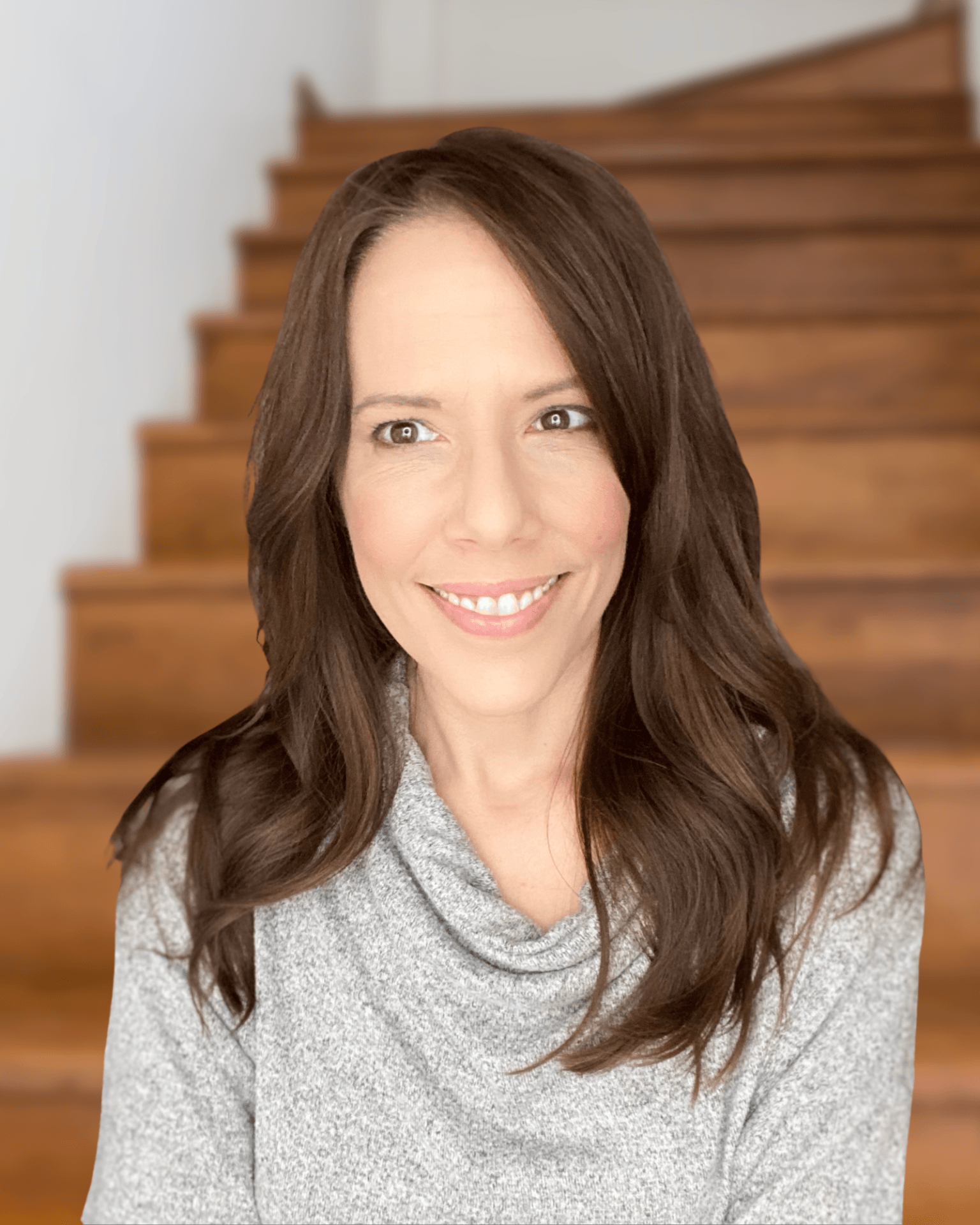
Guest bio: Lori Petro is a writer, educator, and child advocate, and the founder of Teach Through Love. Her own experience growing up as a highly sensitive, neurodivergent kid in an abusive home ignited a lifelong mission to dismantle obedience culture and restore emotional intelligence to how we raise children. She created the Conscious Communication Cards to give parents real-world language that replaces punishment, shame, and control with connection. Her new video series, The Roots of Love and Violence, shines a light on the suppressed research of neuropsychologist Dr. James Prescott.
Community is everything!
Join our community Facebook groups:
Takeaways from the show
- Connection beats control, every single time.
- Shame teaches kids their bodies are dangerous.
- Curiosity is the antidote to shame.
- It’s never too late to start now.
- Your discomfort is okay—just name it.
- Strict rules only teach kids to hide.
- Ask your kids; don’t assume you know.
- Warmth wires kids for peace, not fear.
- Bodies aren’t sinful—drop the shame.
- Talking about bodies keeps kids safer.
“Right now, joyful courage means standing in the face of what our culture is going through and doing the right thing anyway. For a long time I tried to make things palatable because I wanted people to feel good. Now I’m doing the scary thing—pushing back against the hate and everything going on—but I’m doing it joyfully, with passion and excitement instead of fear.” – Lori Petro
Resources mentioned
- Lori Petro — TeachThroughLove.com (links to her YouTube, Facebook, and Instagram)
- Lori’s new Substack
- Conscious Communication Cards (Lori’s card deck)
- The Roots of Love and Violence — Lori’s new video series
- Dr. James W. Prescott — neuropsychologist; his 1975 research on infant affection, adolescent sexuality, and societal violence
- Joseph Chilton Pearce — The Magical Child
- Michael Mendizza — interviews and consciousness/parenting work
- Dr. Harry Harlow — primate attachment experiments
- Rock-a-Bye Baby — Time Life documentary on the Harlow experiments
- The Family — Netflix documentary on Christian nationalism
- Amy Lang — Birds and Bees and Kids (referenced as a go-to for sexual development conversations)
We are here for you
Join the email list
Join our email list! Joyful Courage is so much more than a podcast! Joyful Courage is the adolescent brand here at Sproutable. We bring support and community to parents of tweens and teens. Not a parent of a teen or tween? No worries, click on the button to sign up to the email list specifically cultivated for you: Preschool, school-aged, nannies, and teachers. We are here for everyone who loves and cares for children.
I'm in!Classes & coaching
I know that you love listening every week AND I want to encourage you to dig deeper into the learning with me, INVEST in your parenting journey. Casey O'Roarty, the Joyful Courage podcast host, offers classes and private coaching. See our current offerings.
Transcription
[00:00:00] Casey O'Roarty: Welcome, welcome. Welcome to the Joyful Courage Podcast. This is a place where parents of tweens and teens come to find inspiration, information, and encouragement in the messy terrain of adolescence. This season of parenting is no joke, and while the details of what we're all moving through might be slightly different, we are indeed having a very collective experience.
[00:00:30] This is a space where we center building relationship, nurturing life skills, and leaning into our own personal growth, and man, the opportunities abound, right? My name is Casey O'Rourty. I am a parent coach, Positive Discipline lead trainer, and captain of the adolescent ship over at Sproutable. I'm also a speaker and a published author.
[00:00:53] I've been working with parents and families for over 20 years and continue to navigate my own experience of being a mom with my two young adult kids. I'm so honored that you're here and listening. Please give back to the podcast by sharing it with friends or on social media. Rate and review us on Apple or Spotify.
[00:01:13] Word of mouth is how we grow. Thank you so, so much. Enjoy the show.
[00:01:22] All right, listeners. Welcome back to the podcast. I'm so excited to be welcoming a return guest. Lori Petro is back on the Joyful Courage Podcast. Lori is a writer, educator, and child advocate whose own experience as a highly sensitive neurodivergent kid growing up in an abusive home ignited her mission to dismantle obedience culture and restore emotional intelligence in how we raise kids.
[00:01:51] She founded Teach Through Love and created the Conscious Communication Cards, I have a deck myself right over there on my shelf, to give parents real-world language that replaces punishment, shame, and control with connection, something we talk a lot about here on the pod. Her work sits at the intersection of conscious parenting and social change, because how we treat children shapes the kind of world we'll live in.
[00:02:16] And oh, wow, isn't that being played out on the world stage right now? Oh. Yes. Lori is pulling a thread on a piece of buried research that if more parents knew about, could genuinely change the trajectory of how we're raising this generation. So, and we're gonna talk about this, Lori's been deep in the work of Dr.
[00:02:37] James W. Prescott, who was a neuropsychologist who 50 years ago claimed he could predict whether a society would be peaceful or violent based on how it treated its babies and its adolescents, and his research was shut down. Lori is shining a light on it through her new video series, The Roots of Love and Violence, which we'll share a link to in the show notes, and we're gonna dig into what she's learning, what it means for those of us who are in the trenches with tweens and teens, and maybe even baby adults right now, and how we hold on to all of this with hope rather than overwhelm.
[00:03:14] Hi, Lori. Welcome back to the show.
[00:03:16] Lori Petro: Hi, Casey. Thank you so much for having me and for that lovely, lovely, um, intro. I'm so excited about this topic, so when you asked to, to chat about it, I was like, ah. Like, I could not contain my excitement, so
[00:03:28] Casey O'Roarty: I'm very glad. I'm so glad. Yeah, 'cause I saw... I don't even remember what the little thing was that you posted, and I saw it, and it was an easy like, "Oh, yes, this is something I wanna talk more about."
[00:03:39] So, thank you for coming on. And you know, your work, so much of your adult life you've really spent in unraveling the roots of violence, starting with yourself and your own chaotic childhood. How did you find the Prescott research, and what made right now the time to create a moment around it for you?
[00:04:01] Lori Petro: Okay, so this is where it's crazy. So of course my background, unraveling like what I went through and naming it is like how I came into this work Mm-hmm When Columbine happened it really solidified it for me. I was like in my 20s and for me it was like what would make a teenager, like I knew the rage, but what would make somebody go over the edge to that point?
[00:04:25] And every, you know, at that time everybody was always naming things that they thought were the responsible for violence. At that point it was like gun violence, so yes, we would blame guns, we would blame video games, we would blame parenting, we would blame religion, we would blame all of these things. And I just wanted to...
[00:04:40] But nobody asked about like what was that kid going through? What was that kid feeling? It was just very like clamped down- Mm ... quick fixes so it never happens again, and then the, the arguments would happen over it. And then that's been the same thing over the next 25 years. So then obviously when I became a mom it became very personal.
[00:04:57] Like, how do we really raise kids without violence? And for me it started out as verbal violence. And I was probably, maybe my daughter was maybe three and I was do- I had started Teach Through Love, and it didn't, it had the focus of parenting and advocacy, but I didn't really know, like at that point I was like, yeah, I was mad and I was yelling and I was like, "We can't do this to kids."
[00:05:21] We, you know, I didn't really have funnel for it. Well, actually maybe she was like one or two. And then I funneled it through this conscious parenting. But meeting, I met James Prescott by accident. So when I was like, when my daughter was like a toddler, I ran into another producer friend who, 'cause I was working in film and tel- television at the time- Mm
[00:05:41] as well, and I ran into a friend who gave me, um, told me about this website, man named Michael Mendizza was doing a lot of work. Jos- Joseph Chilton Pearce, you know who he is? Mm. Mm The book The Magical Child.
[00:05:53] Casey O'Roarty: No. Missed that one. The, the,
[00:05:54] Lori Petro: so that was like early like consciousness and healing and all this kind of stuff, and treating the child as like this emotional being and all of these things.
[00:06:02] But so he would inter- interview lots of different authors, experts, and one of the people on his website was James Prescott. So I had come across this research, but, or this, his website, watched a lot of these interviews, never thought anything really of it. I was focused in on parenting and this research- Mm
[00:06:21] on violence piqued my interest, but it kinda, you know, I had a toddler at the time. Yeah. So I, I was moving on. Life went very quickly. So a couple of... I'm sorry I'm making this a really long story, but it's like so crazy- ... how it happened. It's okay. It's okay. And I moved from California to Pennsylvania, back where I lived, and my s- sister was like, "I, I know someone that has a house for rent.
[00:06:38] Know someone that has a house for rent." Never got together. Three times it took me. She was like, "You have to go see this house." I finally went and saw it, and the person that was renting it was James, um, Prescott's daughter, Kendra. And so I met him- How wild ... and he was there at the house, and he knew what I did.
[00:06:55] So she told him about what I did because of my sister and- Mm-hmm ... and the advocacy and all that, and he, like, could not wait to give me his DV- Like, it's so old because it's a DVD. That's how old this
[00:07:07] Casey O'Roarty: is. Trifold, in fact.
[00:07:09] Lori Petro: Yes, yes, trifold. And this is what he did with Michael Mendosa. So, like, how did I get interested in it?
[00:07:14] It feels like this has been 20 years in the making for me because it started out with me wanting to know about violence. Then I literally met the man who studied it in the '60s and '70s. But again, I had a f- I had a kid and I was busy- Yeah ... and I wasn't paying attention. And I remember him telling me about how his research was hidden.
[00:07:32] And he was in his 70s, and you know, I'm like, I'm not thinking conspiracy theory like, "Oh, your research was hidden. Why?" It was more, he was like, "What you're doing is what we need to do, and this is why, and take this, and you're do-" You know, it was more like, "You do what you're doing 'cause I did- Yeah ... the research and, and you're right on track."
[00:07:48] But he did mention, and very specifically, that his funding was shut down. His, he published the pa- And not only was it shut down, but all of his research was left out of the conversation. Now we have had m- a lot of research since then about punishing, about hitting kids- Yeah ... all of that we know. But this specific, like he started out, and I don't wanna get off on a tangent, but that's why it's so important now to me because I feel like what he connected was- The, the sensory pleasure system that he talks about and of course nurturing our babies, those are the things in, that right now, like bodily autonomy- Mm
[00:08:30] all of the things that are being taken away, and, and often they're taken away through, I mean, Christian nationalism. Mm-hmm. I think that at the, at that time, Dobson, um, Dobson was his name. Do you guys know Dobson, Dare to Discipline, James Dobson?
[00:08:45] Casey O'Roarty: No.
[00:08:46] Lori Petro: So he was in a event- So at that time, in, in s- the late '60s, early '70s, there was a big push for, um, like, a lot of Christian fundamentalism and nationalism.
[00:09:00] W- People were organizing... I mean, you can watch The Family on Netflix
[00:09:04] Casey O'Roarty: just if anybody's seen that. I think,
[00:09:04] Lori Petro: yeah,
[00:09:05] Casey O'Roarty: I was gonna say, I love a good cult doc, and I feel like- I, right
[00:09:08] Lori Petro: Yes, me too. So I, and part of that is because I grew up in s- So I did not grow up in like a cult religious, um, situation, but I grew up with a criminal, narcissistic stepfather who- Yeah
[00:09:22] went to federal prison and was very controlling, controlled what we wore, who we could be friends with, my mother, w- sh- if she could work, where we could work.
[00:09:29] Casey O'Roarty: Yeah, very culty.
[00:09:30] Lori Petro: Very culty, and I had no idea.
[00:09:32] Casey O'Roarty: Yeah, of course.
[00:09:33] Lori Petro: But I had always been interested in cults. Like, I was fascinated with this idea of, like, coercive control, but had no words for that, no language.
[00:09:40] Yeah. But I was fascinated about why, how could someone be, like, brainwashed to think... And here I was, like- Mm-hmm ... idolizing these abusers to a point. Like, I still was, I still knew that things were done that were wrong, but I had to, like, run, escape, just like many cult people do-
[00:09:56] Casey O'Roarty: Yeah ...
[00:09:57] Lori Petro: to break free of the system.
[00:09:58] I was threatened many times with being cut off. Like, that's how they kept me- Mm ... in the system. So all of these, um, and so why now it's like, it just feels like- Then I, I needed all of this time to really... I needed my daughter to grow up maybe- Yeah,
[00:10:14] Casey O'Roarty: yeah ...
[00:10:14] Lori Petro: to understand the full scope of it. Yeah. Uh, and now is, it's more important.
[00:10:19] Like, we're at this, this moment where, you know, punitive parenting, sexual abuse, they're all being, they're not being... Like, nobody's talking badly about them.
[00:10:32] Casey O'Roarty: Right. Right.
[00:10:34] Lori Petro: Like, I, like, I lose my words 'cause it, it just baffles me so much, and obedience culture right now- Yeah,
[00:10:39] Casey O'Roarty: is being normalized ... is
[00:10:40] Lori Petro: being normalized.
[00:10:41] We're being-
[00:10:41] Casey O'Roarty: Yes ...
[00:10:42] Lori Petro: ties to violence once again.
[00:10:44] Casey O'Roarty: Yes, in rhetoric, in, in action, 100%, yeah. Yes,
[00:10:48] Lori Petro: and there's this big push for... And here's the thing. I, I do not want to demean or denounce anyone's faith. This is not about Christianity. This is not about your beliefs. This is about systems of control- Mm-hmm ... that use obedience and use punitive systems and use shame to control and, and keep people with it, you know, within whatever rules of power- Yeah
[00:11:11] that they have set up. Right. It's not to give people freedom and, you know, bring them closer to God. It's, I'm not, I'm not talking about, you know, Christianity in terms of whatever someone might believe- Sure ... in their faith. But I'm talking about if you have a faith that's not, that's saying, you know, those people are, y- y- just demoralizing people, dehumanizing people, um-
[00:11:36] Casey O'Roarty: People including infants and toddlers.
[00:11:38] Yeah. Yeah, yeah. I mean, all
[00:11:39] Lori Petro: of that. I mean, that starts so, and that starts, I didn't realize how many people really followed these sort of parenting practices-
[00:11:48] Casey O'Roarty: Yeah, yeah ...
[00:11:49] Lori Petro: and, and it's in such a rigid way. And I have some friends and family that live in the South now, and I'm really, really becoming wise and understa- m- you know, just I, I wasn't aware of it- Mm-hmm
[00:12:04] of how embedded in certain, you know- cultures than it was. Mm-hmm. Yeah. Like, I definitely grew up with it, but I also grew up, you know, we're like Gen X, right? We, we- everybody yelled at us. Everybody- Right. You know, mine was a little more extreme- Yeah, yeah ... but, like, at the same time, we didn't talk about it because it was like, "Eh."
[00:12:23] Casey O'Roarty: Yeah. You
[00:12:24] Lori Petro: know, we're, we're talking about it slowly, but I think, um,
[00:12:28] Casey O'Roarty: we're not- There was kind of a harsh edge, you know? I feel like there was a harsh- there could be a harsh edge, and even when there wasn't a harsh edge, like in one of my... I grew up in two different households, and in one of my households it wasn't so much a harsh edge, but it was a lot of punitive punishment, like a lot of being grounded versus, like, "Let's talk about what's going on with you," you know?
[00:12:47] Like, instead it was like, "Yep, did it again. Now you're grounded for three months," right? But it, there was a softness and a relationship, but it was also not teaching me any skills. It was just my, my response was like, "I gotta get better at getting out of that window." Yes.
[00:13:03] Lori Petro: Okay.
[00:13:04] Casey O'Roarty: Right.
[00:13:04] Lori Petro: Of course. And it's not y- and that's sort of- and we're- we kinda hang on to that today.
[00:13:09] Yeah.
[00:13:09] Casey O'Roarty: Yeah, for sure. There are still a
[00:13:10] Lori Petro: lot of... And I think that that's because- Y- you know, parents think if I, if I don't give consequences or my child misbehaves, then I'm doing it wrong. Right.
[00:13:18] Casey O'Roarty: That I'm- I'm not being responsible ...
[00:13:19] Lori Petro: I'm not being responsible.
[00:13:20] Casey O'Roarty: Yeah. So they're- I hear that a lot ... so
[00:13:21] Lori Petro: a- w- yeah, we're so afraid of being, because we're so judged and controlled- Yeah
[00:13:26] and shamed for, for our choices-
[00:13:29] Casey O'Roarty: Yeah ...
[00:13:29] Lori Petro: that it's really hard to, you know, step out of that. So-
[00:13:33] Casey O'Roarty: Yeah ...
[00:13:34] Lori Petro: I think the important thing here is that the, it's not just punitive parenting, it's not just being warm with our kids, it's really about the messages that we're sending about shame, about-
[00:13:46] Casey O'Roarty: Mm ...
[00:13:47] Lori Petro: you know, about their bodies, about bodily autonomy.
[00:13:50] Casey O'Roarty: Yeah.
[00:13:50] Lori Petro: All of those messages, um, like we were talking about earlier, about their, their emerging sexuality becomes taboo. It becomes a sin. It becomes something that you can't talk about. I'm, I'm listening to some of these ex-evangelicals that deconstruct their, you know, experience, and they're ta- they talk about how Dobson, for example.
[00:14:11] He, so Dobson was focused on the family. That's who he was. Oh,
[00:14:14] Casey O'Roarty: okay. He focused on family. Yes, yes, yes. Yes, yes, yes. '
[00:14:16] Lori Petro: Cause he did focus on the family, and they would... I was listening to stories about them talking about how he even sexualized the relationship between a father and a daughter, like once they re- reached a certain age.
[00:14:27] And I don't know that he was doing it, like it wasn't openly sexualizing it, but he was, he was saying like, the children could tempt their fathers. You know, like we shame closeness. When, when- Mm-hmm ... kids start developing and emerging, then it beco- and not everybody.
[00:14:41] Casey O'Roarty: Sure.
[00:14:41] Lori Petro: But there's definitely, you know, we talk about teenagers being promiscuous.
[00:14:46] Yeah. Why are we even labeling teenagers who are curious about the feelings and the sensations that are happening in their bodies?
[00:14:56] Casey O'Roarty: The development, yeah. Yeah. Yes. So- The appropriate development. So I wanna know, 'cause we're kind of talking about Dr. Prescott- Okay, okay ... and his work, and I think this is a great lead in.
[00:15:07] Let's just pause for a second. So what did he discover exactly? Okay, so- Like paint us that picture
[00:15:13] Lori Petro: So he was studying, I don't know if you've ever heard of the swinging monkey theory?
[00:15:18] Casey O'Roarty: No,
[00:15:20] Lori Petro: I don't think so. Swinging monkey experiments. Okay. So it's Dr. Harlow. He was studying monkeys. It was primate research.
[00:15:26] Mm-hmm. It was specific, um, I can't remember exactly who he was studying, 'cause it went out of my brain. But that, so Dr., uh, Prescott got very interested in this research on attachment and skin-to-skin contact. So they were studying these primates who they, this is really sad, but they gave some like a w- a mother, a warm, nurturing mother, and then others they gave like this cage which had nothing on it.
[00:15:50] Casey O'Roarty: Mm-hmm.
[00:15:51] Lori Petro: Then others they gave a cage
[00:15:52] Casey O'Roarty: wrapped in- This is sounding familiar.
[00:15:53] Lori Petro: Yeah. Yeah. Wrapped in, um, like cloth or something that was warm. And the, and every time the babies, if they, if they couldn't get nurturing, real contact mother, they went for the cloth-wrapped one, and the ones that had nothing became violent, and became depressed and be- Yeah
[00:16:09] and had these violent tendencies. So that's what his research was sort of... And that was like in the '50s and '60s, and there was like a Time Life documentary called Rock-a-Bye Baby. Mm. You can watch that. That goes all, that goes into all about the, the Harlow experiments. And so, um, Dr. Prescott was studying based on this attachment research and th- these attachment theories.
[00:16:31] So he did a lot of like anthropological research as well. Like that, he drew from this cross-cultural database that had like 4- over 400 societies, and he pulled, uh, 49 of them to study. So it was this cross- cross-cultural database. That's what I think is so important, that this is not ju- these are patterns.
[00:16:49] 'Cause obviously we can't study, we can't not nurture children and treat them poorly and be like, have this controlled study, right? Sure. So we have to look for what he did cross-cultural patterns. So, and that's the, that's what I think is most important. That this is patterns that show, that showed up over and over again.
[00:17:06] Um, and then with such accuracy, which I'll get to. But also that we can't just... Like, I'm not saying that this is causation, right? Mm-hmm. I'm not saying that this is exactly... Like, of course there needs to be more studies on certain things. Of course, yeah. But his research was shut down, right? So, but what it was was he was, he drew on these 49 societies, and at that time he was studying for just warm infant affection, like skin-to-skin contact.
[00:17:29] How, you know, do we carry our babies? All of that, those attach- those things that we associate with attachment.
[00:17:34] Casey O'Roarty: Mm-hmm.
[00:17:35] Lori Petro: Not rigid schedules, not leaving our babies to cry alone, not doing, like putting them on mat- like the pearls, that's another- parenting book that was very p- popularized in the '70s and '80s, and it was about like you put your child on a mat.
[00:17:49] This is what the, the Duggars on the TV show- Ah,
[00:17:51] Casey O'Roarty: yes.
[00:17:52] Lori Petro: This is like what... So there's, I guess there's, you know, varying extremes of evangelicalism, evangelicalism, blah. Not words.
[00:17:59] Casey O'Roarty: Whatever that word is.
[00:18:00] Lori Petro: Right? The, you know- Yeah ... the fundamentalists.
[00:18:02] Casey O'Roarty: Mm-hmm.
[00:18:02] Lori Petro: There's different, you know, degrees of it, and I think the Pearls are even more.
[00:18:06] Like, Focus on the Family was very sort of like mainstream-y. The Pearls are much more like we're dressing in the clo- you know, very modest stuff and-
[00:18:14] Casey O'Roarty: Yeah.
[00:18:15] Lori Petro: Uh, but they put babies on like a mat, and then you swat the baby if it tries to get off the mat. Like-
[00:18:20] Casey O'Roarty: Right ...
[00:18:21] Lori Petro: it's so the opposite of that is what- Yeah
[00:18:25] Dr. Prescott was studying. So when he zeroed in on these 49 societies, he found that when they were warm with their babies, when they were nurturing, when they did all these things, that the rate of violence, um, 73% of the time there was no violence. They were peaceful societies. That, of course, left a percentage.
[00:18:43] It was like, okay, well, 73%, what about the rest? And that's when he dug back into the research, and when he added in the second factor, which was how these societies treated premarital sex, emerging sexual, you know, adolescent- Mm-hmm ... just their, the normal development of sexuality, whether they repressed it, shamed it, punished it or not.
[00:19:05] And when he added those two factors together, so when people were warm, when the societies were warm with their babies and not sexually repressive, the rate of violence was 2%. 2%.
[00:19:17] Casey O'Roarty: Oh my gosh.
[00:19:18] Lori Petro: And he said... Now, I am not a researcher to know like the s- the v- validity of this and like how big it was. I mean, I can say 2%, that's pretty good.
[00:19:28] But I'm like, is this, you know, statistically significant? And he said he had never seen another variable that had such an impact. Like, there was no other developmental variable that he could attribute any kind of impact like this.
[00:19:52] Casey O'Roarty: Is that why we all, like, aspire to move to the Netherlands? Wait, what? Or Denmark? Sorry, the Netherlands? Well, I mean, it just feels like that is a representation. I mean, granted, it's got its own stuff, but, you know, when we think about some of the conversations that I've had, you know, parenting the Danish way is, you know, really in alignment, I think, with the work that both you and I do.
[00:20:15] Um, and also I've had people on to talk about how they hold and support adolescent sexual development, and it is very open and very accepting, and the rates of teen pregnancy, the rates of partner violence, like all of that is very low. So this is tracking. These numbers are tracking.
[00:20:34] Lori Petro: It, it was... So he published his paper in 1975, and in 1975, again, is where...
[00:20:41] Like, if you think about the movement behind that got Reagan into, that really wanted Reagan in place, that was a whole Christian nationalist. Like, they recruited him, and they trained him, and they were... And again, this is not about Christianity. This is really about control. Yeah. This is about
[00:20:57] Casey O'Roarty: political
[00:20:58] Lori Petro: control- Sure.
[00:20:58] Sure ... and this was about how can we get everyone aligned. The whole, like the whole National Prayer Breakfast and all of those things were set up To then usher in this kind of infiltration of government, for lack of a better word. Because, you know, when you wanna come into a government and take control and put in...
[00:21:17] And, you know, anybody that wants to be in government, I think that's great, but when you do it and you want to bring in your form of faith and rules and doctrine and things that aren't healthy
[00:21:29] Casey O'Roarty: Mm-hmm.
[00:21:29] Lori Petro: Of course that's going... So, and that was all happening at that time. There was a big push for- Interesting.
[00:21:35] Yeah ... uh, for this ki- like again, Dobson, all of those were really coming out at that time. So again, was this a conspiracy? I'm not saying that it was, but there's certainly wa- and I haven't looked, so this is where I haven't looked up that part yet. I have not gone... Like, I wanna know who was running the NIH.
[00:21:51] So he worked at the National Institute of Child Health and Human Development, which was, the NIH was a new organization, I believe in the '60s it was set up. And so this was a program under that, that he had started and ran for 14 years before it was shut down. It was shut down, he published his paper, and then his, his funding was cut off, his program was shut down.
[00:22:11] Could that ha- do people lose their jobs in government for political reasons all the time?
[00:22:15] Casey O'Roarty: Mm-hmm.
[00:22:16] Lori Petro: Right? Like was- I
[00:22:17] Casey O'Roarty: mean-
[00:22:18] Lori Petro: Was, exactly. Like, was the research cut off or what? 'Cause they didn't wanna fund the things that would stop the violence? Like-
[00:22:24] Casey O'Roarty: Yeah ...
[00:22:25] Lori Petro: it makes sense. Yeah. I can see why. So why, uh, that's another reason why, like why now?
[00:22:30] Casey O'Roarty: Yeah.
[00:22:30] Lori Petro: And also because this, for me, like I was never, I never thought of myself as a parent educator. Like, I didn't get into this to be, I, like I'm not a parent coach, for lack- Mm-hmm ... of a better word. Like, that was never my passion. My passion was uncovering the truth, finding out, you know, how can we be more kind?
[00:22:47] How can we- Yeah ... create a better world? And why, you know. So right now, now that my daughter's older, it just feels like such, like the moment I can really focus- Yeah ... in and dive in. So I haven't figured out, you know, what was really all the little strands of what was going on- Yeah ... at the time. And I wish that I had n- noticed it more because I would've reached out to Dr.
[00:23:09] Prescott, and like I know that his daughter's doing a documentary on him.
[00:23:13] Casey O'Roarty: Oh, awesome.
[00:23:14] Lori Petro: That was in the works when he passed away last August. So he, and he passed away on the, 20 years to the day that I found out I was pregnant.
[00:23:22] Casey O'Roarty: Oh, wow.
[00:23:22] Lori Petro: So to say that I've been- There we go ... it's
[00:23:24] Casey O'Roarty: like- The universe is like, "Come on.
[00:23:26] Now's
[00:23:26] Lori Petro: the time." It just has like hitting me for the last like six, seven, eight months. Yeah. I was just getting, like I just kept going back to it and, and finding, you know, and reading about and trying to familiarize- Yeah ... myself with it. 'Cause honestly, there's a lot in it, and we're kind of like touching on the outside because there's so much behind.
[00:23:41] Casey O'Roarty: But it's interesting, and I think context matters, and I think right now is the most important time if there ever was one to just be clear and transparent, and we get to do that. And so, and I'm thinking about my listeners, and they're like, "Okay, you know, and?" "Why are we talking about this?" This, but you said it, right?
[00:24:04] So he found in his research that there's this, you know, how we're treating our infants, um, and then how we are holding and making spa- I'm using my own words, making space for the
[00:24:18] adolescent sexual development experience. So, and he talks about this pleasure violence reciprocity. Can you explain like what does that mean, this idea that pleasure and violence are inversely related in the brain? How does that affect how we're wired and how we wire our kids? Is it how we're wired, or is it this, is it nature or is it nurture, right?
[00:24:43] Lori Petro: So, yeah. Well, right, and I think there's always gonna be-
[00:24:47] Casey O'Roarty: I mean, yeah, we're not gonna answer the question ... both,
[00:24:48] Lori Petro: but we're, it, we're, it's working together though because I think- Sure ... that the principle for him is that, that this is, uh, like him saying that be kind to your babies and, and talk openly about sex is not like a philosophical quest or principle for him.
[00:25:02] Sure. It has very real neurological impacts on the brain. So when he's studying that pleasure violence reciprocity, he's essentially saying that there's these two systems that work off of each other, and when we nur- when we feed one, the other one can't develop essentially. So that's like the layman's terms.
[00:25:20] I'm not gonna, because I'm, again, not a scientist. But when, when we're saying like, I mean, just think about it, when we, when a baby's- Sensory system is fed warmth, love, connection, nurturing, voi- you know, sensory comes in voices, and sound, and smells. Like, it's not just, you know, do we hold our babies? It's all, do we- Yeah
[00:25:41] you know, talk to them, and all of the, do we nurture all of that sensory stuff? Then that, the violence system, the system that is for threat, right? All, it's like the same in, in, it really is the same concept as we think about in our, in our punishment, when we talk about punishment, and, and you know, f- yelling at a kid is gonna activate the threat response.
[00:26:02] Casey O'Roarty: Mm-hmm.
[00:26:02] Lori Petro: Well, if we deprive a child of that sensory, or a baby of that sensory development, that sensory pleasure during development, then that baby becomes, like, depressed, and sad, and its system b- you know, is scanning for threat instead of feeling nurtured and being open and curious. Mm-hmm. Then it's, it's locking itself down.
[00:26:22] So it works on, I think, that same principle that we think about just in our parenting when we are- Mm-hmm ... warm and emotionally connected. And he did talk a lot about depression, especially with the, um, the primates that Harlow had studied. It wasn't just violence and inter- like, violence towards themselves or outwardly.
[00:26:43] It was also, like, they were sad. They were depressed. Mm.
[00:26:45] Casey O'Roarty: Yeah.
[00:26:45] Lori Petro: So and what does, you know, a body that is depressed, and then we're sad, and then it's turning inward, if, like, violence is almost a natural reaction to stress, a threat, and protection. Right. Right? So that's what is, from my understanding, that is how those systems work together.
[00:27:04] So if you are depriving... And that's with babies, right? We talk about, well, what does it, how does it matter with older kids? So he said that there's these two windows. So yes, we do these things when, when they're young, but also when adolescents are older I think what we talked about a a few minutes ago is like not shaming their bodies, not saying that a developing body is shameful or lust, like lustful or well, like we regulate women's bodies.
[00:27:31] We s- we still regulate them. We're not, we're not allowed to be topless, right?
[00:27:35] Casey O'Roarty: Mm-hmm.
[00:27:36] Lori Petro: And I'm not saying that we should all walk around topless. Like, I'm not going around saying we should have no- Hey,
[00:27:40] Casey O'Roarty: listen ... no- I am very cleavage forward myself. Yeah. So I'm proud of my cleavage.
[00:27:46] Lori Petro: And that's the thing. Like it's why should it be, why should- Yeah
[00:27:49] your body be more sinful or, you know, regulated than somebody el- than the man's body? Sure. And so having com- and that doesn't mean, again, that parents can't have feelings, 'cause here's the thing, we all grew up with our own sexual shame or whatever it might be. Sure. Or maybe you grew up really sexually open.
[00:28:06] If you were lucky, that's awesome. But if you had... Like I grew up, m- my mom was Catholic, my dad was Orthodox. So in the Orthodox faith you're allowed, the priests are allowed to marry, so there's a lot less sexual shame, I think, in the Orthodox tradition. I could be wrong, 'cause still culturally it's probably there.
[00:28:22] But in the Catholic, on my mom's side, like everything was a sin. Mm-hmm. Like masturbation was a sin, and, you know, homosexuality was a sin, and like every... And, you know- And I also grew up with a sexual predator stepfather, so he sexualized everything at far too young an age and that corrupted my mind. But the reason I'm saying that is that the opposite of being open is not to be like my stepfather.
[00:28:46] Casey O'Roarty: Right.
[00:28:47] Lori Petro: Right? It doesn't mean that we're- that we are inappropriate or that we don't recognize developmental- Yeah ... understanding and that we don't put limits and that. Yeah. It's that we stay curious with our teenagers- Yes ... when they're having feelings or when they're exploring or when they- they are curious about something- Yeah
[00:29:04] and we don't put purity culture on it, we don't shame it, we don't s- tell them that they're bad for having feelings.
[00:29:10] Casey O'Roarty: Yes. And Lori, okay, so I'm gonna throw something at you 'cause it's a tension that I absolutely felt and was aware of, and I'm curious at you being a m- a girl mom as well, and I got a- I got an email from a client who has, you know, a young teen and was all ready to go to this field trip and came sauntering out in a tiny little outfit, and I remember too the first time I kind of looked through the lens of, oh shit, like, you are a budding young woman and you are a child, and that fear.
[00:29:46] And I wonder too, I mean, it's definitely cultural, right? Like, we live in a patriarchy and sexual violence is real, and that fear, I think, makes it really challenging. And I remember my daughter was like, "Mom, like, just say what you, say what you mean 'cause this is all really confusing," 'cause I was like, "Your body, your choice, and you might not wanna wear that, and you look really cute, and..."
[00:30:08] Like, it just... I was stumbling, and I could feel the same kind of vibe from this parent that reached out to me. And, like, having those conversations, it's really, like, not making it a sexual thing while also th- the sexuality being very present and really coming from a place of wanting to not shame them, but keep them safe in a world that is violent towards women.
[00:30:39] Did you have any- Oh ... like, were you in that wobble?
[00:30:41] Lori Petro: 100%. Okay,
[00:30:42] Casey O'Roarty: good.
[00:30:43] Lori Petro: Not only just with, with, like, sexuality, but just body image in general.
[00:30:47] Casey O'Roarty: Yeah. Like- Yes ...
[00:30:48] Lori Petro: like, you don't wanna talk about a bo- your- Right ... anybody's body, and you wanna make sure that you're body positive, but then how do you do that- Right ... if you're not allowed to talk about it?
[00:30:54] And then
[00:30:54] Casey O'Roarty: are you healthy, and what does healthy mean? And then- And Rowan's like- Right ... "Quit saying healthy." I'm like, "Okay." Do you have a
[00:30:59] Lori Petro: test? Do you have enough, do, do you have enough energy to get through the day, like- Yeah. ... is what I'm talking about.
[00:31:04] Casey O'Roarty: Yeah, yeah.
[00:31:04] Lori Petro: So I am fully- Chlor intake ... right. And, and that's the thing, like, it's okay to be uncomfortable in these situations.
[00:31:11] Yeah. And I was fully uncomfortable. And even something that happened to my, my daughter and I recently, and it was like I found myself reacting in sort of just that fawning way. So we're driving, and all of a sudden, like, we're down in the city, and there's two colleges down where she's at. She's got Penn and, and her school down there, so there's a lot of young people walking out around.
[00:31:29] And we're at the light, and these two young men walk by, and the one did, like, a triple take at my daughter. And she, she's always, like, uncomfortable with that kind of, like,
[00:31:39] Casey O'Roarty: attention. Same, same, yeah.
[00:31:40] Lori Petro: And so I found myself being like, I don't even know, like making excuses for it, like being okay with it-
[00:31:48] Casey O'Roarty: Yeah
[00:31:49] Lori Petro: like with this man doing that. And then at the same time going, "Well, you know, why should she have to, like, you know- Yeah ... take that from a man?" And then, like, my brain was exploding with like- Yes ... I don't, I don't know- Yeah ... always the right thing to say. Well,
[00:32:00] Casey O'Roarty: and like- And- ... talking about Gen X versus Gen Z, like what we tolerated-
[00:32:06] Lori Petro: Oh my gosh
[00:32:06] Casey O'Roarty: what, you know, the shitty- The words alone ... situations ... the words. Yeah, the things that we s- I mean, I remember a few e- experiences where I was like, "Well, that really, ugh, that was gross, and that sucked." But it was never like, "That was not okay." And I feel like our girls are coming up- Yeah ... coming of age at a time where they're standing up tall and saying, "No, no."
[00:32:28] Yeah. "That is not okay." Yeah. "Do not cat call me."
[00:32:31] Lori Petro: Yeah, cat- thank you- Yeah ... for the language. Yeah. Right.
[00:32:33] Casey O'Roarty: Yeah. And it's- And we're- but Rowan, and I'm like, well, I wanna, same thing, Fawn, like, okay- Uh, but- ... but don't make too big a deal about it 'cause what if he turns around and, like, really, you know, like-
[00:32:43] Lori Petro: Yeah. It's, it's- Ah.
[00:32:44] It, there's a... And so I think
[00:32:46] Casey O'Roarty: that- Side note. Side note, everyone. Just thought we'd all go down a little rabbit hole there.
[00:32:50] Lori Petro: It, well, it, it's-
[00:32:51] Casey O'Roarty: But it relates ... what's,
[00:32:52] Lori Petro: that, what you brought up, the initial topic of, like, how do we appreciate and allow their sexuality, what, while also keeping them safe? Yeah. And here's the thing I would say about that.
[00:33:01] There are some experts out there that, that, like, that is their topic, and I feel like, and you've probably had people on your podcast that talk about it. Yeah.
[00:33:08] Casey O'Roarty: I, well, Amy Lang is one of my go-tos. Okay. The Birds and the Bees and Kids. Yes, yes,
[00:33:11] Lori Petro: yes. Yeah. Yes, yes. Yeah,
[00:33:12] Casey O'Roarty: yeah, yeah, yeah. I was, that was, she's probably the first person that I- She's a good friend of mine.
[00:33:15] Lori Petro: Oh, is she? Okay. Yeah. So that's, like, the, that's probably one of the only ones even that I remember, like, watching. Mm-hmm. I- go to those people because- Yeah ... there are people that study sexuality and all, and shame and all of these things that really can parse out. Mm-hmm. 'Cause what we're going through, especially with, uh, social media, like you said, like, the videos that our kids watch and the things that they see, are they, like, just as bad as probably some of the song lyrics that we were singing and had no idea?
[00:33:41] She's- Yeah, my
[00:33:41] Casey O'Roarty: Cherry Pie. Come on. It's not about pie. There's so, there's so
[00:33:48] Lori Petro: many.
[00:33:48] Casey O'Roarty: Like, I think, like, I knew all of the Beastie Boys lyrics. Oh, yeah.
[00:33:52] Lori Petro: And they're horrible.
[00:33:53] Casey O'Roarty: Oh, yeah. Like, the most horrible lyrics. Guns N' Roses, Mötley Crüe. I was a big hair band girl. Yeah. But the metaphors were solid. Right? You know, it's- At this point, like, the metaphors have left the building, and now it's just like, this is what I, I wanna, you know.
[00:34:06] They
[00:34:06] Lori Petro: were, they were touching. You know, our emotions were stirred with those songs- ... and that's what it was really about. 'Cause I remember thinking like an 11-year-old, like I had just had 14 relationships, and I- ... was this darn thing, but I was ... like I did.
[00:34:21] Casey O'Roarty: Oh, yeah, for sure.
[00:34:22] Lori Petro: So, but, you know, the answers to that are gonna keep evolving.
[00:34:25] Yeah. I certainly don't have perfect answers. I've certainly messed up. I've certainly learned along the way about, uh, talking about our bodies. I'm definitely very accepting of teenagers and their developing sexuality. Like, it just is what it is. Yeah. There's no way to, to say, "Halt that until you're married."
[00:34:45] Like, that's just not the way it works. Mm-hmm. And, and if you take that, like, that's the thing. Dr. Prescott was saying, if you take that, like someone who has been sexually repressed and taught that their body is a sin, doing harm, criminal, all of these things, well, then, w- of, like, we look at the rates of, like, child predators in these kinds of high control groups- And it's not good.
[00:35:10] Like, there, there's lots of abuse that happens because you're not allowed to have a differing, like, have a differing opinion or talk about something that's been rule-based, and it's like, "No, this is the way it is," and you don't question it. Well, if that's shameful and sinful, and I can't talk about it, and it's hidden, then how do we ever really have...
[00:35:31] Like, h- I don't see how kids can develop in a healthy way when we're depriving- Mm ... them of, like, what is, what they ne- what their bodies just do naturally. When we, when we start to, like, tweak that and say, "No, you can't. Um, you have to repress that or not," and it, it just, it just, it makes my brain hurt sometimes- Yeah
[00:35:51] the things that, like, that we tell children. But I think that when, you know, ultimately, when we respond to children with warmth instead of control and shame in any area, whether it's sexual shame, behavioral shame, emotional shame, that's what is pointing to the violence.
[00:36:12] Casey O'Roarty: Yeah.
[00:36:12] Lori Petro: As people become sad, depressed, they don't feel like they have a way out, and what does that lead to?
[00:36:17] Casey O'Roarty: Yeah.
[00:36:27] And I think like both of us just demonstrated, it's an imperfect practice, right? And I think, I'm thinking about the listener who's like, "Ooh, maybe I have been leaning..." You know what I mean? We're not explicit with our shame. I mean, maybe we are. Maybe some people are. Some people definitely are. "You should be ashamed of yourself" has flown out of- Oh, for-
[00:36:48] the mouths of parents for-
[00:36:50] Lori Petro: 100%,
[00:36:51] Casey O'Roarty: yeah ... a million years. And there's also more subtle ways that that message is interpreted by our kiddos, and I think, as I, as I think about the people that are listening right now who might be like, "Oh, gosh, I wonder if I've done this. I wonder if I've made my kiddo feel this way."
[00:37:09] And the good news is you don't have to wonder. You can ask them. You can say, "Man, you know, I listened to this podcast today, and I am curious." 'Cause I think, I think that some- I don't know if it's an antidote to shame or, or the, the, you know, the opposite of shame, but I think when we can validate our kids' experience as being real for them and then get curious about it, we're moving down a different road than shame.
[00:37:34] One, we get to understand our kids better, and we get to kind of be without... I mean, I, I think it's okay to say, like, "Wow, it's so..." You know, for me and my experience with Rowan, who is very feisty, even as she's very introverted, she gets... And, and she's, I mean, she's a smoke show. I don't know if that's an okay thing to say about your own daughter, but I mean, she is a smoke show, and she's like, "Here I am.
[00:38:02] Don't look at me."
[00:38:05] Lori Petro: And it's- I love this generation- ... because my daughter is the same way, and they- Yeah ...
[00:38:09] Casey O'Roarty: they're owning it instead. And I notice, like, and I'll just say to her, you know, when she's like, "Yeah, and these, you know, I was r- out on a run, and somebody hollered, and I just threw them the big old middle finger."
[00:38:18] I say, I will say out loud, "Gosh, it's so interesting what my response is." Because I feel, I feel scared. I like, I'm, I'm both like totally inspired by you and also like, oh, God, what if these are the, the wrong dudes to be flipping the bird to? Right. You know? And she-
[00:38:37] Lori Petro: They're the ones that are gonna then chase you down-
[00:38:38] Casey O'Roarty: Yeah
[00:38:39] Lori Petro: because they're not happy that you did that. Yeah.
[00:38:40] Casey O'Roarty: Yeah. And to which she responds with, "Oh, I'll take care of it," you know, like. But I think it's important to remember, everyone, that, like, the beautiful thing, the gift that we have as humans is our ability to communicate with each other and to be curious.
[00:38:56] Lean into curiosity here, right? If you feel like, "Am I shaming? Am I uh, uh, um? How is this landing?" Ask your kid. Right? A- and, and be honest, and I'm sure you are g- as I am, Lori, like, "Oh, wow, I'm noticing that I'm really feeling uncomfortable here in this conversation." Like, just name it, right?
[00:39:16] Lori Petro: For sure. I think that it's the fact that we're having the conversation.
[00:39:20] Casey O'Roarty: Yeah.
[00:39:21] Lori Petro: And even if our kids don't talk back. Yeah. The fact that we're open to hearing the uncomfortable, the hard things, the things that maybe we never shared, and being open to... I mean, I remember when my daughter was a little bit younger, like maybe still in high school, and she would tell me a lot more than I thought I needed to hear at times.
[00:39:42] And not knowing if I should comment on these things, or if I should just listen, and that, and like that's okay too, because I'm not shaming the fact that she's telling me things, or I'm not shaming- Mm-hmm ... what she's telling me. Or, or her friends, like if she would tell me things about her friends, and like not making those judgments and, and just being like, "Well, what do you think about that?
[00:40:05] Well, how did, how did that work out for them?" Like, asking those kinds of questions-
[00:40:08] Casey O'Roarty: Yeah ...
[00:40:09] Lori Petro: I think is what... 'Cause some people, like you were saying, like what if parents have been, like one, they're thinking, "Okay, well, that's great, but w- what do I do now?" Or, what if I have been-
[00:40:18] Casey O'Roarty: Mm-hmm ...
[00:40:18] Lori Petro: very repressive, or have been sort of, um, or I didn't have that early warmth with them?
[00:40:25] It's like, start now. Who cares?
[00:40:26] Casey O'Roarty: Yeah. Yeah. Yeah. Totally.
[00:40:28] Lori Petro: Never too late.
[00:40:29] Casey O'Roarty: Totally.
[00:40:29] Lori Petro: It's never too late. It really isn't. So I don't like to leave, like don't look back.
[00:40:33] Casey O'Roarty: Yeah.
[00:40:33] Lori Petro: I mean, we have to look back sometimes 'cause we have to know why our kids are responding. Yeah.
[00:40:37] Casey O'Roarty: Learn through. Right. Exactly. Don't- But
[00:40:40] Lori Petro: I- Yeah
[00:40:40] felt like there's n- it's never too late. Yeah. I would've been... If my parents had wanted to like apologize and s- to me when I was 40, I would've accepted it.
[00:40:49] Casey O'Roarty: Mm-hmm.
[00:40:49] Lori Petro: That would've been, you know- Yeah ...
[00:40:51] Casey O'Roarty: and
[00:40:52] Lori Petro: I had a very, I had a good relationship with my dad. I had a- Mm-hmm ... biological father that was, um, there for me, so it wasn't, I don't wanna say that I didn't have any, um, good relationships.
[00:41:02] My mom is pa- They're both passed away, so I feel like I can talk more freely about everybody.
[00:41:06] Casey O'Roarty: Mm-hmm.
[00:41:07] Lori Petro: Mm-hmm. They're all gone. Yeah. They're, um, doing their thing. But like that one, the fact that I had my dad-
[00:41:13] Casey O'Roarty: Yeah ...
[00:41:14] Lori Petro: as a relationship when I didn't, when I lost my mom and my stepdad.
[00:41:18] Casey O'Roarty: Yeah.
[00:41:18] Lori Petro: Thinking back, you know, like the fact that I had that relationship to fall back on- Is another part of the, the importance of having relationships with kids.
[00:41:29] Casey O'Roarty: Yeah. One person- Just one ... can make a difference in the resilience of a kiddo that's living in abuse, for sure. Yeah. Okay, I have one more little area to discuss, and I am feeling, listeners, like you're might be unsatisfied because it's not an easy-peasy, black-or-white answer. So yes, and Prescott, he wrote about the somatic sensual development of adolescents, right?
[00:41:53] We do not love to talk about it unless we're Amy Lang, who loves to talk about it all the time. And-
[00:41:59] Lori Petro: Touching bodies, oh my God.
[00:41:59] Casey O'Roarty: Yes, right. Whoa, easy. And how, you know, we've already kinda discussed what happens for us and how things can show up and, and feel like shame or repression. So it's t- it's a tender territory, and it feels really messy.
[00:42:13] How do we honor our... What do you think about how we honor our teens', like, the developing body, their need for autonomy and pleasure, everyone, and physical affection, without feeling like it's either or? Like, either I shut it down and I make sure they don't do it, or I just let them do everything, right?
[00:42:33] Like, 'cause a lot of people kind of, parents kind of fall into this. Well, if I'm not gonna tell them not to do something, then aren't I just telling them to do anything? Allow.
[00:42:42] Lori Petro: Right, allowing it.
[00:42:43] Casey O'Roarty: Yeah, yeah.
[00:42:45] Lori Petro: I- And we always go to the either/or, right?
[00:42:47] Casey O'Roarty: Totally. We have to have- Yeah, and the extreme ... the ex-
[00:42:49] Lori Petro: right.
[00:42:49] We have to have... Like, there, I just don't think that there's absolutes, and I don't know that there are, like, easy answers, especially depending on how you grew up. Yeah. 'Cause if you grew up, if you are coming from a, like, a purity culture background, that's gonna be really hard.
[00:43:05] Casey O'Roarty: Oof, yeah.
[00:43:06] Lori Petro: So I mean, and obviously that's when we need to go to our own therapy and probably work stuff out, because it's not gonna be comfortable necessarily.
[00:43:13] Mm-hmm. So I don't know that we can... But I think unpacking our own ideas about whether it's purity or modesty or sex before marriage. I guess it depends. Like, some parents are just going to hold a line of, "This is, I think, the rule, and you need to know it and follow it."
[00:43:32] Casey O'Roarty: Mm-hmm, or be really good at not letting me know that you're not following it.
[00:43:35] A-
[00:43:35] Lori Petro: and that's the thing.
[00:43:36] Casey O'Roarty: That's the unspoken, like-
[00:43:38] Lori Petro: Well, 'cause- That's what- ... that's what happens, right?
[00:43:39] Casey O'Roarty: Yeah, totally.
[00:43:40] Lori Petro: If we do shame it, if we do say, "This isn't allowed," and, "Don't you dare," like, I was the ki- like, not only were we sh- like, we were told masturbation was bad and y- if you had sex before marriage, like, you were, th- that was the worst thing ever.
[00:43:53] And my parents weren't, like, super strict. It was more my stepfather. He wasn't, like, super strict with it the whole time, but these were, like, the constant- The
[00:43:59] Casey O'Roarty: messages,
[00:44:00] Lori Petro: yeah ... so it was, like, very, which was even more confusing 'cause it was, like, mixed messages. But, like, if you're gonna, if we're gonna hold on to, I think we have to decide, is, is sexuality something that we can...
[00:44:14] Do we value it? Like, do we- Mm ... value our own- inner sexuality, our own drives, our own feelings of pleasure. Do we even, are we in touch with that? I think so much of that has to do with the individual. 'Cause like I said, we, the, the main idea for me I think is to n- just, just don't make bodies sinful.
[00:44:34] Casey O'Roarty: Yeah.
[00:44:35] Lori Petro: You know?
[00:44:35] Yeah. When, when people, whether it's hugging or kissing or just having a nude body, like if it's... We don't have to say, "Oh look, you should do that." We also don't have to say, to say, "Oh, that's horrible and they're-" Right ... "going to hell."
[00:44:51] Casey O'Roarty: Right. Right?
[00:44:52] Lori Petro: Right. There can be like a- The curiosity. Yeah. Like, stay in curiosity-
[00:44:57] Casey O'Roarty: Yeah
[00:44:57] I think.
[00:44:57] Lori Petro: Yeah. So if we're kind of unpacking it for ourselves, like, figure out what it means to you. Like, what is modesty? 'Cause I would rather share w- with my child what modesty means to me than say, "You can't wear that." Like, I got told- Right ... and I was the kid who got dressed when I left. Mm-hmm. It's the '80s, so my hair- and I was on the East Coast, so my hair was up to here, and I was not allowed to do that.
[00:45:19] So I went out with flat hair. I went to my girlfriend's, I changed my outfit, and I sprayed my hair, and I did the whole thing, 'cause I wanted autonomy.
[00:45:25] Casey O'Roarty: Yeah, of course. And I- You're wired for it in adolescence.
[00:45:28] Lori Petro: Exactly. They're
[00:45:29] Casey O'Roarty: gonna take it where they can get it, whether that's under the radar or not.
[00:45:32] Lori Petro: Exactly. So we can hold strict rules, but know that kids are going to then find ways to sneak around them.
[00:45:39] Casey O'Roarty: Yeah, and are we creating a situation where, when things go sideways, as they do, are they gonna come to us? I think, you know, f- to me, when I think about this question of shame versus being just anything-goes permissive, you know, it's the same as the screens or substances.
[00:45:57] I just want to know, and I think I did a decent job of this, that my kids are developing an internal compass and an internal operating system. So I want them to think about, you know, "Okay, this is my outfit. God, I look great, and where am I going right now? Is this the right outfit for this situation? And I'm, and am I okay with the answer to that question?"
[00:46:23] Period, and then leave. And I think th- we get to, during adolescence, be that external critical thinker through curiosity. Yeah. Like, that's really- Exactly. Again, I think you said this, like, it's not even about their answers. It's about asking the question. So, you know, and that's one of the things that I am, you know, I was just talking about this yesterday.
[00:46:42] Every once in a while, even my grown kids, I'll say, like, "Hey, how's your relationship with your phone these days? Here's what I'm noticing about me." You know? Not because I want them to be like, "Oh, it's really great, Mom," or anything. Mostly, I just want them to be in that question of, "How is my relationship with my phone these days?
[00:46:59] Yeah, you know what? It is a little over the top." Which most of us, if we're being honest, that's the answer. Um, and then what are you gonna do about it? So I think this falls in with sexual development as well. Like, what makes this a good partner for you? What do you like? What do they like, you know? And-
[00:47:16] Lori Petro: We don't have those conversations, right?
[00:47:18] No. 'Cause, '
[00:47:18] Casey O'Roarty: cause
[00:47:19] Lori Petro: sex is dangerous. 'Cause when I was growing up, when I was in college, and like, I was not even having sex, and I was thinking like I was gonna get AIDS and I was gonna get pregnant. Yeah. Just by, like, having, you know, just by being close to someone, too close.
[00:47:31] Casey O'Roarty: Wow.
[00:47:32] Lori Petro: Like, my brain was just, like, petrified of pregnancy- And AIDS at that time.
[00:47:41] Casey O'Roarty: Mm-hmm.
[00:47:41] Lori Petro: And so sex was dangerous. Now, obviously the AIDS e- epidemic was like a thing, but when it was tied into this like, again, you know, maybe I wasn't in purity culture as they know it today, but I was definitely in the, you
[00:47:55] Casey O'Roarty: know- Repressed ...
[00:47:56] Lori Petro: Yeah, exactly.
[00:47:57] Casey O'Roarty: Yeah.
[00:47:57] Lori Petro: And, and I was terrified, so because I thought these things were dangerous.
[00:48:02] So you can't make good decisions when you think something that's happening to you naturally and normally, now not pregnancy necessarily, but just in ch- like when I had the shame on my body, like, "Oh my God, what would I do? That would be awful," and the all of these things would go, like would trigger my anxiety- Mm-hmm
[00:48:18] because sex was made to be dangerous.
[00:48:21] Casey O'Roarty: Yeah.
[00:48:21] Lori Petro: As a... So it wasn't just shameful, it was actually dangerous. Yeah. So I think you, you mentioned that when you, when, 'cause we think about like how do we keep our kids safe?
[00:48:29] Casey O'Roarty: Mm-hmm.
[00:48:30] Lori Petro: So there is like a danger factor when we look at- Yeah ... you know, sexual assault and things
[00:48:35] Casey O'Roarty: like- For
[00:48:36] Lori Petro: sure
[00:48:36] but don't we have, don't kids have to know about their bodies to be able to keep themselves safe as well?
[00:48:41] Casey O'Roarty: 100%. I was actually on a panel last night with Amy Lang, and that was her closing message, was really like you are actually doing your kids a favor and you are keeping them safe when you are having these conversations.
[00:48:55] This is the doorway to safety in this, you know, context of sexual development. So you said it, Amy said it, listeners, believe it. It's
[00:49:07] Lori Petro: so
[00:49:07] Casey O'Roarty: important. So what about, okay, so now we gotta sh- we gotta land the plane now, Lori. So what is giving you, you know, you're holding the research, you're doing the work. I just wanna kind of turn us in this direction of hope.
[00:49:20] So what is giving you some genuine hope right now as you continue to, you know, write and explore and discover more about Prescott's work and other people's work? Where are you feeling hopeful?
[00:49:36] Lori Petro: I think the fact that the research was hidden makes people more interested in it
[00:49:42] Casey O'Roarty: Mm-hmm '
[00:49:43] Lori Petro: Cause now they, "Well, why was it hidden?
[00:49:44] I wanna know what was hidden." So I'm kind of hopeful that the awareness will just continue to grow.
[00:49:53] Casey O'Roarty: Yeah.
[00:49:53] Lori Petro: Like, he spent 50 years trying to get his research out there, and I'm like, we can do that now. Mm-hmm. Like, that makes me feel like we can just keep looking at it, and keep talking about it, and keep... And especially now, right now, where we have sort of this, like, this convergence of, like, political ideas, and religion, and, um, taking away rights, and, like, everything's going on at once, I think this is kinda like the perfect time to-
[00:50:20] Casey O'Roarty: Mm-hmm
[00:50:21] Lori Petro: to really, like, set a new foundation- Yeah ... and kind of, um, push back against. 'Cause again, for me, it's the obedience culture thing-
[00:50:28] Casey O'Roarty: Yeah ...
[00:50:29] Lori Petro: that... So, so it being out in the open makes me hopeful because I feel like we're, we're more aware, and we can just keep having those conversations about it instead of- Yeah
[00:50:36] like, keeping it, like, on the down low. Well, it's not really gonna happen. That's not happening. It's like it's happening everywhere.
[00:50:42] Casey O'Roarty: Yeah.
[00:50:43] Lori Petro: Look at it.
[00:50:44] Casey O'Roarty: Yeah. So. And I would add, I'm hopeful because, you know- People keep showing up to listen to you, and to listen to me, and to listen to others that are really standing in this message of, you know, belonging and significance.
[00:50:58] And I mean, I love the name of your business, Teach Through Love, right? Name of my podcast, Joyful Courage. You know, we get to, and we are, showing up differently for our kids. And even when we're not really sure what that means, we're curious about it, we're willing to be in the wobble, we're standing in the messy, so that, that really makes me feel hopeful.
[00:51:19] Yeah.
[00:51:19] Lori Petro: I should, I did not mean to, um, not mention the community, because that's, for me, is just a given. Oh, of course. Yeah The community of people that... Like, I remember 20 years ago, we were, like, getting, like, for me, I was, like, getting online, did a YouTube video. Yeah Like, nothing. It was nothing like what... We didn't have any of what we have now.
[00:51:36] Casey O'Roarty: Yeah.
[00:51:37] Lori Petro: And now, and it was, like, seven people were searching for the word conscious parenting-
[00:51:41] Casey O'Roarty: Yeah ...
[00:51:42] Lori Petro: in 2003. Seven people, that was the Google keyword search, seven.
[00:51:46] Casey O'Roarty: Wow.
[00:51:47] Lori Petro: Now it's, you know, thousands and thousands and thousands, if not more. Yeah. So ju- the community and the people that have, um, and that their kids have now grown up in it, th- I'm, that's what keeps, keeps me hopeful, because we have really turned around so many lives.
[00:52:01] Like- Yeah, for sure ... and I know you have clients and people that their kids are grown now, and I'm sure they're super thankful, too. Yeah. And it's so amazing. It's like they're j- like, there are generations, there are, like, kids having kids now that were- I
[00:52:13] Casey O'Roarty: know ...
[00:52:15] Lori Petro: that we were, like- Wow ... helping their parents when they were, like, 10, and maybe it's their, maybe their
[00:52:17] Casey O'Roarty: 20s- Yeah
[00:52:18] later. I got a graduation announcement from one of my former clients, whose daughter is graduating from high school this weekend, and it just- Yay. Oh ... is so amazing. It's so amazing. So Lori, you know that I love to end with this one particular question that I ask all my guests, which is, in the context of all of this, what does joyful courage mean to you?
[00:52:38] Lori Petro: You know what I love about this right now is that I really feel embodied in this answer, because it makes sense. It's almost like I know what joyful courage means now.
[00:52:47] Casey O'Roarty: Yay. Right?
[00:52:48] Lori Petro: Crazy. And obviously, it's just, like, different phases that it means different things. Mm-hmm. But right now, for me, in this moment, it's really standing in the face of our, our culture and what it's going through.
[00:52:59] Yeah And, and doing the right thing. Mm. And sa- keeping these, you know, and not... Like, I shied away, I tried to make things palatable, I think, for a long time, because I wanted people to feel good, and I didn't wanna be, like, you know, coming in with the bad, horrible news. Like, I wanted e- to make sure that I delivered- Things with compassion and emotional- Yeah,
[00:53:19] Casey O'Roarty: yeah
[00:53:19] Lori Petro: intelligence and all of that, and now I'm, like, growing into doing
[00:53:23] Casey O'Roarty: that. Now you're in midlife. Now you're in midlife, and you have zero fucks to give, Lori Petro. Exactly. It's so freaking true.
[00:53:27] Lori Petro: It's so true, 'cause you know we're the same age, so you know exactly. Yes. And I, I am. I don't care, and I wanna just, like, I'm just...
[00:53:36] But I'm doing it joyfully. Like, I'm like-
[00:53:38] Casey O'Roarty: Yeah ...
[00:53:39] Lori Petro: doing it with passion and excitement and not, like, fear of the future or- Love
[00:53:43] Casey O'Roarty: it ...
[00:53:44] Lori Petro: I mean, not the future. Don't say that.
[00:53:45] Casey O'Roarty: Yeah, yeah, yeah, seriously.
[00:53:46] Lori Petro: But, but that's what it... It's, like, just doing the s- the scary thing, um, to push back against-
[00:53:53] Casey O'Roarty: Yeah ...
[00:53:53] Lori Petro: hate and, and, you know, all the things that are going on that-
[00:53:57] Casey O'Roarty: Yeah, for sure.
[00:53:58] For sure. I love that.
[00:54:00] Lori Petro: Hopefully.
[00:54:01] Casey O'Roarty: Where is the best place for people to find you and follow your work?
[00:54:05] Lori Petro: TeachThroughLove.com. I also started a new Substack, so I've been writing on Substack as sort of my place to, um, find my writing, so. Okay. But if you go to Teach Through Love, you can, um-
[00:54:15] Casey O'Roarty: Find all the little portals
[00:54:17] Lori Petro: find all the links and... Right, all the links and all the Facebook, Instagram. I'm mostly on YouTube- Okay ... right now is where I post a lot of my stuff. Instagram does not like me. I was very late to the Instagram- I know ... Instagram-
[00:54:27] Casey O'Roarty: You and me both, girl ...
[00:54:28] Lori Petro: game. Yeah, so. Trying. But Facebook still is like, you know, I'm still posting on there because it still has, you know- A lot of-
[00:54:35] lot, a lot of community, people- Yeah ... that respond and, and share- Yeah ... and stuff, so. Awesome. All the, all the major places.
[00:54:41] Casey O'Roarty: Okay. I'll make sure those links are in the show notes. Lori, thank you so much. This was a- as awesome as I knew it was going to be. I'm so glad to see you, to talk to you, and to share this conversation with everybody.
[00:54:52] Thank you.
[00:54:53] Lori Petro: Thank you. Thank you so much. I'm just so grateful for this time with you.
[00:55:01] Casey O'Roarty: Thank you so much for listening. Thank you to my Sproutable partners, Julietta and Alana. Thank you, Danielle, for supporting with the show notes, as well as Chris Mann and the team at Podshaper for all the support with getting the show out there and making it sound good. As I mentioned, sharing is caring.
[00:55:18] If you're willing to pass on this episode to others or take a few minutes to rate and review the show on Apple Podcasts or Spotify, it helps other parents find this useful content. Be sure to check out what we have going on for parents of kids of all ages, and sign up for our newsletter to stay connected at besproutable.com.
[00:55:39] I see you doing all the things. I believe in you. See you next time.