

Eps 666: Robynn Powers – Food Without Rules
Episode 666
Our kids are watching how we talk about our bodies, and they’re deciding what that means about theirs. In this episode I sit down with health and wellness coach Robynn Powers to talk about body image, food rules, and what gets handed down without us meaning to. We get into keeping food neutral, why restriction backfires with teens, and where to start if you feel like you’ve already blown it. Come listen. This one is tender and really useful.
Guest Bio
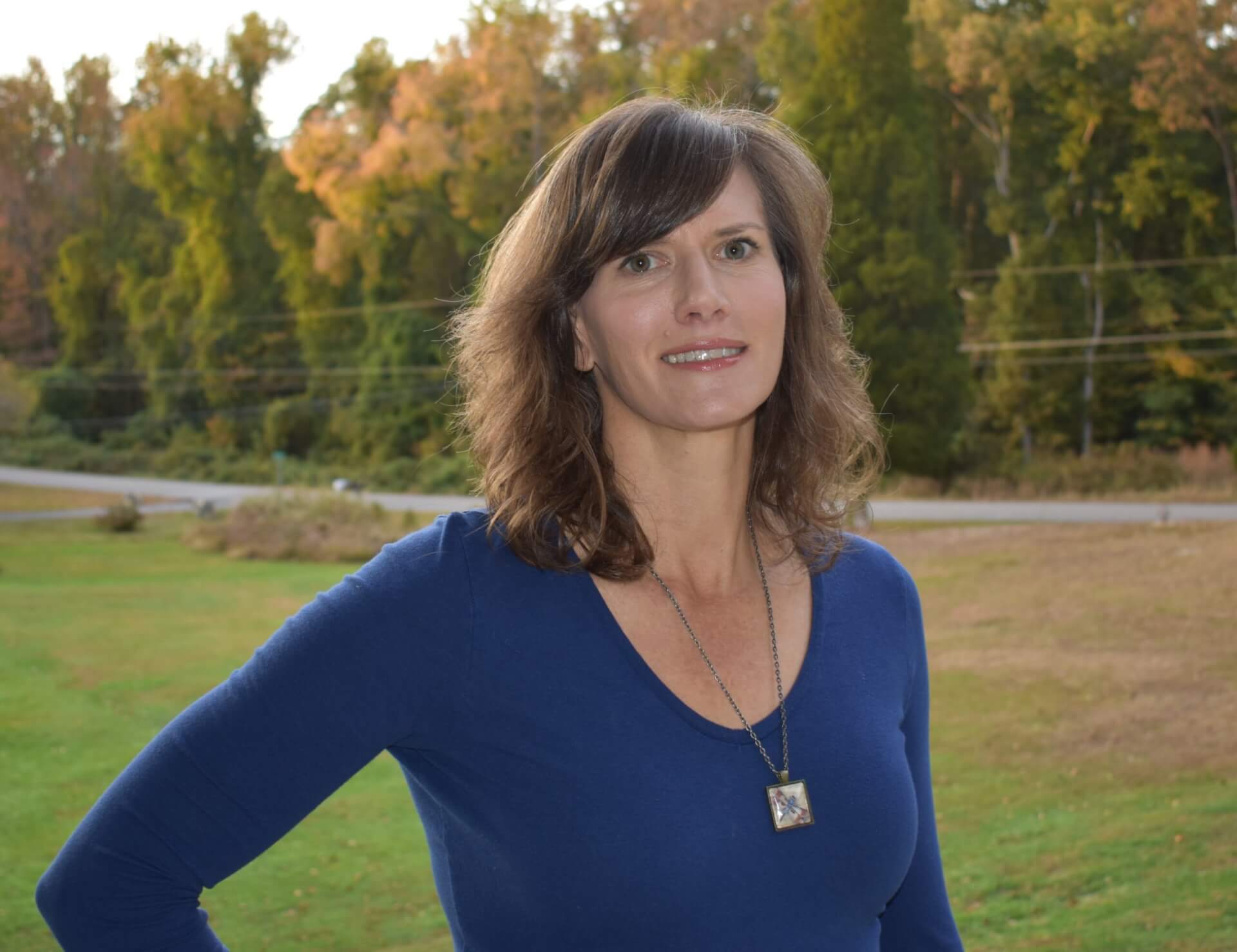
Robynn Powers is a health and wellness coach with a background in psychology and training as a personal trainer, nutrition coach, and pre- and post-natal exercise specialist. She’s been in the fitness industry for over twenty years. Using an intuitive eating-informed approach, Robynn helps busy moms step off the diet treadmill and rebuild trust with their bodies, trading rigid rules for nourishment, energy, and self-respect. She’s a mom of four, and she believes that when moms feel good in their own skin, their kids tend to follow.
Community is everything!
Join our community Facebook groups:
Takeaways from the show
- Kids are great observers and poor interpreters.
- They’re watching what you do, not what you say.
- Forbidden food becomes the most interesting food.
- “Clean your plate” turns dinner into punishment.
- Talk about how food feels, not looks.
- Exercise is not payment for what you ate.
- Ask your teen how their body feels.
- Bring them into the kitchen with you.
- Cravings usually point to an unmet need.
- Sitting on the couch saying “go move” fails.
- Today can be day one.
- We’re human perfect, and there’s no manual.
Resources Mentioned
- Sexy and Regulated Mama Summit — happening this weekend, Robynn speaks August 2nd on nutrition and emotional eating: bit.ly/sexysummit
- Robynn Powers on Facebook — search Robynn Powers
- Robynn Powers on Instagram — search Robynn Powers
- Concepts worth naming from the conversation: intuitive eating, food neutrality, de-charming food, encouragement over praise
What joyful courage means to Robynn:
“Joyful courage would be choosing to trust your body, trust yourself on the things that truly feel supportive to you, and letting go of the fear of not having those, because that’s a real thing. People can be fearful to let go of the rules, thinking they’re gonna mess up. So joy comes from supporting ourselves and trusting ourselves, having the courage to let go.”
Subscribe to the PodcastWe are here for you
Join the email list
Join our email list! Joyful Courage is so much more than a podcast! Joyful Courage is the adolescent brand here at Sproutable. We bring support and community to parents of tweens and teens. Not a parent of a teen or tween? No worries, click on the button to sign up to the email list specifically cultivated for you: Preschool, school-aged, nannies, and teachers. We are here for everyone who loves and cares for children.
I'm in!Classes & coaching
I know that you love listening every week AND I want to encourage you to dig deeper into the learning with me, INVEST in your parenting journey. Casey O'Roarty, the Joyful Courage podcast host, offers classes and private coaching. See our current offerings.
Transcription
[00:00:00] Casey O'Roarty: Hey. Hi, friend. Before we get into today's episode, a quick heads-up. You've probably noticed I'm releasing extra shows this week, and that's because I'm highlighting some of the experts from the Sexy and Regulated Mama Summit that's happening this weekend. I'm one of the voices inside the event, too, and I am so fired up about it.
[00:00:18] It's a whole gathering of the conversations that we all love the most, conversations about moms and our relationships with our bodies, our nervous systems, showing up for ourselves so we can show up for our people. One of the other guests is the wonderful Robin Powers, and she's who you're gonna hear from today on the show.
[00:00:37] If this episode lands for you, the summit's where you go deeper. Come join us. Grab your spot at bit.ly/sexysummit. That's B-I-T.L-Y/sexysummit. I'll also drop the link in the show notes.
[00:00:58] Welcome, welcome.
[00:01:00] Welcome to the Joyful Courage Podcast. This is a place where parents of tweens and teens come to find inspiration, information, and encouragement in the messy terrain of adolescence. This season of parenting is no joke, and while the details of what we're all moving through might be slightly different, we are indeed having a very collective experience.
[00:01:23] This is a space where we center building relationship, nurturing life skills, and leaning into our own personal growth. And man, the opportunities abound, right? My name is Casey O'Worthy. I am a parent coach, positive discipline lead trainer, and captain of the adolescent ship over at Sproutable. I'm also a speaker and a published author.
[00:01:46] I've been working with parents and families for over 20 years and continue to navigate my own experience of being a mom with my two young adult kids. I'm so honored that you're here and listening. Please give back to the podcast by sharing it with friends or on social media. Rate and review us on Apple or Spotify.
[00:02:06] Word of mouth is how we grow. Thank you so, so much. Enjoy the show
[00:02:16] Hey everyone. Welcome back to the podcast. I
[00:02:19] wanna share a moment that I think every one of us is familiar with, especially us ladies. You're standing in front of the mirror, and you maybe grab at your midsection. That's what I do, and you sigh, and maybe you even say out loud, "Ugh, I have to eat better. I gotta do more crunches."
[00:02:40] And then you catch it, your little person or your big person in the doorway, watching and listening. And here's the thing about our kids. They're great observers, and they're not great interpreters. They don't hear our intentions. They just take in the story that we tell about our own bodies, and quietly decide what it means is true about theirs.
[00:03:07] Today, we're talking about that story, where it comes from, how it gets passed down, and how we parents can start telling a kinder story to ourselves. My guest today is Robin Powers. Robin is a health and wellness coach with a background in psychology and training as a personal trainer, nutrition coach, and pre- and post-natal exercise specialist.
[00:03:27] Through an intuitive eating-informed approach, she helps busy moms step off the diet treadmill and rebuild trust with their bodies, trading rigid rules and restrictions for nourishment, energy, and self-respect. She's a mom of four herself, and she believes something that I love. When moms feel good in their own skin, her kids tend to follow.
[00:03:50] Her whole approach is simple, doable strategies that build trust, ease, and freedom around food and the body. Robin, I'm so glad that you're here. Welcome to the podcast.
[00:04:01] Robynn Powers: And I'm so glad to be here. Thank you for having me.
[00:04:03] Casey O'Roarty: Yeah. So let's start with your story. You talk about going from frustrated, drained, and stuck to feeling strong and confident.
[00:04:11] What did that look like for you, and how did becoming a mom shape the work that you do now?
[00:04:17] Robynn Powers: So I will say, you know, I've been working in the fitness industry for over 20 years now.
[00:04:24] Casey O'Roarty: Isn't that so weird to be at an age where we've done anything for 20 years? So weird.
[00:04:29] Robynn Powers: Yeah, it's 20 years. It, it doesn't seem that long.
[00:04:32] And going into it, I... Love of exercise, that's what brought me into it. I just always gravitated towards physical activity. I loved it, and I wanted to be a part of that. But when you really get deep into the fitness industry, there's so much messaging about how you're supposed to go about eating healthy.
[00:04:54] Casey O'Roarty: Mm-hmm.
[00:04:55] Robynn Powers: You know, how you're supposed to exercise, how much, how intense, what you're supposed to eat, what you're not supposed to eat, all of these rules. And so being a fitness professional, I think, "Okay, I have to be the standard, right? I have to follow this or else I feel like a hypocrite, right?" Mm-hmm. Not doing the things that I'm telling other people how they need to behave, and trying to follow that, but realizing that doing what you think you're supposed to do doesn't necessarily make you feel good.
[00:05:30] Mm-hmm. In or about your body, right? So probably about, I wanna say about 10 years ago, I knew, like, okay, I'm doing all these things that they're telling me to do. I have the insider information on this is how you support your health and what you should be doing to be healthy, but I don't feel healthy. I feel drained.
[00:05:50] I feel like I need a caffeine boost at 3:00 every day before the kids get home from school. I feel uncomfortable in my body. I don't have energy or the vitality, you know, that I think I should have if I'm doing the healthy things. So is there something wrong with me?
[00:06:08] Casey O'Roarty: Mm-hmm.
[00:06:09] Robynn Powers: Right? Do I need to go find this perfect plan that's gonna make me feel better?
[00:06:14] And I did. I searched. Like, okay, somebody tell me just exactly how to do this, or do I need to work out more? I was already working out seven days a week, right? Like, what do I need to do? And in my search, what I realized was, sure, I can go find some meal plan, but every one I looked at, I'm like, "I don't have time for this.
[00:06:36] I don't h- I have four kids. I don't have time to prepare every single meal from scratch right there. I don't like these foods that are on their plan. Uh, my family won't eat these foods that are on the plan, and I can't make multiple meals," right? It just felt impossible, and like it... There's gotta be a better way, right?
[00:06:56] Mm-hmm. And luckily, I found that way, and it had nothing to do with the perfect meal plan. It had nothing to do with following certain rules. It had nothing to do with eat less or move more. It had to do with actually figuring out what supported my own body by listening to my own body, not trying to look for the answers outside of myself.
[00:07:17] Casey O'Roarty: Yeah. Oh, man. I mean, you would crack up if you saw my Instagram feed. Right now, the latest theme is military calisthenics for women over 50. Hmm. Seven minutes a day.
[00:07:30] Robynn Powers: I have seen those ads.
[00:07:31] Casey O'Roarty: I mean, I'm like, seven minutes a day? I keep clicking on them, which is why I keep getting them, but then there's so many steps to get to the actual...
[00:07:39] Like, just show me what to do for seven minutes. But I can't- Hmm ... and then I fail. Anyway
[00:07:45] Robynn Powers: They gotta pull you
[00:07:45] Casey O'Roarty: in first Yeah, I am such a sucker. They have to convince you. I am such a... I mean, the menopause ads- Mm-hmm, mm-hmm ... the workouts, the food, I'm totally the target audience, and I fall for it. And I think about, you know, especially our young girls, but also our young boys.
[00:08:01] Because, you know, body dysmorphia, you know, we don't think of it so much with our boys, but have you take... I mean- It's there ... well, take a look- It's for sure there ... at teenage boys right now. They are ripped. Like, I don't remember anyone's body looking the way... And not to be creepy, but, like, the amount of muscles, the amount of working out.
[00:08:23] I mean, although I will say, the, the packs of boys that I see at the gym are doing a lot more of looking at each other, and talking to each other, and looking at their phones than they are, like, actively working out. But, you know, just to say, this isn't, you know, just about our girls, but it's about our boys, too.
[00:08:40] And so much of how they feel about their body and food doesn't actually come from what we tell them. It comes from what they watch us do. So paint that picture for us. How does a parent's relationship with their body get passed down to their kids?
[00:09:01] Robynn Powers: Yeah. I am completely in agreement with you as far as the kids are watching.
[00:09:06] They're watching what we do. It's not necessarily even what we're saying to them at all. But they see how we treat ourselves, right? Mm-hmm. They see when we skip dessert because we don't think we deserve it, or that we should have dessert. Or we have dessert 'cause, like, okay, we wanna be part of it, and then the next day we eat less.
[00:09:27] We skip a meal because we're making up for that. They see us not participate in, you know, physical activity and fun with the family because we feel uncomfortable in our bodies, or we don't have the energy, or we feel ashamed or self-conscious that we think people are gonna be watching us. And thinking that because our body looks a certain way, that we shouldn't be allowed to participate in these things, right?
[00:09:54] So they see. They pick up on these things. And it portrays to them that if we aren't perfect, if we don't look the ideal, then we're not worthy of fully enjoying our lives.
[00:10:10] Casey O'Roarty: Yeah. That's painful. A little bit of what you were just saying, I was like, "Oh,
[00:10:14] Robynn Powers: Robin, have you been spying on me?" '
[00:10:16] Casey O'Roarty: Cause I've definitely, like everybody, I mean, been on the ups and the downs and, you know, having babies and then trying to, you know, quote, "get my body back," and food stuff and gym stuff.
[00:10:31] I love- I do work out with a trainer. I love him. It's something that keeps me going to the gym, so it's really supportive. And, and I can feel the slippery slope. I can feel the slippery slope. And I wonder, you know, and I have clients too who have, you know, the whole range of rules in the household, and what do we buy and what do we eat and what are our values, and how do we create adventurous eaters.
[00:10:59] And, you know, I think often of my sweet sister-in-law who, like, through high school would only eat white food, like rice and noodles and butter. And guess what? She lives in Brooklyn. She has an insane palate. She's traveled the world. She's doing just fine. So I do think there is a little bit of panic for parents thinking like, "If I don't generate this adventurous eater, healthy, adventurous eater, then somehow I've failed."
[00:11:27] There's so many boxes we can check around failure, right? And so a big question that I have is how do we talk about food and health and wellbeing? 'Cause it just feels like a really tender, tough place. And I think, like, even I remember having a conversation with my daughter around an outfit she was wearing to a high school football game.
[00:11:48] She was in eighth grade, and it was the first time that I could see the grown shape showing up, and all I could think about was through the lens of some creepy old guy, you know? And so it was like, "Uh, I don't love that outfit." A- and like, "Sorry, and your body, your choice." And, you know, like, it was so back and forth and even she was like, "Mom, what are you trying to say here?
[00:12:13] Like, you're really confusing." And I owned it. I was like, "I know. I feel really confused because on one hand, there's gross people in the world, and you're my baby. And on the other hand- Mm-hmm ... like, I want you to feel empowered. I want you to feel great inside your skin, and I'm really in a conflict here 'cause I'm not sure what to do or what to say."
[00:12:32] So how do we manage ourselves with our kiddos as they grow into young baby adults, even at the, you know, some of them are developing very young, and the, you know, everybody wants to dress like Kim Kardashian. How do we handle that?
[00:12:47] Robynn Powers: Right.
[00:12:47] Casey O'Roarty: In a way that's healthy- Yeah, and I, I- ... and not perpetuating messaging around, you know, their value being just about how they look.
[00:12:53] Yeah.
[00:12:54] Robynn Powers: Big things is what you said is the confusing messaging
[00:12:59] Casey O'Roarty: Yeah ...
[00:12:59] Robynn Powers: right? Even from the same person. Yeah,
[00:13:02] Casey O'Roarty: yeah.
[00:13:03] Robynn Powers: Uh, not even from different sources, but the same person sometimes. Because of course we care about our kids- Yeah ... right? And we worry for them when they go out into the world. But I think the greatest gift we can give them is to not stifle their creativity- Mm-hmm
[00:13:19] their uniqueness, their sense of self-worth that doesn't, has nothing to do with what their body looks like. Let them have their feelings, their emotion, and let them express themselves. Because if we don't, that's what's gonna come back, and affect their relationship. Even with food, we have complicated relationships with food and our body for so many reasons, not just because of that messaging of looking.
[00:13:46] But from very early on, the rules started so early for most of us, you know?
[00:13:52] Casey O'Roarty: Mm-hmm.
[00:13:52] Robynn Powers: You're born and you eat when you're hungry, right? You know when you're full and you stop eating. But probably into toddlerhood when our parents think, "Oh, you should... You're eating too much of that," or, "You're not eating off enough of that," or, "Oh, you're not eating enough in general.
[00:14:05] You must eat all of that." We learn to stop listening to our bodies. We learn that we have to follow these certain rules and eat the way that our parents tell us, and then as we get older, the way society tells us. And so we lose touch with what's inside of us, try to take on these rules that are all around us, and- Yeah
[00:14:24] that's where we get in this constant struggle of what we think we should do, and what we actually wanna do. And a lot of it has nothing to do with what our body supports because we've stopped listening.
[00:14:36] Casey O'Roarty: You help women redefine what healthy even means. I feel like we're on this thread right now. So for a mom who's been in the diet and restriction cycle for years, what is the reframe around healthy?
[00:14:52] I mean, I think most of us, you know, lean in because we wanna feel good inside our body, but we also wanna feel good when we look in the mirror.
[00:15:01] Robynn Powers: Right.
[00:15:01] Casey O'Roarty: And so how do we reframe, how do we help ourselves, and what are we helping ourselves to really even do?
[00:15:07] Robynn Powers: For so many, you know, every client that I've ever worked with, every mom I've ever worked with, came to me after years or decades of dieting.
[00:15:16] Whether it's the same diets, different diets by a different name or whatever, some form of restriction, and then going through that, being good. "Oh, I didn't do good. Oh, now I'm ashamed of myself. Now I gotta jump back on this diet and fix what I did wrong." Years and years and years, right? And they still kind of think, "Okay, what's the next diet I need to go on?"
[00:15:38] But at the same time, they're finally starting to realize, you know, after decades, that it's not the rules and restrictions that they need. Because even if they get to, you know, a lot of them say, "I wanna lose weight."
[00:15:49] Casey O'Roarty: Mm-hmm.
[00:15:50] Robynn Powers: For different reasons, right? And even if they're, that's still in their mind, "I wanna lose weight," they've also realized that the dieting, even if they lost some weight at some point, it never sticks, or they're still not even feeling good in their body- Mm-hmm
[00:16:03] once they lose the weight they thought they wanted to lose. So it's taking them from a focus of weight loss as a gauge of health to a focus of, how do I listen to my body? How do I gauge what's supportive to me? What feels like self-care and self-compassion? Not, how do I fix myself? How do I, you know, restrict and punish myself and do these things that really feel like a chore so that I can get to where I wanna be and finally be happy?
[00:16:34] But how do I be happy right now today? Supporting myself in a way that feels good, because health is not punishment, frustration, all that. That is not at all. What helps is when we actually start seeing ourself as you would your children. Yeah. Right? Like, you're not trying to punish and restrict them.
[00:16:51] You're trying to support them. Yeah. And if we start looking at ourselves the same way we would our loved ones, that can give us more power to actually feel.
[00:16:59] Casey O'Roarty: Yeah.
[00:17:07] Well, and I talk a lot about living out loud, you know, and being in our personal work, but speaking it so that we can really intentionally model. And so as I was listening to you, I was just thinking about anyone who's listening to this podcast and thinking, "Okay, yeah, this makes sense to me," and we're already speaking out loud, so why not just casually reflect on, wow, I've been really talking to myself in a way that I would never talk to anybody else, and just kind of growing awareness and the growing noticing, really speaking it so that your kids can hear that it's a human situation.
[00:17:48] It's a human struggle, and we get to change our minds. We get to gather more information. We get to try new things in support of our health How do we, you know, when we do have kiddos, and I have clients who have kiddos that are, I don't even know the right words to say, Robin, who they take them to the doctor and the doctor's concerned about their health.
[00:18:11] And so popular culture says restrict. Popular culture says- Mm-hmm ... you know, put them on a diet. How do we navigate what's going on with our kiddos in a way that doesn't add more shame and judgment and just, you know, negative impact to a situation that is hard like that?
[00:18:37] Robynn Powers: Yeah. Unfortunately, yes, even the healthcare system-
[00:18:40] Casey O'Roarty: Yeah
[00:18:41] Robynn Powers: is a problem in this country that leads to this unrelationship with our bodies because I think a lot of doctors, not all of them, some are really good about doing their own research and, you know, learning what's actually helpful, and then others are still in that mentality of calories in, calories out.
[00:18:57] That's what matters. Mm-hmm. Move more, eat less, right? And unfortunately, that tends to backfire, especially for kids. So the best thing that we can do to support is first do our own research, right? Look into ourselves. Don't just believe the doctors when they say you have to restrict eat. Because number one, if you start restricting your kids, telling them they're not allowed to have something, kids are rebellious.
[00:19:21] Are they not? So as soon as you say, "You are not allowed to have this," and it's the same for us, we tell ourselves we can't have something, that's exactly what we're thinking about. That's exactly what we're wanting. It makes it so much more enticing when we think we're not allowed. And so then even if you don't keep certain foods in your house because you think they're, you know, not nutritious or they're too high in fat and sugar and calories, whatever, we're not with our kids all the time.
[00:19:48] Mm-hmm. They go to a friend's house or, you know, a party or whatever. They're not around us. Guess what they're doing? They're loading up on as much of that food as they possibly can because they're not allowed at home. It's that restrict and binge cycle that happens because we've told them they're not allowed.
[00:20:05] They feel restricted. They feel deprived. But if we can just bring some neutrality around food first, so no labeling, not this is healthy, this is junk, this is good, this is bad. It's not a moral judgment on us, no matter what we eat. Bring neu- some neutrality. But then- Not only that, allow different foods, right?
[00:20:26] Different nutritional values, whatever, different variety. Make it all okay, but we can still talk to them about, you know, "This is more nutrient-dense," or, "This gives your body more energy for a longer amount of time. This'll keep you fuller longer. This will make you not have a stomach ache in you know, the hour after you eat it."
[00:20:49] So talking about it in terms of how it's making their body feel- Mm-hmm ... and not some outward appearance that's gonna happen because of. So yeah, taking the labels off, making it all okay, but encouraging them to think about how different foods may feel. And even in the moment when they're eating, "Oh, how are you feeling?
[00:21:11] Are you full?" Mm-hmm. Not saying, "You must clean your plate." That's one of the worst things you can do, is say, "You must clean your plate," or, "You can't have dessert until you've eaten all your dinner" because now dessert is the reward-
[00:21:22] Casey O'Roarty: Right ...
[00:21:22] Robynn Powers: and dinner is the punishment, right? So it's changing the relationship of how we even think about them can really go a long way.
[00:21:30] Casey O'Roarty: You know, I'm a big pusher of curiosity here in Joyful Courage land. And so as I'm listening to you, I'm thinking about parents of teenagers who go to that doctor's appointment, who hear the spiel from their doctor, who already know that they're heavier than most of their peers, who already know that they're not fitting inside of what they see on TV or on social media.
[00:21:58] They already are aware of their body, or... Yeah, they're already aware of their body, 'cause we're talking about adolescents now, 'cause they're just wired to be self-centered anyway.
[00:22:09] Robynn Powers: Yeah.
[00:22:09] Casey O'Roarty: And so I'm thinking about the parent walking out of that doctor's appointment, and I'm thinking about the questions that they can be asking their teenager about their experience of that doctor's appointment.
[00:22:24] And I'm gonna give out a couple questions. I'd love to hear what you think. But I'm thinking about things like, "How did that feel to hear the doctor talk about, you know, your health that way? What did you notice? What came alive for you? You know, what are the thoughts or decisions that you have based on what you just heard?
[00:22:45] What do you want me to know?" What would be some other questions that we could kind of prompt our teenagers with, just to get a better feel for how they just experienced the doctor's appointment? 'Cause there's, first there's parents, and we're like, "Oh, God, we've done it wrong. We're bad. We're fail..." Like, we make it all about us, 'cause we're, we're all good at that.
[00:23:02] Robynn Powers: Yeah.
[00:23:03] Casey O'Roarty: But really- Yeah. ... it's so useful and powerful to hear about what our teens are thinking What would be some other kind of follow-up curiosity questions that we could be asking?
[00:23:12] Robynn Powers: Yeah. Again, I think we have to take it off the focus of this is the numbers or whatever that the doctor told you, but how are you feeling in your body?
[00:23:20] Casey O'Roarty: Mm-hmm.
[00:23:21] Robynn Powers: Right? Are there things that you think you could do that would make you feel better? Like, do you wanna find some new activities that are fun? Do you wanna start exploring new foods? Do you wanna start helping me plan meals or, you know, cook with me- Mm-hmm ... and discover new recipes that you enjoy? You know, things like getting them involved with their own health is one of the best things you can do.
[00:23:44] We're constantly just making their choices for them. They feel like they've lost control Right? But if we can bring them in, I will tell you, I have my younger son, he is not a big vegetable eater. He's better now than he used to be, but he is very interested in doing stuff in the kitchen.
[00:24:01] Casey O'Roarty: Mm.
[00:24:02] Robynn Powers: He's interested in how things are made.
[00:24:04] So when he started getting involved, it went from him be- maybe eating two different vegetables, you know? That of all the vegetables in the world, two vegetables I think he would eat on a regular basis. When he started coming into the kitchen and cooking himself or helping me, the world kind of opened up.
[00:24:23] Mm-hmm. Once that he was involved in that process, he was more interested in trying so many more things. It just shocked me, like, oh, yesterday he would've never eaten those two things, and today because you made it, you're eating it-
[00:24:35] Casey O'Roarty: Yeah ...
[00:24:35] Robynn Powers: and you're enjoying it.
[00:24:36] Casey O'Roarty: Well, and it kind of goes back to that something that comes up here, which is handing over that energetic responsibility in a lot of ways.
[00:24:44] 'Cause I think it would be really easy to say, "Okay, we gotta make some changes. Here's what it's gonna look like, and here's what you're gonna do." And for teenagers who are like, "You're not the boss of me," that is so prime to become a power struggle. And so then instead of like, "Yes, I wanna make choices so that I feel better inside of my body," they're thinking, "Screw my mom.
[00:25:09] I can do whatever I want." So it's not even a choice they're making for themself, it's a choice they're making because, you know, we're, they're being, I mean, spiteful or just like, "You can't tell me what to do. I'm gonna prove a point" towards us. Which isn't like you guys, not something they're consciously like, "I make Mom's life so hard."
[00:25:27] Right. Yeah. But so many do so many things like that, right? Like, I remember my son being so young and so mad at me that he like broke one of his favorite toys, and I remember thinking, "Okay, well now your toy is broken, so how did that work out for you?" Yeah. So I'm hearing that neutrality piece. I'm hearing that non-judgment.
[00:25:45] I'm hearing an invitation, which I love. And you know, another piece that we talk about in positive discipline, I'm a positive discipline trainer, is to really lean into encouragement over praise. So noticing effort, noticing action, and how something feels rather than how something looks. How does that translate when it comes to food and movement?
[00:26:08] 'Cause part of me thinks like, I'm just not allowed to talk about it because, you know, I don't know how. So how do we notice in a way that is useful and forwarding so that we can keep our... Well, so that, you know, they wanna be seen and heard and felt, and so how do we do that in a way that generates, you know, more health and wellbeing for our kiddos?
[00:26:31] Robynn Powers: Yeah. And I hear you say, you know, the, the relationship between food and movement. You know, you pointed that out and I think s- for so long the message has been that we exercise to make up for what we eat, right? That's been a strong relationship, strong message that's been put out into the world.
[00:26:47] Unfortunately, it doesn't work that way. Our body processes food in different... It's not calories in, calories out, and even if it was, exercise is not a punishment for what we ate. Exercise is something that should help us relieve stress- Yeah ... right? And produce endorphins, make us feel good. It keeps us functional, um, mobile, and able to do all the things we love in our life so that we don't feel like we just have to sit on the couch because we have no energy or we're weak or whatever.
[00:27:17] So the only relationship I see there is we need to eat, obviously, or we're gonna waste away and die. Mm-hmm. It's a requirement, and if we are participating in exercise and movement, you know, teenagers and their sports and their activities, if they don't eat enough, they're not gonna excel at their sports- Mm-hmm
[00:27:35] and their activities. They need that energy. They need to maybe build muscle, right? And endurance, and so food is a fuel for that. It's not, "Let's make up for what I ate," it's how do I support and fuel my body enough that I can be really good at having energy and strength and all of it to excel at the thing that I love to do?
[00:27:56] Casey O'Roarty: Yes, and there are so many people that I work with who's that's not their team. They don't have a sport. They don't have a- Mm-hmm ... you know, there isn't this like I wanna feel good to do this thing that I love. That's really who I'm- Mm-hmm ... thinking about right now, who's listening like- Okay ... yeah, that's really great, and I can't get my kid to get up.
[00:28:16] So when I think about movement, right? It's not so much like going to the gym and exercising, as much as it is standing up and and move and taking a walk. Like, moving our body for the sake of reminding our body that it can move, right? And- Mm-hmm ... you know, especially right now, I mean, it's so different than when we were teenagers.
[00:28:40] These little devices, you guys, I'm holding up my phone. There's, you know, kids are playing... The hours spent in chairs or on beds for teenagers is so much greater than, you know, generations past. And so, like, that feels like something to address. I mean, I hear what you're saying about that idea of the, the relationship you're talking about with exercise and food.
[00:29:06] And, like, we have to move our bodies to be healthy, and I think, I mean, I'm assuming. That's what I tell myself every day.
[00:29:16] Robynn Powers: Yeah,
[00:29:16] Casey O'Roarty: yeah. You know, I sit here in this chair for a long time every day and set a little timer. Sometimes I set a timer to get up and move around and do a little something to get my blood flowing.
[00:29:26] How do we encourage kids to value that?
[00:29:29] Robynn Powers: And this is the part where we can't sit on the couch and say, "Go move." Yes.
[00:29:34] Casey O'Roarty: For sure, yeah.
[00:29:35] Robynn Powers: That doesn't work. Model, model, model. But if they see us, yes, if they see us taking part in physical activity and they see that it makes us happier, so if you're going to the gym and you hate it and you're complaining about it and saying, "I have to do this," they will be like, "I'm not doing that."
[00:29:51] Yeah. "That's not fun. It looks awful. That looks like torture." But if they see us moving and it making us happier, not because we think we're creating some ideal body, but because it actually feels good and we're enjoying it, and participating with them. Mm. Like, my family loves to go play pickleball together.
[00:30:11] Yeah. Right? That's a fun activity. We all get out there and move, and it's not about the exercise. Right. We're not like, "Okay, we, we're gonna go exercise together." No, it's just fun. It's a way to bond. It's a way to connect. It's a way to find joy in movement.
[00:30:25] Casey O'Roarty: Yeah, I love that.
[00:30:34] My 23-year-old daughter, she runs, and I am- Mm-hmm ... not a runner. And I've said to her like- Same. ... "That's amazing. I think it's so incredible that you love to run." And she looked me deadpan, she said, "I do not, but I have to run for my mental health." Mm. Like, it's so she's connected that dot, that release of endorphins and that, you know...
[00:30:56] And she doesn't run slow. She runs like she's being chased, like Rowan. She's kind of intense. But it is something that is so. And she had to learn that over time, you know? And it's really inspiring to hear her, and I think a lot of us if we listen to our teenagers, they're actually... I mean, yes, they're getting some crazy messages, but also there's this body positive movement that is woven into their experience, a lot of them anyway.
[00:31:26] And my daughter will call me out. I mean, she's like, "Mom, do not say that. Don't talk to yourself like that." She's really good about pointing things out to me when I'm kind of off the rails with how I'm feeling in my body, which I- I'm really grateful for, but I also know that there was a time in her life where my messaging was absolutely sinking in And I'm guessing that there are people that are listening right now that might be wincing a little bit because they've already passed on some of their own stuff.
[00:31:56] So what do you say to someone who's listening who feels like they've already blown it with the restricting or just the languaging around bodies and health, and how can they rein it?
[00:32:08] Robynn Powers: Yeah, and it's just what I say to my clients is we're human perfect. There is no manual when you have kids, right? And so you're exactly, whatever you've done in the past doesn't have to...
[00:32:20] You know, you have to continue on in that. We're all living and learning, especially our kids. They're still living and learning, and whatever way that we decide to shift in our mindset, in our behavior, they'll notice that, too, just the way they've noticed the past years with us. So whatever we decide to do, how we decide to treat ourselves, even if today is day one of I'm gonna treat myself better, they're gonna start to take...
[00:32:48] And they're gonna see that taking care of yourself is official. Even if you have grown kids, right, that are out of the house- Mm-hmm ... you still see them, you still talk to them. They're gonna start picking up on that you don't talk to yourself as you used to. Mm-hmm. You don't beat yourself up. You don't go over and do things because you think you should instead of you want to.
[00:33:08] Casey O'Roarty: Yeah. So I have to ask you, because I have a terrible sweet tooth, so I can't have it in my house. Is that problematic? Like, I can't- Very- I'm like, "Babe," to my husband, like, "I just wanna stop buying ice cream," 'cause we buy these big things of ice cream, and then we're like, until it's all gone- Mm-hmm ... and then I'm not- Mm-hmm
[00:33:25] feeling good in my body. Like, so I'm hearing... So this is all my own little personal moment, everyone. So I'm hearing you say, like, have the variety. Allow for all the things, but does that in- Mm-hmm ... also include, like, really seemingly Unhealthy foods?
[00:33:44] Robynn Powers: Again, we're not labeling- Ah ... things unhealthy anymore.
[00:33:47] Casey O'Roarty: I mean,
[00:33:48] Robynn Powers: no, but come on.
[00:33:48] We are neutral. They, maybe they're not as nutrient dense as some of the other foods, but as soon as we label them unhealthy, we feel bad about ourselves for eating. As soon as we label them off limits and I can't have them in our house, they are now so enticing, so that when you, you do get to the point of you're out and I'm allowed to have this, we tend to go overboard because, like, this is the only time I'm allowed to have this, so I'm gonna eat as much as, as I can.
[00:34:17] But if we bring some neutrality- Mm-hmm ... and I am allowed, give ourselves full permission to eat it whenever we want, we take it down off that pedestal, and then we can allow the mindfulness of, of course I'm allowed to have it. Do I actually want it? That's what I'm looking for. How does it make me feel- Yeah
[00:34:34] when I eat it? Yeah. Okay. Right? It's not this thing that, you know, is, like, the best thing in the world and I'm only allowed to have it these times of the year or whatever, but no, always. Always full permission, but tuning in.
[00:34:47] Casey O'Roarty: Mm-hmm.
[00:34:47] Robynn Powers: You said ice cream. I like ice cream all right, you know? Like, I don't feel like I go overboard, but I've also learned that a lot of times it doesn't make me feel that good-
[00:34:56] Casey O'Roarty: Yeah
[00:34:56] Robynn Powers: when I have ice cream. So, you know, my family could go out for ice cream and I'm like, yeah, I enjoy the taste of it, but is it worth it if my stomach's gonna feel upset for the rest? And then I make that choice. Sometimes I choose to make the choice of, yeah, I'm gonna have a little bit, and sometimes I feel fine and sometimes I don't, right?
[00:35:17] But it's just bringing the awareness, the mindfulness of I always have the choice. Mm-hmm. It's not off limits, but I'm making the choice of how I wanna feel. What are my consequences? Do I choose them or I choose not to- Yeah ... do them?
[00:35:30] Casey O'Roarty: Well, my husband still is not allowed to buy Nutella at Costco and bring it to the house.
[00:35:35] 'Cause I can eat that by the spoonful and there's no stopping. So Robin, I hear you, and I hear you.
[00:35:41] Robynn Powers: There's also a process of de-charming food.
[00:35:44] Casey O'Roarty: De-charming?
[00:35:45] Robynn Powers: De-charming food. So if you know that Nutella is your weakness- Oh, listen ... where you would just eat the whole jar in one sitting, you bring it in the house, you plan for it.
[00:35:56] You're like, "I am allowed to eat this Nutella." And you eat it every day.
[00:36:01] Casey O'Roarty: This is a
[00:36:01] Robynn Powers: terrible idea. I'm gonna eat this every day after dinner. Guess what? It becomes boring.
[00:36:07] Casey O'Roarty: Yeah. Well, what about, like, sugar as a substance that our body becomes addicted to? What about that? I mean, 'cause then it's like, w- like, our choice is...
[00:36:16] Thank you for letting me lean in here, by the way. But, you know, I hear the mindfulness and I hear, you know, and I love that, by the way, and I love... 'Cause that's something that I talk a lot about in the parenting context. It's like being aware of ourselves, being aware of what's happening internally, aware of the nervous system, pausing to give a little bit of distance so that you can be- make a response rather than, you know, shoot from the hip or react from the hip.
[00:36:43] And when I think about, I mean, hate sugar, but I know that when I've been able to lessen my intake of that particular nutrient, or lack of nutrient, I feel better and I want it less. Mm-hmm. But if I'm having it, you know, and it's really quick. It's like nicotine. I mean, I have a on-again, off-again relationship with nicotine too.
[00:37:07] Sometimes it's easy to be off, and then it's like all of a sudden it becomes really not easy, especially if I'm like, "I can have a little bit." You know, then I'm screwed.
[00:37:16] Robynn Powers: Mm-hmm.
[00:37:17] Casey O'Roarty: So what about that is specifically around sugar?
[00:37:20] Robynn Powers: This is where I would encourage you to pay attention to what else is happening.
[00:37:25] Casey O'Roarty: Okay.
[00:37:25] Robynn Powers: Because if you're saying, "Sometimes I don't have a problem, like there's not a big deal, and then other times I really want it and I feel like I go overboard"- Yes ... what unmet need is there in your life that this is taking? That's usually what's going on. Have you had enough sleep? Are you taking care of yourself as far as, you know, stress management?
[00:37:47] Mm-hmm. Tending your emotional needs. Are you getting enough food during the day before these sugar cravings hit? There are so many... Are you getting enough water? Are you hydrating? There's so many things that, being, running in the background that we don't even necessarily think about that cause sugar to be, feel like it's addictive.
[00:38:07] There's some controversy around whether- Okay ... or not sugar can actually be addictive, but yes, it's enticing because it does, you know, get the, those happy hormones going. But if we are taking care of our other basic needs first, we don't need that dopamine hit.
[00:38:24] Casey O'Roarty: Yeah. And I think there's probably, like I'm thinking about that Seinfeld.
[00:38:27] Remember that Seinfeld with Elaine and the birthday parties at the office? And so for a, a long time, every day there was a birthday cake, and then it stopped. Yep. So I'm thinking about that, but also, like, patterns and routine, and so, like, the routine of, oh, after dinner we have ice cream, or-
[00:38:44] Robynn Powers: Mm-hmm ...
[00:38:45] Casey O'Roarty: you know, at 4:00 I'm gonna go have a handful of chocolate chips.
[00:38:49] Or, you know, all the little things that kind of can start to become habitual. Mm-hmm. Again, not mindful, right? Yes. When we're just kind of rolling with something. I'm hearing you say we get to pause and we get to be curious about- Mm-hmm ... ourselves, and I love how much overlap this has with how I talk about parenting as well.
[00:39:10] So the final thing that I wanna ask you is- is this conversation around the both and. So I'm hearing you talk about when the parent is being thoughtful and mindful and modeling healthy behaviors and mindful choices, that the kids are more likely to follow. How do we care about our health and also let go of control at the same time?
[00:39:35] Robynn Powers: And it's exactly that. When we let go of the control, then we can allow the focus to be self-care, self-compassion, what do we need, and what is truly supportive, not just what rules can I follow. So it all, uh, really is about tuning into our own individual preferences, our own individual needs that are gonna help us feel the way we wanna feel, and be the person that we wanna be, for ourselves and also for our children.
[00:40:02] Casey O'Roarty: Yeah. I think this is one of those places where it's not as neat and tidy as we all want it to be, right? It's not like a- And we
[00:40:10] Robynn Powers: don't have to be
[00:40:10] Casey O'Roarty: perfect- Yeah ... is
[00:40:11] Robynn Powers: the
[00:40:11] Casey O'Roarty: thing. Yeah. Well, and it's not like there's three steps. Do it, and you're cured or saved or everything'll work out exactly as you wanted.
[00:40:19] It's messy and it's human, and it's an invitation to step in again and again. And so thank you for that, Robin. Thank you for this conversation. Where can people find you and follow the work that you're doing?
[00:40:31] Robynn Powers: They can follow me. Find me on Facebook under Robin Powers, on Instagram under Robin Powers. And then at the Sexy and Regulated Mama Summit on August 2nd, where I'm gonna be diving in even deeper about nutrition and specifically emotional eating.
[00:40:50] Sometimes we don't even ... We're emotionally eating. I've had clients who've told me they don't emotionally eat, and then we have some conversations, and they're like, "Oh, I do emotionally eat." Yes. So sometimes it's running so deep inside of us, we don't even realize it. And it can be easier to break and become more aware and find other ways to, to emotion than you would think, you know?
[00:41:19] A lot of times we think, "Oh, I've been doing this so long, it's gonna take me years." Yeah. And I'll tell you, the one client that I had recently who told me she didn't emotionally eat, from that day that we talked about it to realizing that she was doing it, and then also finding new ways to handle that situation, about two weeks.
[00:41:39] And that's about how long it took to going from eating, I think it was chocolate almonds or something like- Oh, yeah ... similar to that, where she felt like if she had 'em, she couldn't control herself. Within a couple of weeks, she was like, "I'm having a few and I'm fine." Mm. "I'm satisfied. I'm not..." You know?
[00:41:57] Because she dealt with the awareness around why it was happening. Mm-hmm. Giving herself full permission to eat them, and having other ways to cope with the emotions other than, "I'm gonna rely on this food to give me that dopamine hit, and to distract me, and to help me stuff those feelings."
[00:42:15] Casey O'Roarty: Oh, we moved through so much today, Robin.
[00:42:18] Thank you so much. I have a final, final question that I ask all of my guests- Yes ... which is, what does joyful courage mean to you in the context of the world?
[00:42:27] Robynn Powers: Joy, joy, courage, I would say would be to choosing to trust your body, trust yourself on the things that truly feel supportive to you, and letting go of the fear of not having those, because that's a real thing.
[00:42:44] Mm-hmm. People can be fearful to let go of the rules, thinking they're gonna mess up. So joy comes from supporting ourselves and trusting ourselves, having the courage to let go of-
[00:42:55] Casey O'Roarty: Beautiful. Thank you so much. And listeners, I'll put all those links, um, to Robin in the show notes. Thank you so much for hanging out with me.
[00:43:03] Robynn Powers: Thank you. It was great.
[00:43:10] Casey O'Roarty: Thank you so much for listening. Thank you to my Sproutable partners, Julietta and Alana. Thank you, Danielle, for supporting with the show notes, as well as Chris Mann and the team at Podshaper for all the support with getting this show out there and making it sound good. As I mentioned, sharing is caring.
[00:43:26] If you're willing to pass on this episode to others or take a few minutes to rate and review the show on Apple Podcasts or Spotify, it helps other parents find this useful content. Be sure to check out what we have going on for parents of kids of all ages, and sign up for our newsletter to stay connected at besproutable.com.
[00:43:47] I see you doing all the things. I believe in you. See you next time.